In this Article
- What Is Pooja Room Design?
- 15 Luxury Pooja Room Design Ideas for Different Homes
- Marble Mandir with Intricate Inlay Work
- Backlit Onyx Stone Pooja Wall
- Temple-Inspired Wooden Carved Mandir
- Glass-Enclosed Pooja Sanctuary
- Brass and Copper Detailing
- Floating Marble Pooja Platform
- Dome Ceiling Pooja Room
- Stone Jaali Partition Mandir
- Gold Leaf Accent Backdrop
- Courtyard Style Mandir
- Sculptural Wall Murals
- Integrated Lighting Design
- Luxury Minimalist Mandir
- Mandir with Semi-Precious Stone Inlay
- Dedicated Pooja Pavilion
- Best Materials for Pooja Room Design
- Common Mistakes to Avoid in Pooja Room Design
- FAQ
A thoughtfully crafted pooja room design is more than just a corner for prayer. It is a deeply personal sanctuary that reflects faith, serenity, and refined living. In today’s modern Indian homes, the concept of the mandir has evolved beautifully. Whether nestled within a living room, carved into a niche, or housed in a dedicated space, a well-designed pooja area seamlessly balances spirituality with contemporary aesthetics.
At Design First, every pooja room is envisioned as an extension of the home’s luxury narrative. Where materiality, light, and craftsmanship come together to create a space that feels both sacred and sophisticated. This guide explores a thoughtful selection of pooja unit designs, each tailored to different spatial layouts and design sensibilities, helping you discover a mandir design at home that feels truly yours.
What Is Pooja Room Design?
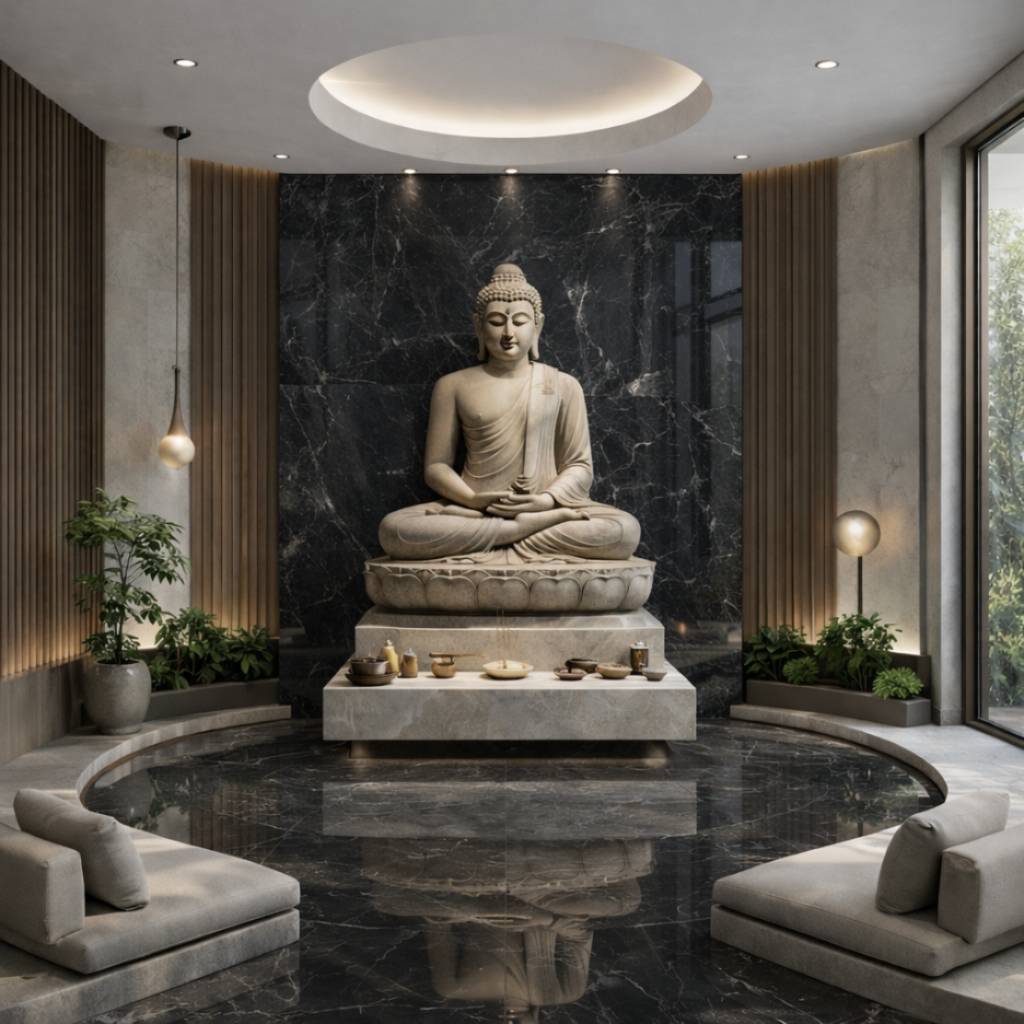
Pooja room design refers to the thoughtful planning and styling of a dedicated spiritual space within a home. It includes elements such as the pooja temple design, storage for rituals, lighting, materials, and decorative detailing.
In modern homes, pooja room designs blend traditional symbolism with contemporary interior design. They adapt to various layouts, from compact corners to expansive, statement-making sanctuaries. At Design First, this balance is achieved through personalised detailing and material excellence.
You can also explore how our iconic experience transforms everyday spaces into meaningful design destiny.
15 Luxury Pooja Room Design Ideas for Different Homes
Pooja room interior design varies depending on space, style, and the overall design language of the home. From opulent marble mandirs to minimalist sanctuaries, each design offers a unique way to elevate spiritual living.
Marble Mandir with Intricate Inlay Work
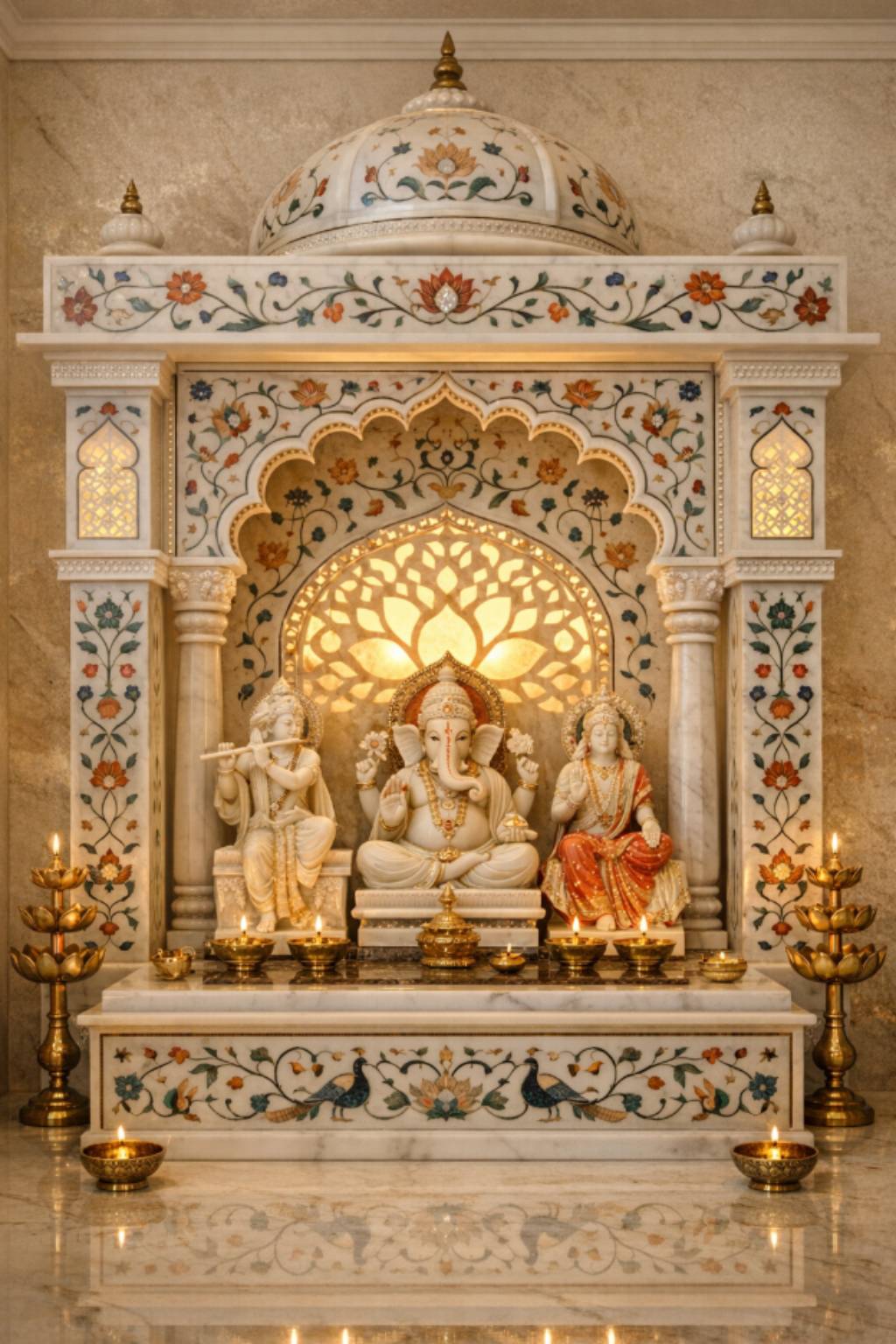
A marble mandir with intricate inlay work stands as a timeless expression of luxury. Fine craftsmanship, often inspired by traditional pietra dura, transforms the pooja unit into a work of art. When paired with soft ambient lighting, the marble reflects a serene glow, making the space feel divine and expansive. An approach often refined in Design First residences.
Backlit Onyx Stone Pooja Wall
A backlit onyx stone pooja wall introduces an ether
eal quality. The translucent nature of onyx allows light to pass through, creating a luminous backdrop that enhances the presence of the deity. This design works exceptionally well in modern homes that lean toward statement interiors.
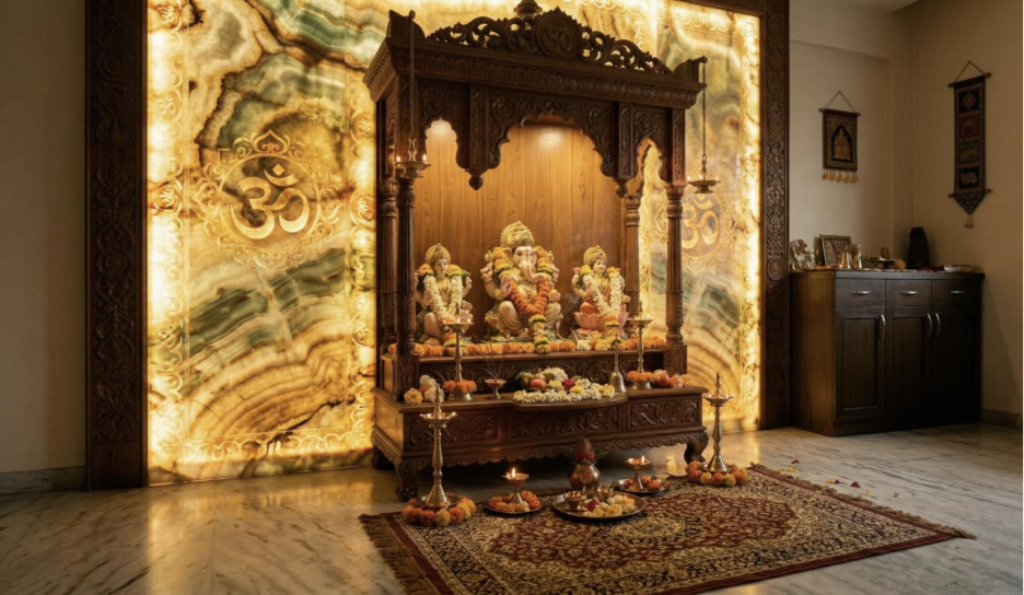
Temple-Inspired Wooden Carved Mandir
Temple-inspired wooden carved mandirs bring warmth and tradition into the home. Rich teak or walnut, hand-carved with intricate motifs, evokes the grandeur of ancient temples while seamlessly fitting into contemporary layouts.
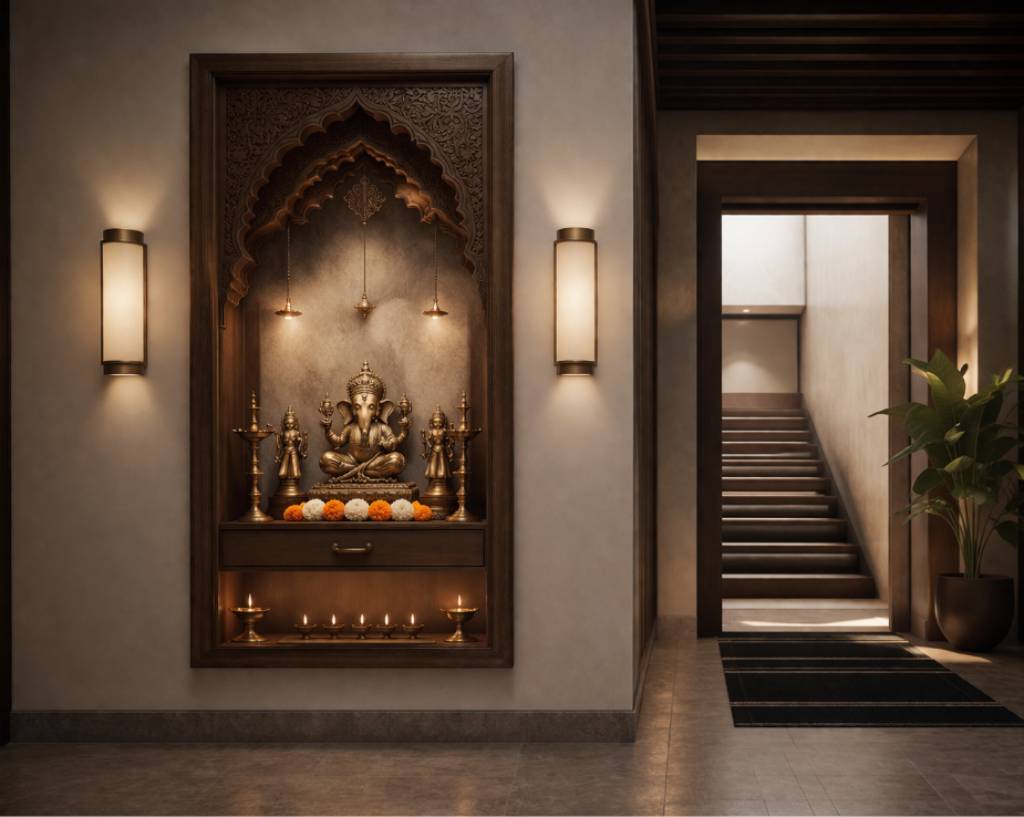
Read more about elegant wooden door designs that complement traditional craftsmanship in modern homes.
Glass-Enclosed Pooja Sanctuary
Glass-enclosed pooja sanctuaries are ideal for urban homes. These designs maintain visual openness while preserving the sanctity of the space. Subtle gold or brass accents elevate the enclosure, giving it a refined, gallery-like presence.
Brass and Copper Detailing
Brass and copper detailing adds a layer of richness to pooja unit designs. From engraved panels to metallic bells and accessories, these elements introduce texture and heritage into modern pooja rooms.
Floating Marble Pooja Platform
A floating marble pooja platform is a minimalist yet striking solution. Mounted against a feature wall, it creates a clean, uncluttered aesthetic while allowing the material to take center stage. Also, a design philosophy often championed by Design First.
You can also explore pop design ideas for hall to complement feature walls around pooja spaces.
Dome Ceiling Pooja Room
Dome ceiling pooja rooms draw inspiration from traditional temple architecture. Intricately designed domes with soft lighting create a celestial atmosphere, enhancing the spiritual experience.
Stone Jaali Partition Mandir
Stone jaali partition mandirs offer both privacy and elegance. The perforated stone screens filter light beautifully, casting delicate shadows that add depth and character to the space.
Gold Leaf Accent Backdrop
Gold leaf accent backdrops introduce understated opulence. Used sparingly, gold detailing can elevate the mandir without overwhelming the overall design.
Courtyard Style Mandir
Courtyard-style mandirs bring nature into the spiritual space. Open-to-sky or semi-open designs, complemented by greenery and natural stone, create a tranquil retreat within the home.
Sculptural Wall Murals
Sculptural wall murals act as artistic focal points. Handcrafted panels depicting divine motifs add a contemporary yet meaningful dimension to pooja room interior design.
Integrated Lighting Design
Integrated lighting design plays a crucial role in enhancing the ambience. Layered lighting, combining concealed LEDs, spotlights, and diyas creates a harmonious glow that elevates the spiritual mood.
You can also read more about furniture and design patterns
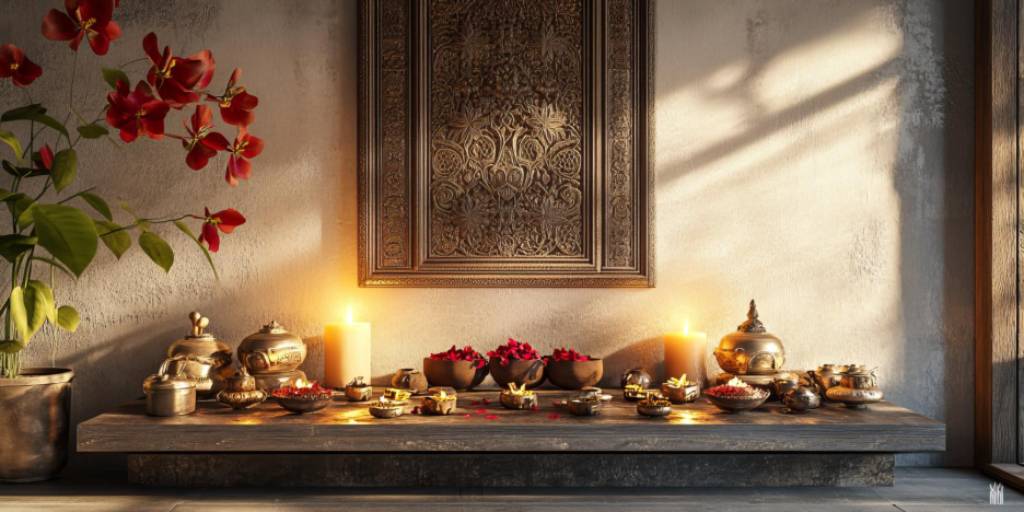
Luxury Minimalist Mandir
Luxury minimalist mandirs focus on simplicity and purity of form. Clean lines, neutral palettes and high-quality materials define these spaces, proving that restraint can be just as powerful as ornamentation.
Mandir with Semi-Precious Stone Inlay
Mandirs with semi-precious stone inlay introduce a jewel-like quality. Stones such as lapis lazuli or malachite add subtle colour and richness, making the pooja space feel exclusive and bespoke.
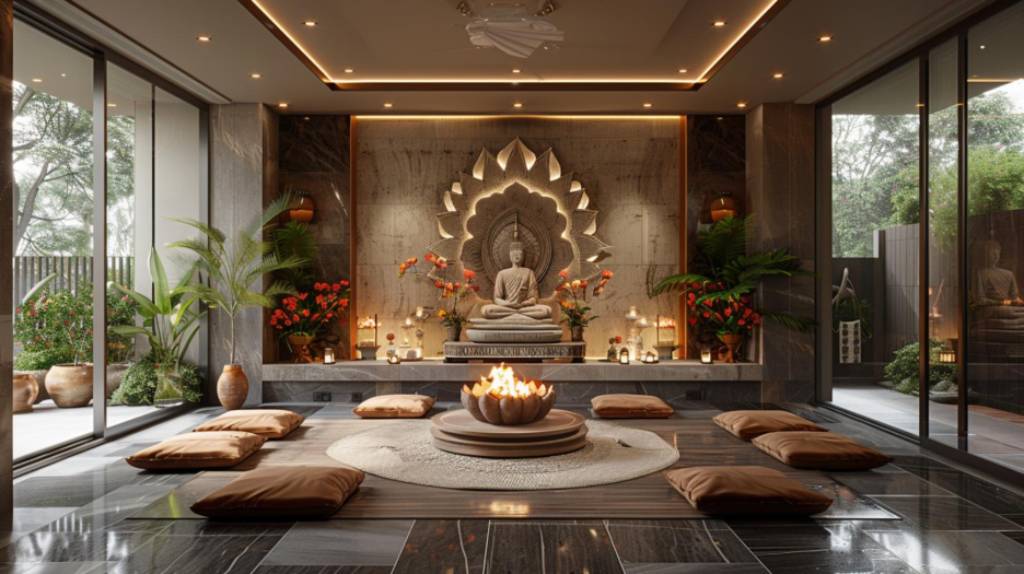
Dedicated Pooja Pavilion
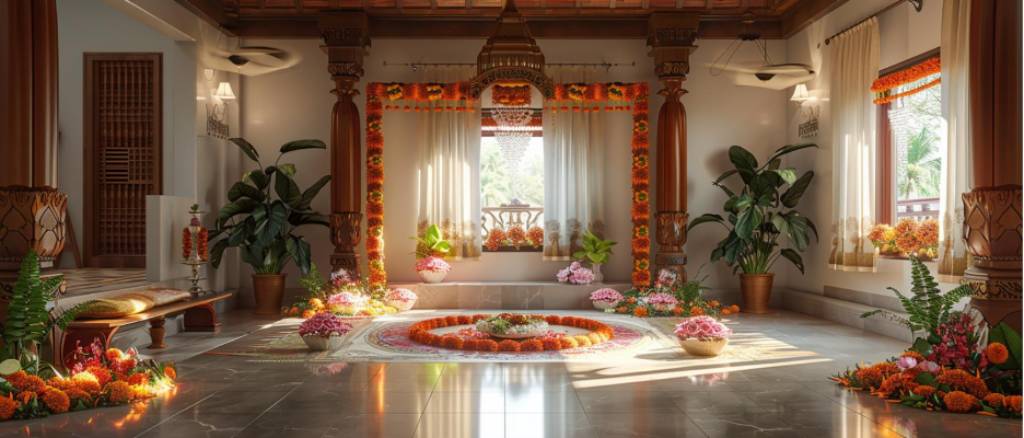
A dedicated pooja pavilion is the ultimate expression of grandeur. Designed as a standalone structure within the home, it allows for elaborate detailing, spacious layouts and a deeply immersive spiritual experience. Something Design First curates for homes that embrace scale and luxury.
Learn more about space saving spaces with custom made furnitures tailored to your lifestyle.
Best Materials for Pooja Room Design
The choice of materials plays a defining role in both the aesthetic appeal and longevity of a pooja room design. Wood brings a sense of warmth and tradition, making it especially suited for intricately carved mandirs that echo heritage craftsmanship. Marble, in contrast, introduces a sense of timelessness. Its smooth finish and durability makes it a preferred choice for luxury homes seeking a refined, enduring presence.
Natural stone adds depth and texture, lending the space an earthy, grounded character, while laminates offer a more versatile and cost-effective solution without compromising on visual appeal. At Design First, material selection is never an afterthought. Each surface, finish and detail is carefully curated to align with the home’s overarching design language, ensuring not only visual harmony but also ease of maintenance and long-term durability.
When thoughtfully combined, materials can transform a pooja space into a true design statement. The interplay of marble with brass accents, or wood paired with delicate stone inlays, creates a layered richness that feels both cohesive and distinctive. Elevating the pooja room from functional to truly exceptional.
You can also explore hall wall colour combinations that enhance the overall harmony of your interiors.
Common Mistakes to Avoid in Pooja Room Design
One of the most common mistakes in pooja room interior design is overcrowding the space. A cluttered mandir can disrupt both visual harmony and spiritual focus. Thoughtful storage and minimal decor ensure that the space remains serene.
Poor lighting is another oversight. A pooja room should feel warm and inviting, not dim or harsh. Layered lighting solutions, often integrated seamlessly by Design First, can transform the ambience entirely.
Using unsuitable materials can also affect longevity. Materials that are difficult to clean or prone to wear may diminish the sanctity of the space over time. Prioritising quality and craftsmanship ensures that the pooja room remains pristine for years.
You may also consult a residential interior designer to ensure every detail is planned with precision.
FAQ
Yes, a pooja room can be beautifully integrated into the living room through elegant partitions, niches, or bespoke pooja unit designs that blend seamlessly with the overall décor.
A pooja room becomes beautiful when it balances simplicity with thoughtful detailing. Incorporating premium materials, soft lighting and handcrafted elements enhances both its aesthetic and spiritual appeal.
The latest trends in pooja room design include backlit stone walls, minimalist mandirs, and integrated lighting. These designs reflect a shift toward modern luxury while preserving traditional values.
The best pooja room design for small homes is a compact wall-mounted or niche-based mandir. These designs maximise space while maintaining functionality and aesthetics, making them ideal for apartments or limited layouts.
A standard pooja room size can range from 3×4 feet for compact homes to larger dedicated spaces depending on the layout and design preferences.
Ideally, Gods should face east or west in a pooja room design. This alignment is believed to enhance positive energy and create a harmonious spiritual environment.
Marble is considered one of the best materials for pooja temple design due to its durability, tranquility and ease of maintenance. Especially in luxury interiors.