- What Is Scandinavian Interior Design?
- Why Scandinavian Interior Design Is Gaining Popularity in India
- 12 Scandinavian Interior Design Ideas You Can Apply Today
- 1. Embrace a Light, Neutral Colour Palette
- 2. Let Natural Light Shape the Space
- 3. Choose Functional, Thoughtful Furniture
- 4. Layer Textures for Warmth and Depth
- 5. Keep Decor Minimal but Intentional
- 6. Bring Nature Indoors
- 7. Focus on Clean Lines and Open Layouts
- 8. Add Warm Wood Accents
- 9. Use Statement Lighting Sparingly
- 10. Prioritise Comfort Without Excess
- 11. Maintain Visual Consistency Across Rooms
- 12. Edit and Refine Regularly
- How Scandinavian Interior Design Differs from Minimalism: A Practical Comparison for Indian Homes
- Common Mistakes to Avoid in Scandinavian Interiors
- FAQ
Homes are changing. And so are the expectations we have from them.
People don’t want more anymore. They want better. Spaces that feel calm. Thoughtful. Personal.
That’s where Scandinavian design fits in. Not as a trend but as a way of living that focuses on simplicity and intention.
For Indian homes, it works surprisingly well. It brings a clean, global aesthetic. But still adapts to how we live. The light, the climate, the way our spaces are used. It doesn’t feel forced.
This guide is here to make it simple. To take what you’ve seen and turn it into something you can actually do. So you can create a home that feels clear, comfortable and truly your own.
What Is Scandinavian Interior Design?
Scandinavian interior design is a style that is based on simplicity, comfort and functional beauty. It builds environments that are bright, serene and simple to live in, where everything is chosen with a clear intention.
You’ll see clean lines, intelligent decisions and a strong connection to natural materials, some of the main features of Scandinavian interior design.
At its foundation, the design is a reaction to the urge for houses that feel less cluttered and more deliberate. It steers clear of visual excess and concentrates on what really brings comfort, usefulness and purpose to a room.
It comes from Nordic countries like Denmark, Sweden and Norway, where homes are designed to make the most of light and create warmth through simplicity.
And that’s exactly why it connects so well with Indian homes today. There’s a growing shift towards spaces that feel calmer, more liveable and more in tune with everyday life.
For a deeper understanding of clutter-free aesthetics, explore minimalist interior styling.

Why Scandinavian Interior Design Is Gaining Popularity in India
Scandinavian design is becoming popular in India because it responds to the way urban homes and lifestyles are changing. It offers a clean, calm and functional approach without making a home feel bare or impersonal.
1. It works well for compact urban homes
In cities like Mumbai and Bangalore, many homes need to feel open, organised and easy to move through. Scandinavian design supports this through lighter colours, simple furniture and layouts that avoid visual clutter.
2. It supports multifunctional living
Homes today are expected to do more. They are places to rest, work, host, unwind and spend time with family. Scandinavian interiors make this easier by favouring furniture and layouts that serve more than one purpose.
3. It makes better use of natural light
Indian homes often receive strong sunlight, but the challenge is to use it well. Scandinavian design encourages open windows, sheer curtains and lighter surfaces that help a room feel brighter without becoming harsh.
4. It encourages clutter-free living
Homes that feel less crowded are growing in preference. Instead of filling the space unnecessarily, fewer but better choices are given focus
5. It reflects a growing exposure to global design
Travel, media and social platforms have made global design styles more familiar to Indian homeowners. Scandinavian spaces feel aspirational because they are clean and refined, yet still warm and liveable. This is also why high end scandinavian interior design for modern homes feels so relevant today, especially for people who want quiet luxury without visual excess.
To bring this balance into your own home, working with a residential interior designer can help translate the style into a space that suits your lifestyle, climate and everyday needs.
12 Scandinavian Interior Design Ideas You Can Apply Today
The ideas that follow will hopefully make things clearer.
Scandinavian design can feel clear and easy when you see it. But harder to apply in your own home. That’s where most people get stuck.
Each of these ideas is meant to clear that up. To answer the small doubts that come up along the way. So you’re not second guessing every choice. And the whole process feels a lot more straightforward.
1. Embrace a Light, Neutral Colour Palette
Colour does a lot of the heavy lifting in a Scandinavian home. It’s what sets the mood before anything else comes in.
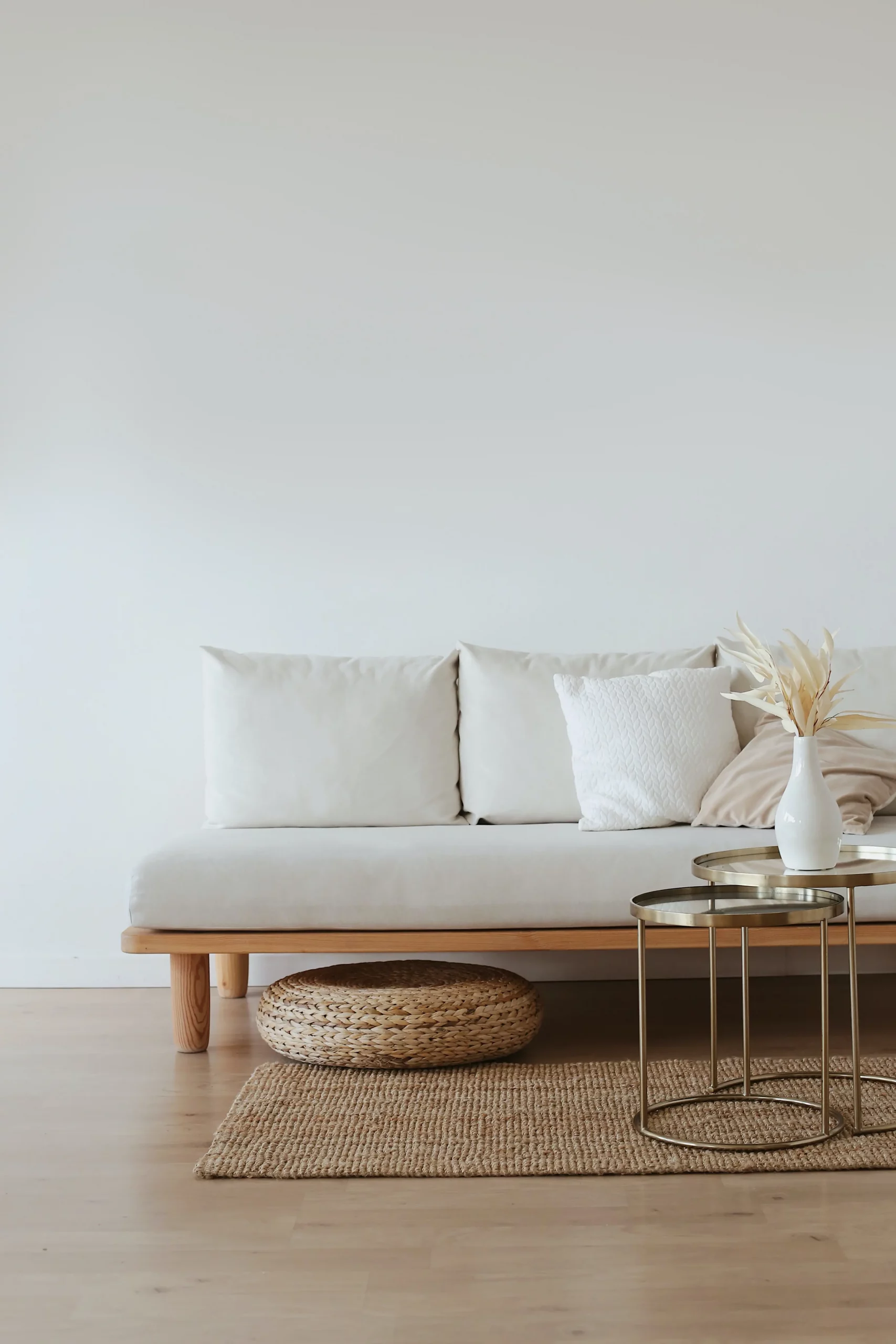
The palette is usually easy on the eye. Whites that feel warm, not harsh. Beiges and greys that sit quietly in the background. Light wood tones that add a bit of warmth without taking over.
In an Indian home, this translates really well. Off-white walls, light wood furniture and neutral upholstery already get you most of the way there. It feels calm, but still lived in.
What you want to avoid is going too stark. Bright whites or strong contrast can make the space feel a bit cold. The idea is to keep it gentle. So the room feels relaxed the moment you walk in.
You can also explore elegant hall wall colour combinations for similar calming palettes.

2. Let Natural Light Shape the Space
Light does more than just brighten a room. It shapes how the space feels.
In Scandinavian homes, light is treated almost like a material. Windows are kept open, curtains are sheer. And surfaces are chosen to gently reflect light back into the room. The idea is to let as much natural light in as possible.
In India, we already have plenty of sunlight. The trick is to let it in without making the space feel harsh or overheated. Light fabrics, simple curtains and keeping windows uncluttered can make a big difference.
When the light feels right, the whole room feels lighter too.

3. Choose Functional, Thoughtful Furniture
Furniture in a Scandinavian home isn’t about filling space. It’s about choosing what you actually need. And choosing it well.
Every piece has a reason to be there. It looks good, yes. But it also works for your day to day life. Nothing feels extra.
You’ll notice the lines are simple and the proportions feel right for the room. A sofa that doesn’t overwhelm the space. Tables that can do more than one thing. Wooden pieces that are well-made and easy to live with.
It’s not about having less for the sake of it. It’s about having what makes sense for your lifestyle.
For better fit and functionality, opt for custom made luxury furniture.

4. Layer Textures for Warmth and Depth
When you keep things minimal, there’s always a risk the space can start to feel a bit flat.
That’s where texture comes in.
Think about what you’re touching and seeing up close. A soft fabric on the sofa. The grain of natural wood. A matte finish that doesn’t shine too much. These small differences are what give the room depth.
Now look around your space for a second. Does everything feel the same? Or is there a mix that makes it more interesting without being loud?
In Indian homes, lighter materials tend to work better. Cotton, linen, wool, stone and light oak are some of the best materials for scandinavian interior design, especially when the aim is warmth without heaviness. Enough to add warmth. But not so much that the room starts to feel weighed down.
It’s a quiet shift. But it somehow changes everything.

5. Keep Decor Minimal but Intentional
Scandinavian design uses fewer decor pieces, with each object chosen for its purpose, placement and meaning.
There’s a difference between a space that feels calm and one that feels empty. The goal is never to strip everything away. It’s to choose a few things that actually matter.
Look around your space for a moment. What do you really want to see every day?
A piece of artwork you connect with. A ceramic object that feels tactile. A few books you keep going back to. That’s usually enough.
When you pick things with a bit of intention, the space starts to feel personal without feeling busy.
If you take too much away, it can start to feel a bit cold. Like no one really lives there.
The sweet spot is somewhere in between. Enough to give the room character. But not so much that it feels crowded.

6. Bring Nature Indoors
Spaces start to feel different the moment you bring something living into them.
A plant in the corner, something on a table, even a small one on a shelf. It dampens everything around it. The room feels less still. Less put together in a rigid way.
And don’t overthink it. In Indian homes especially, it’s better to choose plants that can take care of themselves a bit. The kind you don’t have to fuss over.
Then just let them sit alongside materials that already feel natural. Wood that shows its grain. Stone that isn’t too polished.
We promise, the space will feel easier, like it’s breathing a little. Alive in a sense.

7. Focus on Clean Lines and Open Layouts
When a space feels easy to move through, it instantly feels better to be in.
A lot of that comes from not breaking it up too much. The more walls and divisions you add, the more closed off it starts to feel.
Instead, let the space stay open and find quieter ways to define different areas. A rug under the seating, a sofa placed just right, even the way a table sits can naturally create zones without cutting the room apart.
Nothing should feel forced. But everything still has its place.
This approach works best when executed through turnkey interior solutions.

8. Add Warm Wood Accents
Wood is what keeps these spaces from feeling too plain.
When everything else is light and neutral, it’s the wood that adds warmth. Not the dark, heavy kind. Something lighter. Easy on the eye.
In Indian homes, that balance matters even more, which is why scandinavian interior design with natural wood finishes works so beautifully. Teak or oak can work beautifully, as long as you don’t overdo it. A table, a chair, maybe a cabinet. Enough to bring in warmth, without making the space feel weighed down.

9. Use Statement Lighting Sparingly
Lighting in these spaces is never trying too hard. But it still stands out.
You don’t need a lot of it. In fact, one well-chosen piece can do more than a room full of lights. A pendant over the table. A floor lamp in the corner. Something that quietly draws your eye.
The moment you start adding too many lights, it loses that ease. It starts to feel busy.
It’s better to pick one or two pieces that actually suit the room and let them do their job. When the light feels right, you don’t really notice it. You just feel the difference.
To elevate lighting and overall ambiance, explore a complete luxury interior design experience.

10. Prioritise Comfort Without Excess
Honestly, the whole point is comfort.
A sofa you can sink into, fabrics that feel easy, a layout that doesn’t make you think twice. It should feel lived in, not arranged. The only thing to watch is not overdoing it. Too much and the space starts to feel heavy. Just enough and it feels effortless.

11. Maintain Visual Consistency Across Rooms
When things repeat, even quietly, the whole home starts to feel more connected.
A similar colour showing up in different rooms. The same material used in more than one place. Finishes that don’t suddenly change from space to space. The home should feel like one complete space, not a series of separate rooms.
This sense of consistency can also extend to ceiling details, wall treatments and subtle decorative elements, as long as they follow the same palette, proportions and level of simplicity.

12. Edit and Refine Regularly
These spaces aren’t meant to stay the same forever.
You live in them, your routines change, your taste shifts a little. The home should move with that. Every now and then, it helps to step back and look at it with fresh eyes. You’ll notice what feels unnecessary. What no longer fits. What could be simpler. It’s not about redoing everything. Just small edits. Removing a few things, adjusting a few others.
That’s what keeps the space feeling considered. And yours.

How Scandinavian Interior Design Differs from Minimalism: A Practical Comparison for Indian Homes
A lot of people mix up Scandinavian design and minimalism because they can look similar at first glance. But they do not feel the same once you live with them.
Aspect Scandinavian Interior Design Minimalism Colour palette Light and warm, with whites, beiges, greys and natural wood tones. More restrained, often using whites, greys, blacks and very limited colour. Materials Uses wood, fabric, stone and natural textures to add warmth. Uses clean, smooth materials with very little visual texture. Furniture Simple and functional, but still comfortable and inviting. Reduced to only what is essential. Decor Minimal, but personal and meaningful. Very limited, with few visible objects. Functionality Supports everyday comfort, storage and ease of living. Focuses on reduction and visual clarity. Warmth Feels lived in and comfortable. Feels calm and clean, but can sometimes feel distant. Overall feel Balanced, warm and easy to live with. Sparse, controlled and highly edited.
That’s really the difference. Minimalism is about reducing. Scandinavian design is about balancing simplicity with warmth, comfort and everyday life.
Common Mistakes to Avoid in Scandinavian Interiors
Even simple styles can go off track when there isn’t enough clarity. Here are a few common mistakes to avoid:
1. Over-minimalism
Taking away too much can make a space feel empty instead of calm. Scandinavian interiors still need warmth, comfort and a sense of personality.
2. Ignoring lighting
A room may be well designed, but harsh or flat lighting can change the way it feels. Natural light, lamps and layered lighting all play an important role.
3. Using the wrong colours
Stark whites or very dark tones can make the space feel unbalanced, even if everything else is right. Whites, warm neutrals and muted shades usually work better.
4. Cluttered decor
Too many decorative pieces can make the intention of the space feel unclear. Choose fewer objects, but make sure they feel meaningful.
5. Lack of warmth
When you skip textures and wood, the space can start to feel cold and distant. Natural materials, fabrics and warm wood tones help bring the balance back.
FAQ
To achieve Scandinavian interior design, start with a light, neutral colour palette, simple furniture and natural materials. Keep the layout open, reduce visual clutter and add warmth through texture, wood and lighting.
Yes, Scandinavian interior design is suitable for Indian homes when it is adapted to the climate, lifestyle and available space. It works well because it improves natural light, supports better space planning and creates a calmer home environment. The best scandinavian interior designers usually balance Nordic simplicity with local materials, practical storage and the way Indian families live.
Scandinavian interiors tend to be muted in hue, such as warm white, beige, light grey, mild taupe and soothing pastels. Natural wood tones are typically used to bring in warmth and stop the space looking too basic.
Scandinavian interior design is founded on simplicity, functionality, natural light and warm natural materials. Its style is marked by clean lines, clear spaces and comfort for ease of everyday living.
The 3 4 5 rule is a way to think about proportion, spacing and balance in a room. It helps ensure that furniture, decor and circulation space feel comfortable, rather than too crowded or too empty.
The 3-5-7 rule is a styling principle based on grouping objects in odd numbers. Arrangements of three, five or seven items often feel more natural, balanced and visually pleasing than even-numbered groupings.