In this Article
- Here are some different kinds of Drawing Room Interior Design Ideas that you’ll love coming home to
- Modern Minimalist Drawing Room
- Contemporary Indian Drawing Room
- Luxury Drawing Room Design
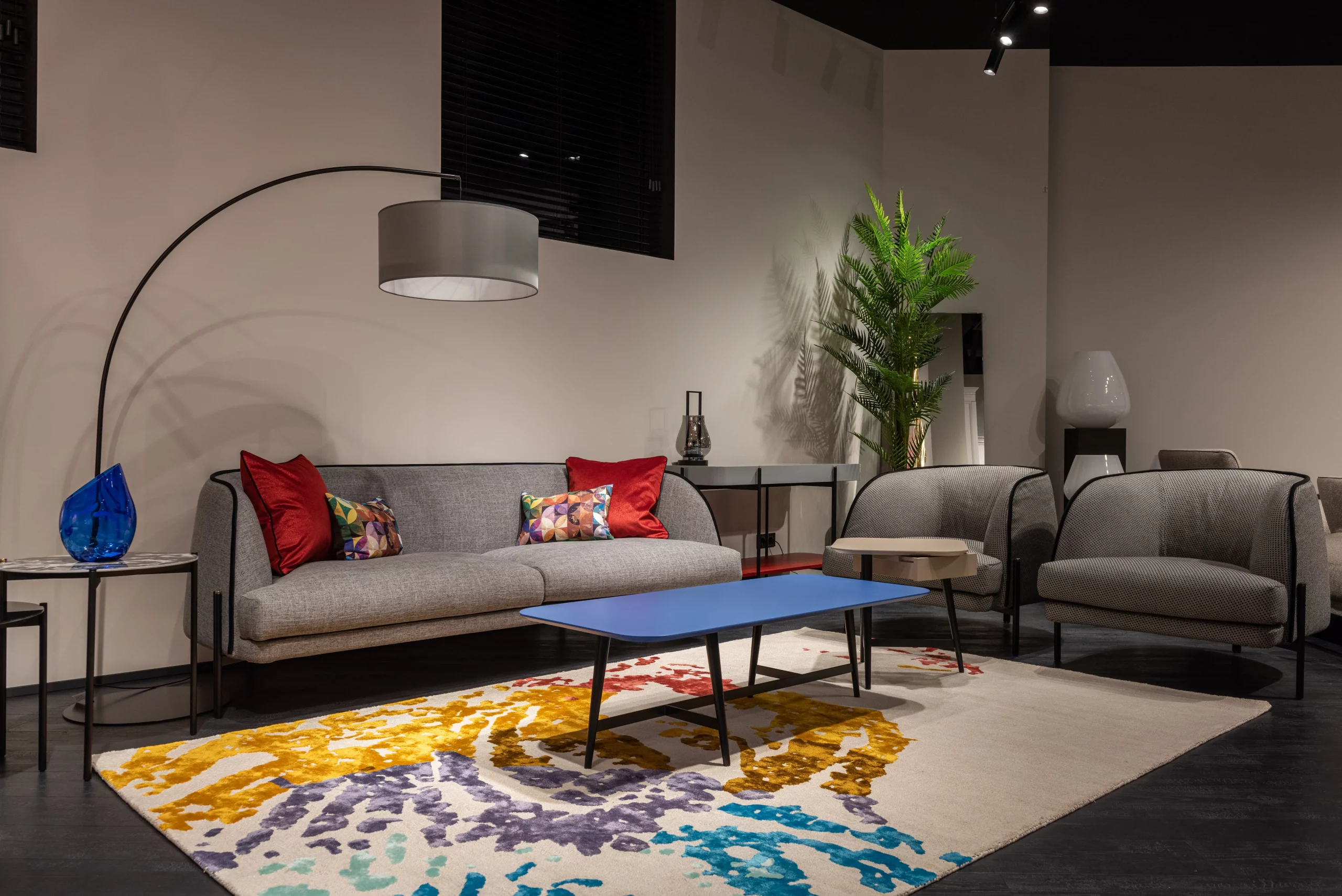
- Bohemian Drawing Room
- Small Drawing Room Interior Design
- Drawing Room Layout Tips That Always Work
- Common Mistakes to Avoid When Choosing a Drawing Room Design
- Why Choose Design First
- FAQs
Every home needs a space for conversations and social interaction. Where you welcome the outside world into your inner world. The best Drawing Room Interior Design provides exactly that.
It provides an environment where guests are welcomed, conversations stretch longer than expected and evenings slow down after a full day. It carries both presence and comfort. It reflects how you host, how you relax and how you want your home to be experienced.
Designing this space is not about arranging furniture symmetrically and calling it complete. It is about creating balance. The right drawing room interior design shapes how people move, sit, speak and stay.
For families who entertain often, the layout must feel open yet intimate. For those who value quiet evenings, comfort must feel intentional rather than accidental. In both cases, the drawing room becomes an expression of lifestyle, not just décor.
This guide explores drawing room interior design ideas that bring together structure, warmth and proportion. Ideas that help the space feel beautiful, functional and unmistakably yours.
Here are some different kinds of Drawing Room Interior Design Ideas that you’ll love coming home to
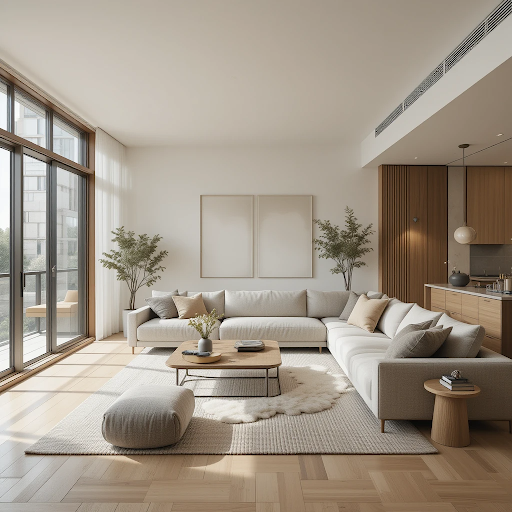
Modern Minimalist Drawing Room
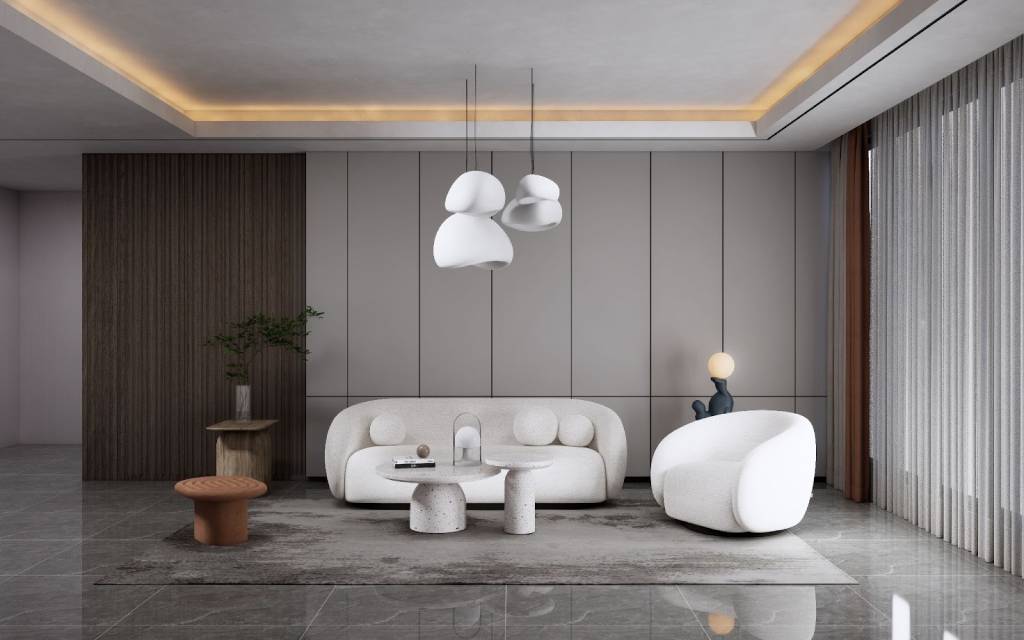
Minimalism in drawing room interior design is often misunderstood as emptiness. In reality, it is about control.
A modern minimalist drawing room interior design focuses on clarity. Neutral tones create visual stability. Clean line furniture ensures that nothing interrupts movement. Low-profile sofas, concealed storage and well-scaled seating prevent overcrowding.
In urban apartments with limited space, this approach reduces visual stress and makes the room appear larger than it is. The layout becomes easier to navigate. Light travels without obstruction.
The success of this style lies in proportion. Every piece must feel deliberate. When executed correctly, modern drawing room interior design in a minimalist direction does not feel bare. It feels composed.
Contemporary Indian Drawing Room
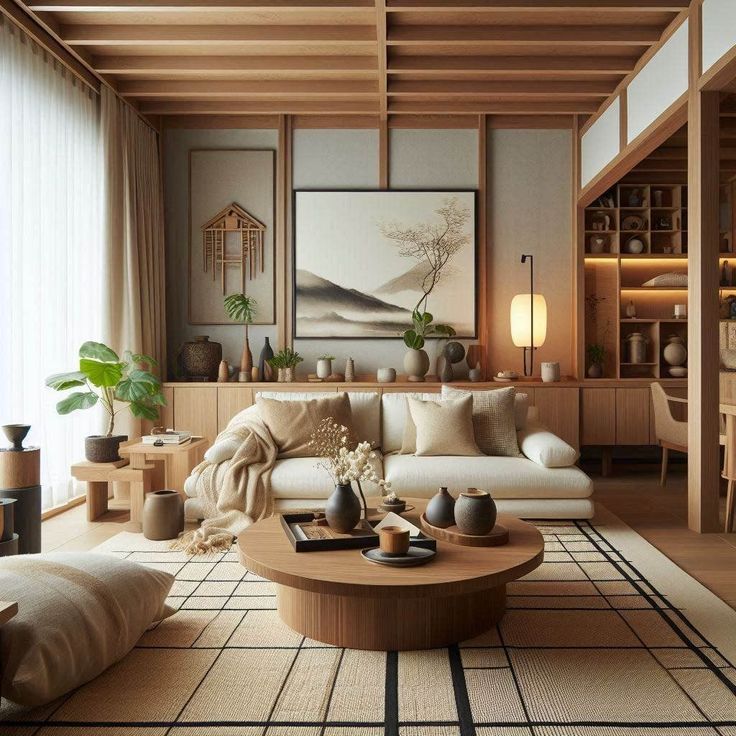
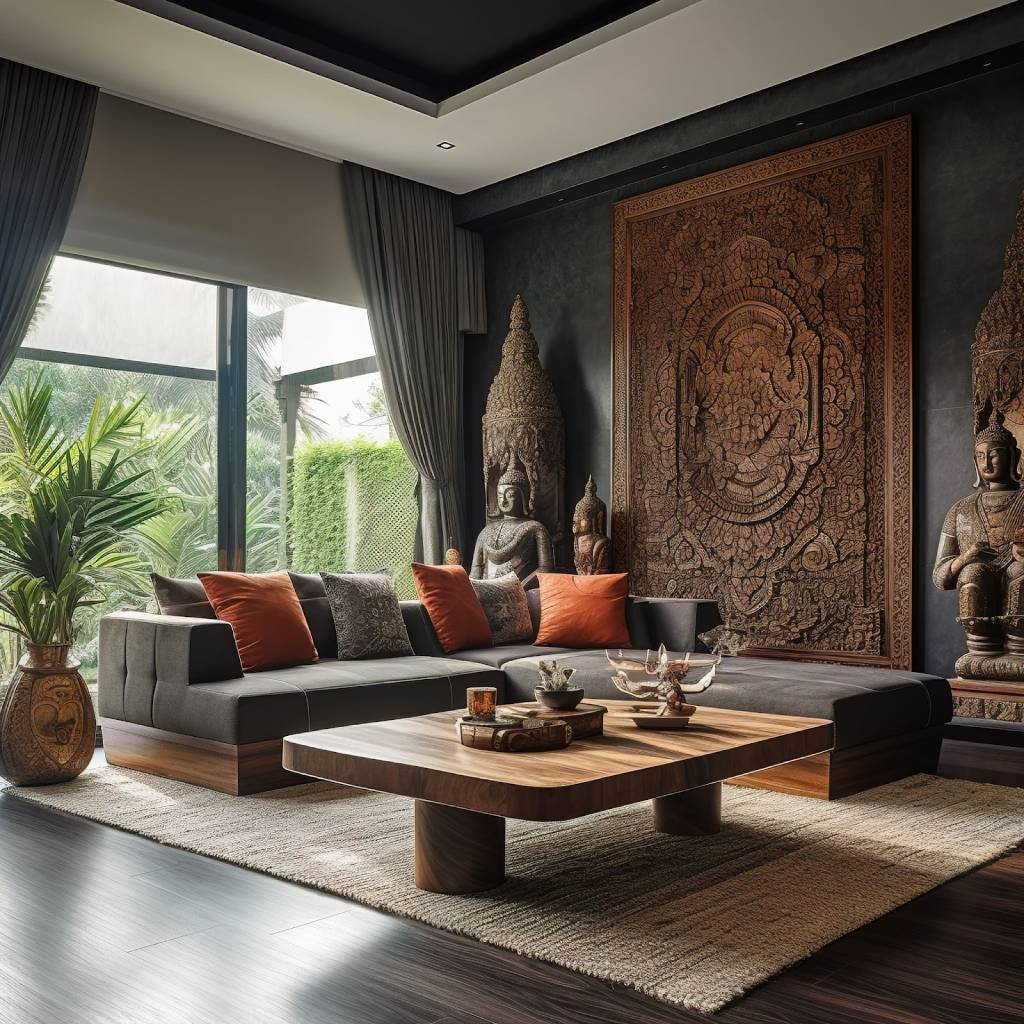
A contemporary Indian drawing room blends modern planning with elements that feel rooted and familiar. It does not rely on ornamentation. It relies on balance.
Clean layouts form the base. Wooden textures, subtle brass accents and handcrafted décor introduce warmth without overpowering the space. The result is not nostalgic. It is grounded.
In many Indian homes, this approach feels natural because it reflects how we live. Modern furniture can sit comfortably alongside artisanal pieces when proportion is respected. The drawing room interior design remains structured, yet the detailing adds depth and identity.
For homeowners exploring modern drawing room interior design ideas for Indian apartments, this fusion offers sophistication without detachment. It feels refined but lived in.
Luxury Drawing Room Design
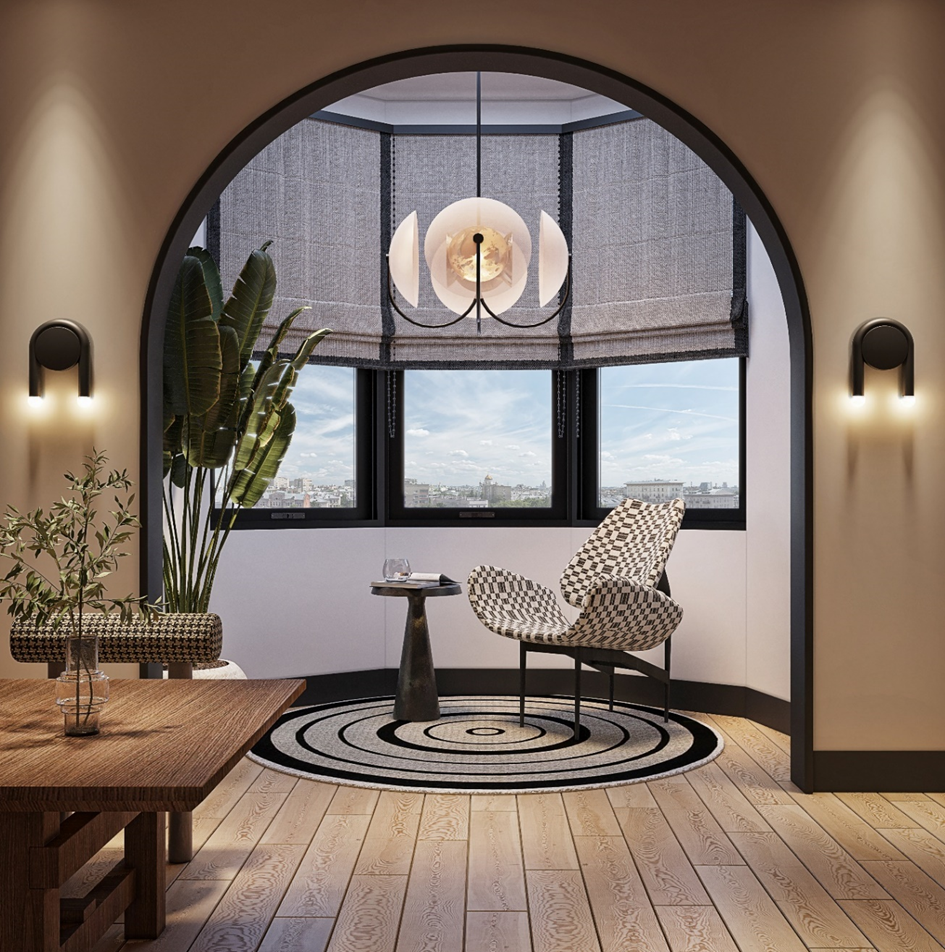
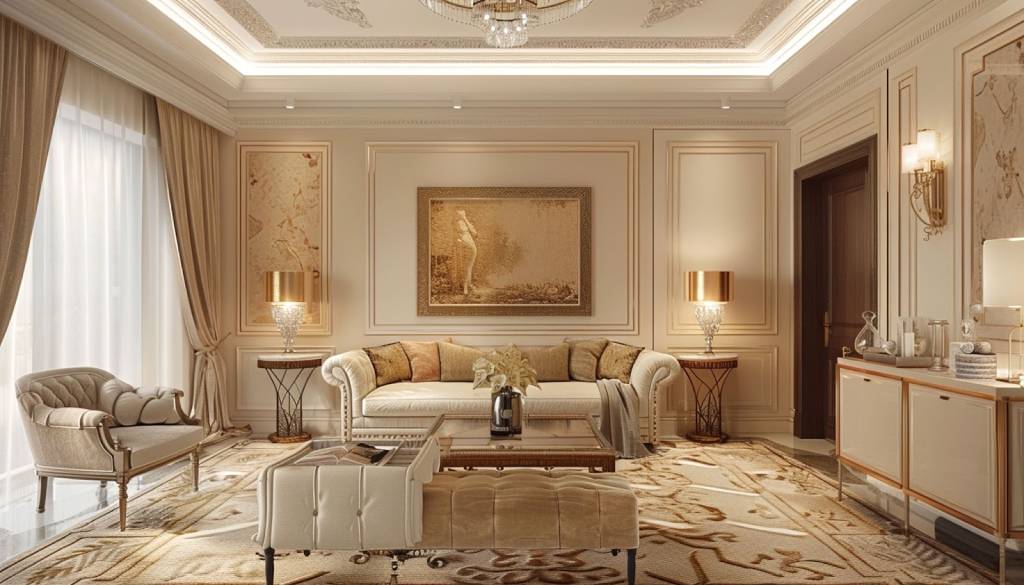
Luxury in drawing room interior design is not defined by scale alone. It is defined by experience.
It begins with proportion. Seating must feel generous but not oversized. The layout must feel open but not empty. Layered lighting introduces dimension, ambient lighting softens the mood and accent lighting highlights material and texture.
Plush upholstery, balanced symmetry and premium finishes create a sense of quiet confidence. Nothing feels excessive. Nothing feels accidental.
Luxury drawing room interior design ideas for contemporary Indian homes often succeed because of restraint. The space feels expansive because it is planned carefully. Guests notice the atmosphere before they notice individual elements.
Our perspective on luxurious POP design ideas for hall in 2026 further expands on how subtle architectural elements elevate modern living.
Bohemian Drawing Room
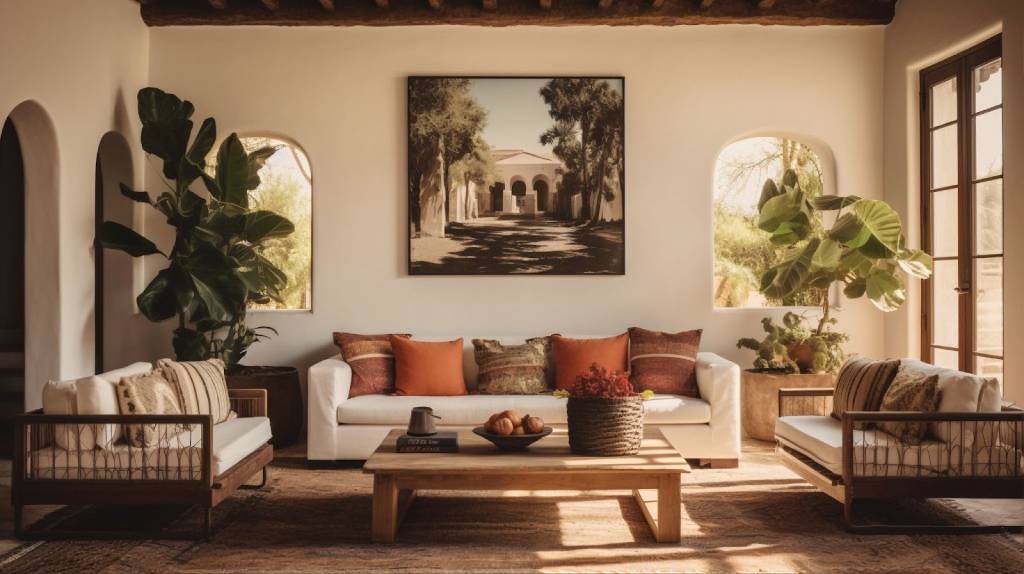
A Bohemian drawing room introduces personality through layers.
Textiles, plants and mixed patterns create movement within the space. However, freedom still requires structure. A consistent colour direction ensures the room does not feel chaotic.
Among drawing room interior design ideas, this style appeals to those who enjoy expression and variation. The key lies in editing. Each object should feel intentional rather than decorative.
When proportion and colour are controlled, the room feels creative yet cohesive.
Small Drawing Room Interior Design
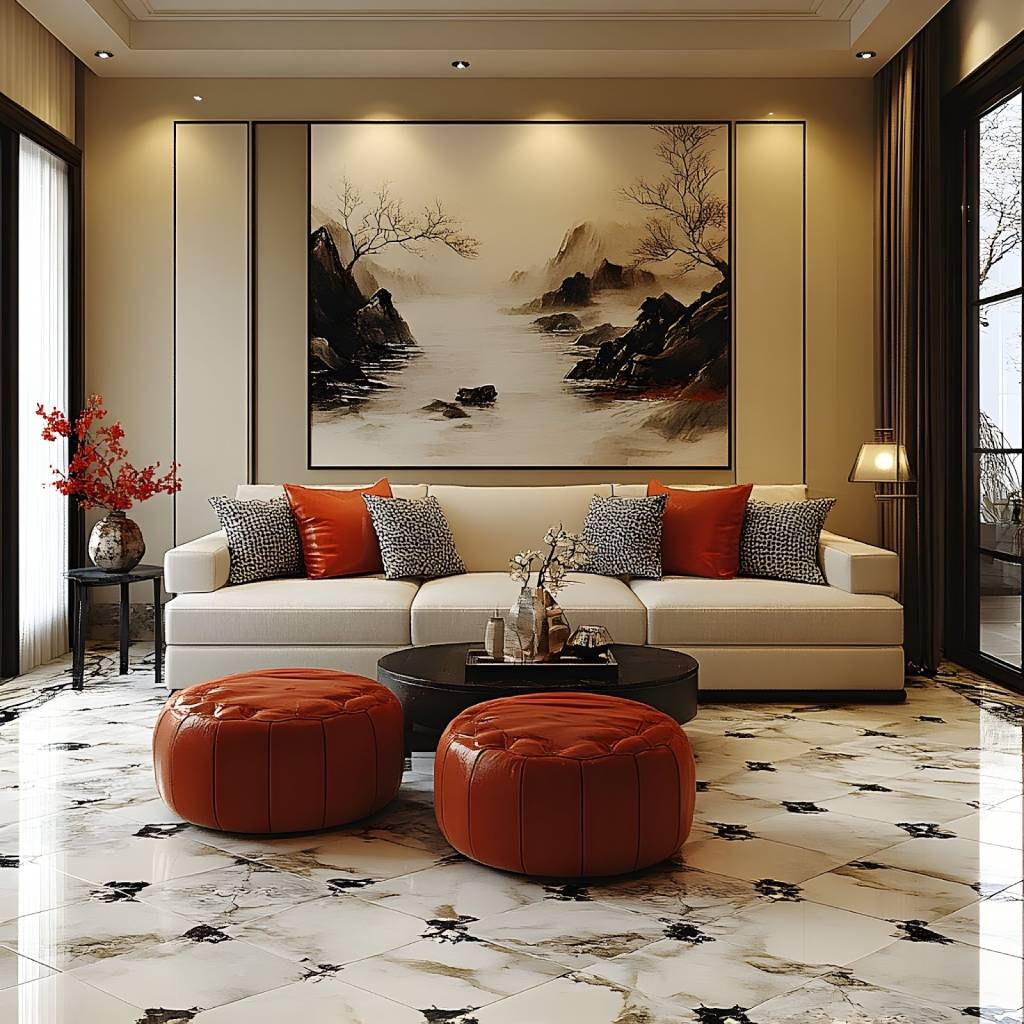
Space constraints are common in urban homes. Small drawing room interior design demands precision.
Multi-functional furniture becomes essential. Seating with built-in storage, compact tables and vertical shelving preserve circulation. Light toned walls enhance openness by reflecting available light.
Proportion is especially critical in smaller layouts. Oversized sofas compress the room. Heavy furniture reduces flexibility. Modern drawing room interior design in compact apartments succeeds when scale is respected and movement remains unobstructed.
A smaller room can still feel huge when the layout is deliberate.
Drawing Room Layout Tips That Always Work
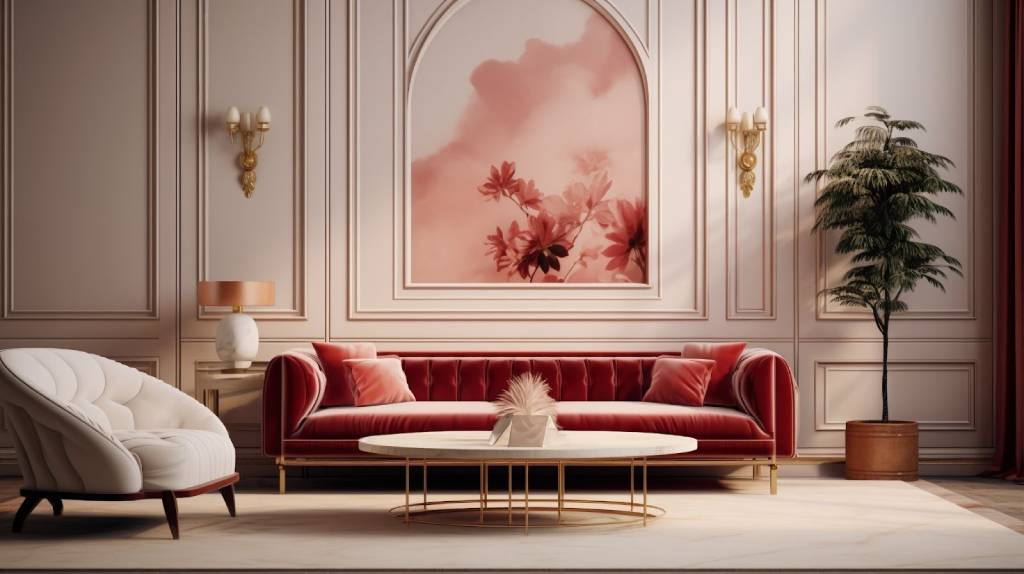
A drawing room can look complete on paper and still feel slightly uncomfortable in real life. That discomfort usually comes from placement, not décor. When furniture is positioned with intention, the room stops feeling arranged and starts feeling natural.
Begin with how people will gather
If the seating does not encourage eye contact, conversation feels forced. Chairs angled slightly inward often work better than perfectly parallel placements. A drawing room is social by nature and the layout should acknowledge that.
Do not sacrifice movement for symmetry
Perfect symmetry looks good in photographs but can restrict circulation. Leave enough space to walk through without brushing past tables or adjusting chairs.
Let the room hold a centre
Without a visual anchor, the layout can feel scattered. A central table, a rug or even a light feature can quietly organise the space and give the seating direction.
Pull furniture in when possible
Pushing everything against the walls creates distance. Allowing pieces to float slightly inward can make the room feel more connected.
Measure twice, place once
Scale mistakes are difficult to disguise. A sofa that is slightly too large will always feel dominant. A table that is too small will always feel misplaced.
Common Mistakes to Avoid When Choosing a Drawing Room Design
Most drawing room interior design mistakes do not happen because of poor taste. They happen because decisions are rushed or made in isolation. The room then feels busy, dim or slightly off without anyone being able to explain why.
Adding furniture without removing something else
Each new piece reduces breathing space. If nothing is edited out, the room slowly becomes crowded.
Overlooking lighting until the end
Lighting defines the atmosphere. A single overhead source flattens the room and makes even good furniture look ordinary.
Choosing scale based on assumption
Estimating dimensions instead of measuring properly often leads to furniture that overwhelms the layout.
Copying a look without adapting it
What works in one home may not translate to another. Layout, ceiling height and natural light all change how a design behaves.
Mixing undertones unintentionally
Warm walls with cool upholstery can create subtle tension. The room may look coordinated but never fully settle
For homeowners exploring more expressive yet balanced aesthetics, our guide to inspiring tropical themed rooms illustrates how mood-driven design can remain refined when proportion, light and materiality are handled thoughtfully.
Why Choose Design First
A considered drawing room interior design begins with clarity. When planning is structured from the outset, decisions feel aligned and the outcome feels cohesive.
At Design First, design does not begin with layouts or material samples. It begins with understanding. The Design First Style Test helps uncover your natural preferences before spatial decisions are made. That clarity ensures your drawing room reflects your signature style rather than a catalogue reference.
Our approach integrates design and execution under one roof to provide you an unparalleled end-to-end design experience. Layout, lighting, material selection and detailing evolve together, not in isolation. This alignment reduces rework and protects design integrity from concept to completion.
The Design First Marine Drive Experience offers you space to explore proportion, material and light in context. Inspired by the precision and detailing philosophy of the legendary Carlo Scarpa, it allows ideas to be experienced physically rather than imagined theoretically.
Because a drawing room should not feel assembled. It should feel resolved.
FAQs
A drawing room should have layered lighting with adjustable intensity. Ambient lighting creates comfort, while task and accent lighting add depth depending on the time of day and occasion.
Start by defining how the space will function on a daily basis. A strong drawing room interior design balances layout, lighting and proportion before selecting décor or furniture styles. When the structure is resolved first, styling decisions become clearer and more cohesive.
The seven basics include space, line, form, light, colour, texture and pattern. Together, these principles guide cohesive drawing room interior design ideas by shaping how a room looks and feels. When applied thoughtfully, they create depth without clutter.
The 3 color rule recommends limiting the primary palette to three dominant tones. In drawing room interior design, this creates cohesion while still allowing contrast and layering.
The 3-4-5 rule refers to maintaining proportion between furniture dimensions and room size. In practice, it encourages visual balance so that no single element dominates the space. In a drawing room, this ensures seating, tables and circulation areas feel harmonised rather than crowded.
The 80/20 rule suggests keeping 80 percent of the room cohesive and neutral, while 20 percent introduces contrast or personality. This balance prevents visual overload while still allowing character to emerge.
Overcrowding the space is the most common mistake. When circulation and proportion are ignored, even well-chosen furniture can make the room feel restrictive rather than welcoming.
Proportion is widely considered the golden rule. Every element should relate appropriately to the scale of the room and to one another. When proportion is respected, the space feels resolved rather than assembled.
Layered lighting, considered proportions and high-quality materials elevate a drawing room beyond decoration. Luxury in drawing room interior design is less about excess and more about restraint, comfort and cohesion.