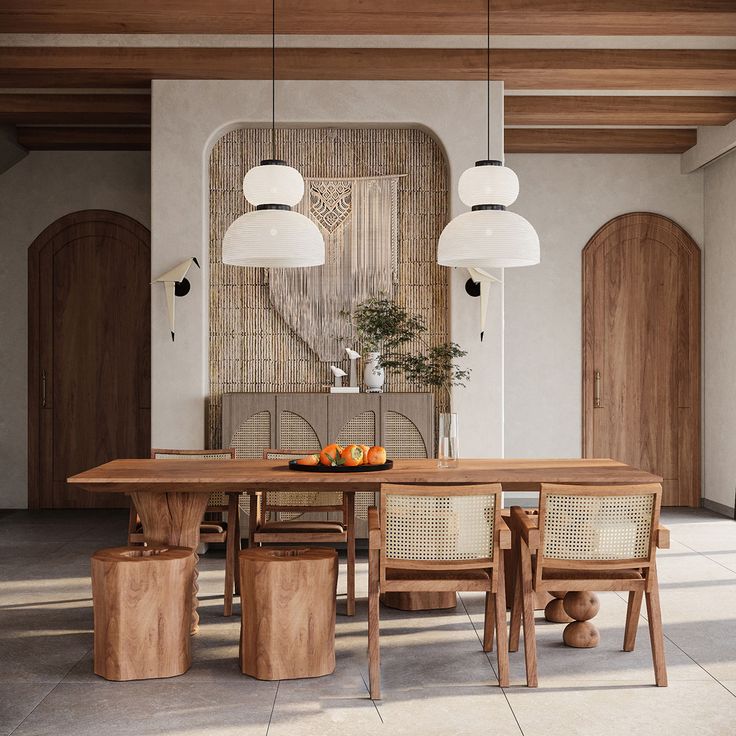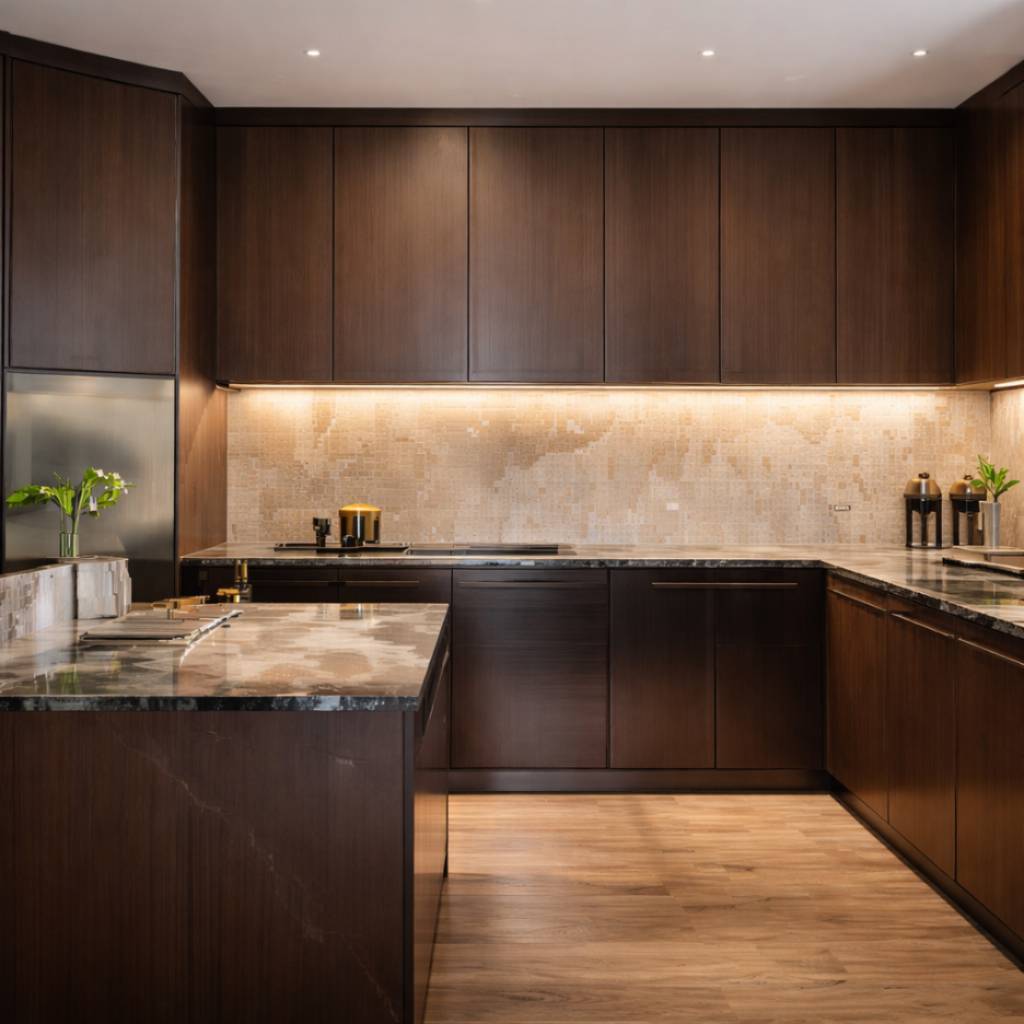
A drawing room is more than a place to welcome guests. It sets the mood for conversations, celebrations, and quiet evenings with family. Every choice, from the layout to the furniture and lighting, shapes how the room feels and functions.
A well designed drawing room does not depend on expensive décor or passing trends. The best spaces begin with an understanding of how the room will be used, followed by decisions that balance comfort, proportion, craftsmanship, and personality. Let’s explore styles and planning principles that help create a drawing room with lasting appeal.
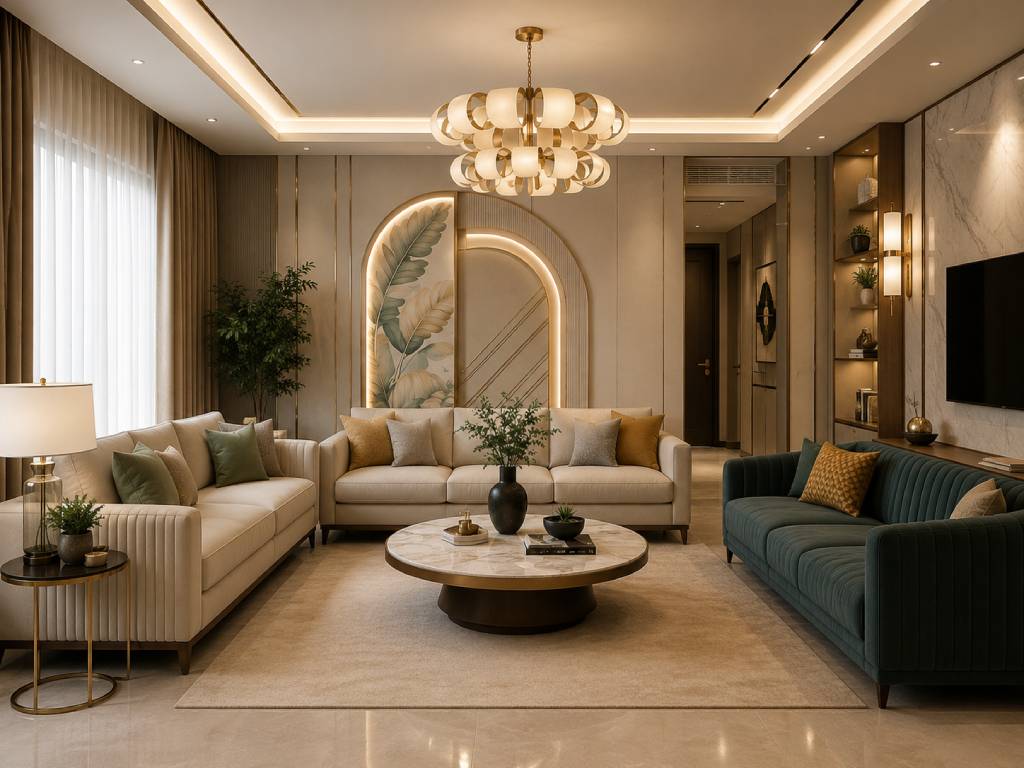
Best Drawing Room Interior Design Styles for Modern Homes
Every drawing room creates a different experience. Some invite long conversations, others become a quiet retreat at the end of the day, while a few make a lasting impression the moment someone enters. Instead of selecting a style because it is trending, begin with how you want the room to feel and how it will be used. The right design language naturally follows those decisions.
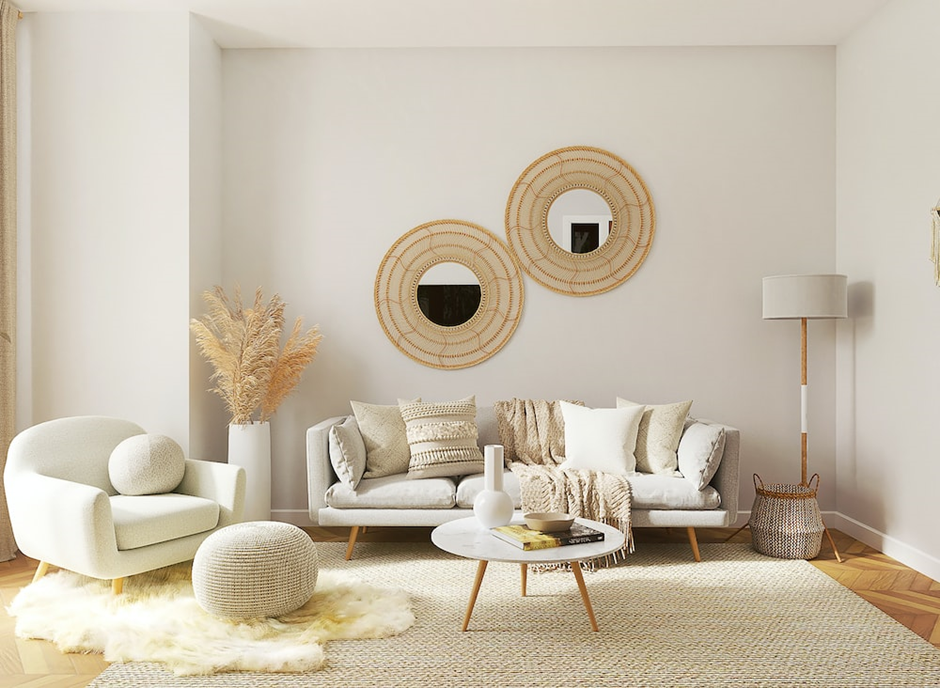
Modern Minimalist Drawing Room
A minimalist drawing room feels calm because nothing competes for attention. Natural light, generous spacing between furniture, and a restrained material palette allow the room to breathe. Instead of relying on decorative pieces, the architecture, textures, and proportions become the defining features.
A successful minimalist space is never about owning less. It is about giving every element a purpose and allowing quality to speak louder than quantity.
What defines this style
- Furniture with clean silhouettes and balanced proportions
- A restrained palette built around warm neutrals
- Natural materials such as wood, stone, linen, and textured fabrics
- Hidden storage that maintains visual clarity
- Simple lighting that highlights materials instead of dominating the ceiling
Many minimalist interiors begin to feel impersonal because homeowners remove character along with clutter. A single oversized artwork, a handcrafted coffee table, or a textured accent chair usually creates more impact than filling the room with multiple decorative accessories.
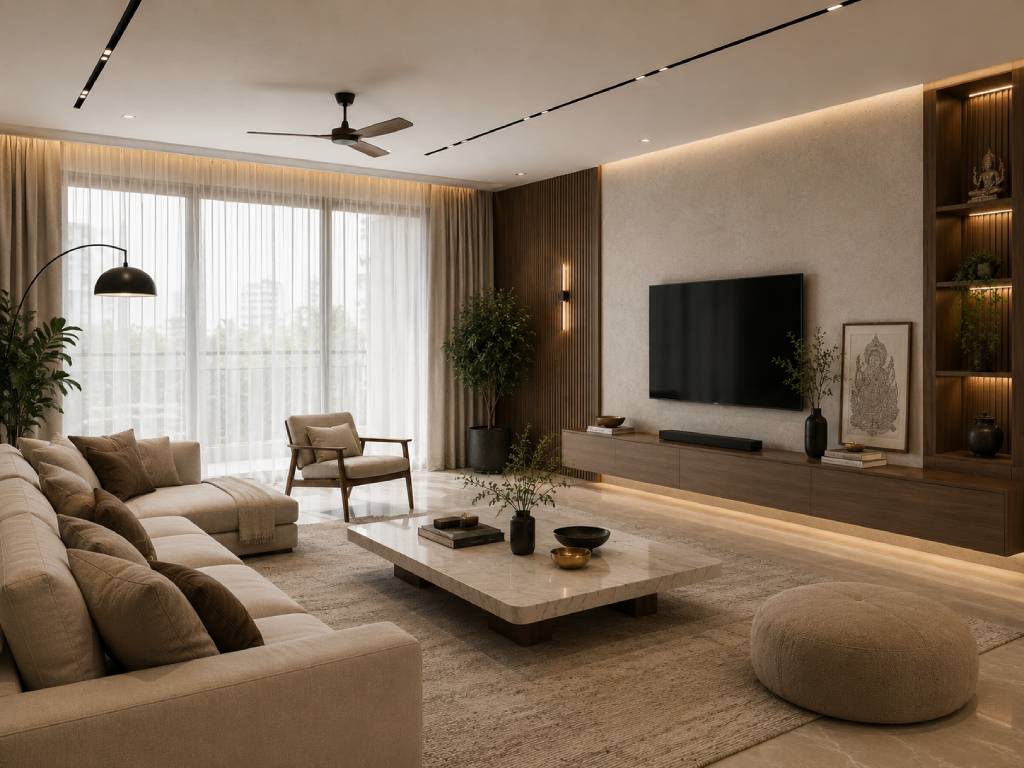
Contemporary Indian Drawing Room
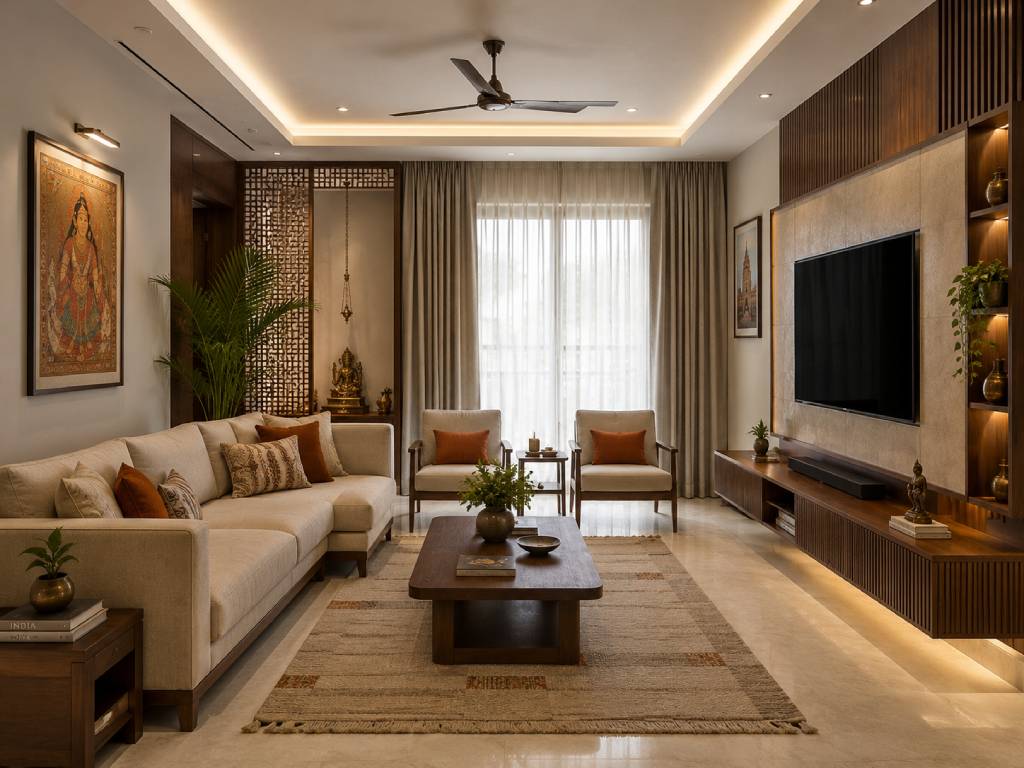
Contemporary Indian design blends modern planning with the warmth of local craftsmanship. The result feels rooted without appearing traditional. Natural materials, artisanal details, and modern furniture work together to create a space that reflects today’s lifestyle while maintaining a sense of familiarity.
Instead of relying on decorative motifs, this style celebrates texture, craftsmanship, and carefully selected materials that become more beautiful with time.
Design Element Contribution to the Space Natural stone Introduces depth and character Solid wood furniture Adds warmth and visual balance Brass accents Creates understated elegance Handwoven textiles Softens clean architectural lines Handmade artwork Introduces personality without overwhelming the room
Design insight: Walnut wood combined with textured natural stone creates a quieter visual language than glossy laminates paired with polished surfaces. The contrast feels rich without becoming visually demanding.
An experienced Residential Interior Designer can help balance these influences while creating a space that feels personal rather than theme driven.
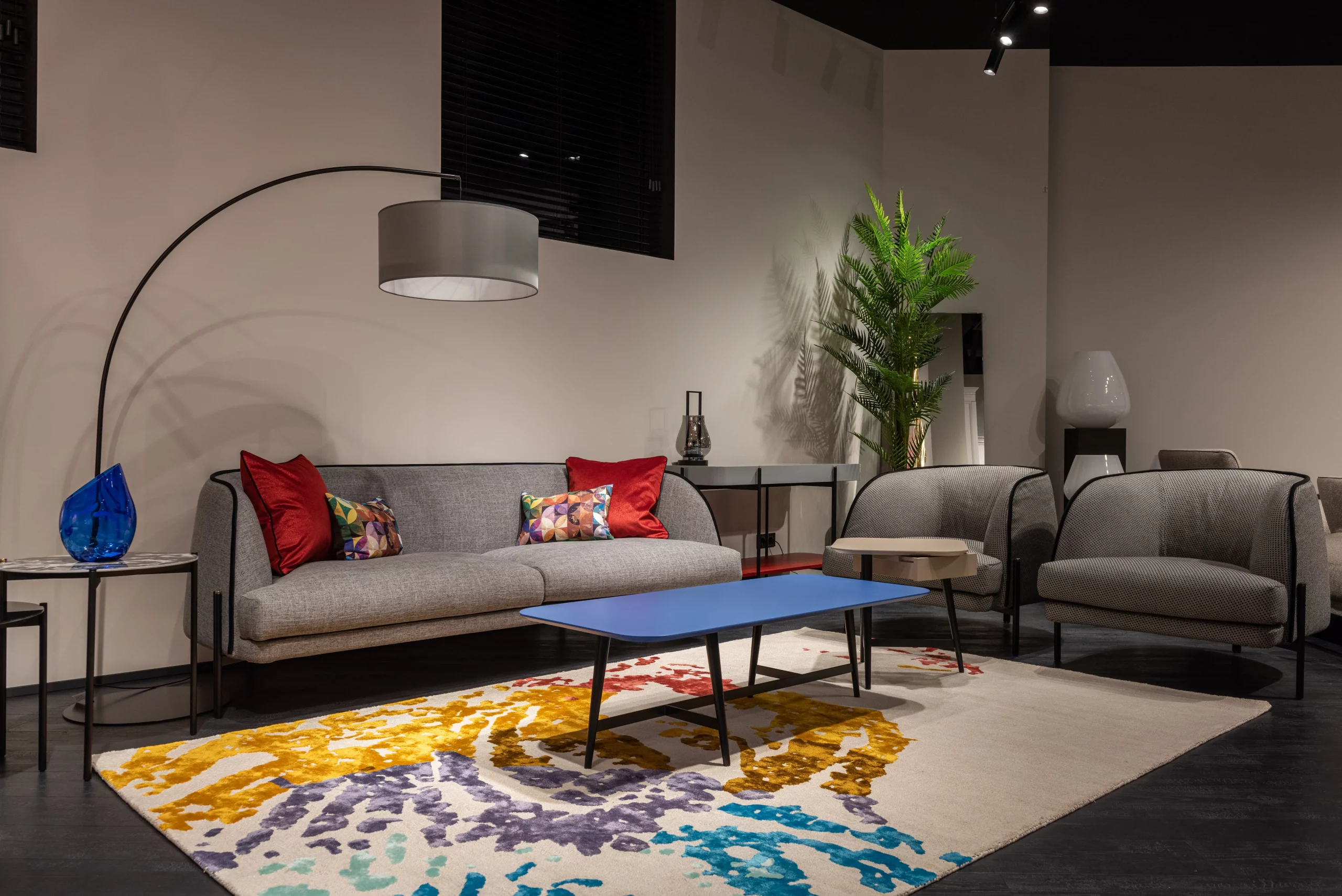
Luxurious Drawing Room Design
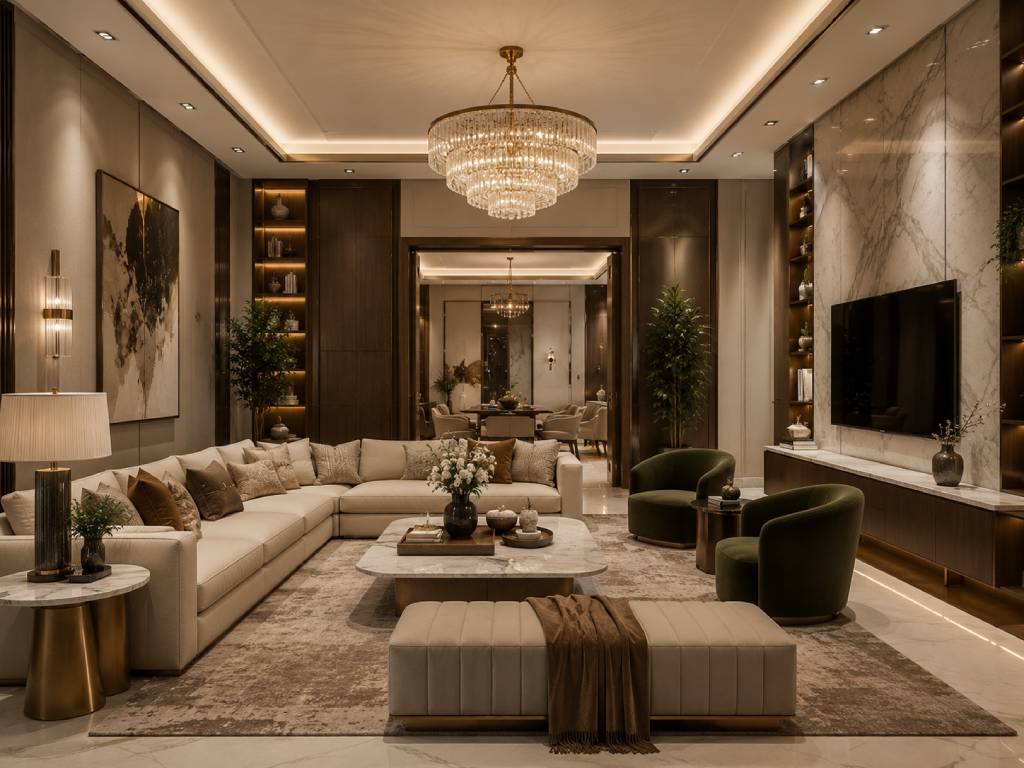
Luxury is rarely defined by the number of expensive objects in a room. The strongest luxury interiors create a sense of ease, where every material, proportion, and lighting decision feels intentional. Nothing appears excessive because every element belongs within the overall composition.
The experience begins before individual furniture pieces are noticed. Soft lighting, balanced layouts, refined craftsmanship, and carefully selected materials work together to shape that first impression.
The room begins to feel luxurious when
- Materials reveal texture instead of excessive shine.
- Lighting changes the atmosphere from morning to evening.
- Furniture is scaled to suit the room instead of simply filling available space.
- Statement pieces have enough surrounding space to stand out naturally.
- Every finish complements the next rather than competing for attention.
Luxury interiors become more memorable through restraint. A beautifully detailed marble coffee table surrounded by balanced custom made luxury furniture usually creates a stronger impression than introducing several statement pieces into the same room.
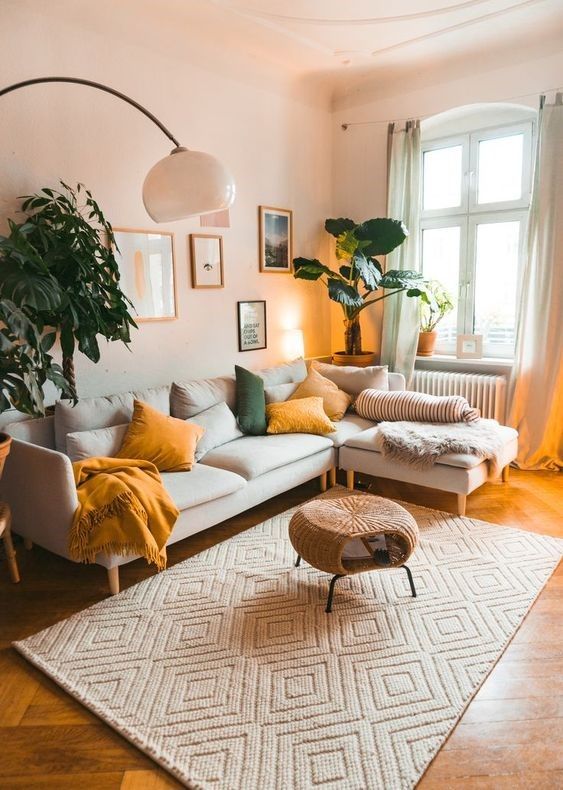
Bohemian Drawing Room Design
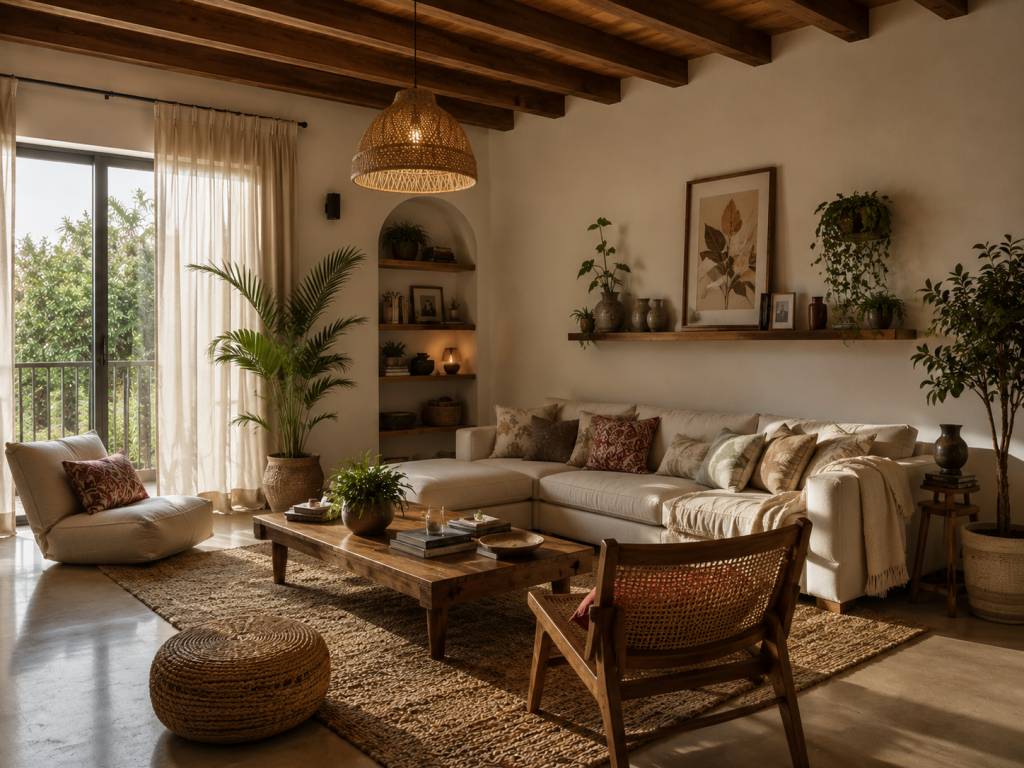
A well designed bohemian drawing room feels collected over time rather than assembled in a single shopping trip. Different textures, colours, artwork, and handcrafted objects tell a personal story while maintaining a relaxed atmosphere that encourages people to linger.
Balance becomes the defining factor. Layering creates richness, but every addition should contribute to the room instead of competing for attention.
Elements that shape this aesthetic
- Layered rugs that define seating areas
- Indoor plants introducing softness and height
- Handcrafted ceramics and collected décor
- Natural fibres such as jute, cane, and rattan
- Artwork reflecting personal interests and travel
- Cushions and throws adding depth through texture rather than bright colours
Pro tip: Bohemian interiors can feel cluttered when every surface is filled. Leaving breathing space between decorative objects allows each piece to stand out and creates a more inviting environment without losing the relaxed character that defines the style.
Common Drawing Room Interior Design Mistakes to Avoid
A well designed drawing room depends on thoughtful planning as much as visual appeal. While materials, furniture, and décor matter, avoiding a few common mistakes can make the space feel more comfortable, balanced, and enjoyable for years to come.
- Following design trends without considering long term appeal
- Overcrowding the room with excessive furniture or décor
- Creating multiple focal points that compete for attention
- Overlooking storage for everyday essentials
- Ignoring natural light while planning the layout
- Treating the drawing room as a display space instead of a lived in environment
How to Design a Drawing Room That Reflects Your Lifestyle
The most memorable drawing rooms reflect the people who use them. Before choosing colours, furniture, or finishes, consider your lifestyle. For complete home projects, Turnkey Interior Solutions help maintain consistency across every space.
Start With How You Use the Space
Think about whether the drawing room is primarily used for entertaining guests, spending time with family, reading, or celebrating special occasions. These habits influence the layout, seating capacity, and furniture selection far more than a design style alone.
Build a Material Palette That Matches Your Lifestyle
Every material ages differently. Homes with children, pets, or frequent visitors may benefit from durable upholstery, easy to maintain surfaces, and finishes that develop character over time instead of showing wear quickly.
Let Your Personality Shape the Details
Artwork, books, collected objects, and handcrafted pieces give a drawing room its individuality. Instead of filling the space with decorative accessories, choose a few meaningful elements that tell your story and complement the overall design.
Discover Your Personal Design Style Before Making Decisions
Choosing between minimalist, contemporary Indian, luxury, or bohemian interiors becomes much easier when you first understand your own preferences. The Design First Style Test helps homeowners identify their design language before planning layouts, materials, or furniture, making every decision more intentional from the beginning.
FAQs
Start with a functional layout, choose a cohesive design style, layer lighting, and use quality materials that reflect your lifestyle instead of following trends.
Consider your lifestyle, architectural style, entertaining needs, and personal preferences before selecting a design style that feels authentic and practical.
Choose well proportioned furniture, maximise natural light, use light colours, and avoid overcrowding to create a brighter, more open visual impression.
Lighting defines the room’s atmosphere, highlights textures and architectural details, and helps the space transition comfortably from daytime activities to evening gatherings.
A successful drawing room combines a functional layout, comfortable seating, balanced lighting, cohesive materials, and carefully selected décor that complements the overall design.
Common mistakes include overcrowding the room, mixing too many styles, ignoring natural light, following short lived trends, and neglecting practical storage solutions.
The best layout creates comfortable conversation areas, clear circulation, and a natural focal point while keeping furniture proportionate to the room’s dimensions.
Luxury comes from balanced proportions, premium materials, layered lighting, bespoke furniture, and craftsmanship rather than excessive décor or expensive accessories.
Warm neutrals such as beige, ivory, taupe, and soft grey provide a versatile foundation, allowing furniture, artwork, and natural materials to stand out beautifully.