In this Article
- Why Greener Interiors Matter Today.
- Environmentally Sustainable Décor: Small Choices, Lasting Change.
- Sustainable Furniture Options For Modern Living.
- Toxin-Free Home Materials For Healthier Interiors.
- Eco Home Improvement Ideas For Everyday Impact.
- Eco-Interior Design Trends Shaping Today’s Homes.
- Green Home Renovation Ideas for Long-Term Sustainability.
- Blending Sustainable Living With Quiet Luxury.
- The Design-Led Approach to Sustainable Interiors.
- The Future Of Greener Living.
Modern homes are evolving. As lifestyles become more conscious and design choices more intentional,
homeowners today are looking for interiors that are as considerate to the planet as they are beautiful to
live in. What was once seen as an alternative approach has now become central to responsible,long-term living.
This shift has made eco-friendly interior solutions an essential part of contemporary design where
aesthetics, comfort and environmental mindfulness coexist with quiet ease.
At its core, sustainable design is not about compromise. It is about clarity. It is about choosing materials,
finishes and spatial ideas that create healthier environments, endure over time and reduce unnecessary
impact. When done thoughtfully, it results in homes that are elevated in both feel and function.
Why Greener Interiors Matter Today.
The materials we live with shape more than our spaces; they influence our health, energy use and environmental footprint. Conventional interior choices often rely on synthetic finishes, chemical-heavy treatments and resource-intensive systems. Over time, these affect indoor air quality and contribute significantly to global waste and emissions.
Integrating sustainability into everyday living begins with thoughtful decisions. And when these decisions align with long-lasting design, the home becomes a space that feels lighter, healthier and far more efficient.
A greener home offers benefits that are immediate and long-term:
- Improved indoor air quality.
- Reduced exposure to harmful chemicals.
- Lower energy and water usage.
- Materials that last longer and age better.
- Higher asset value due to future-ready design.
This is where eco home improvement ideas and deeper green home renovation ideas transform everyday spaces into healthier ones.
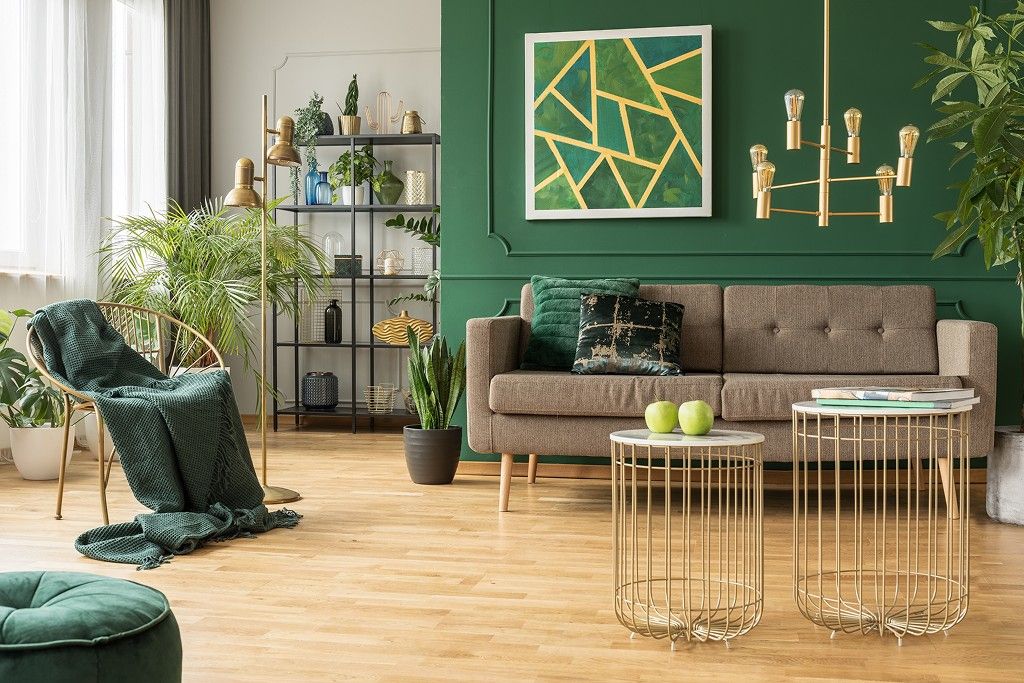
Environmentally Sustainable Décor: Small Choices, Lasting Change.
One of the simplest ways to bring sustainability into a home is through environmentally sustainable
decor. Decor often sets the tone of a space and the right pieces can elevate both its personality and its environmental impact.
Thoughtfully chosen decor includes:
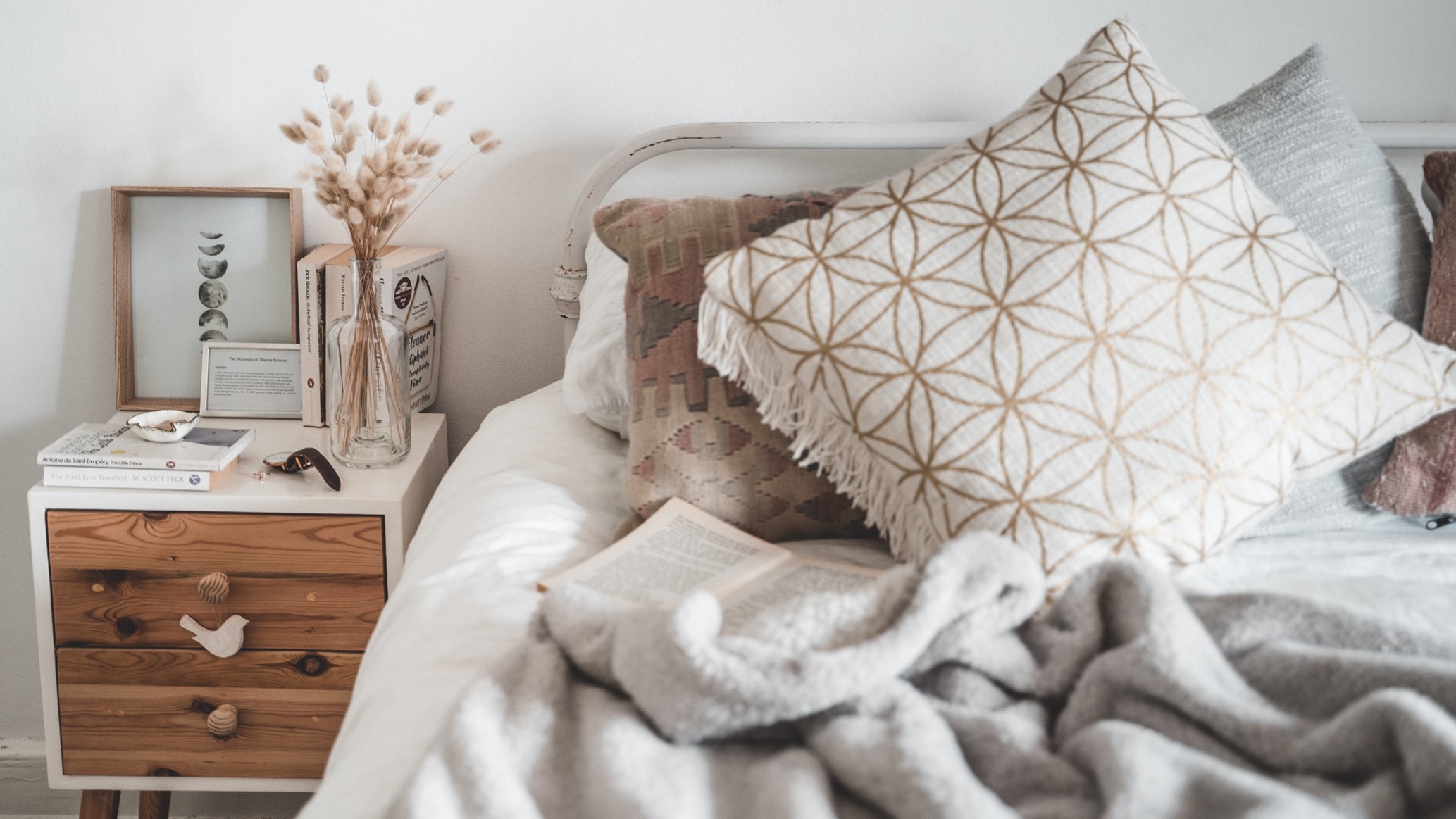
- Handcrafted objects made by local artisans.
- Reclaimed wood accents with natural textures.
- Recycled glass decor and lighting.
- Ceramics, clay and stoneware made through low-impact processes.
These elements introduce warmth and individuality, while reducing the need for mass-produced
accessories. They also shorten supply chains and support craft communities, ensuring that beauty and responsibility coexist.
To further enhance your space, you can also explore how to balance traditional Indian elements in your home.
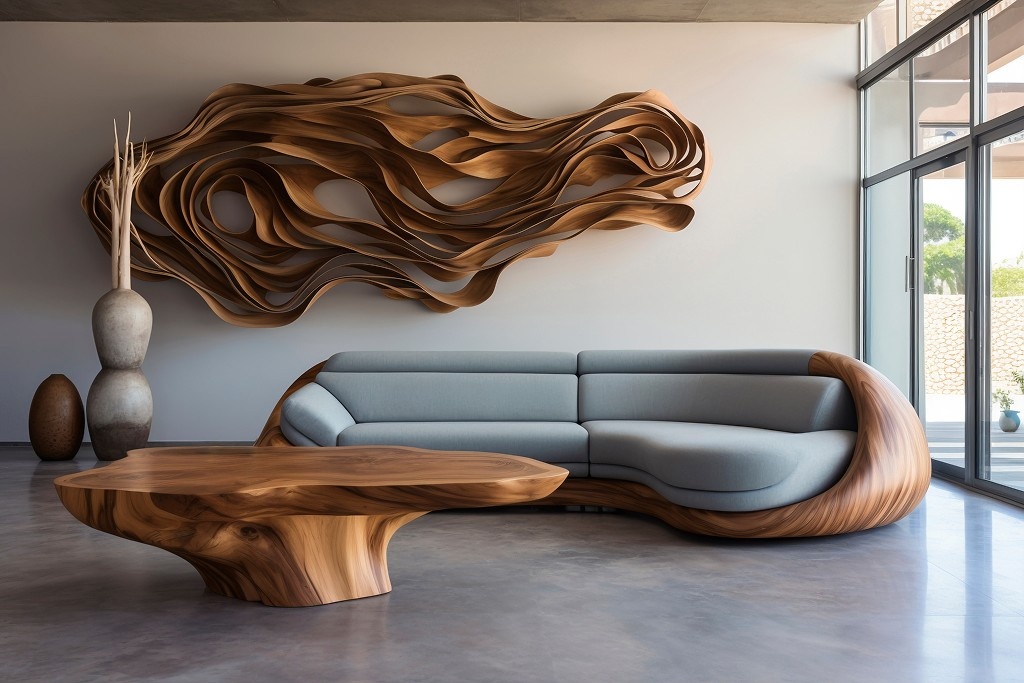
Sustainable Furniture Options For Modern Living.
Furniture is central to daily life. It is touched, used and lived with more than any surface in the home.Choosing sustainable furniture option helps reduce environmental stress without compromising comfort or design.
Sustainable choices often include:
- Solid wood sourced from responsible forests.
- Bamboo, a rapidly renewable resource.
- Recycled metal and repurposed frames.
- Upcycled furniture crafted from older pieces.
These materials offer strength, longevity and low toxicity. They also carry natural grains, authentic textures and timeless proportions that complement premium interior styles.
Unlike many synthetic boards, sustainable furniture:
- Emits fewer toxins.
- Lasts significantly longer.
- Is easier to maintain and repair.
- Ages with character rather than wearing out.
Modern, eco-conscious furniture is proof that sustainability can feel elevated, understated and enduring.
For more inspiration, explore furniture and design patterns that make modern homes stand out.
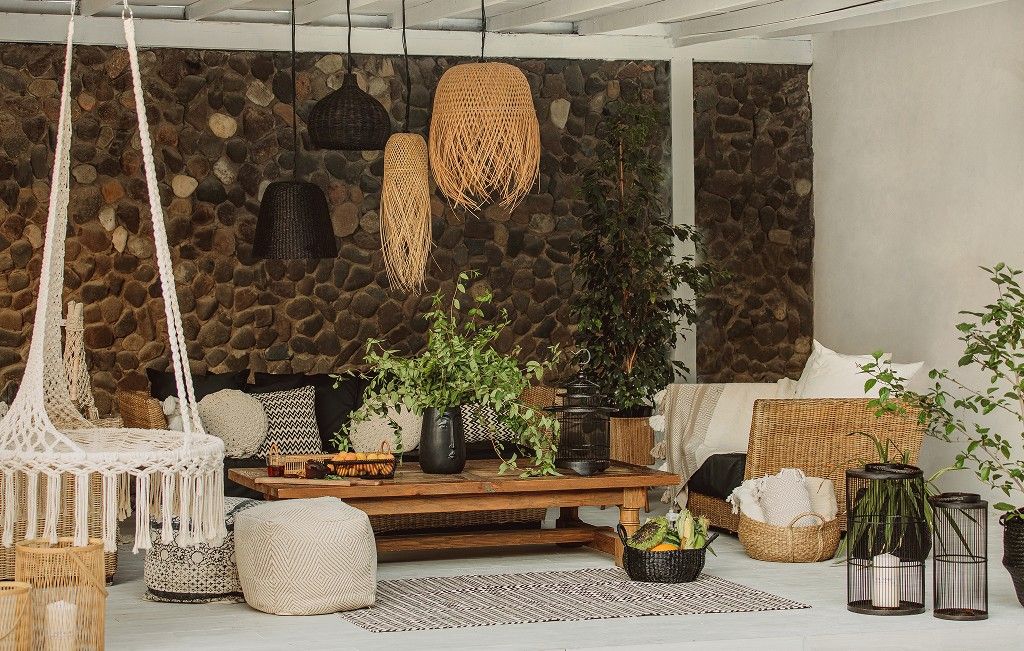
Toxin-Free Home Materials For Healthier Interiors.
Creating a healthy home begins with what goes on your walls, floors and furniture. Many standard
interior materials release volatile organic compounds (VOCs) chemicals that remain in the air long after
installation.
Using toxin-free home materials ensures that the air you breathe stays clean and safe.
Some considered choices include:
- Low-VOC or zero-VOC paints and finishes.
- Natural stone, lime plaster and clay-based wall treatments.
- Solid wood instead of engineered particle boards.
- Organic fabrics such as wool, linen, cotton and jute.
These materials not only make the home healthier but also add tactile richness and natural warmth.
Eco Home Improvement Ideas For Everyday Impact.
Sustainability doesn’t always begin with a full-scale renovation. Many small changes can significantly
improve the home’s environmental performance.
Practical and effective eco home improvement ideas include:
- Switching to LED lighting to reduce energy use.
- Introducing motion-sensor lighting in lesser-used spaces.
- Adding aerators and dual-flush systems to save water.
- Improving natural ventilation through thoughtful window planning.
- Choosing indoor plants for natural air purification.
These decisions are simple, accessible and meaningful, even more so when combined with conscious material choices.
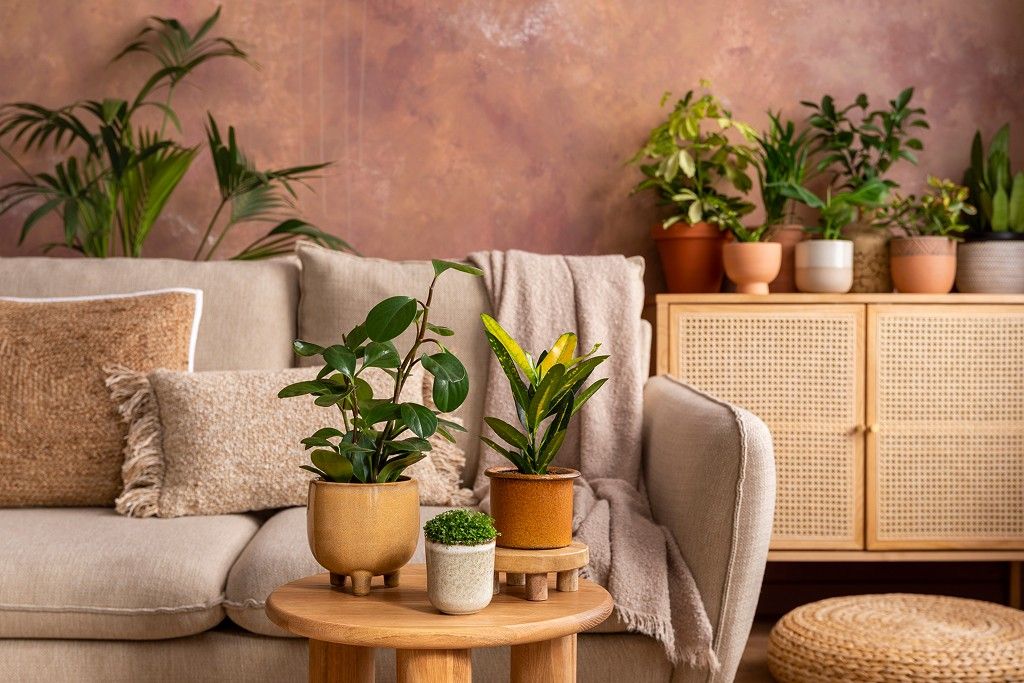
Eco-Interior Design Trends Shaping Today’s Homes.
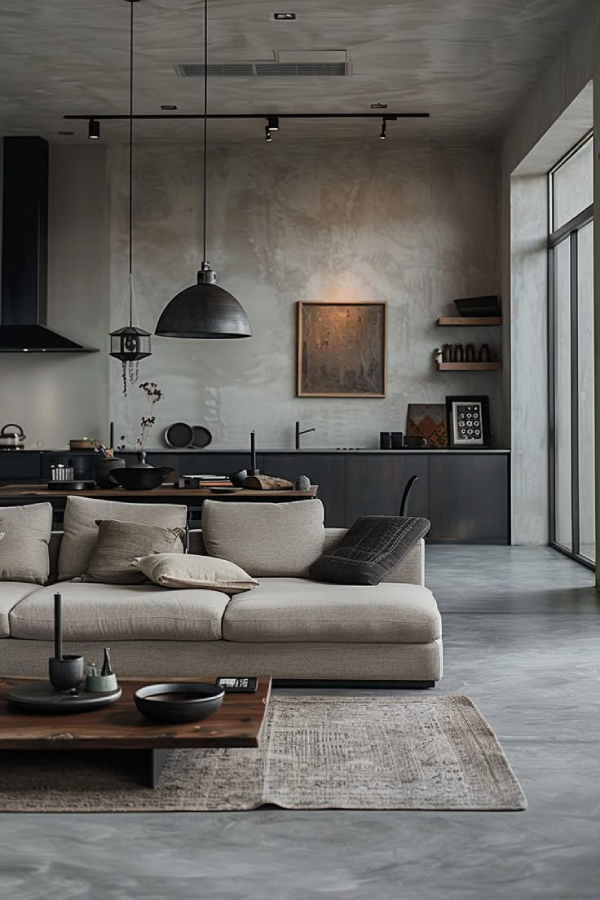
Around the world, design trends are shifting toward spaces that feel calmer, more organic and grounded in nature. These eco-interior design trends move away from excess and toward meaningful simplicity.
Some defining movements include:
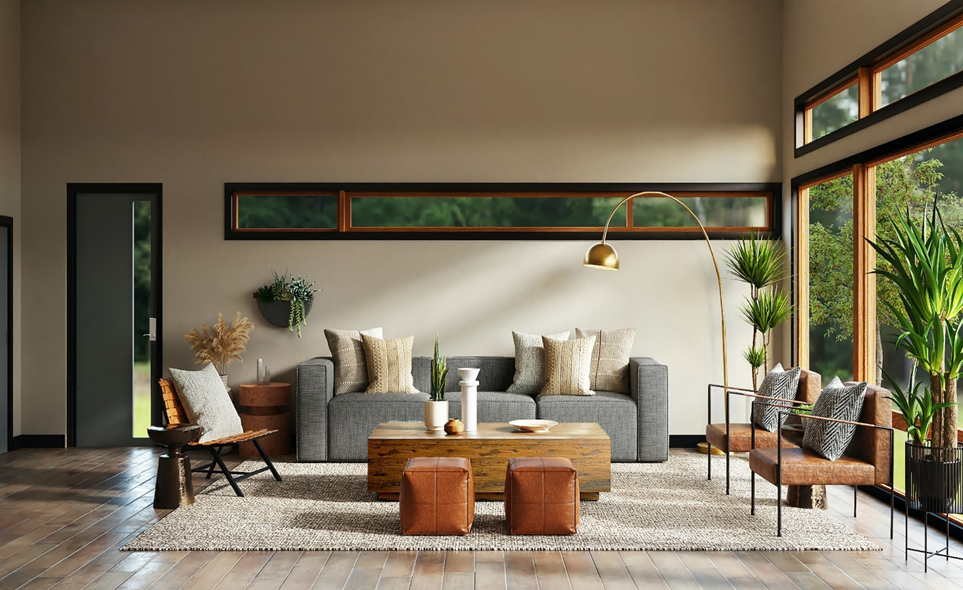
- Biophilic design that blurs boundaries between indoors and outdoors.
- Warm, nature-inspired colours like the beiges, browns, greens and muted neutrals.
- Lime plaster, terrazzo and stone finishes that require minimal treatments.
- Wooden slat ceilings and natural-texture wall panels.
- Layouts that maximise natural light and passive cooling.
These trends enhance both visual comfort and environmental performance, reducing dependence on
artificial lighting and cooling.
Green Home Renovation Ideas for Long-Term Sustainability.
For homes undergoing renovation, choosing green home renovation ideas allows the space to evolve
responsibly.
Some high-impact upgrades include:
- Energy-efficient windows that improve insulation.
- Thermal wall treatments to maintain indoor temperatures.
- Solar water heating systems.
- Rainwater harvesting provisions.
- Eco-modular kitchens with resource-efficient layouts.
- Recycled or reclaimed flooring options.
These improvements reduce long-term energy costs, improve comfort and enhance the value of the
property.
Blending Sustainable Living With Quiet Luxury.
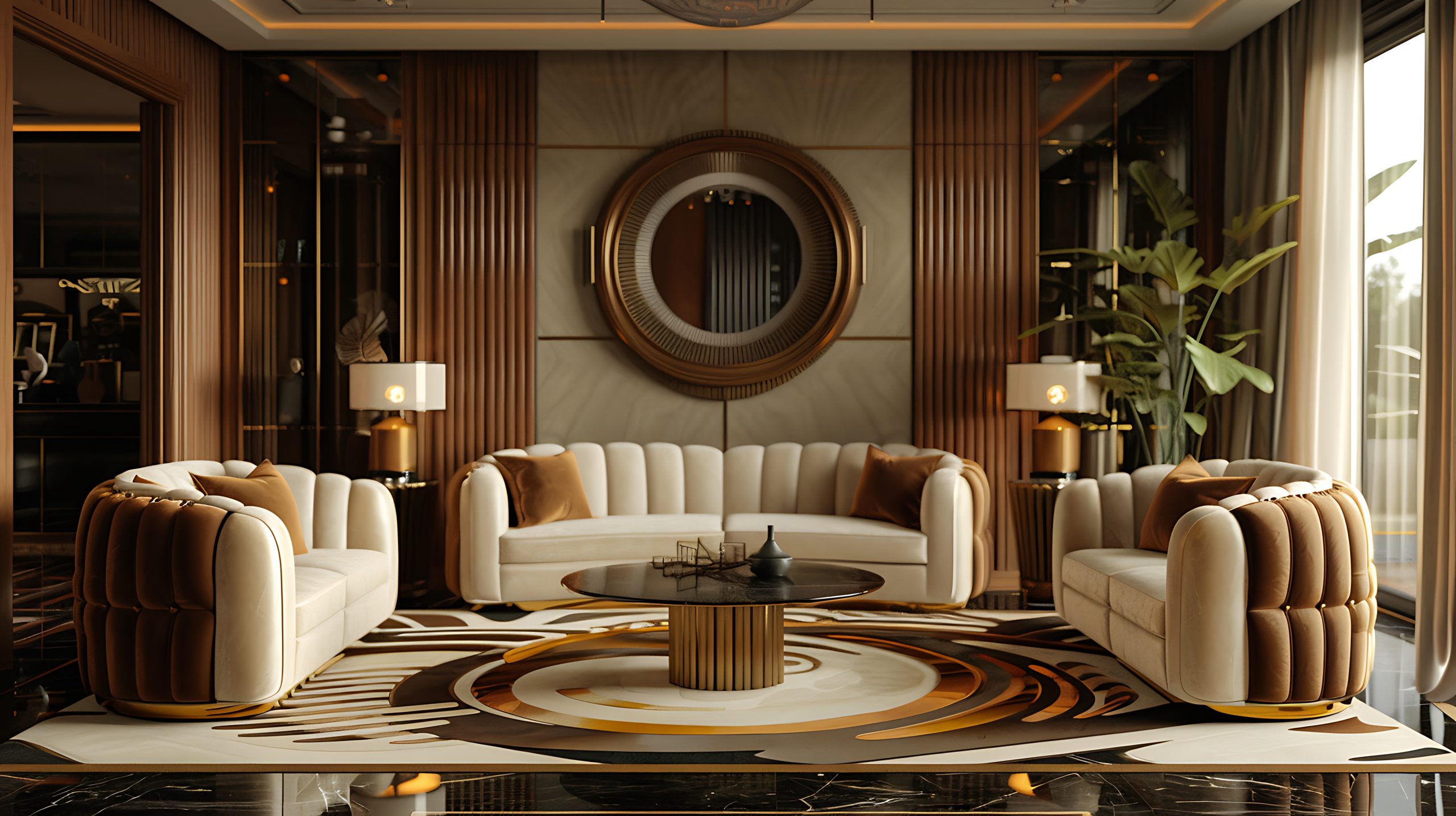
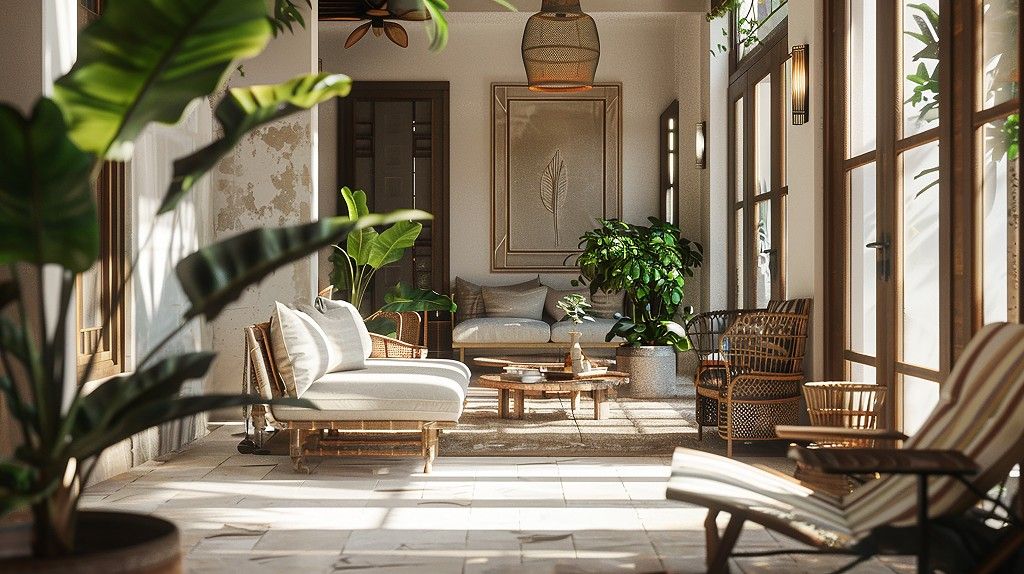
Sustainable interiors today do not feel aged or unfinished. In fact, they often define the new language of
luxury, one where materials are honest, textures are natural and design choices are intentional.
Homes rooted in sustainability exude quiet richness. Natural stone, solid wood, textured fabrics and
minimal finishes bring softness and depth. Handcrafted elements introduce personality, while clean
lines and thoughtful layouts ensure calm, uncluttered living.
Sustainable design is not about doing more, it is about doing just enough, with clarity and purpose.
This way of living and designing connects naturally with minimalist design and its mindful simplicity.
The Design-Led Approach to Sustainable Interiors.
A truly sustainable home starts with design thinking. Beyond materials, a design-first approach focuses
on:
- Efficient space planning that avoids wastage.
- Lighting strategies that reduce dependence on artificial sources.
- Modular systems that adapt as needs evolve.
- Finishes that grow more beautiful over time.
- Craftsmanship that prioritises precision and longevity.
Every decision, be it from layout to lighting to materiality, contributes to a home that feels better to live
in and kinder to the planet.
For more on how thoughtful design shapes living spaces, read about ergonomics and aesthetics in home design.
The Future Of Greener Living.
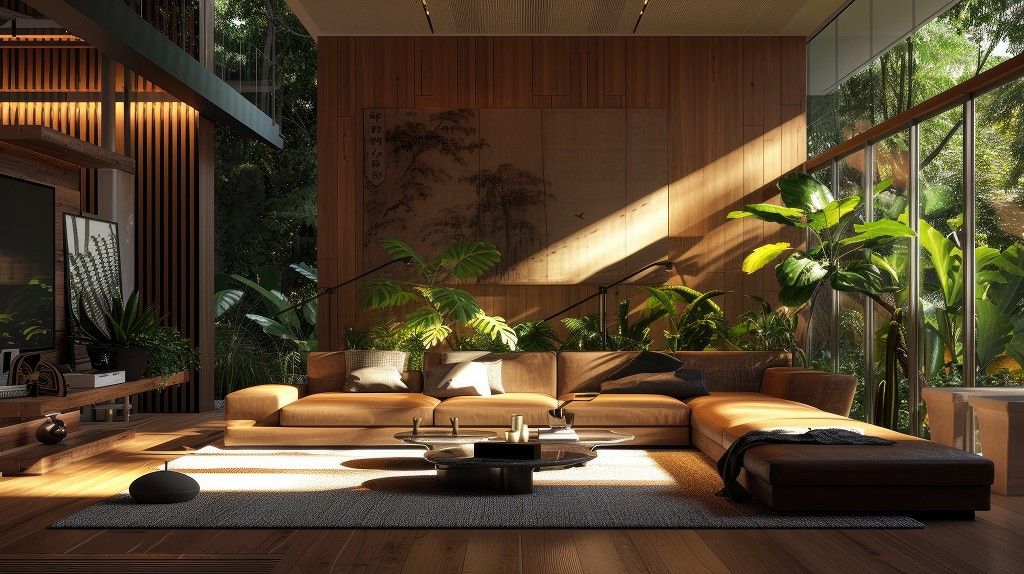
As awareness grows, sustainability is becoming a default expectation rather than an added feature.
Homeowners today seek spaces that not only look good but also nurture well-being, conserve resources
and contribute positively to the environment.
From eco-friendly interior solutions and environmentally sustainable decor to toxin-free home materials, sustainable furniture options, eco home improvement ideas and evolvingeco-interior design trends, the
possibilities are expansive and inspiring.
Sustainable homes do more than protect nature, they improve everyday living. They feel calmer. Lighter.
More balanced. And over time, they become spaces that hold their value, both emotionally and
environmentally.
True sustainability lies in the everyday experience of a home. When decisions are guided by clarity and a
thoughtful use of healthy materials and efficient layouts, the result is a space that feels lighter, calmer,
and more attuned to how you live. This is what Design First believes in: homes that are better for you
and gentler on the environment.