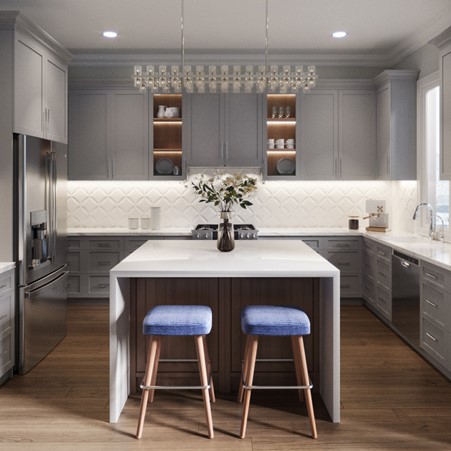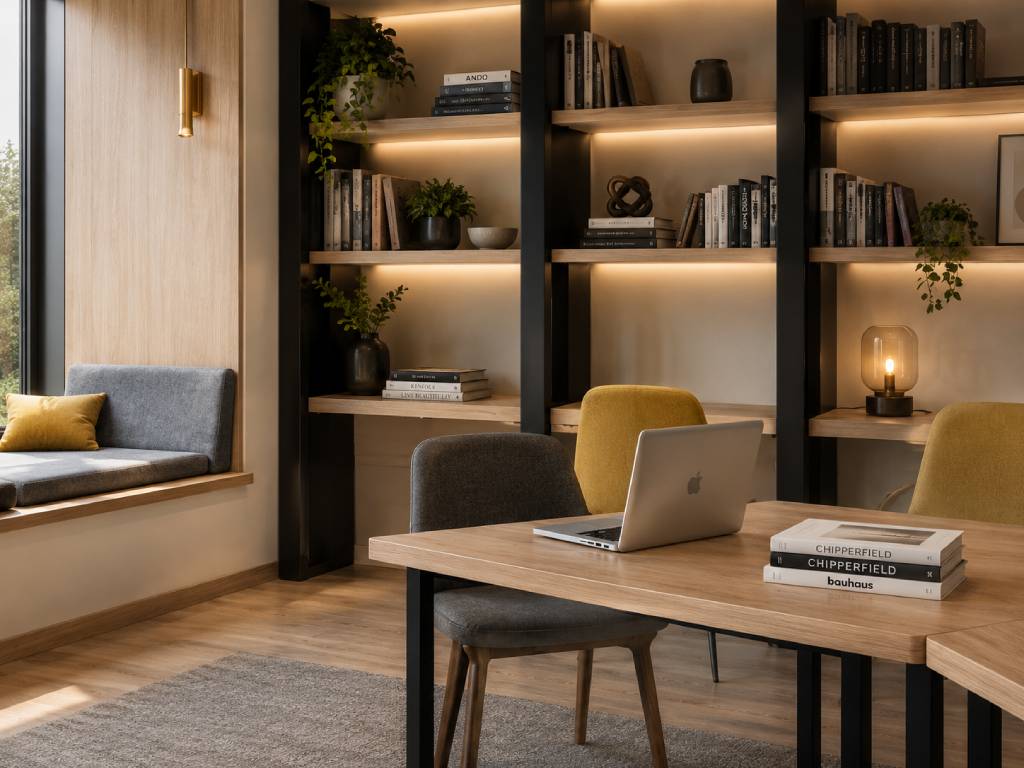
A good renovation starts with how a home is actually used. The kitchen that feels crowded every morning, the bedroom that needs better storage, the living room that must work for family time and guests. These everyday details shape the way a home should be redesigned.
Thoughtful home renovation ideas can improve comfort, storage, lighting, movement and finishes without making the home feel unfamiliar. For many homeowners, renovation is not about changing everything. It is about improving what no longer works.
At Design First, the process begins with understanding your lifestyle, taste and practical needs through the Design First Style Test. From the Design First Experience at Marine Drive to design-to-build execution, every decision is planned around how the home should look, feel and function.
Whether you are planning a full transformation or smaller updates, the right renovation ideas for home can modernize your space with clarity. Even older properties can benefit from practical house makeover ideas and thoughtful renovation ideas for old homes that preserve character while improving comfort.
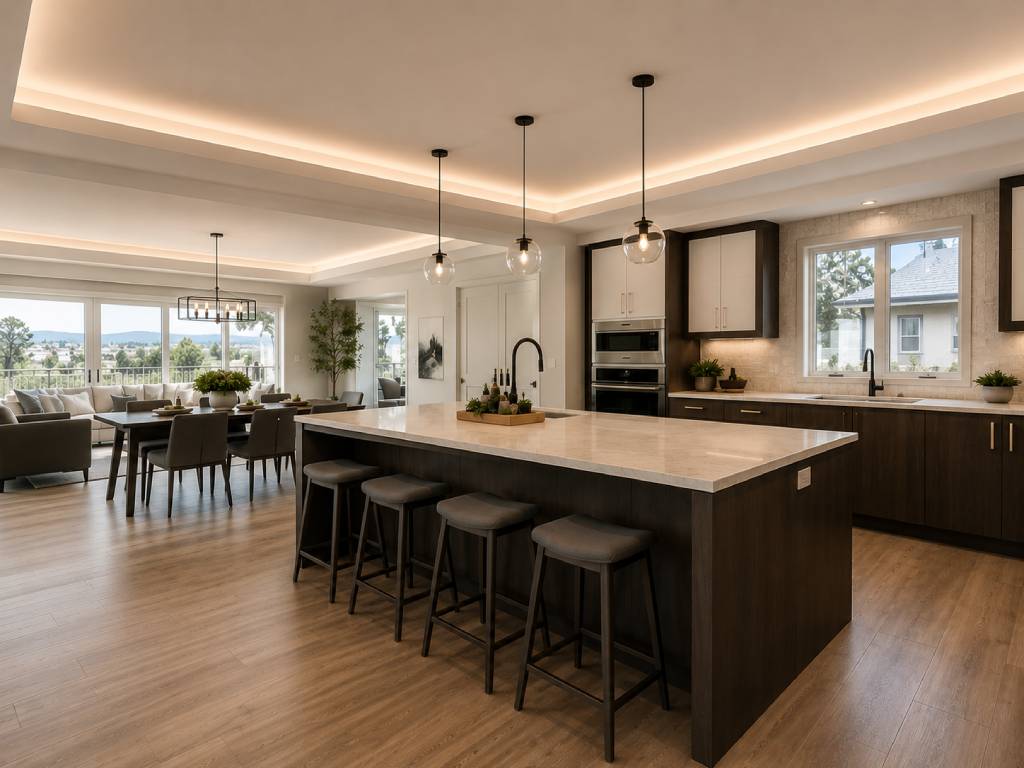
Why Home Renovation Is Worth Considering Today
Modern homes are expected to do more than they did even a few years ago. A living room may serve as a welcoming space for entertaining guests in the evening while also providing a comfortable area for relaxation and family time. A spare bedroom may now double as a work-from-home space. Kitchens are expected to support daily cooking, quick breakfasts, storage, staff movement and entertaining with equal ease.
This is why the most useful home renovation ideas today focus on how the home functions through the day. Better storage, smarter lighting, open-but-defined layouts, improved ventilation, practical wardrobes and discreet smart-home upgrades can make everyday routines feel easier.
In older homes, renovation also helps resolve common issues such as dark corners, disconnected kitchens, limited storage, dated bathrooms and awkward circulation. A well-planned renovation does not have to erase the character of the home. It can preserve what feels familiar while making the space brighter, calmer and more comfortable to live in.
– – – – –
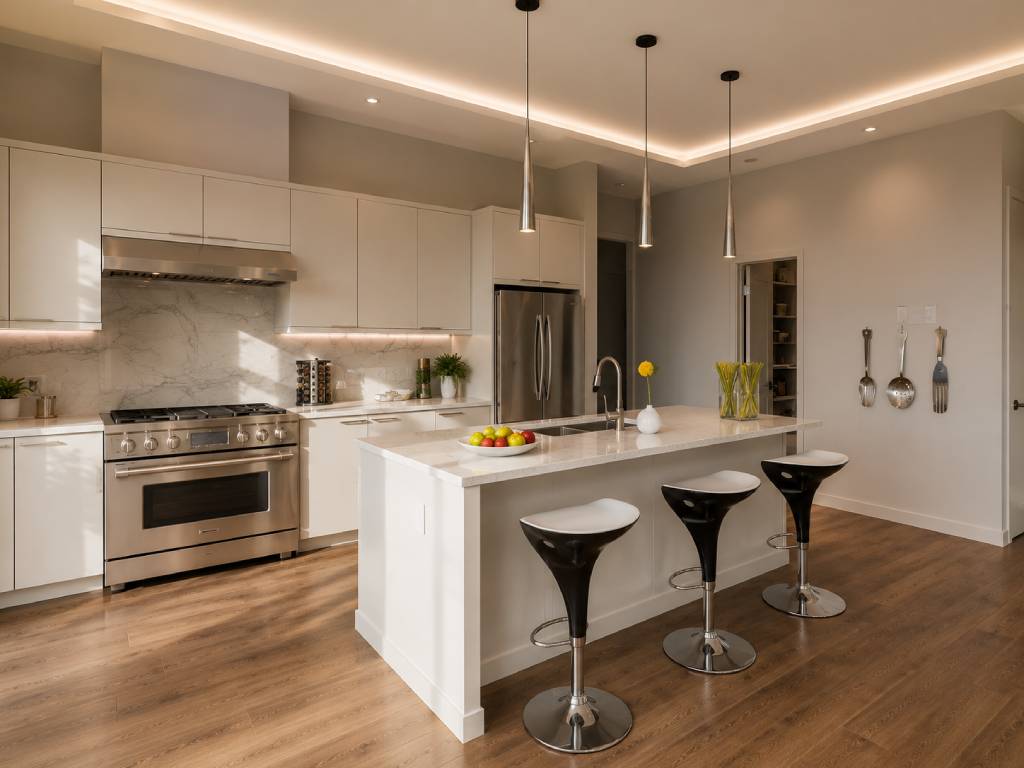
Planning Before Starting a Home Renovation
Before beginning a renovation, it helps to move step by step rather than deciding everything at once.
- Assess what is not working
Look at the rooms you use most. Is the kitchen difficult to move around in? Are wardrobes overflowing? Does the living room feel crowded? Do bathrooms need better ventilation, lighting or senior-friendly comfort? - Define your priorities
Separate must-haves from nice-to-haves. Storage, lighting, bathroom safety, kitchen workflow and privacy usually affect daily life more than purely decorative updates. - Set a realistic budget
Keep room for plumbing, electrical work, flooring, waterproofing, civil changes, furniture, lighting and finishes. These details often shape the final cost more than surface changes alone. - Plan the timeline carefully
Custom furniture, imported finishes, tiles, lighting and on-site work can all affect timelines, so it is better to plan with some flexibility. - Consult a design team early
Working with professionals at the planning stage helps avoid decisions that look good on paper but become difficult to execute on site. With Design First’s design-to-build approach, planning and execution are considered together from the start.
Every homeowner has a unique vision for their space. With custom interior design, renovation becomes more than just upgrading finishes and furniture. It allows every room to reflect your lifestyle, preferences, and personal taste. At Design First, our design process focuses on creating spaces that feel truly personal, helping homeowners discover their signature style through thoughtful planning and design solutions.
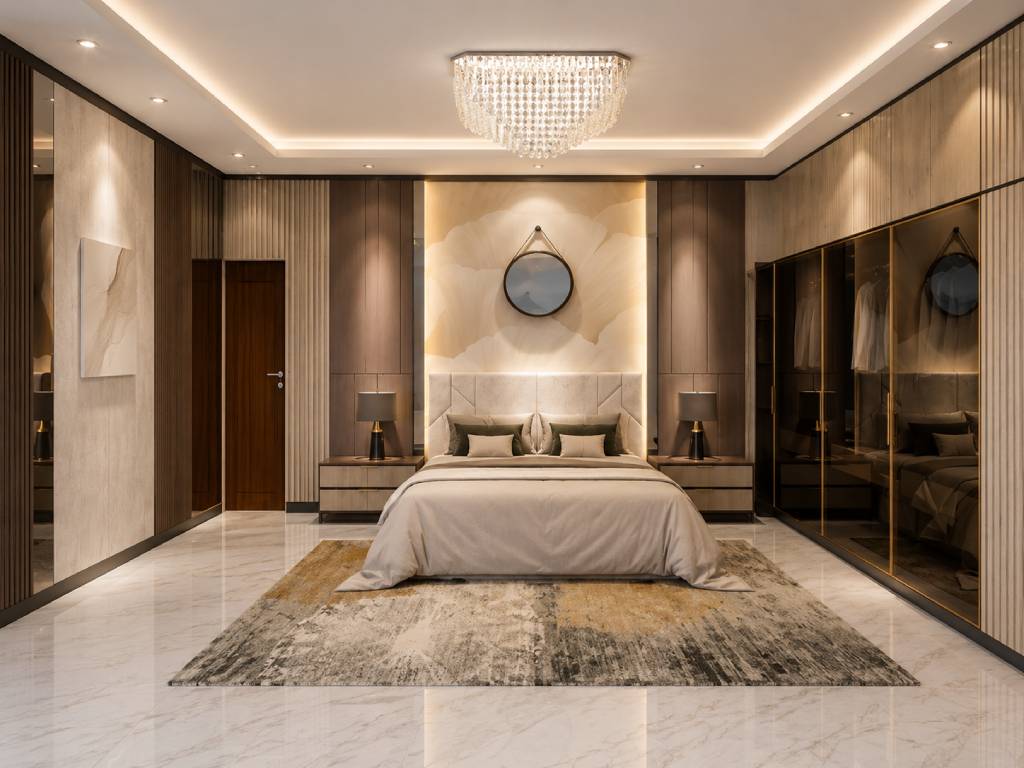
Interior Home Renovation Ideas That Make the Biggest Impact
Not every renovation needs major reconstruction. Some of the strongest home renovation ideas are focused and practical.
Improving layout, adding built-in storage, updating flooring, refreshing walls, changing lighting and planning furniture better can make a home feel renewed.
High-impact renovations in Indian homes include efficient wardrobes, modular kitchens, concealed storage, durable surfaces, enhanced ventilation and tiered lighting. These decisions affect the day-to-day operation of the home.
A successful renovation requires careful coordination between design, materials, execution, and quality control. Choosing end-to-end home interiors ensures that every stage of the project is managed seamlessly, reducing delays and maintaining consistency throughout the renovation journey. From concept development to final handover, turnkey solutions simplify the entire process for homeowners.
Open Layout Transformations
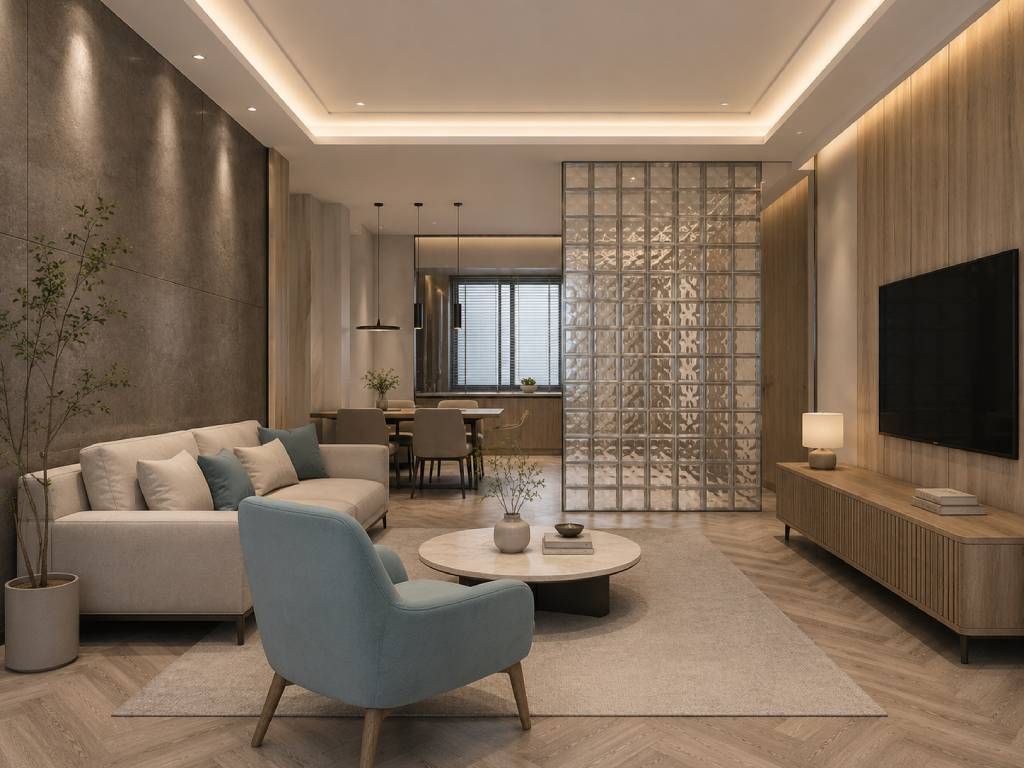
Clear layouts may make a home brighter and more connected, especially when the living, dining and kitchen areas are well arranged. Clearing out superfluous walls can enhance circulation and allow natural light to flow further.
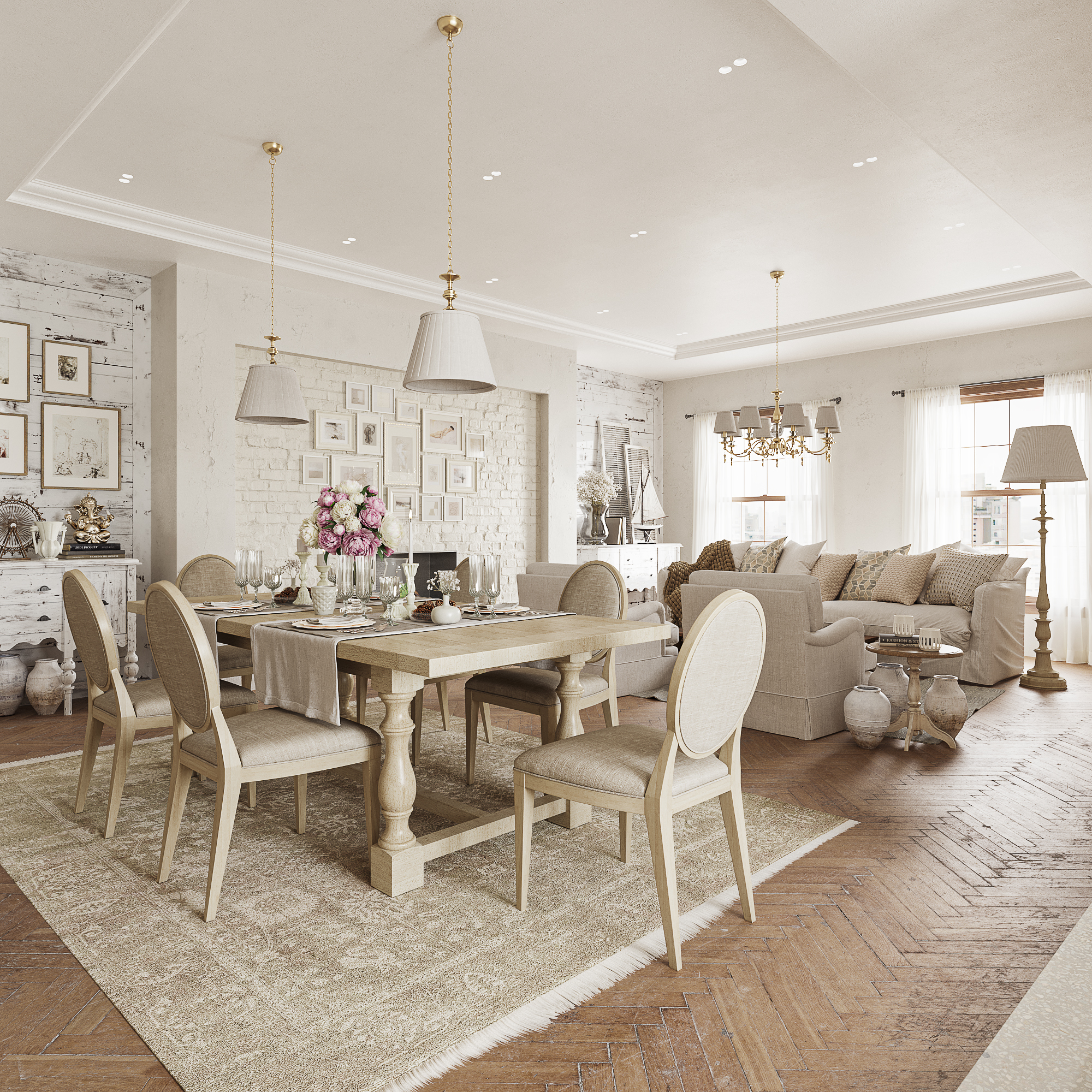
This works effectively in tight apartments where space flow matters. Still, open planning should retain definition. Rugs, lighting, ceiling details and furniture placement can separate zones without closing them off.
For homeowners exploring house makeover ideas, this is one of the most effective ways to create a more spacious feel.
Modern Storage Solutions
Storage is one of the strongest reasons to renovate. When storage is designed well, a home feels calmer immediately.
Built-in wardrobes, modular cabinets, under-bed storage, foyer units, bar storage, study shelving and bathroom niches can reduce clutter without making interiors feel heavy.
Smart renovation ideas for home should consider what the family owns, uses daily and wants hidden from view. Good storage is about access, proportion and finish, not just capacity.
Wall and Flooring Upgrades
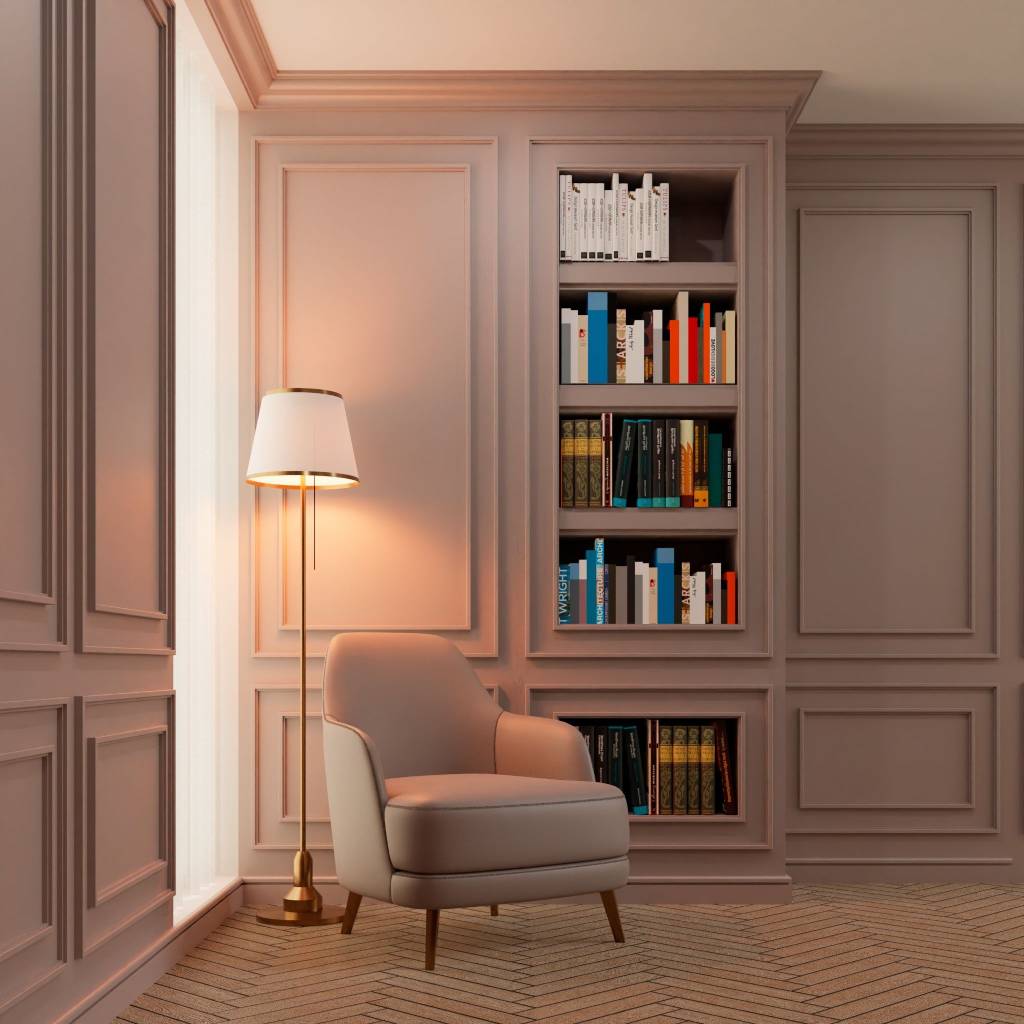
Walls and floors can change the mood of a home quickly. Flooring options such as engineered wood, large-format tiles, natural stone, textured finishes or quality vinyl can add warmth, depth or visual clarity.
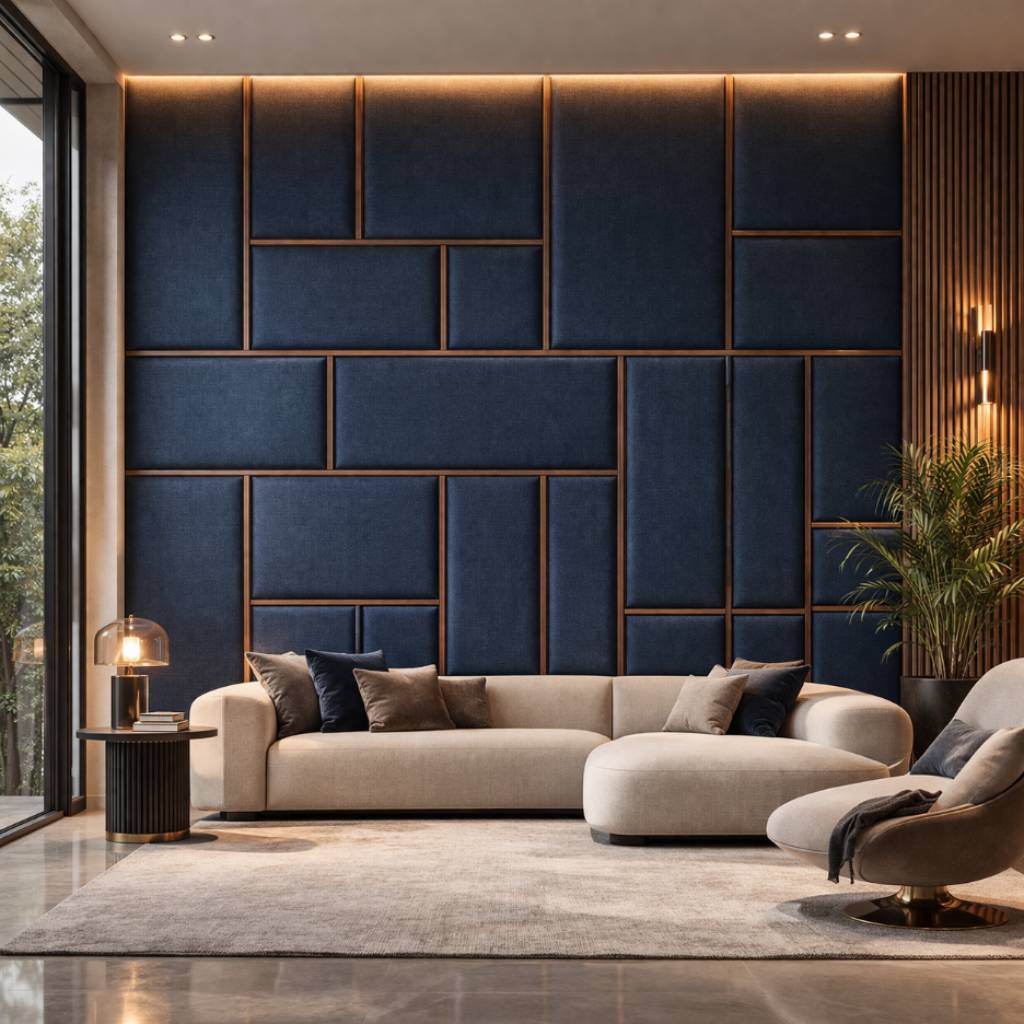
Walls can be refreshed with paint, paneling, wallpaper, mouldings, textured finishes or a single feature wall. In living rooms, bedrooms and foyers, these upgrades add character without overwhelming the space.
For homeowners reviewing home renovation ideas, surface upgrades offer strong visual impact when planned with the right materials.
Renovating a home involves hundreds of decisions regarding layouts, materials, lighting, storage, and aesthetics. An experienced Residential Interior Designer helps homeowners make informed choices while ensuring that the final outcome balances functionality, comfort, and visual appeal. Professional guidance can significantly improve both the design process and the overall result.
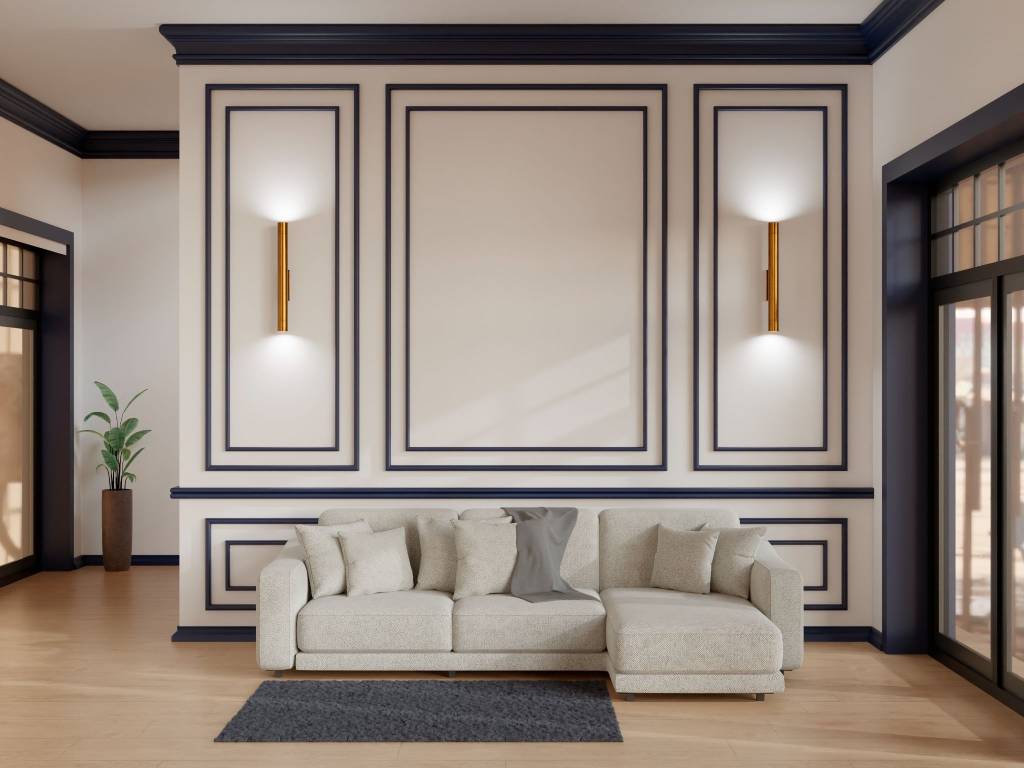
Room Wise Smart Home Renovation Ideas
Each room has a different purpose. A kitchen needs efficiency, a bedroom needs calm, a bathroom needs safety and easy maintenance and a living room needs comfort and flexibility.
Room-wise planning makes renovation more intentional. It also suits Indian homes, where the same space may be used by children, seniors, guests and staff in different ways.
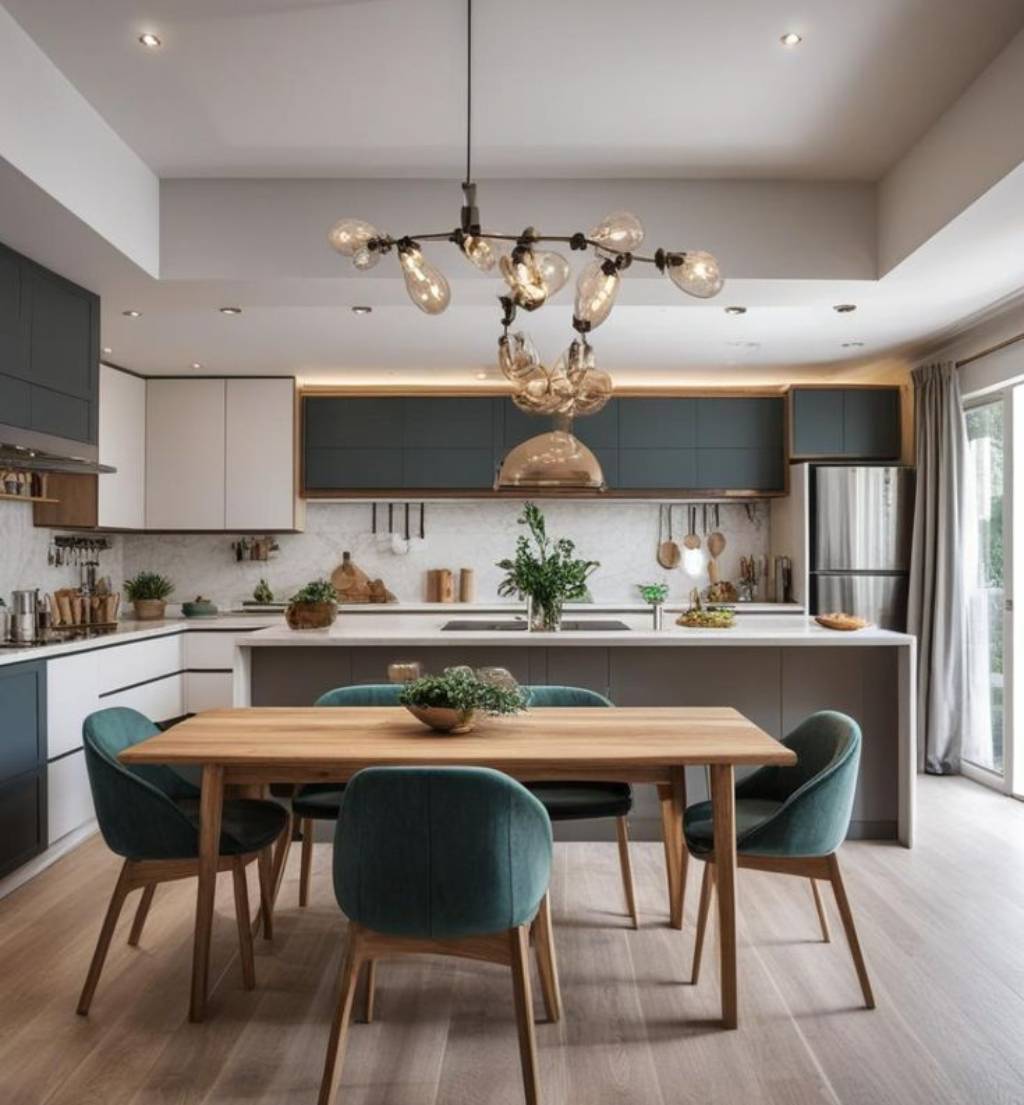
Kitchen and Dining Area Upgrades
Kitchen renovation should begin with workflow. The hob, sink, refrigerator and prep area should feel naturally connected.
Modular storage, durable countertops, task lighting, easy-to-clean backsplashes and well-planned drawers make daily cooking smoother. For families who entertain often, a breakfast counter or dry kitchen can make the space more social.
Dining areas benefit from warmer lighting, proportionate furniture and storage for crockery or serveware.
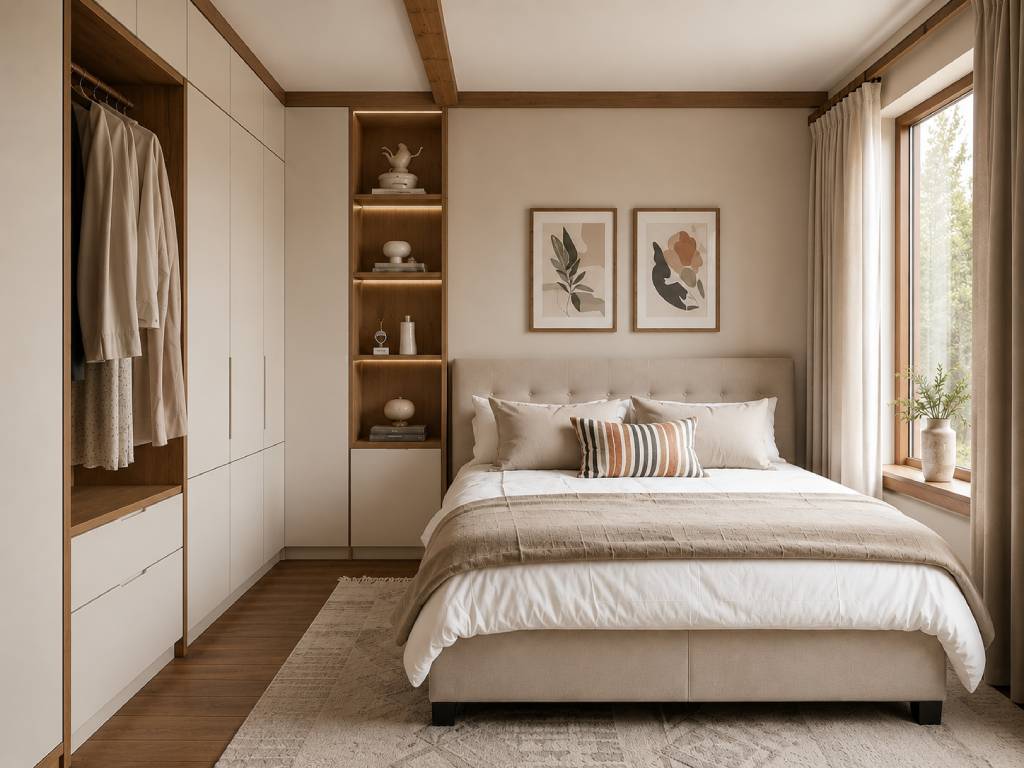
Bedroom Comfort and Storage Renovations
Bedrooms should feel private, restful and organised. Renovation here often focuses on wardrobes, lighting and furniture placement.
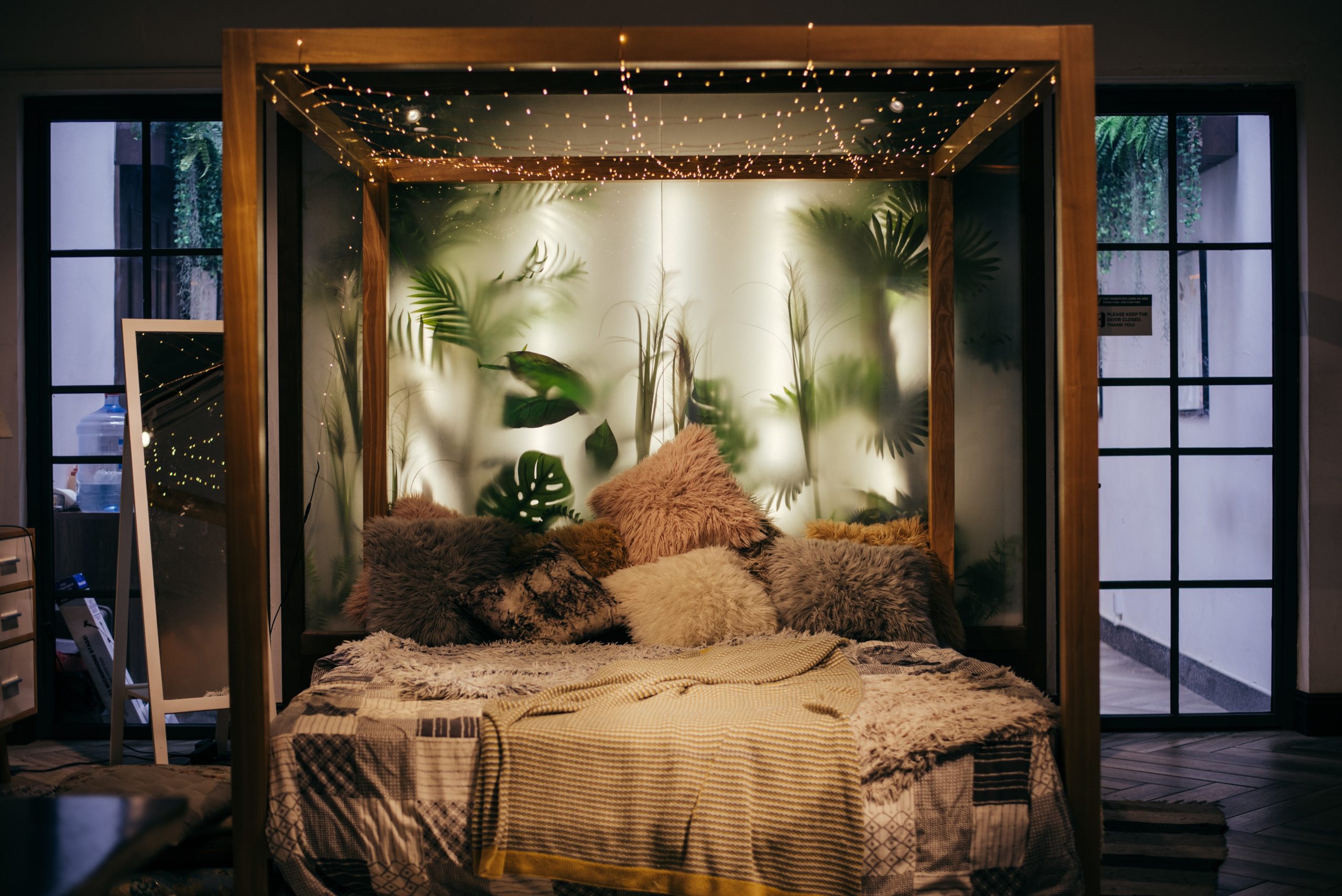
Wardrobes can be redesigned for clothing, accessories, luggage, linen and seasonal storage. Bedside lighting, soft wall finishes, acoustic comfort and better curtain planning can make the room feel more composed.
For renovation ideas for old homes, bedrooms are often a priority because older rooms may have bulky furniture, weak lighting or limited storage.
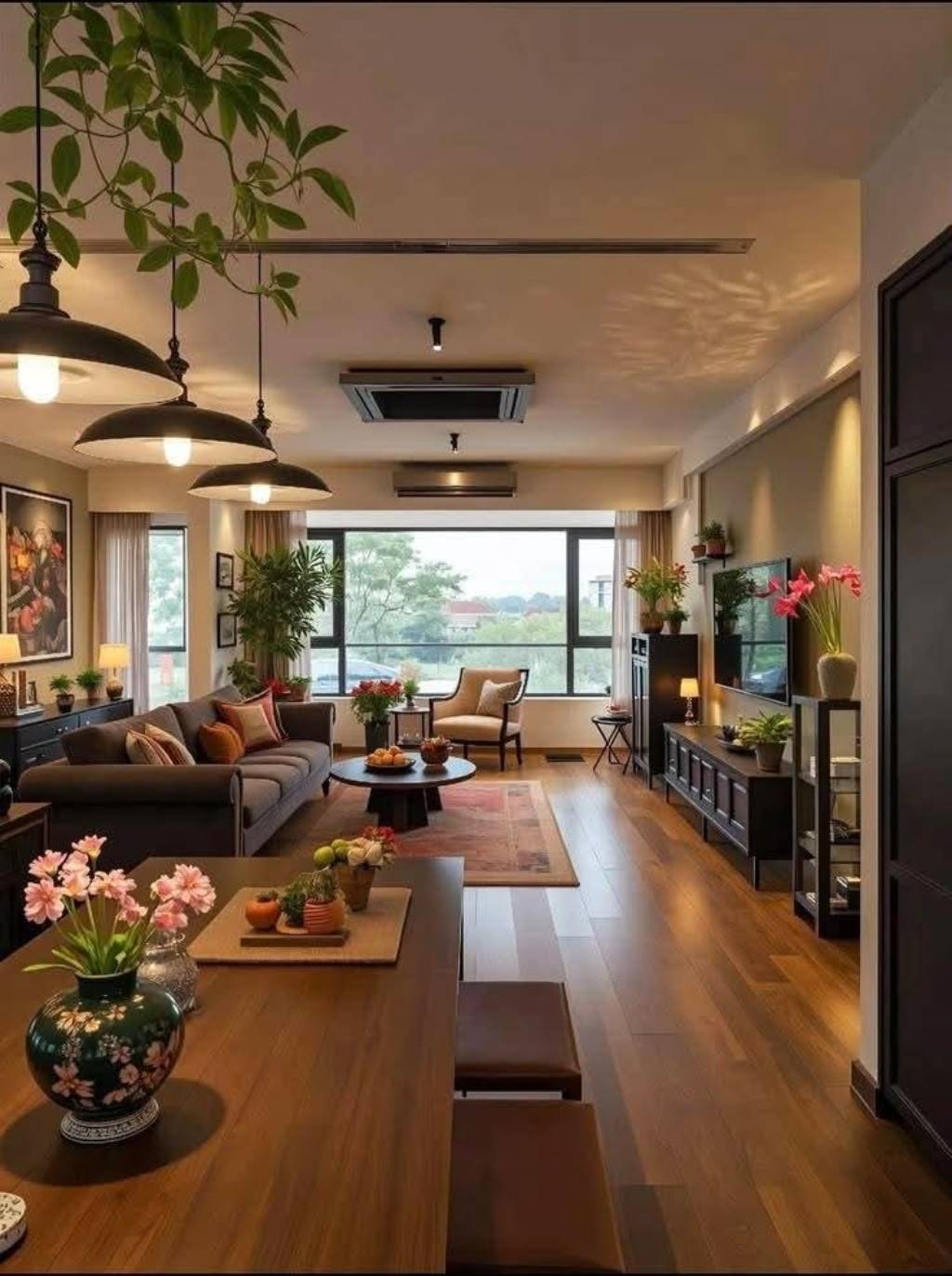
Living Room Layout and Lighting Improvements
The living room welcomes guests, supports family time and often connects to dining areas, balconies or foyers.
Renovation should begin with layout. Seating must allow conversation, clear movement and comfort. Media walls, display shelves, bar corners and storage should feel integrated.
Layered lighting can shift the mood through the day. Accent lighting & concentrated lighting emphasise art, panelling, stone or furniture features. Warm ambient light.
The living room often serves as the heart of the home, making thoughtful planning especially important. Modern Living Room Interior Designing focuses on balancing comfort, aesthetics, and functionality. Elements such as furniture placement, layered lighting, feature walls, and smart storage can transform the living area into a welcoming and versatile space for everyday living and entertaining.
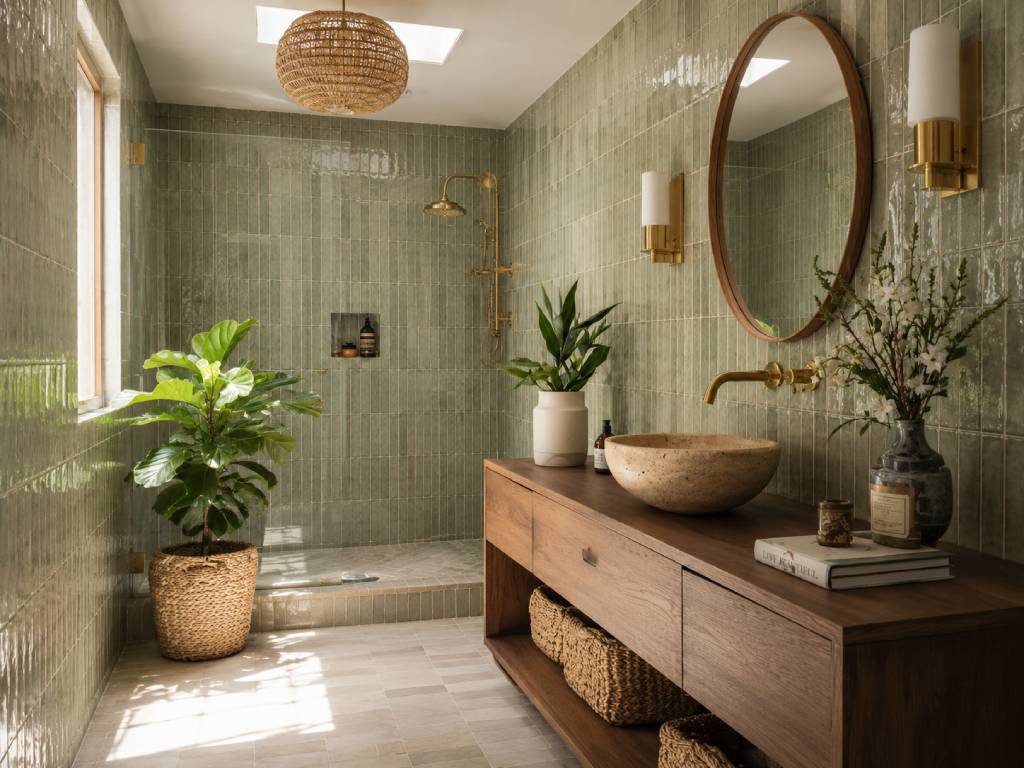
Bathroom Functionality Enhancements
Bathroom renovations need to be safe, comfortable and maintainable. Better ventilation, sensible storage, anti-skid flooring, efficient fixtures and enhanced lighting can make a huge difference.
Thoughtfully selected wall-mounted storage, glass barriers, recessed niches and tiling can add a sophisticated atmosphere to even small bathrooms. In older homes, you should check on plumbing and waterproofing before you do anything aesthetic.
Modern Trends in Home Renovation
Renovation trends are moving towards quieter, longer-lasting design. Homeowners are choosing durable finishes, cleaner layouts, better storage and technology that supports daily life.
Smart lighting, energy-efficient appliances, natural materials, multifunctional rooms, home offices and low-maintenance surfaces remain relevant. The best home renovation ideas are chosen because they suit the home, not just because they are fashionable.
Today’s homeowners seek more than beautiful spaces; they want a complete home interior experience that combines design expertise, personalization, and seamless execution. At Design First, every project is approached with a commitment to delivering an iconic experience where design, craftsmanship, and attention to detail come together to create meaningful living environments.
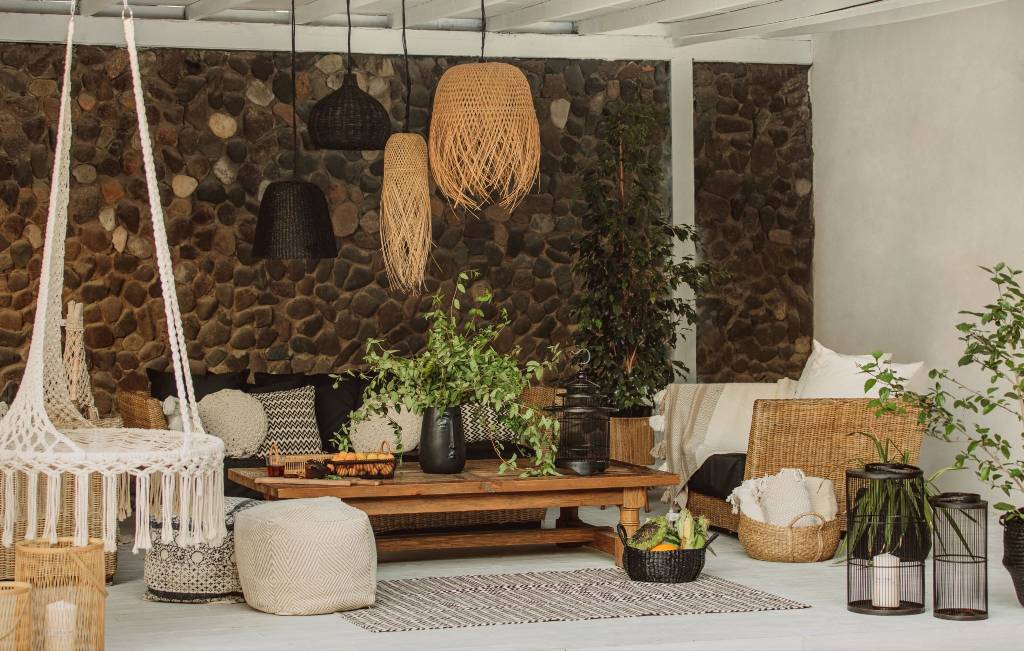
Budget-Friendly Home Renovation Tips
A strong renovation doesn’t always entail redoing everything all at once. When renovating on a budget, it’s preferable to start with the most visible and most used areas.
Paint the walls
A fresh coat of wall paint may make an ageing space look cleaner, brighter and more modern without extensive civil work.
Lighting Improvements
Replace harsh or weak lighting with layers of ceiling lighting, wall lighting, task lighting and accent lighting.
Refurbish old furniture
Instead of rebuilding everything, refinish the wooden parts, reupholster chairs or alter handles and fittings.
Optimise storage
Declutter your everyday life with closet organisers, loft storage, bathroom niches, foyer units or modular shelving.
Replace soft furnishings
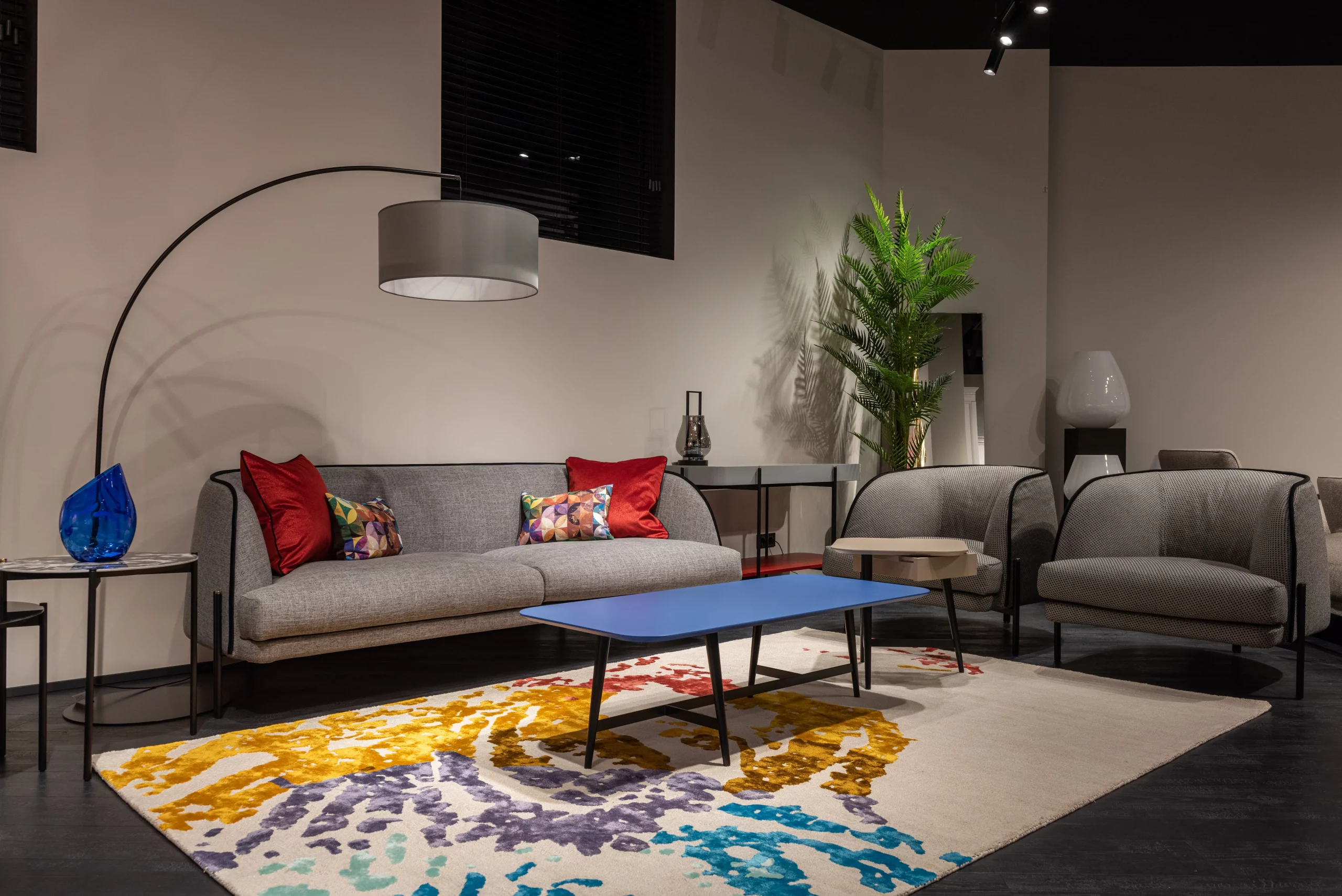
Curtains, cushions, rugs and bedding may easily change the tone of a space, especially if the main furniture is still in good condition.
Focus on kitchens and bathrooms
Small improvements like new cabinet shutters, better fittings, increased ventilation or easier-to-clean surfaces can make daily use more comfortable.
Good house remodelling ideas on a budget should concentrate on adjustments that increase comfort, storage, lighting and upkeep before ornamental updates.
Before beginning a renovation, it is often helpful to explore different Furniture and Design ideas that match your lifestyle and aesthetic preferences. From contemporary furniture styles to emerging design patterns, inspiration can help homeowners make confident decisions and create spaces that feel both stylish and functional.
Common Home Renovation Mistakes to Avoid
Renovation becomes easier when the design and execution are planned together. A few early decisions can prevent delays, rework and daily inconvenience later.
- Starting without a clear budget
A budget should account for visible updates as well as plumbing, electrical work, waterproofing, flooring, labour and finishing details. - Choosing materials only for their look
Finishes should be selected for durability, maintenance and daily use, especially in kitchens, bathrooms, balconies and high-traffic areas. - Ignoring storage needs
Wardrobes, kitchen cabinets, utility storage, bathroom niches and foyer units should be planned around what the family actually uses. - Underestimating timelines
Custom furniture, civil work, lighting, tiles and imported finishes can affect the schedule, so timelines should be realistic from the beginning. - Leaving lighting as an afterthought
Rich finishes can fall flat without the right lighting. Plan ambient, task and accent lighting early, along with switch points and appliance locations. - Forgetting maintenance access
Cleaning access, wardrobe interiors, service points and repair-friendly detailing should be considered before the renovation is complete.
Every successful renovation is built on experience, creativity, and a deep understanding of how people live. The Story of Design First reflects a commitment to delivering thoughtful design solutions that combine innovation, functionality, and craftsmanship. This philosophy continues to guide every project, helping homeowners transform their spaces with confidence.
FAQ
Yes. Small homes benefit from better layouts, built-in storage, multifunctional furniture and lighter finishes. Even simple lighting or wardrobe changes can make compact rooms feel more open.
Renovation enhances functionality by altering layouts, increasing storage space, boosting lighting and selecting materials that are easier to maintain. It may make kitchens easier to use, bedrooms tidier, baths safer and living rooms more adaptable to family routines and guests. Comfort is enhanced when movement, ventilation, privacy, placement of furniture and everyday access are arranged to fit the way the home is really used.
Start by identifying what is not working in your current home. Look at storage, lighting, layout, comfort, ventilation and maintenance. Then set a realistic budget and consult a design team before major decisions.
Modern renovations improve movement, reduce clutter and create more purposeful rooms. Smart storage, better kitchen layouts, multifunctional furniture and efficient lighting make daily living smoother.
Consider lifestyle, budget, room usage, material durability, storage needs, timelines and future maintenance. Also think about children, seniors, guests and staff so the design works for everyone.
In older homes, begin with structure, plumbing, electrical systems, waterproofing and ventilation. Once these are checked, move to layouts, flooring, lighting, storage and finishes. Practical renovation ideas for old homes should support safety and comfort first.