In this Article
- The Design Mindset Behind Minimalism
- Decluttering As The Real Starting Point
- Simple Decor That Doesn’t Add Noise
- Organisation That Makes Minimalism Sustainable
- Layout Is The Quiet Luxury Of Minimal Homes
- Creating A Minimal Living Space Without Feeling Cold
- Minimalist Bedroom Ideas For Deeper Rest
- Materials That Make Minimalism Feel Premium
- Lighting: The Difference Between Flat And Beautiful
- Minimalism In Compact Homes
- Design First: Minimalism As Thoughtful Living
In a world that rarely slows down, the home is expected to do more than shelter. It must restore. It must quieten the mind. It must make everyday living feel lighter. That is why minimalist interior styling continues to resonate so strongly, not as a trend, but as a way of designing for clarity.
Minimalism is often misunderstood as empty or sparse. In reality, it is a disciplined form of comfort. It is the art of removing what distracts, so what remains can breathe. When done well, a minimalist home doesn’t feel “less.” It feels complete. Calm, organised and intentionally lived in.
This guide brings minimalism down to what matters: layout, storage, materials and routines that support a clutter-free home, day after day.
The Design Mindset Behind Minimalism
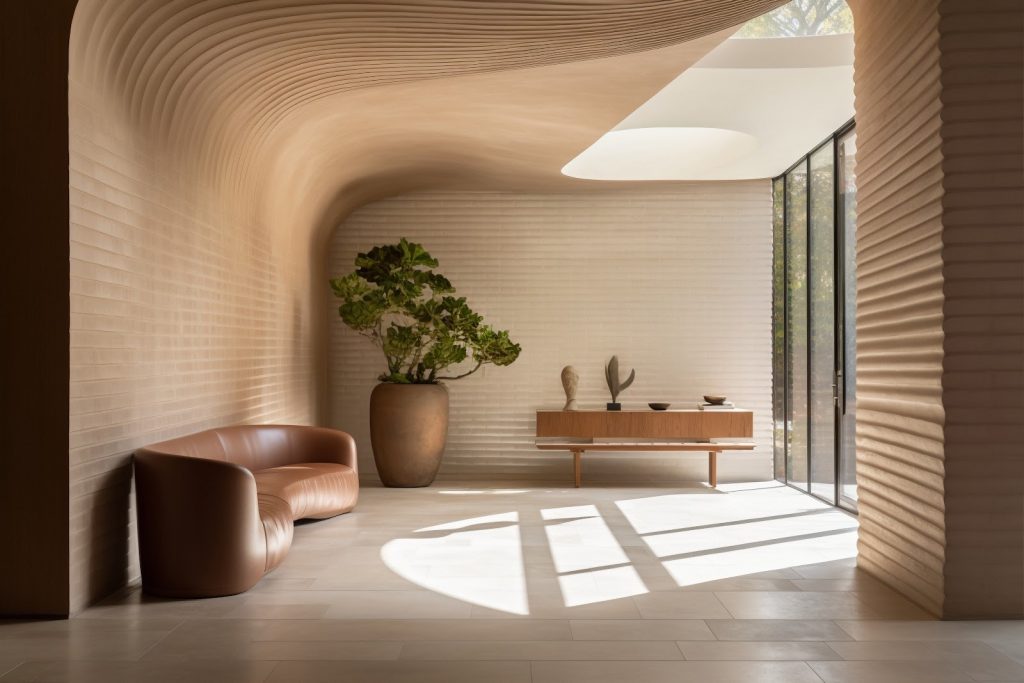
Minimalism begins before furniture or decor. It begins with a simple question: What does this home need to support the people who live here? A considered approach focuses on flow, function and the emotional tone of a space. The goal is not to strip away personality but to edit distractions.
A home that follows clean aesthetic interiors principles typically shares a few consistent choices:
- Clear sightlines and open visual flow
- A limited material palette that feels cohesive
- Storage that stays discreet
- Furniture with purpose, not excess
- Open spaces that allow rooms to breathe
Minimalism is not about perfection. It is about ease.
If you enjoy expressive and layered aesthetics alongside simplicity, you may also explore how bohemian interior design creates soulful yet balanced interiors
Decluttering As The Real Starting Point
A truly calm home cannot be built over chaos. The foundation is a decluttered home design. Not simply organising existing clutter but deciding what deserves space in your life.
Decluttering, in a design sense, means:
- Reducing duplicates
- Releasing “just in case” storage
- Editing surfaces and display zones
- Defining what must remain visible vs. what must disappear
A decluttered home rewards you instantly: movement feels easier, cleaning is quicker and the mind feels less overstimulated. It also makes your design choices stronger because the architecture and materials get to speak.
Simple Decor That Doesn’t Add Noise
Minimalism is not bare. It is selective. The right home decor ideas bring warmth without turning into visual clutter.
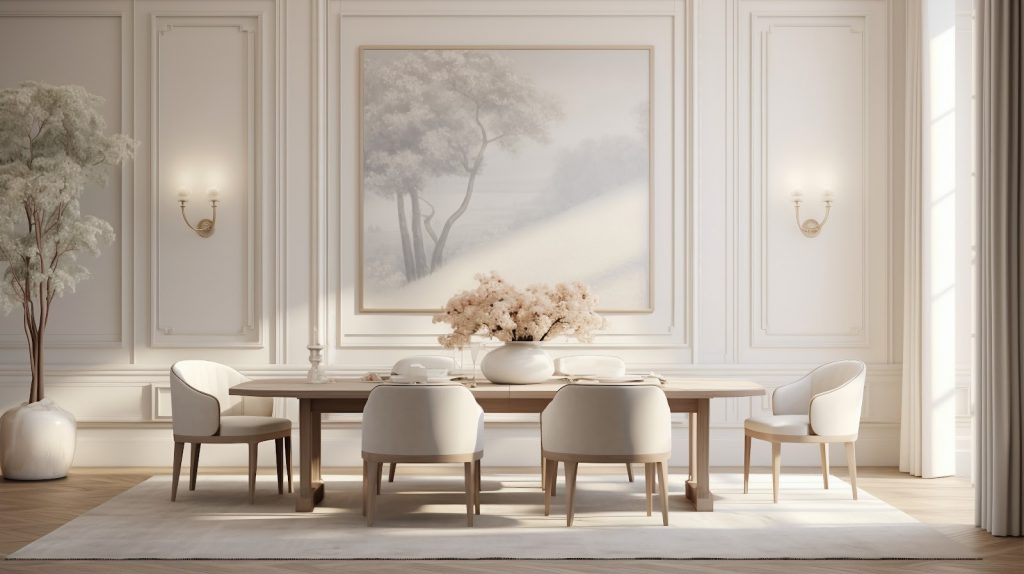
If you are leaning towards simple home decor ideas, then think in terms of impact-per-piece:
- One artwork that anchors the wall, rather than many small frames
- A sculptural lamp that defines mood, rather than multiple showpieces
- A textured rug that softens the room, rather than layered patterns
- Soft curtains that filter light, rather than heavy drapes
Minimal decor works best when it feels intentional and not decorative for the sake of it. The home should feel styled but never busy.
If you prefer conscious living with simplicity, discover how eco friendly interior design blends sustainability with minimal aesthetics
Organisation That Makes Minimalism Sustainable
The most beautiful minimalist space fails if it cannot be maintained. This is where minimal home organisation tips become essential. Not rigid rules but systems that support daily life.
A few practical strategies that truly work:
- Keep counters clear: appliances and daily clutter should have a closed home
- Use zones: one drawer for charging, one cabinet for stationery, one shelf for daily items
- Prioritise closed storage over open shelves (open shelving requires constant editing)
- Use the “one in, one out” approach for purchases
- Build a daily reset ritual: 10 minutes at night to return items to their place
Minimalism lasts when your home supports your habits and routines without you having to shuffle much or at all.
Layout Is The Quiet Luxury Of Minimal Homes
Minimalism becomes powerful when the space moves well. A functional minimalist layout reduces unnecessary movement and visual interruptions. It keeps circulation paths clean and makes each area feel defined without walls.
A good minimalist layout typically includes:
- Uncluttered entry points
- Clear walkways between furniture
- Fewer, better pieces but scaled correctly
- Purpose-led zoning (so the room doesn’t feel like everything is happening everywhere)
When the layout is right, the home feels larger, even if the square footage hasn’t changed.
For practical layouts in functional spaces, explore modern kitchen solutions in our interior design guide
Creating A Minimal Living Space Without Feeling Cold
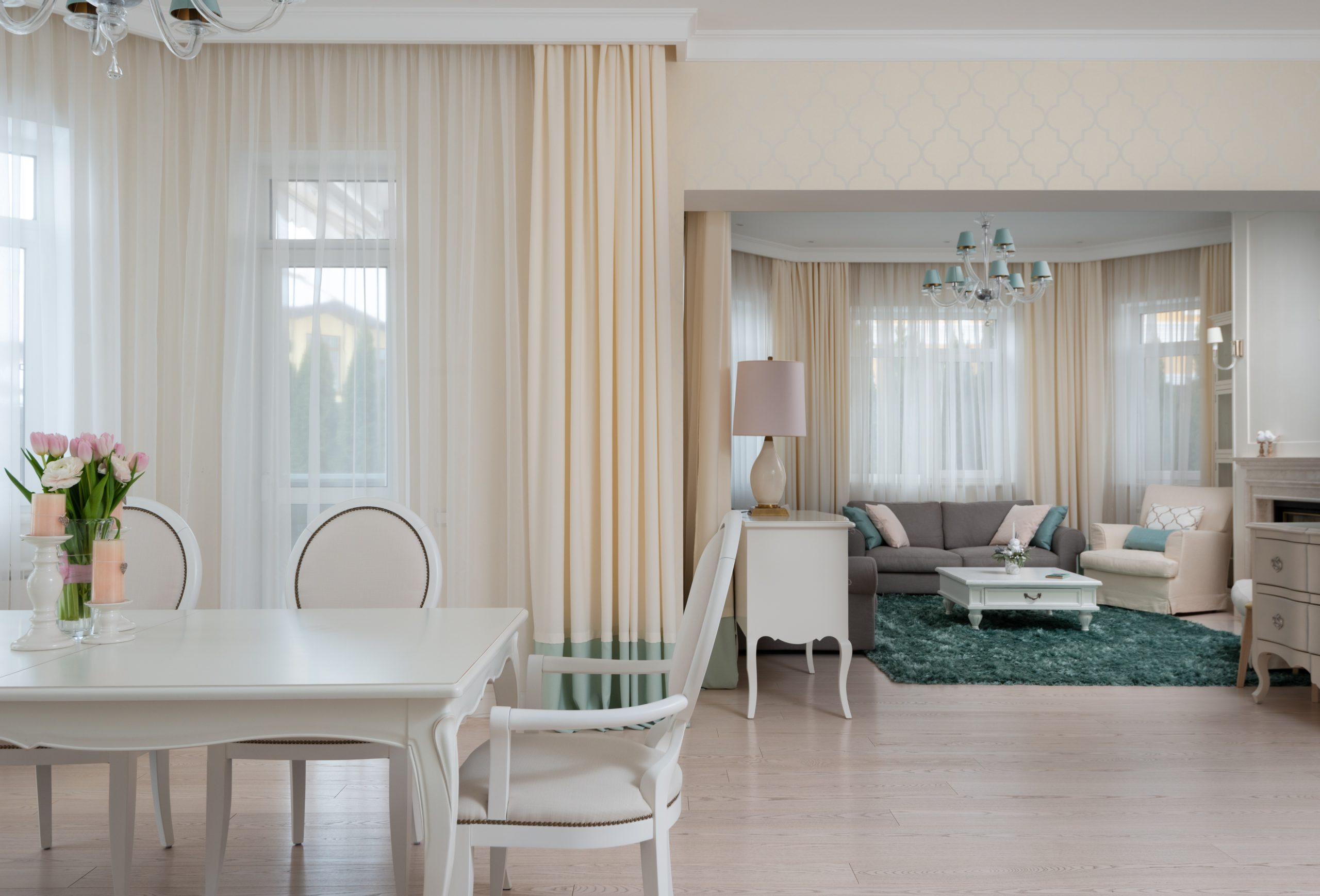
Many people fear minimalism will feel sterile. It doesn’t have to. Warmth comes from texture, lighting and materials, not from excess decor.
This is where clean aesthetic interiors need softness:
- Linen upholstery, wool rugs, tactile cushions
- Natural wood tones that balance neutral palettes
- Matte finishes that reduce glare
- Layered lighting that creates depth
The goal is a home that feels quiet, not clinical.
Minimalist Bedroom Ideas For Deeper Rest
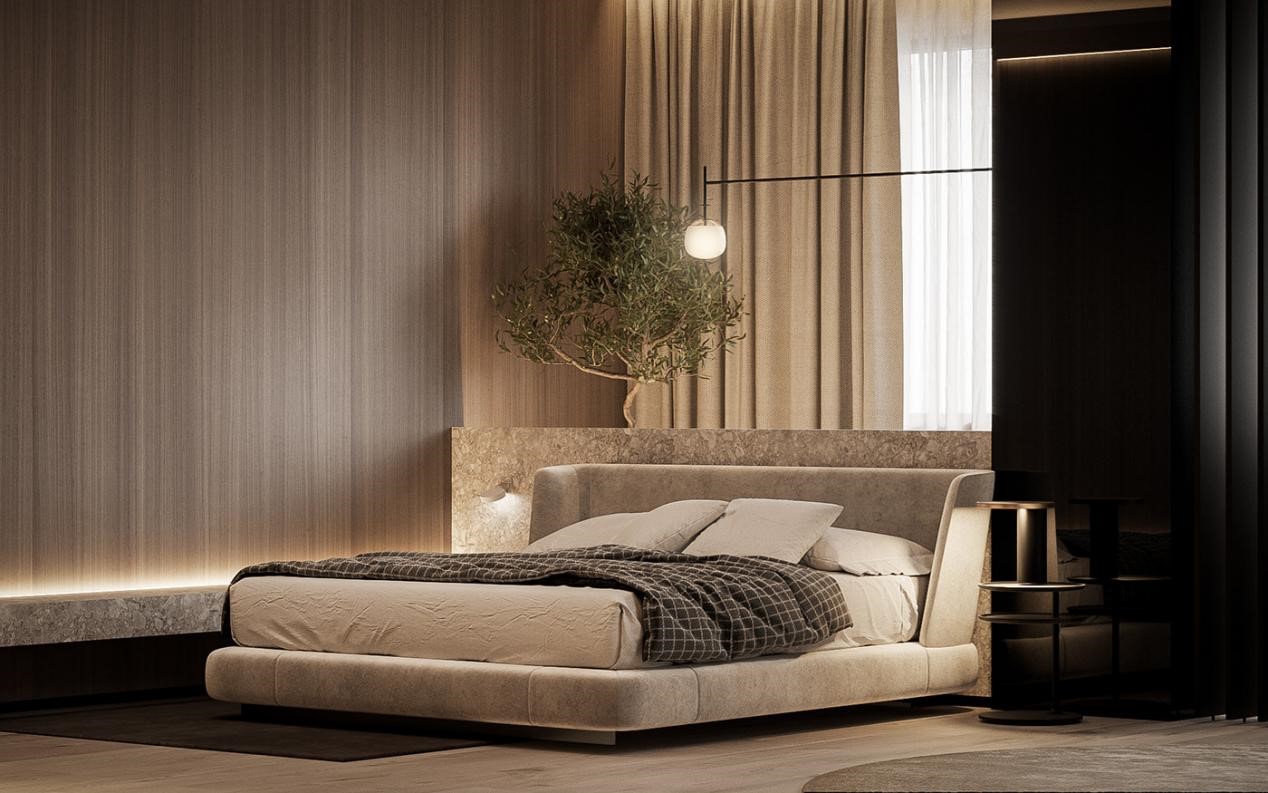
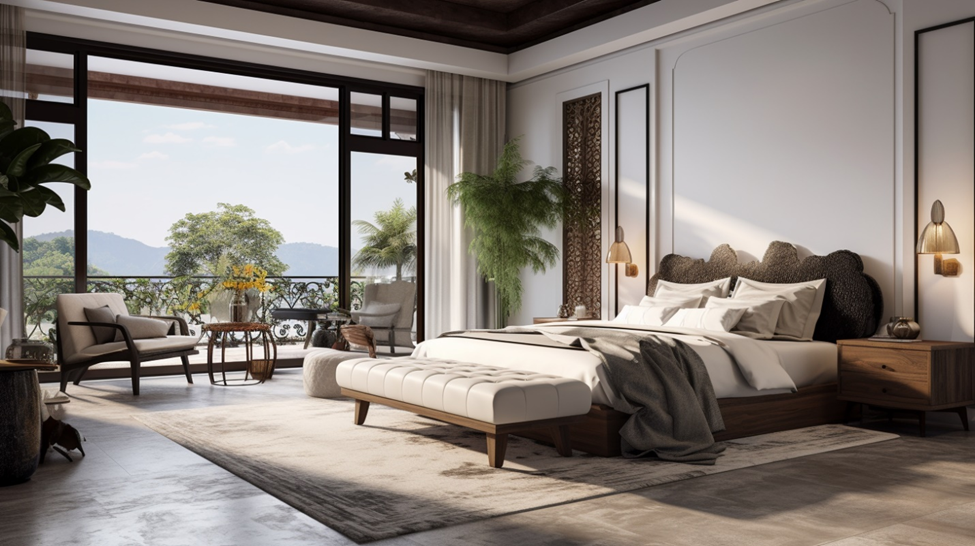
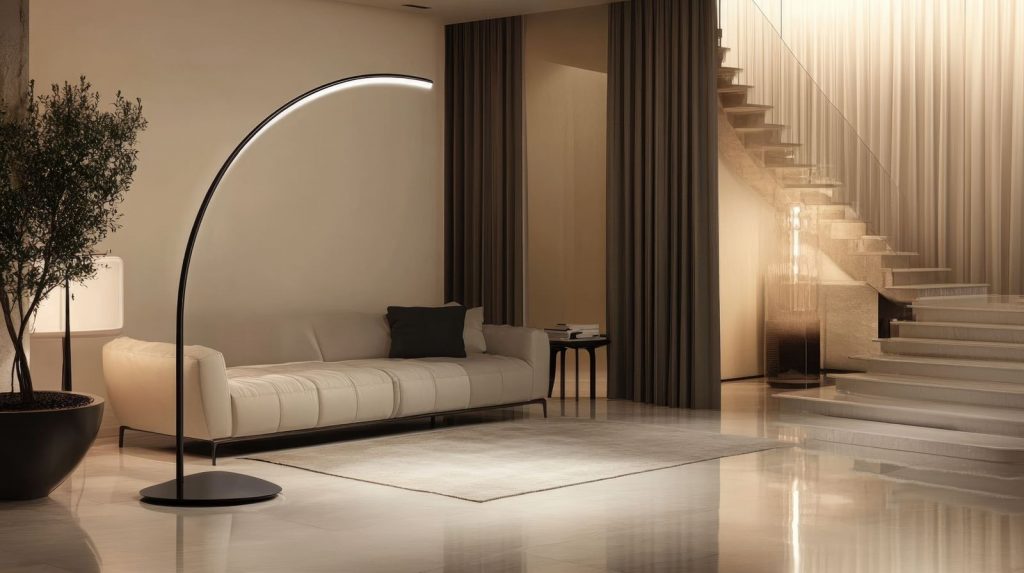
The bedroom is where minimalism shows its most immediate benefit. A visually calm room supports better sleep, better recovery and a more grounded start to the day. The best minimalist bedroom ideas focus on what is essential and design those elements well.
Consider:
- A clean-profile bed that feels grounded
- Bedside tables with drawers (not open shelves)
- Soft neutral bedding with subtle texture
- Warm lighting beside the bed instead of harsh overhead glare
- A single accent element, an artwork, a headboard wall, or one meaningful object
The bedroom doesn’t need more things. It needs fewer interruptions.
You can also explore how timeless furniture aesthetics influence bedroom design in mid century modern interior design
Materials That Make Minimalism Feel Premium
Minimalism relies on material quality because there are fewer elements to hide behind. When you remove visual clutter, surfaces become more visible and its textures catch your attention in the first gaze, creating the perfect first impression.
Choose materials that age gracefully:
- Natural stone with subtle movement
- Wood grains that add warmth
- Soft-touch laminates in matte textures
- Calm fabric palettes like linen, cotton, wool blends
- Minimal metal accents in brushed finishes
Minimal homes feel refined when the materials do the work.
Lighting: The Difference Between Flat And Beautiful
Lighting is the quiet architect of minimal interiors. A single bright light can make a minimal home feel harsh. Layered lighting makes it feel soft and dimensional.
For minimal home organization tips with regard to lighting, consider:
- Recessed lights for clean ceilings
- Cove lighting for ambient glow
- Task lighting where function demands it (kitchen, study, bedside)
- Warm lighting temperatures to avoid sterile tones
Light should guide the mood and not dominate the room.
Minimalism In Compact Homes
Minimalism is especially effective in small urban homes, where clutter is amplified and storage becomes critical. This is where the combination of decluttered home design and a functional minimalist layout can transform a space.
Smart, compact solutions include:
- Wall-mounted desks that disappear when not in use
- Foldable dining options with clean profiles
- Sliding wardrobes to save circulation space
- Vertical storage that keeps the floor free
- Multipurpose seating with concealed storage
Minimalism in small spaces doesn’t mean sacrificing comfort. It means designing smarter.
Design First: Minimalism As Thoughtful Living
At Design First, minimalism isn’t treated as emptiness; it is treated as clarity. The focus is on how the home performs: how it supports routines, reduces friction and creates visual calm without losing warmth.
From minimalist interior styling to storage planning, the intention is consistent: fewer distractions, better flow and spaces that feel quietly refined because ultimately minimalism is an everyday practice. And a home designed this way doesn’t demand attention. It gives you space to breathe.