A hall is one of the most lived-in spaces in a home. It hosts conversations, welcomes guests and connects different parts of daily life. Because of this, every design decision here carries weight, including the ceiling.
A well-considered POP design for hall ceilings does more than decorate a room. It shapes how light spreads, how height is perceived and how refined the space feels. Plaster of Paris continues to be widely used because it allows precise detailing, smooth finishes and flexibility across styles.
In 2026, the direction for POP design for hall ceilings is moving toward restraint and proportion. Instead of heavy ornamentation, homeowners are choosing thoughtful layouts and integrated lighting that feel calm and architectural.
At Design First, ceiling planning is never treated as a last step. A POP design for the hall is considered alongside the layout, lighting and furniture so the space feels cohesive.
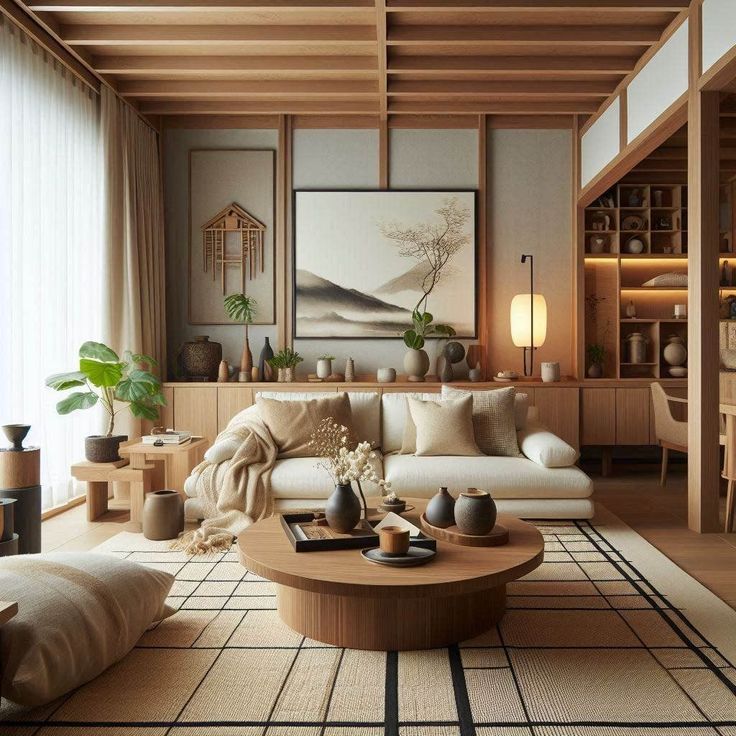
Why Ceiling Design Matters in a Hall.
A ceiling influences how a room is experienced. Architectural lighting research shows that indirect lighting improves visual comfort and reduces glare.
A good POP design for hall can:
- Improve lighting distribution
- Create a sense of height
- Add architectural structure
- Help define zones
- Support acoustic balance
This is why modern homes treat POP design for hall ceilings as part of spatial planning rather than decoration.
10 Popular POP Ceiling Directions:
1. Recessed Minimal Ceiling
A shallow recess holds cove lighting. Ideal for apartments. Lighting experts note this reduces harsh shadows.
2. Tray Ceiling
A raised center with a dropped border. Creates depth without visual heaviness.
3. Modern L-shaped false ceiling designs
Used to zone open layouts. Helps visually separate living and dining areas.
4. Floating Panel Ceiling
Suspended panels with LED strips. Known to create an illusion of height.
5. Linear Geometric Layouts
Straight-line geometry aligned with furniture placement. Increasingly popular in modern homes.
6. Coffered Ceiling
Grid-style recessed panels. Works best in higher ceilings.
7. Chandelier-integrated Ceiling
POP framing designed around fixture weight and scale.
8. Gypsum + POP Hybrid
Combines gypsum boards with POP edges. Balances finish quality and cost.
9. Perimeter Drop Ceiling
Edges dropped to conceal lighting. Suitable for smaller halls.
10. Minimal POP design for Indian living room
Straight lines, soft lighting and easy maintenance. Widely preferred in metro homes.
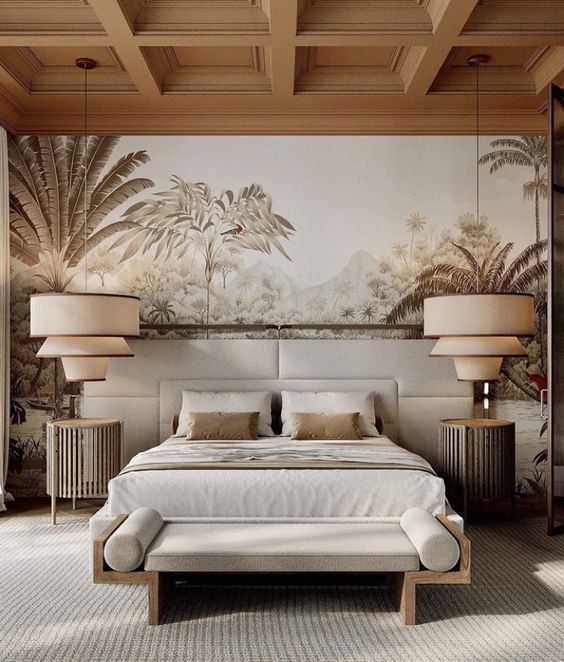
Choosing the Right Modern Main Hall Fall Ceiling Design:
A modern main hall fall ceiling design should be guided by:
- Ceiling height
Ceiling height in your home usually sets the boundary for what is possible. In most modern apartments, the height is already defined. If you add too many layers, the space may feel lower than intended. A restrained drop often feels more comfortable than a dramatic one. The entire idea is to work with the height available in your space, not reduce it further.
- Hall dimensions
The size of your hall influences how much detailing it can carry. In compact spaces, simplicity tends to feel more natural. In larger or open-plan halls, the ceiling can subtly organize the space. It can align with the seating arrangement or adapt to the layout without becoming the main focus.
- Light entry
The way natural light interacts with your space is extremely pivotal to how your luxury pop design develops.
If your hall receives ample daylight, it will feel quite different from an apartment that relies mainly on artificial lighting. In darker areas, the use of indirect ceiling lighting can help soften shadows and enhance comfort for you. The goal of a luxury pop design is not just to achieve brightness but to ensure an even distribution of light throughout your hall.
- Furniture scale
Your ceiling has a symbiotic relationship with what you choose to put below it. A central light fixture, for instance, aligns perfectly with the seating area rather than sitting randomly in the middle of the room. When the ceiling geometry of your hall design and furniture placement come together, the room feels more resolved.
- Ventilation
These days, air-conditioning vents, chimneys and other (ventilation) services are part of most modern halls. They cannot be ignored. If they are added once the designing is built in, they often cut through the ceiling layout awkwardly and make the whole design lose its way. That is why they are planned from the start, so that they sit naturally within the design. The finish stays clean, and nothing feels forced.
Where Personalisation Comes In.
Not every hall is used the same way. Some are social spaces while others are quiet family zones. A thoughtful POP design for the hall should respond to how the homeowner lives.
This is where the Design First Style Test plays the most significant role. Through intuitive visual choices, homeowners reveal preferences for warmth, minimalism or layered detail. These insights guide ceiling geometry and lighting design.
Instead of copying trends, the final POP design for the hall reflects the homeowner’s natural inclination.
The Design First Philosophy.
Design First believes design should lead execution. Many homes lose clarity when ideas pass through too many vendors.
Our end-to-end process ensures the original design intent remains intact. Ceiling layouts, lighting plans and furniture placement are developed together so that the POP design for the hall feels integrated.
Common Mistakes to Avoid:
- Over-designing low ceilings
- Mixing too many shapes
- Poor lighting placement
- Copying trends blindly
- Treating the ceiling separately from the layout
A balanced POP design for the hall supports the room quietly.
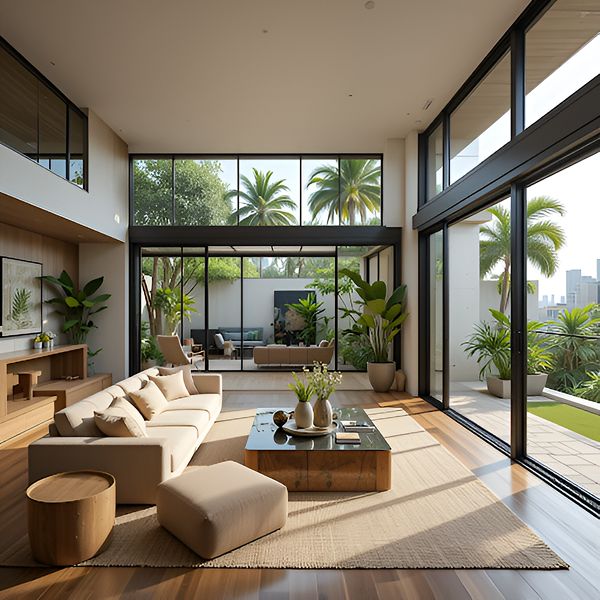
A Thoughtful Finish to a Well-Designed Hall.
A hall ceiling influences daily comfort more than people realise. The right POP design for the hall can improve lighting, enhance your mood and create visual calm.
At Design First, every ceiling is part of a larger story. One that considers how you live and how your spaces connect. This approach ensures design decisions remain intentional.
For those who want to experience this philosophy firsthand, the Design First Experience at Marine Drive offers insight into how thoughtful design comes together. Inspired by Carlo Scarpa’s ideas on proportion and materiality, the space reflects our belief that good design is felt as much as seen.
Because a well-designed home is not about trends, it is about spaces that continue to feel right over time.
FAQs
Yes, they help zone open layouts.
Yes, it remains timeless and low maintenance.
Understanding lifestyle and proportions is key.
Yes, when proportioned correctly.
Minimal recessed and perimeter designs are most preferred.