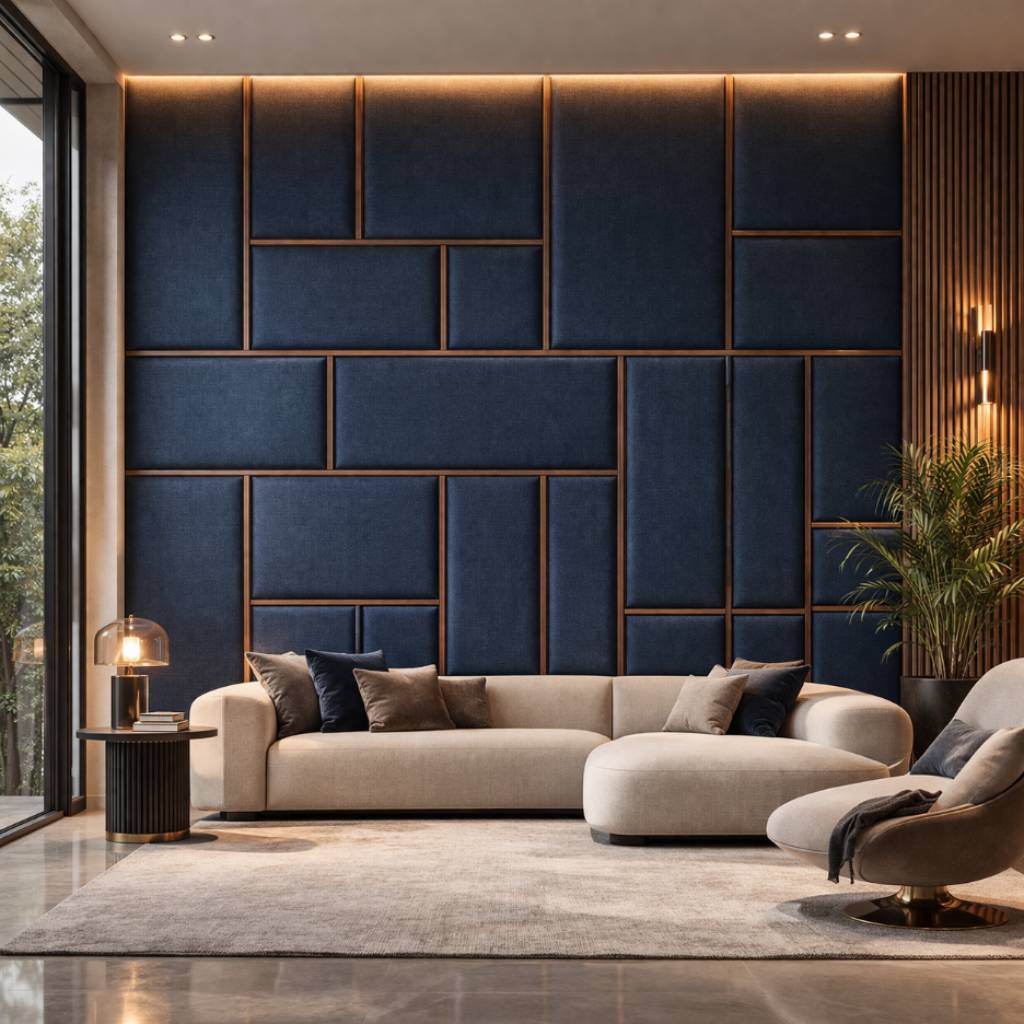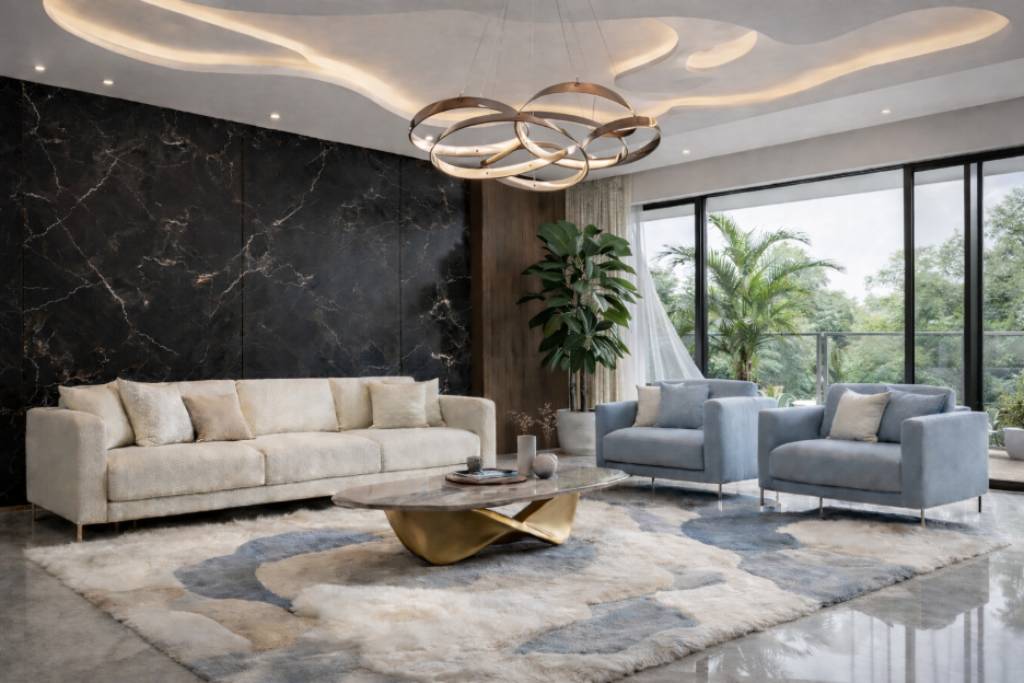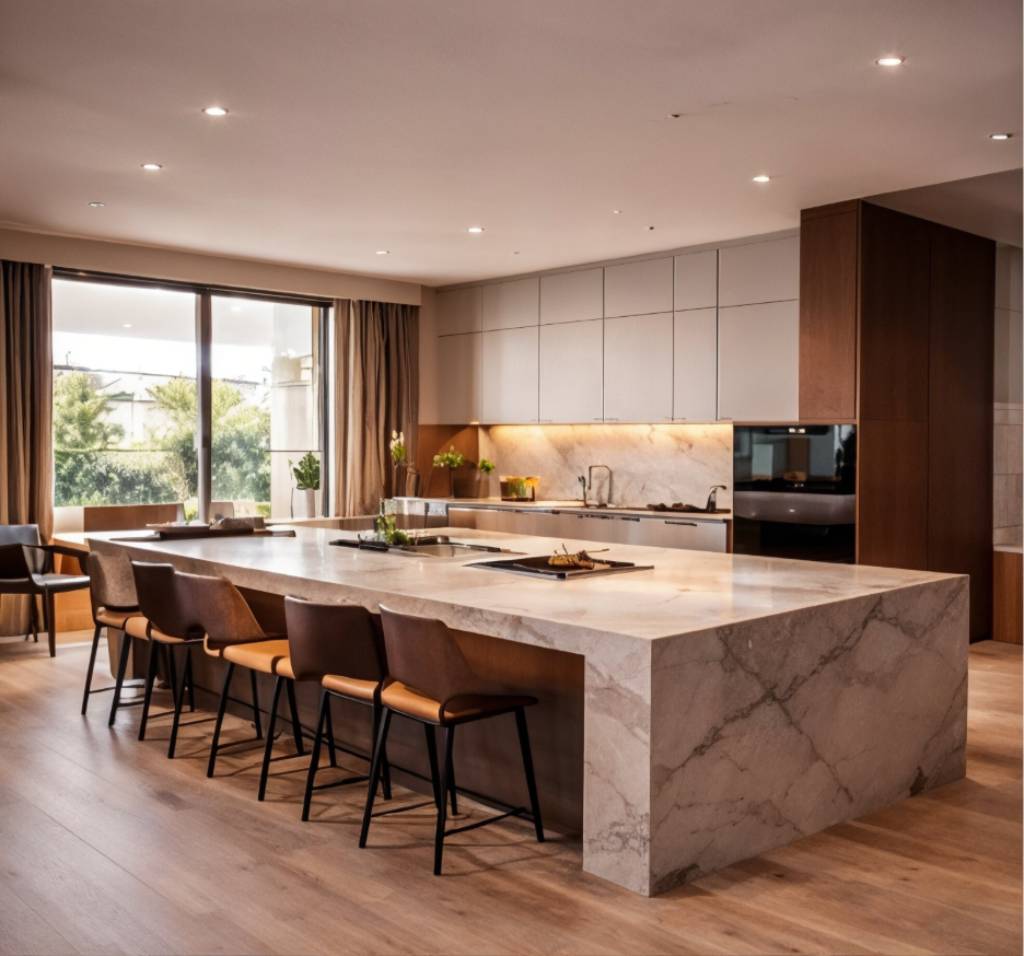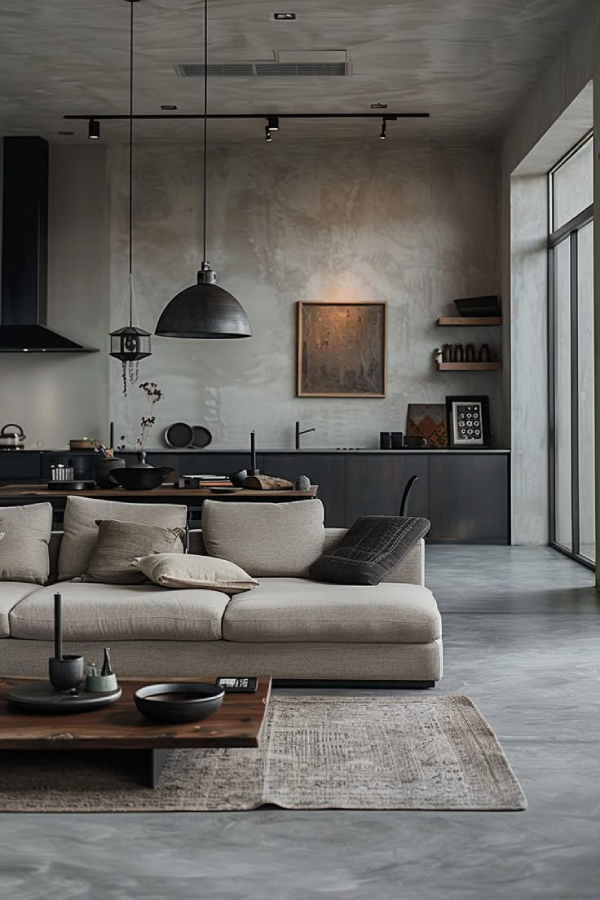
- What is Minimalist Interior Design?
- What is Contemporary Interior Design?
- Minimalist vs Contemporary Design: Core Philosophy Explained
- 12 Key Differences Between Minimalist vs Contemporary Design
- 1. Color Palette: Calm Neutrals vs Layered Contrast
- 2. Furniture Philosophy: Essential Pieces vs Statement Elements
- 3. Layout Approach: Open Clarity vs Dynamic Zoning
- 4. Materials & Finishes: Subtle Consistency vs Mixed Textures
- 5. Decor Strategy: Intentional Restraint vs Curated Expression
- 6. Storage Philosophy: Hidden Functionality vs Visible Integration
- 7. Lighting Approach: Soft Uniform Glow vs Layered Lighting Design
- 8. Flexibility Over Time: Fixed Simplicity vs Evolving Trends
- 9. Maintenance Reality: Precision Discipline vs Practical Flexibility
- Minimalism looks effortless. It isn’t.
- Every little thing shows. One extra item on a surface, and you notice it immediately. It asks for discipline. For consistency.
- Contemporary spaces are a bit more forgiving. There’s already some layering, some variation. So daily life doesn’t disrupt it as easily.
- And in most Indian homes, where things are constantly in motion, that difference matters more than you think.
- 10. Cost Implications: Perceived Simplicity vs Hidden Complexity
- 11. Emotional Experience: Calm Serenity vs Visual Energy
- 12. Suitability for Indian Homes: Discipline vs Adaptability
- The Hybrid Approach: Blending Minimalist and Contemporary Design
- How to Choose the Right Style for Your Lifestyle
This is a question that comes up all the time now. Minimalist or contemporary.
On the surface, they seem to promise the same thing. Clean spaces. Modern living. Less clutter. But once you start actually designing your home, you realise they don’t feel the same at all.
One leans towards quiet and restraint. The other allows a bit more expression. And that difference shows up in how the space looks. But more importantly, in how it feels to live in.
In Indian homes, this choice matters even more. Because we don’t just design for aesthetics. We design for families, for routines, for hosting. For everyday life that’s rarely minimal in the literal sense.
This guide is meant to make that decision clearer. Not by overcomplicating it. But by breaking it down in a way that actually reflects how you live.
So you’re not just choosing a style. You’re choosing what your home will feel like, every single day.
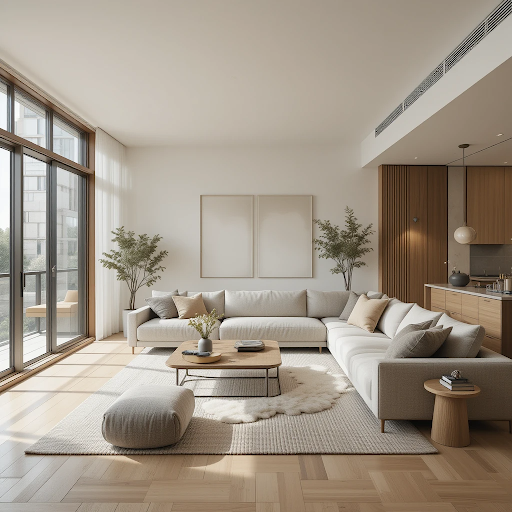
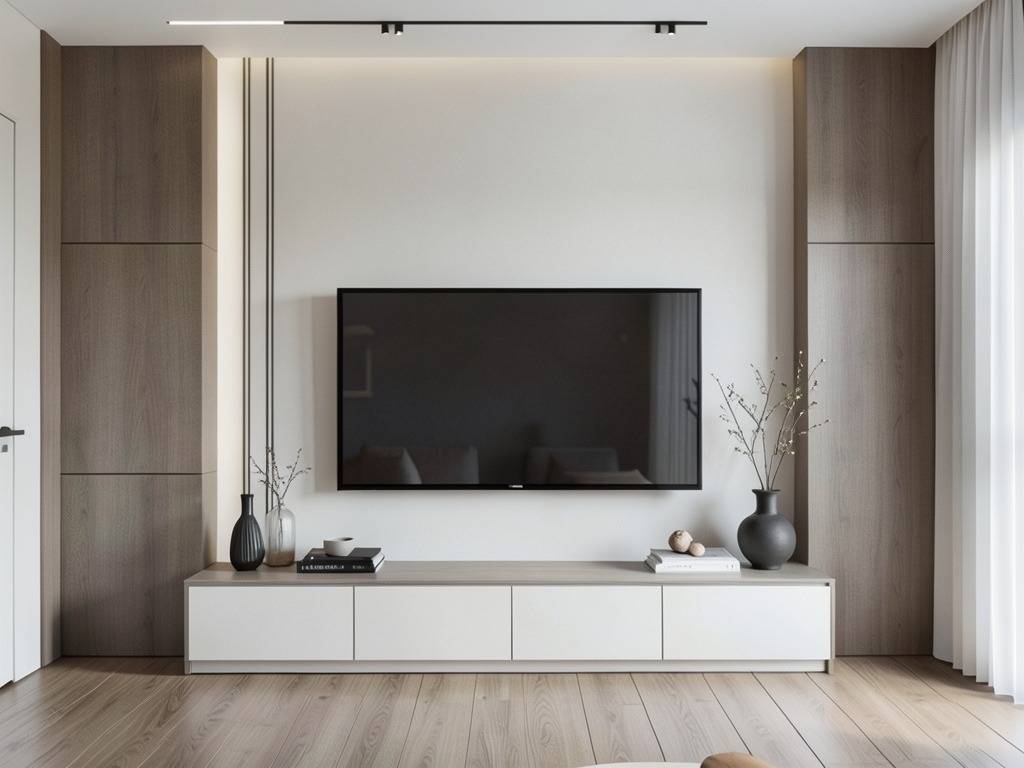
What is Minimalist Interior Design?
Minimalism isn’t really a style you apply. It’s a decision you make.
It asks you to be honest about what you actually need. And then stop there.
In an Indian home, that usually means letting go of the habit of filling every corner. Fewer pieces. Cleaner surfaces. Storage that hides what doesn’t need to be seen. You walk into a space and everything has a reason to be there.
Picture a compact apartment in Mumbai where nothing feels accidental. The wardrobe is built in. The surfaces are clear. The palette stays quiet. There’s no noise. Visually or otherwise.
And when it’s done right, it doesn’t feel empty. It feels steady. Like the space isn’t asking anything from you.
That’s really what minimalism does. It makes room for what matters. And nothing else.
To execute such spaces seamlessly, explore custom made luxury furniture.
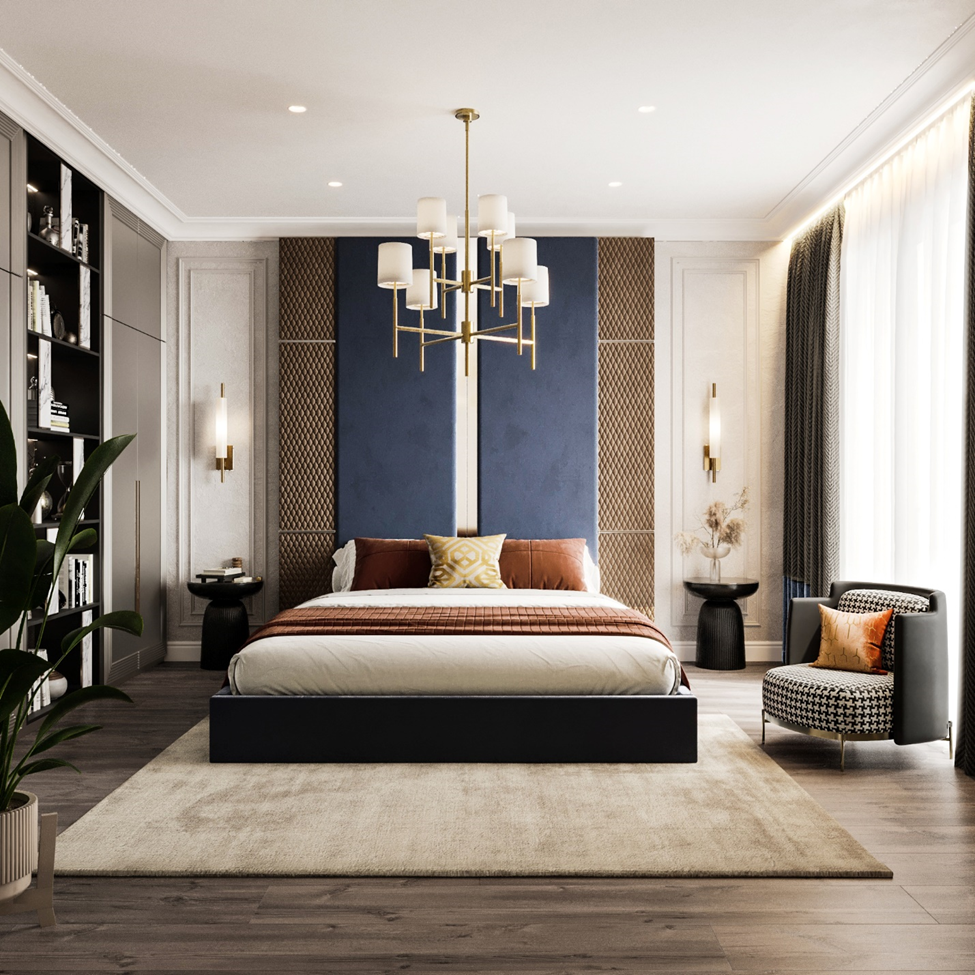
What is Contemporary Interior Design?
Contemporary design is a bit more relaxed about rules.
It moves with time. It doesn’t try to stay fixed.
Think of someone who wants their home to feel current today. But not locked into one look forever. That’s where contemporary works. It gives you room to shift things. Change a piece. Update a corner. Let the space evolve without starting from scratch.
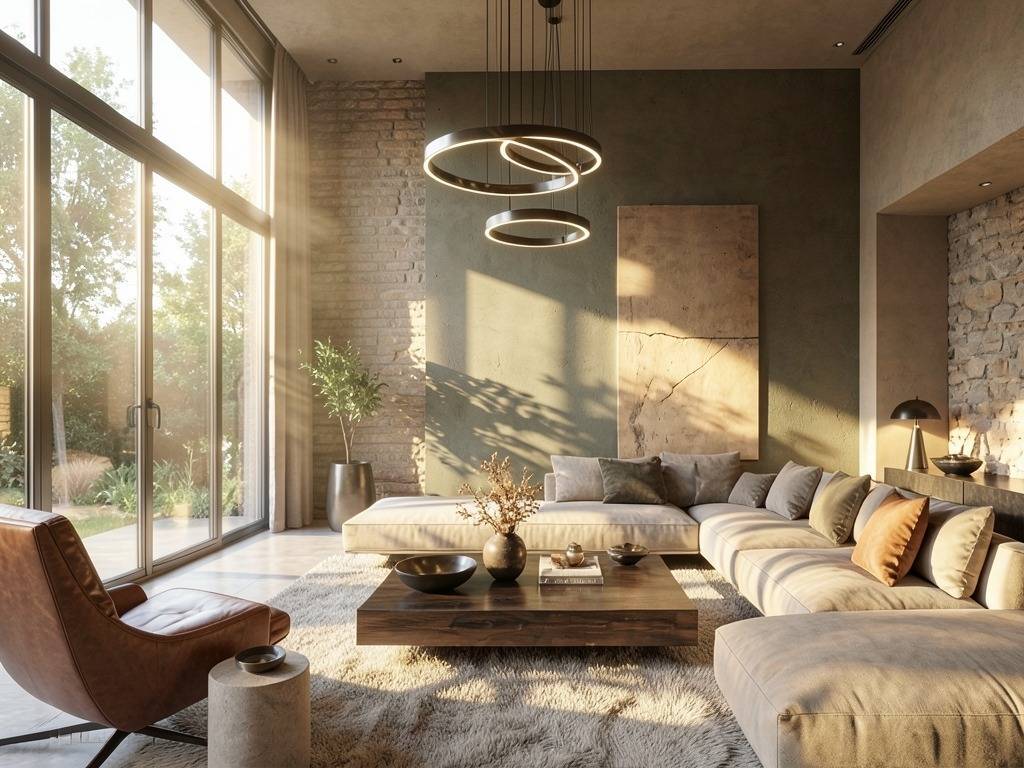
You’ll see more play here. Different materials sitting together. Textures layered in a way that feels intentional but not rigid. A bold light. A sculptural chair. Something that catches your eye and gives the room a bit of character.
It’s not as stripped back as minimalism. There’s more expression. More personality.
But it still holds back just enough to feel refined. Not chaotic. But alive and open to change.
For expert guidance, consult a residential interior designer.
Minimalist vs Contemporary Design: Core Philosophy Explained
The real difference isn’t in how the space looks. It’s in how you think about it.
Minimalism comes from a very clear place. Keep only what matters. Everything has a purpose. Nothing extra. When you walk into a well-done minimalist home, you feel it immediately. It’s calm. Almost quiet. Like nothing is asking for your attention.
Contemporary design works differently. It’s more open. It allows things to change, to shift, to grow with you. You can layer materials, bring in new pieces, play with contrast. The space feels current, a little more expressive, like it’s not trying to stay still.
That’s really the split.
One asks you to edit constantly. The other lets you evolve over time.
A balanced approach is best achieved through turnkey interior solutions.
12 Key Differences Between Minimalist vs Contemporary Design
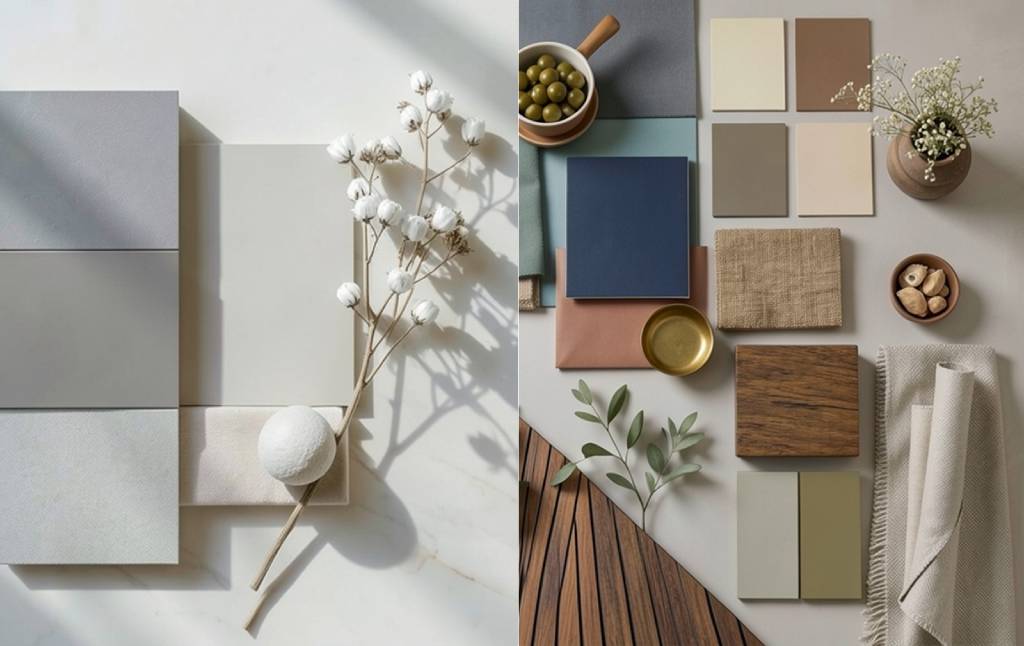
1. Color Palette: Calm Neutrals vs Layered Contrast
A minimalist home feels calm the moment you walk in. Soft whites, gentle beiges, muted greys. Light just moves through the space without interruption. Nothing feels heavy.
A contemporary home shifts that feeling a bit. It brings in contrast. Deeper tones, layered colours, moments that catch your eye. There’s more play, more variation, a bit more pizzaz.
And in Indian homes, this choice really shows up over time. Our light is strong. It changes through the day. What feels bright and open in one palette can feel intense in another. What feels subtle in the morning can feel dramatic by evening.
So it’s not just about colour. It’s about how your home holds light, all day long.
Explore ideas like hall wall colour combination to get started.
2. Furniture Philosophy: Essential Pieces vs Statement Elements
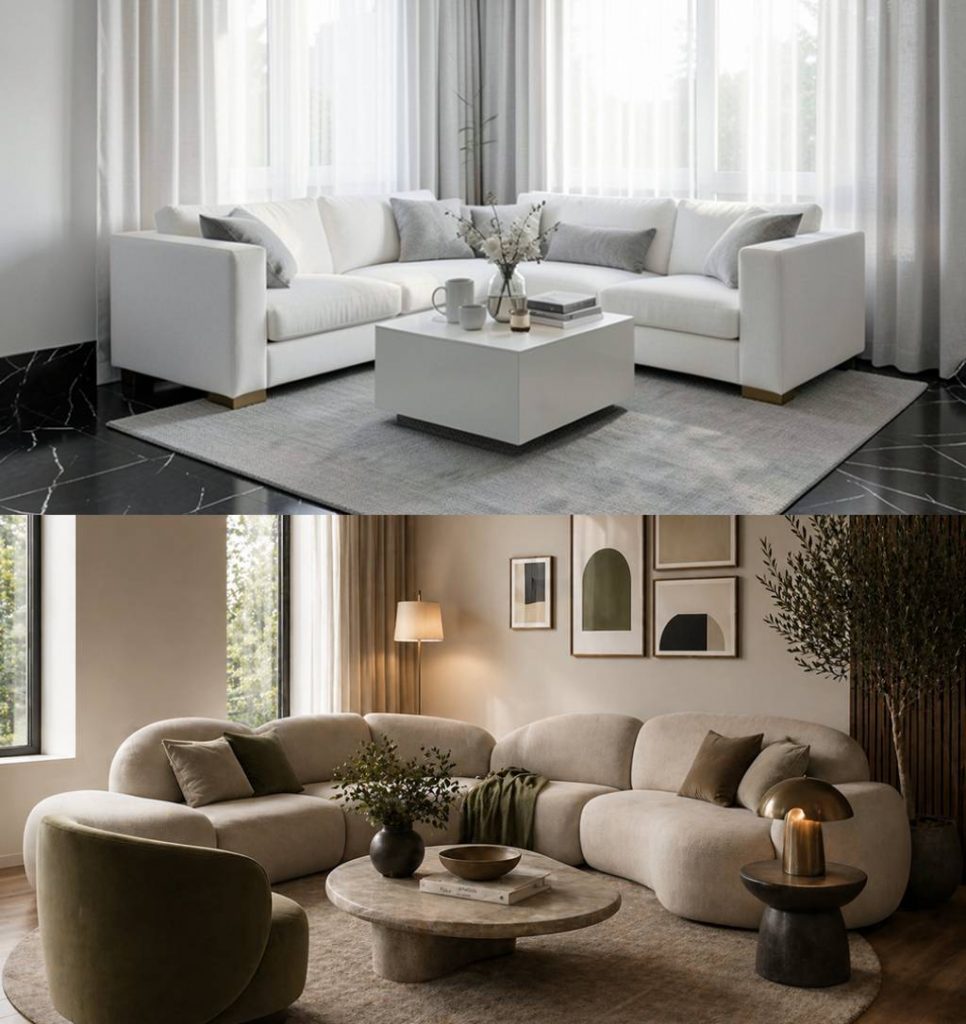
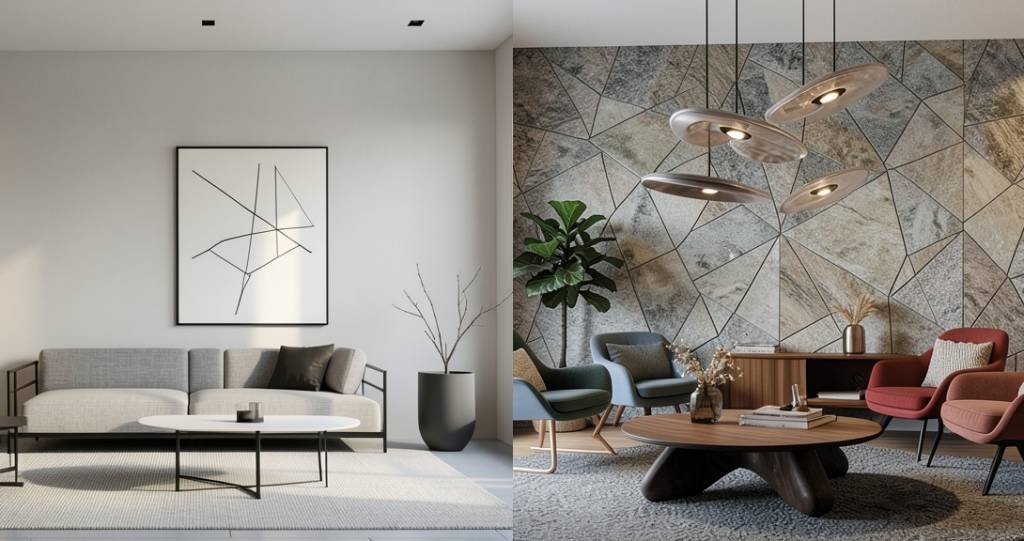
In a minimalist home, furniture tends to stay quiet. Fewer pieces, clean lines, nothing trying to stand out too much. Everything is there for a reason, and it all just works.
In a contemporary space, furniture can take a bit more spotlight. A chair with an interesting form, a table that feels sculptural, something that draws your eye the moment you walk in.
So the choice becomes pretty clear.
Do you want the space to feel calm and unobtrusive, where everything blends in quietly. Or do you want a few pieces to speak up and give the room a personality.
3. Layout Approach: Open Clarity vs Dynamic Zoning
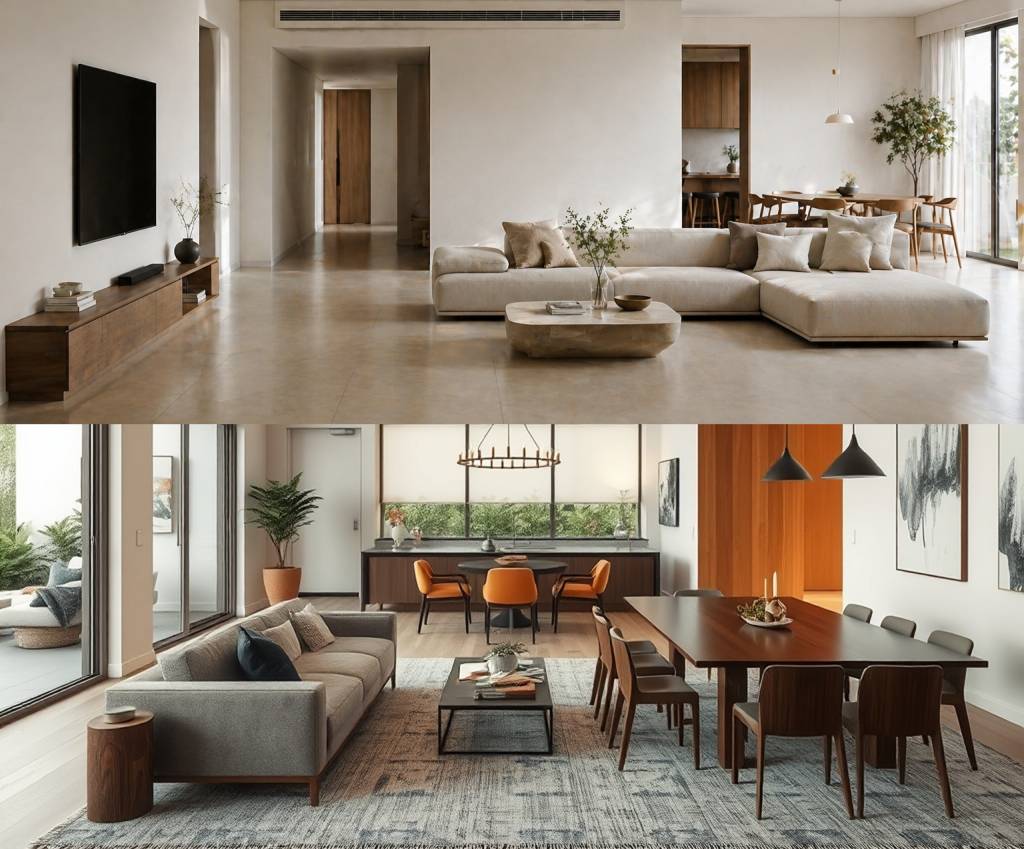
In a minimalist home, the layout feels open and uninterrupted. You move through the space without really thinking about it. Nothing blocks you, nothing pulls your attention too much.
Contemporary homes handle space a little differently. They still feel open. But they start to define areas within that openness. A rug under the seating, a light over the dining table, sometimes even a subtle partition. Especially in Indian living and dining setups, this helps everything feel a bit more organised without closing it off.
And this is something you notice every day. Not consciously, but in how you move. Where you pause. How the space guides you without you even realising it.
See how this works in drawing room interior design.
4. Materials & Finishes: Subtle Consistency vs Mixed Textures
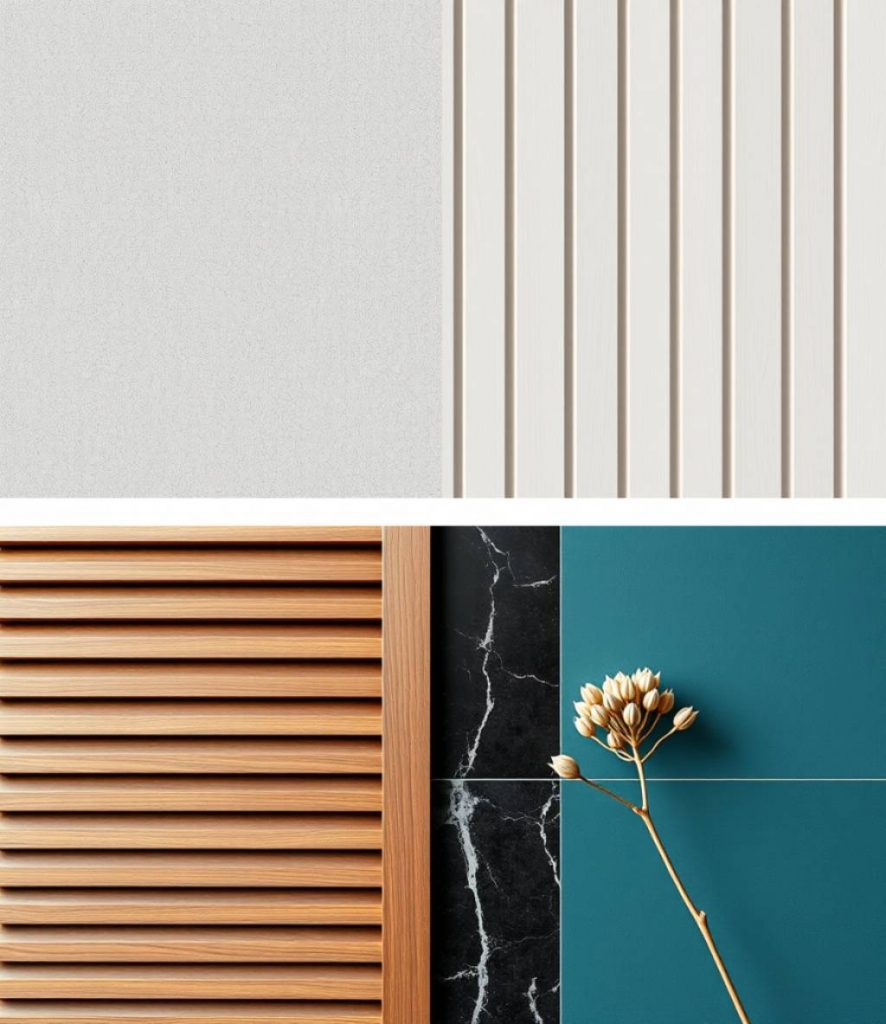
You don’t really notice them at first. Matte surfaces, light wood, materials that blend into each other so smoothly that nothing interrupts your eye. It feels calm because nothing is trying to stand out.
Contemporary spaces don’t do that.
They let materials speak. Glass catching light. Metal adding a bit of sharpness. Marble that feels cool and solid. Different finishes sitting next to each other, not blending in. But playing off one another.
And this isn’t just visual.
You feel it when you live there. The weight of a surface. The temperature of it. The way some things need more care, more attention. It’s a more tactile experience.
5. Decor Strategy: Intentional Restraint vs Curated Expression
In a minimalist home, decor is almost an afterthought. Not because it doesn’t matter. But because only a few pieces make the cut. Each one is chosen carefully. If it’s there, it earns its place.
In a contemporary space, there’s more room to layer. Art, objects, small accents that build the personality of the room over time. It feels styled, but not in a forced way. More like a collection that’s come together slowly.
Layout planning becomes crucial in staircase design.
6. Storage Philosophy: Hidden Functionality vs Visible Integration
In Indian homes, storage isn’t a design choice. It’s survival.
We have so many more layers to how we live. There’s always something that needs a place. And how you deal with that changes the entire feel of your home.
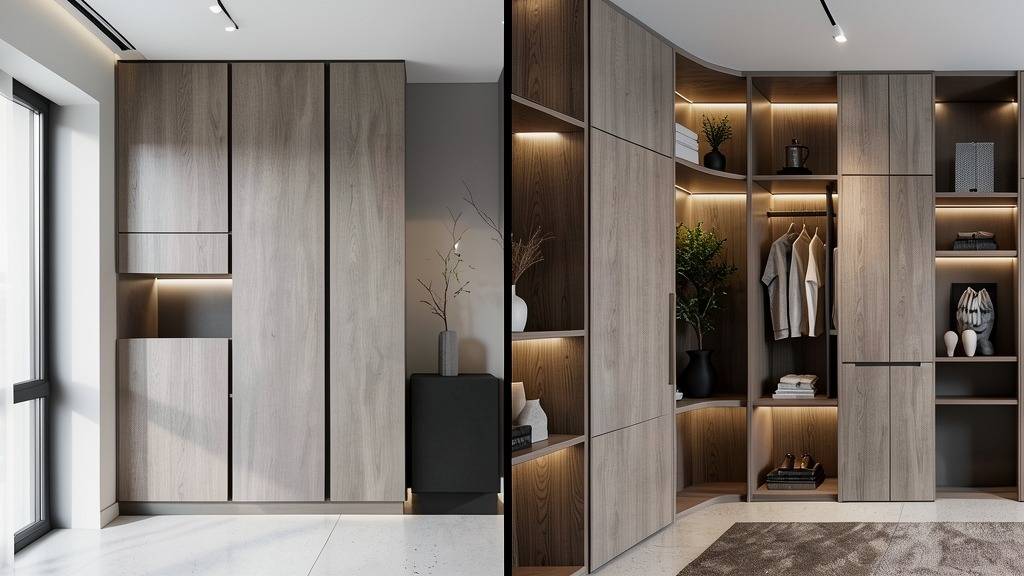
Minimalism almost hides it like a trick. Everything has a place, but you don’t see it. Clean walls, seamless storage, nothing spilling out. You walk in and it feels sorted. Like the space has exhaled.
Contemporary design is more honest about it. It lets storage show up. Open shelves, display units, pieces that hold your things but also tell your story. Books, objects, little collections that build over time. It feels more lived in, more expressive.
Do you want everything tucked away so the space feels calm and contained.
Or do you want your home to show its layers, to feel a bit more personal, a bit more alive.
7. Lighting Approach: Soft Uniform Glow vs Layered Lighting Design
Lighting is where you really start to feel the difference.
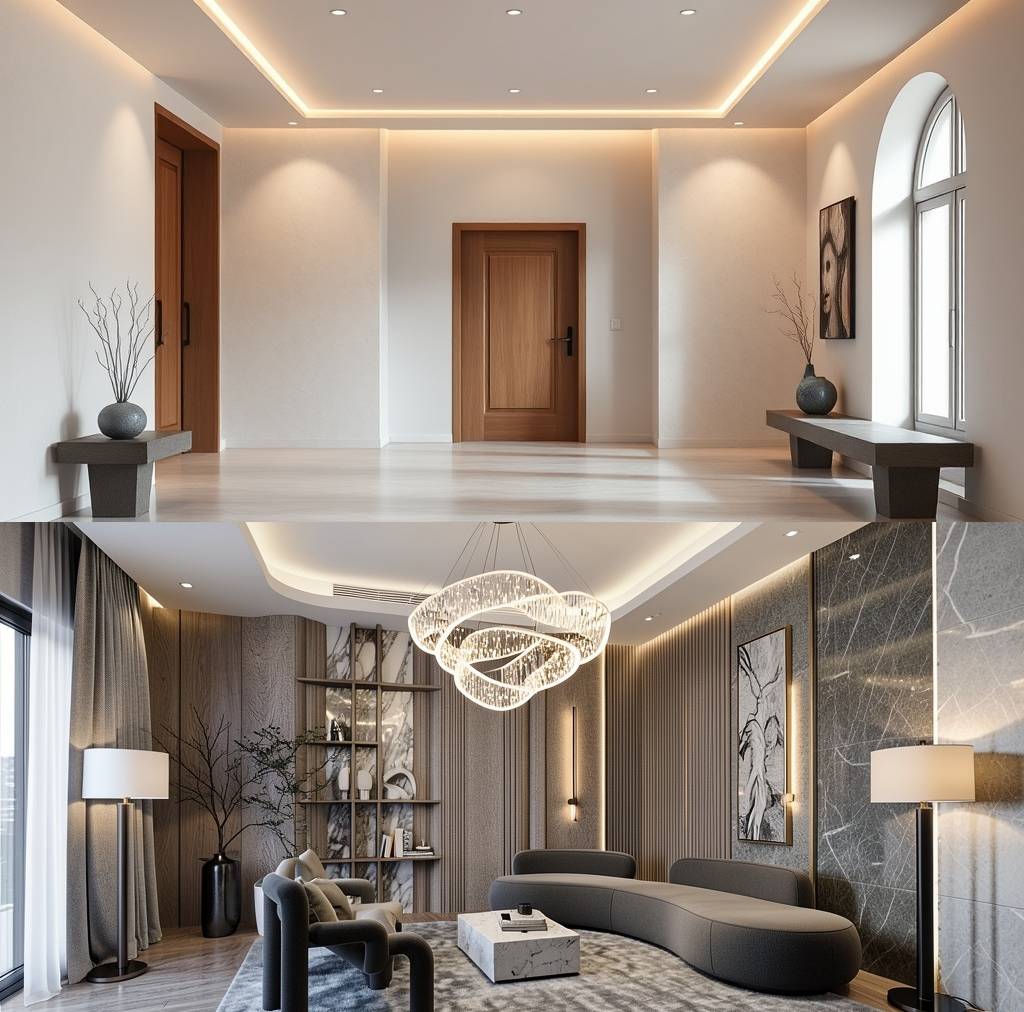
In a minimalist home, it’s kept soft and even. Nothing too bright, nothing too dramatic. The light just sits there quietly, doing its job. By evening, the whole space feels calm. Almost slowed down.
Contemporary spaces treat lighting differently. They build it up. A general glow for the room. A focused light where you need it. Something softer to highlight a corner or a piece you love. It creates depth. A bit of mood. Sometimes even a little drama.
And in Indian homes, this matters more than you think. Evenings are when the house is actually lived in. That’s when lighting takes over.
8. Flexibility Over Time: Fixed Simplicity vs Evolving Trends
Minimalism stays the same. That’s the whole point.
Once it’s done, it holds. The space doesn’t really ask to be changed. It feels steady, predictable in a good way. You’re not constantly rethinking things.
Contemporary design is the opposite. It leaves room for change. You can swap a chair, update a light, shift the mood of a room without starting from scratch. If you enjoy that process, if you like your home to evolve with you, it just makes more sense.
This layering is a key aspect of contemporary plush design.
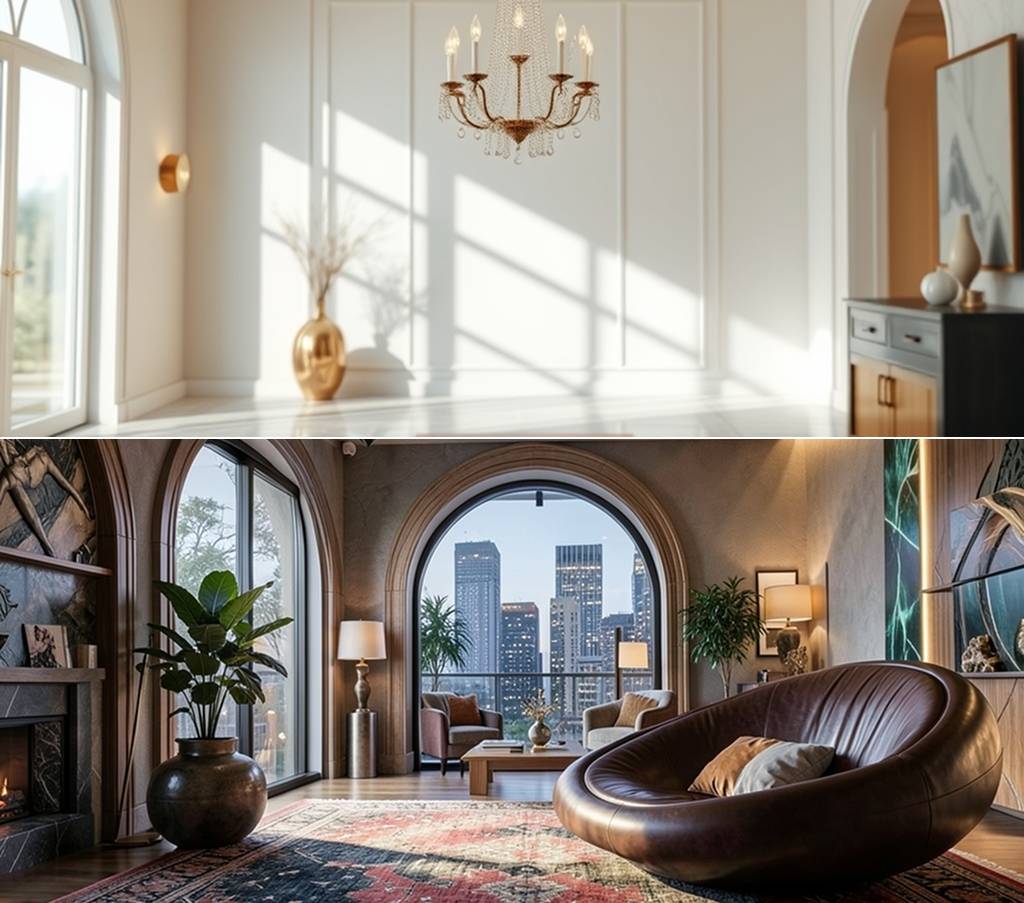
9. Maintenance Reality: Precision Discipline vs Practical Flexibility
Minimalism looks effortless. It isn’t.
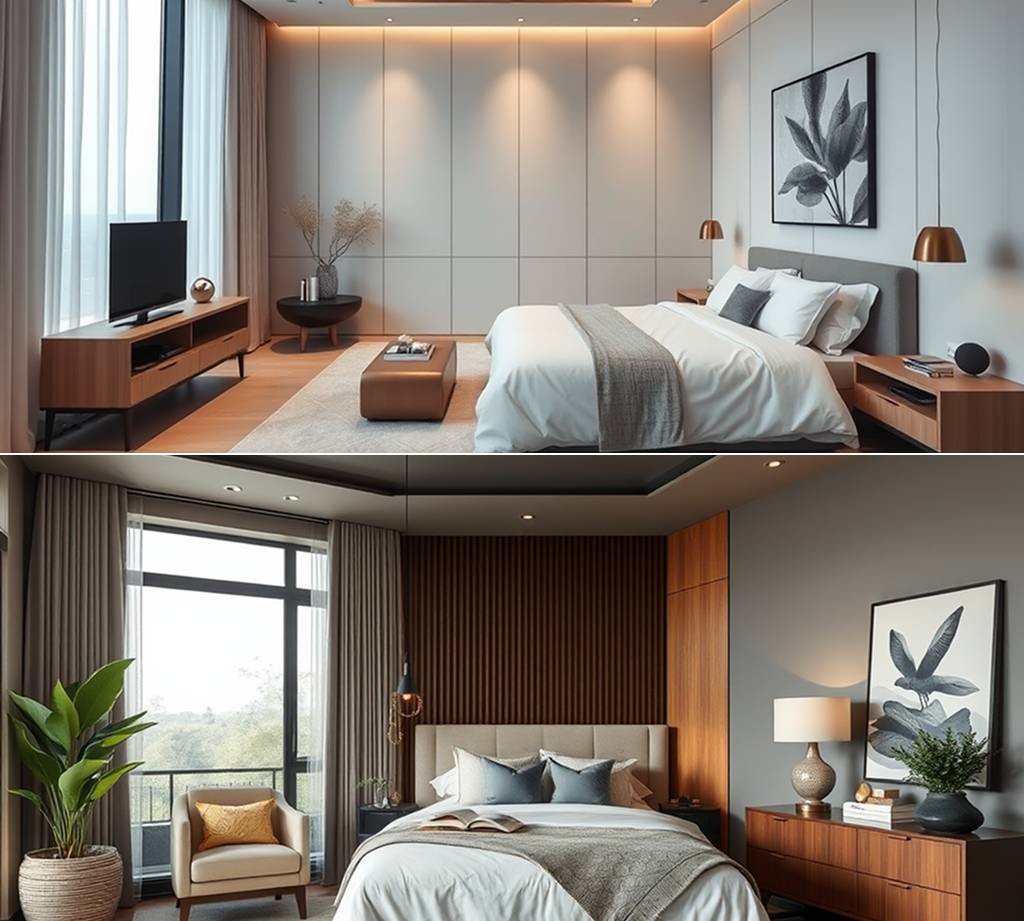
Every little thing shows. One extra item on a surface, and you notice it immediately. It asks for discipline. For consistency.
Contemporary spaces are a bit more forgiving. There’s already some layering, some variation. So daily life doesn’t disrupt it as easily.
And in most Indian homes, where things are constantly in motion, that difference matters more than you think.
[Img Alt txt – Precision Discipline vs Practical Flexibility]
10. Cost Implications: Perceived Simplicity vs Hidden Complexity
Minimalism can be deceptive.
It looks simple. But getting it right takes precision. Seamless storage, perfect finishes, custom work that disappears into the background. That’s where the cost builds up.
Contemporary design spreads things out. You’re investing across materials, pieces, details. It doesn’t rely on perfection in the same way.
So it’s not really about which is cheaper. It’s about how the money is used.
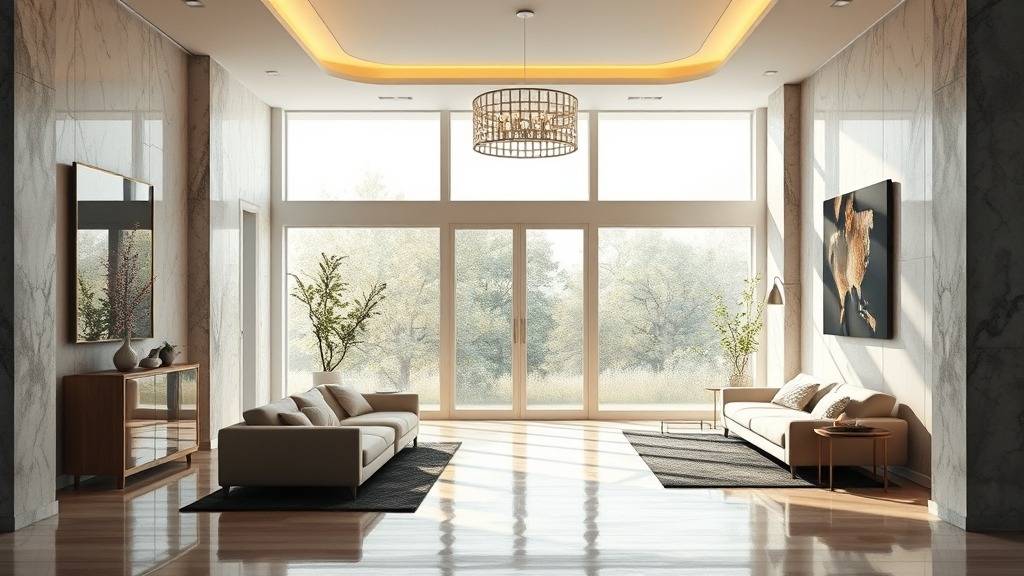
11. Emotional Experience: Calm Serenity vs Visual Energy
This is where it gets personal.
Minimalism slows everything down. It feels quiet. Almost meditative. Like the space is giving you a break.
Contemporary design does something else. It brings in energy. Contrast, texture, moments that catch your eye. It keeps the space feeling active.
Neither is better. It just depends on how you want to feel when you’re at home.
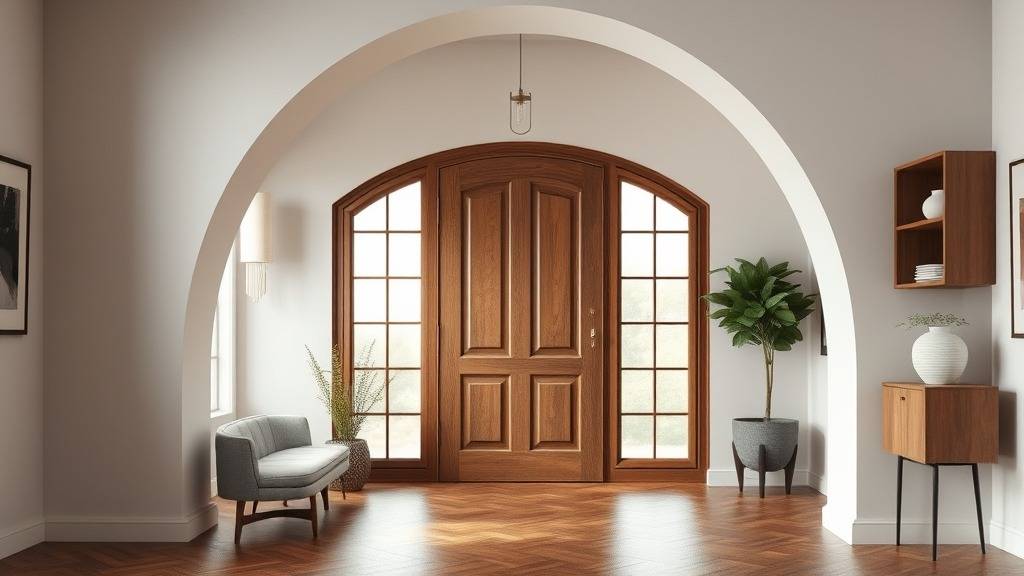
12. Suitability for Indian Homes: Discipline vs Adaptability
Minimalism works beautifully. But it asks something from you.
You have to maintain it. Stay consistent. Keep things in check.
Contemporary design adapts more easily. To families. To storage needs. To homes that are used fully, not carefully.
And for most people, that’s what makes the decision.
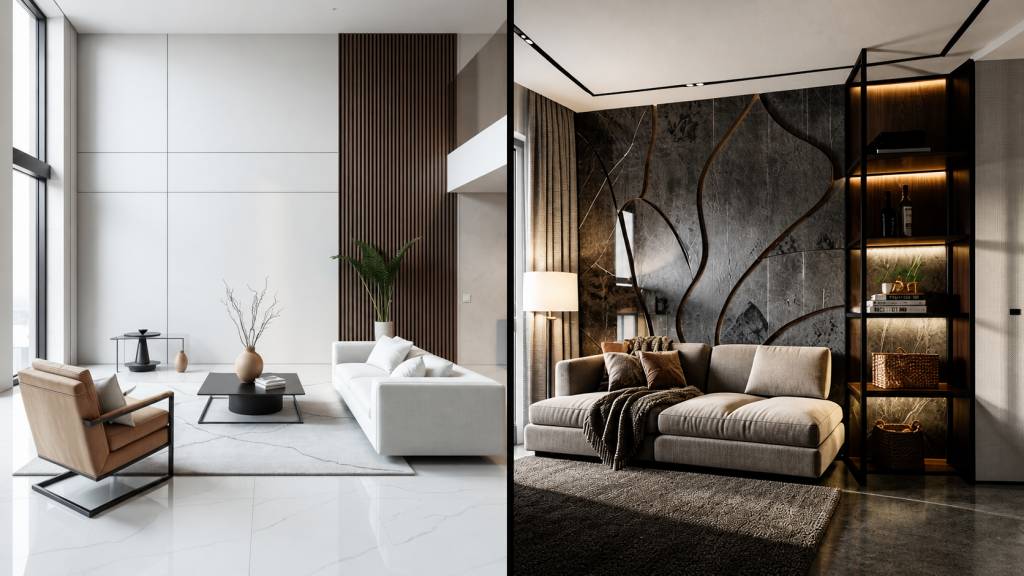
The Hybrid Approach: Blending Minimalist and Contemporary Design
In reality, very few homes sit at one extreme.
Most land somewhere in between.
A clean, minimal base. Open layouts, simple forms. And then a few moments of expression. A bold wall. A sculptural light. Something that breaks the calm just enough.
That balance works. You get the clarity of minimalism, without losing the flexibility of contemporary design.
And honestly, for how we live today, it feels the most natural.
How to Choose the Right Style for Your Lifestyle
It helps to be honest with yourself here.
Do you want your home to feel calm, or a little more alive?
Are you okay maintaining that level of discipline every day?
Do you enjoy updating your space from time to time?
How much do you actually need storage to work for you?
If you like clarity, structure, and consistency, minimalism will feel right.
If you want flexibility, expression, and a bit more ease, contemporary design fits better.
And if you’re somewhere in between, which most people are, you already know the answer.
FAQ
Yes, and that’s usually where things work best. A clean base, with a few strong elements layered in. It feels balanced, and a lot more livable.
Not really. It depends on how you live. Minimalism brings calm and structure. Contemporary design brings flexibility and richness.
Minimalist, contemporary, traditional and industrial. Each one has its own way of using materials, detail and space. The choice usually comes down to how you want your home to function and feel.
It reflects what’s current. Materials, layouts, finishes that feel modern right now. And the key thing is, it can change. It’s not fixed in one look.
It comes down to intent. Minimalism is about reducing everything to what’s essential. Contemporary design is about staying current and allowing more expression. One feels controlled and quiet. The other feels layered and evolving.
Contemporary design, in most cases. It’s more forgiving. Minimalism needs you to stay consistent, every single day.