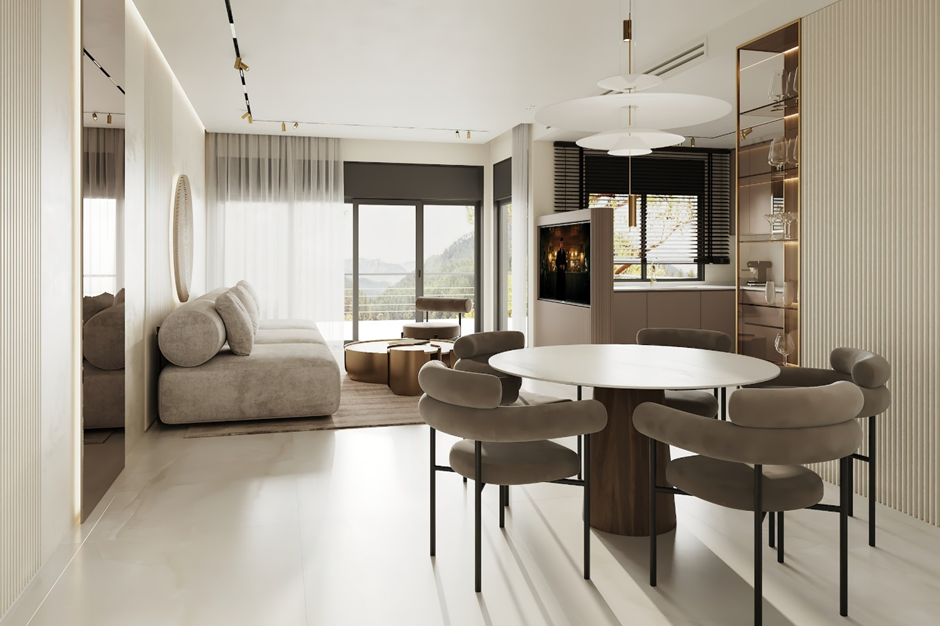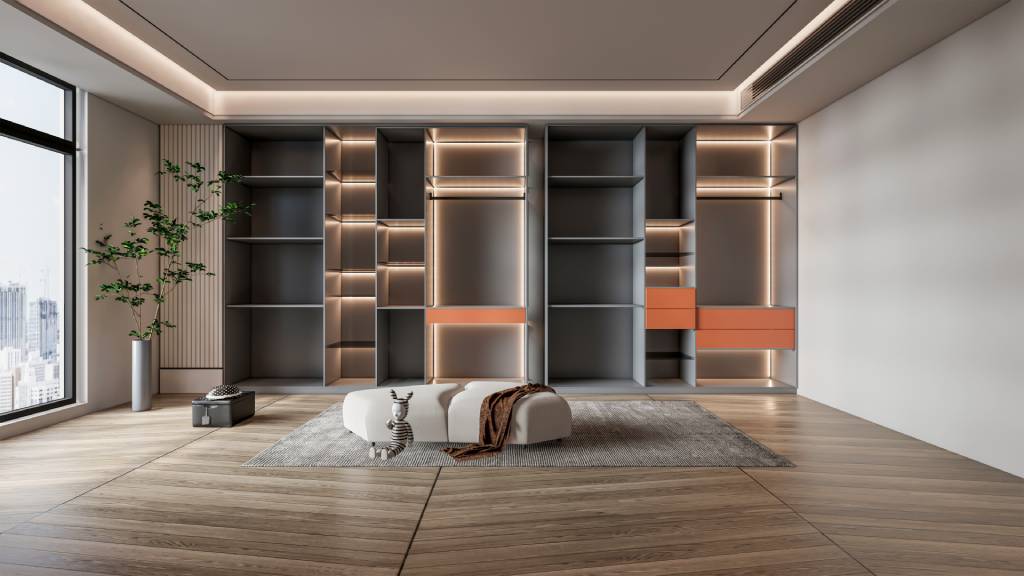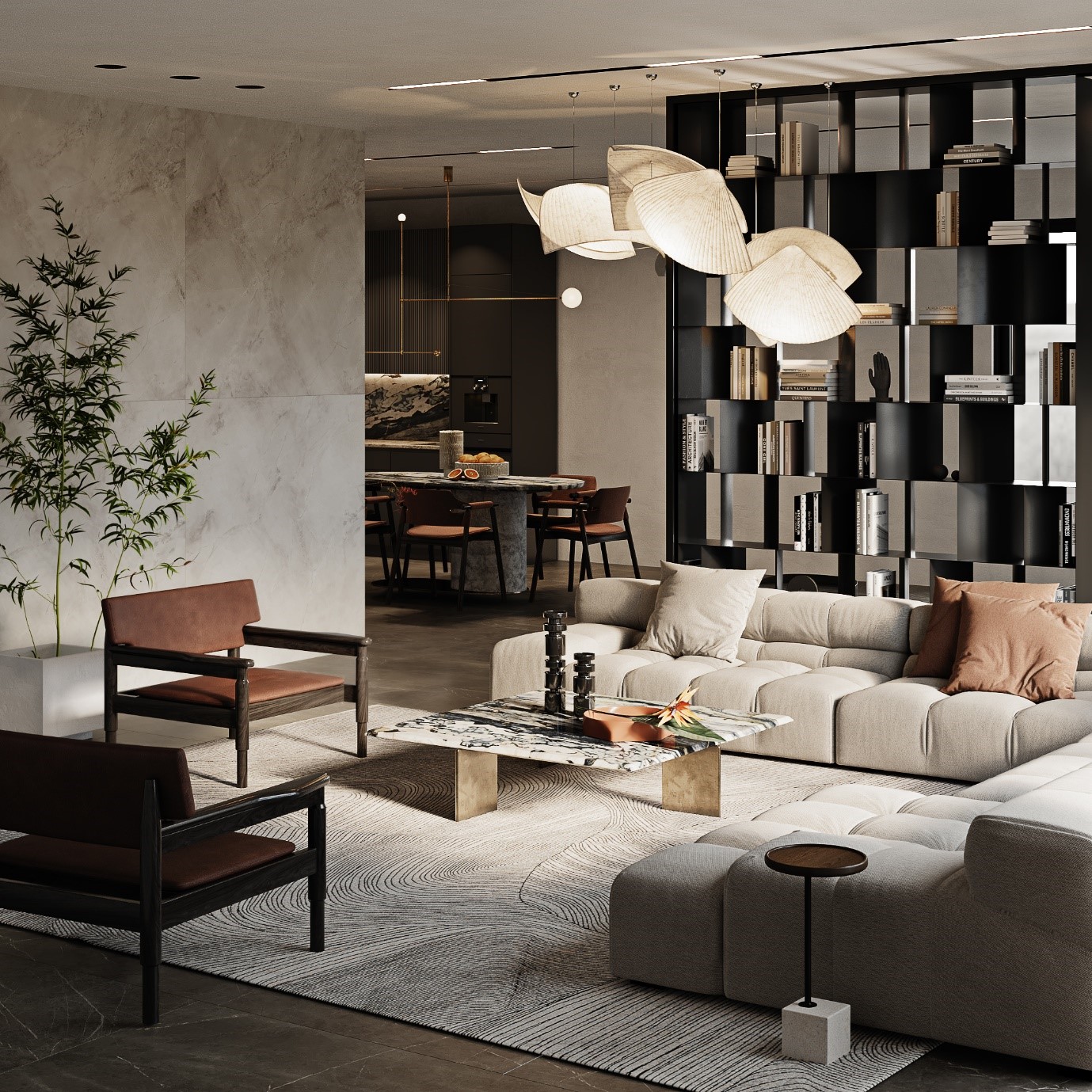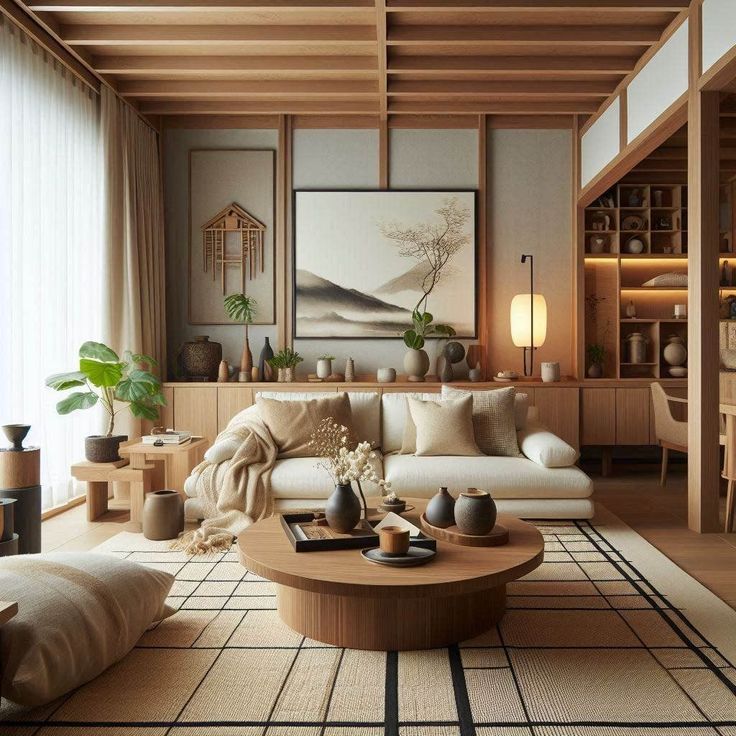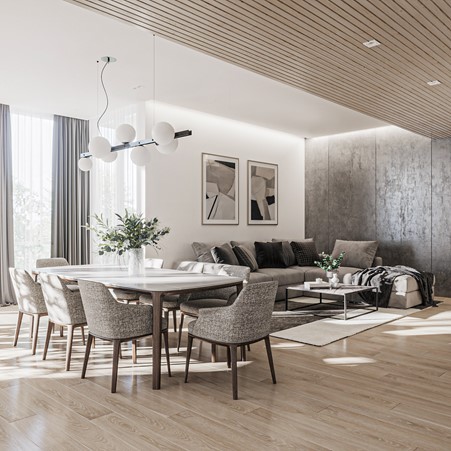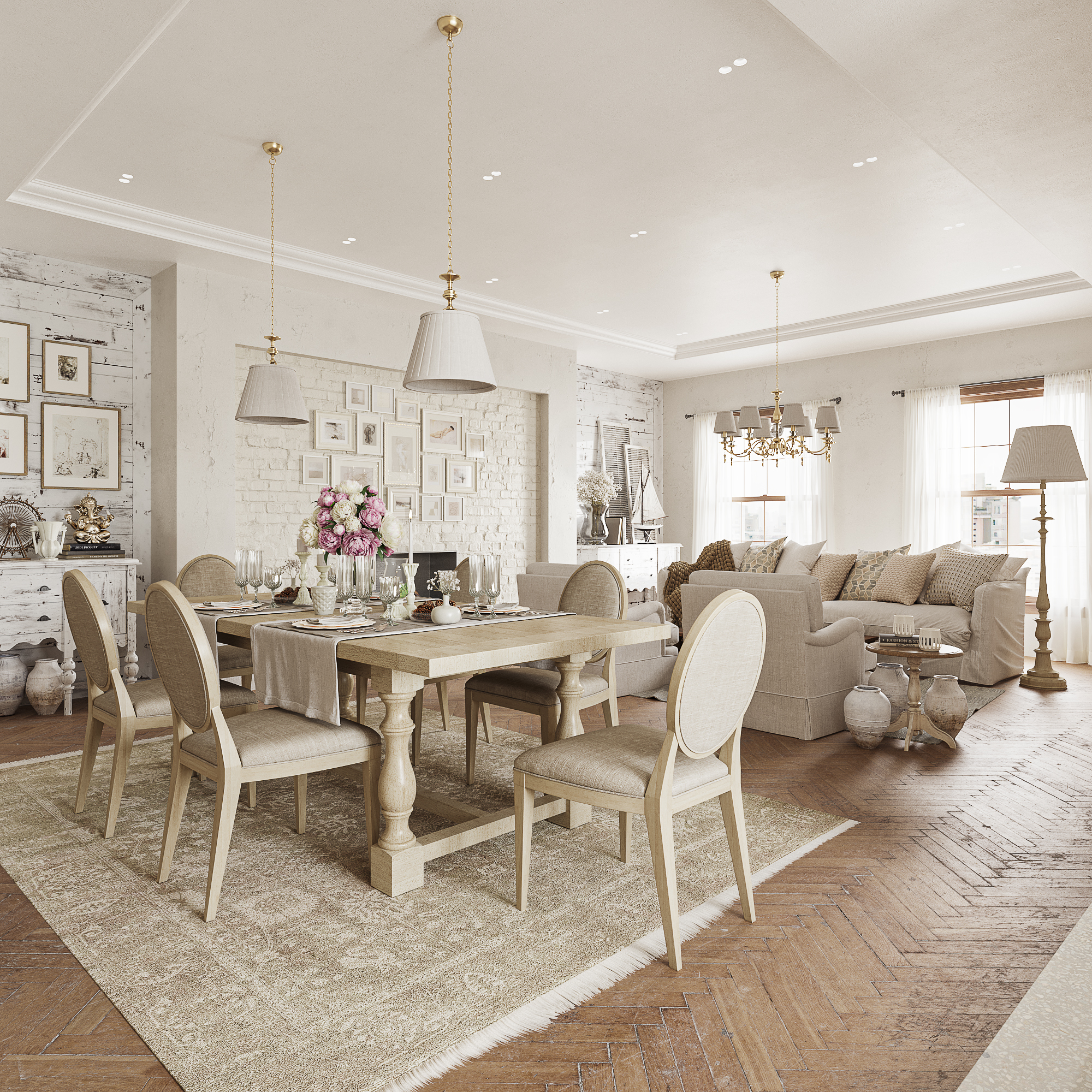
A well-designed home is more than a visual experience. It is a reflection of how you live, move and feel within a space. The best home interior design ideas bring together aesthetics, comfort, and functionality in a way that feels effortless yet intentional.
At Design First, every home is approached as a composition where materials, light, layout and detail come together to create a cohesive environment. This guide explores how thoughtful interior design house planning can elevate everyday living. With ideas that balance modern sensibilities and timeless appeal.
What Defines a Modern Home Interior
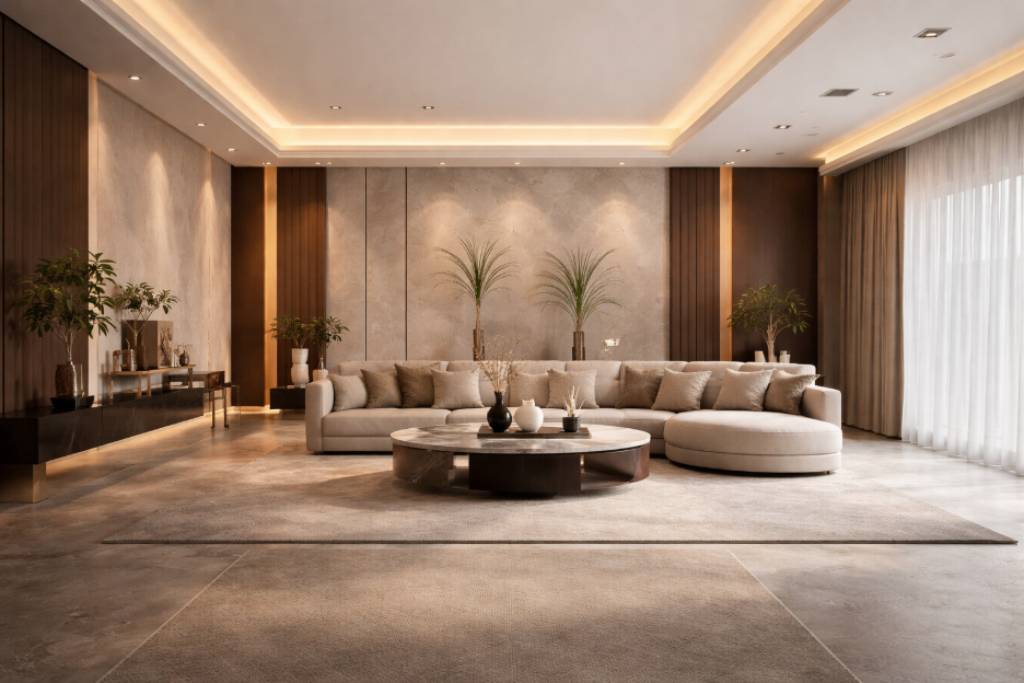
A modern home interior is defined by clarity. Of space, of purpose, and of design language. It prioritises clean lines, open layouts and a sense of visual calm.
But beyond minimalism, modern interiors today are about warmth and livability. At Design First, this translates into spaces that feel thought-through rather than sparse. Where every element has intent and nothing feels excessive.
The essence lies in balance. A home that looks refined but feels deeply personal.
You can also explore more on living by design to understand how spaces are shaped with intention and clarity.
Elements of a Modern Home Interior
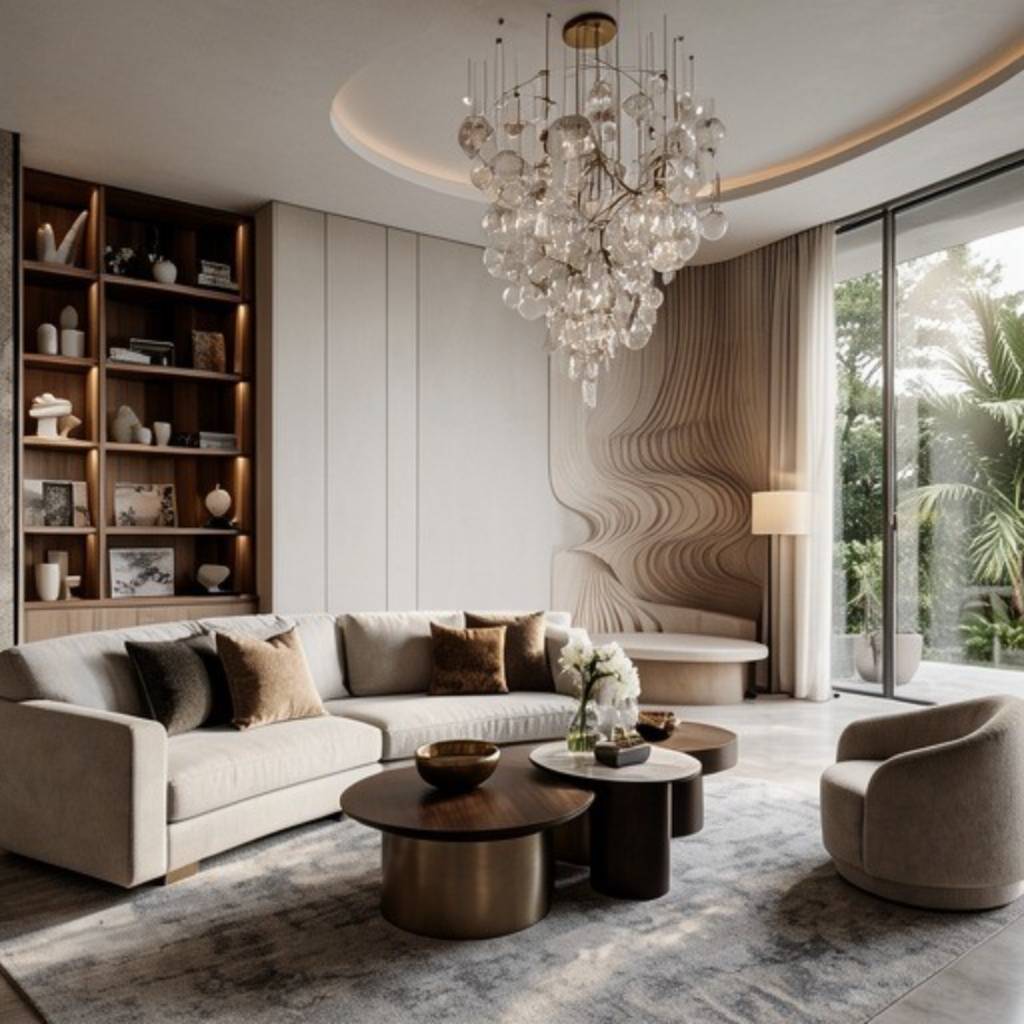
Every compelling home interior idea is built on a foundation of well-considered elements. Layout planning ensures fluid movement, while materials define the tactile experience of a space.
Lighting shapes mood, furniture establishes structure and textures add depth. At Design First, these elements are never treated in isolation. They are layered thoughtfully, so the home feels cohesive, not assembled.
It is this orchestration that turns a house into a designed home.
Read more about ergonomics and aesthetics to understand how comfort and design work seamlessly together.
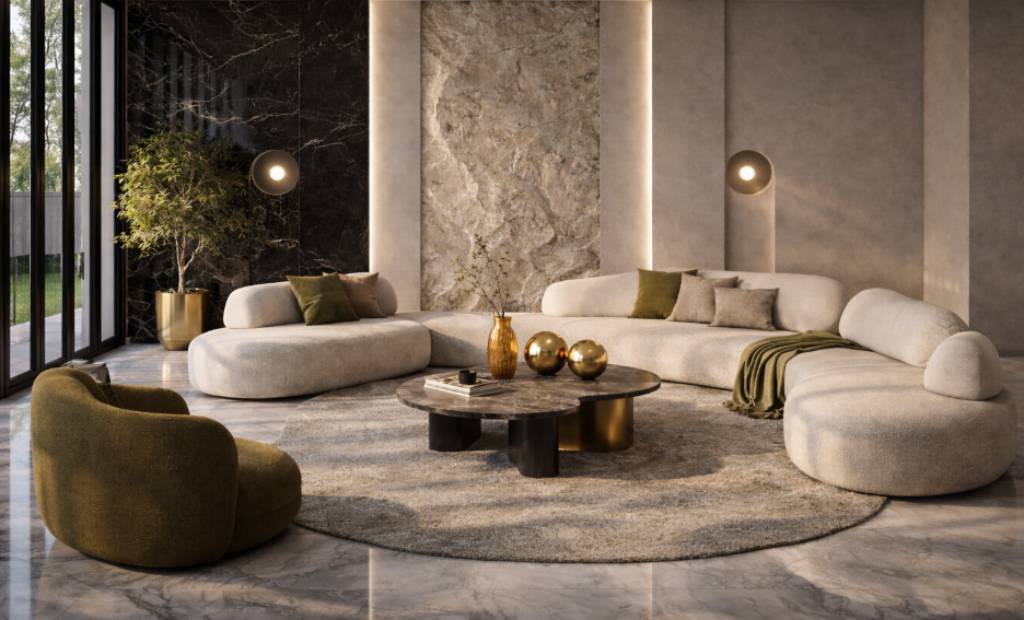
Room-wise Modern Interior Design Ideas
A well-designed home considers each room individually, while maintaining a unified narrative throughout. Different spaces demand different moods. But they must still feel connected.
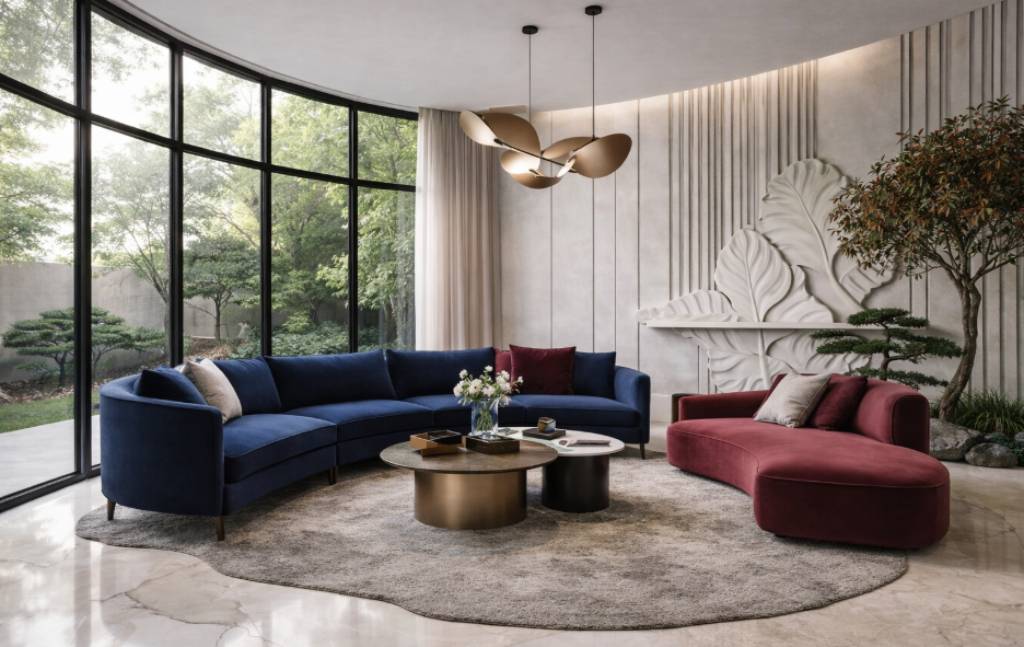
Living Room Interior Design Ideas That Create a Statement
The living room often sets the tone for the entire home. It is where design becomes immediately visible.
Statement furniture, layered lighting and subtle focal points such as a textured wall or a sculptural piece create a space that feels inviting yet composed. Design First often approaches living rooms as social landscapes, balancing openness with defined zones.
You can also explore drawing room interior ideas for more inspiration on designing impactful living spaces.
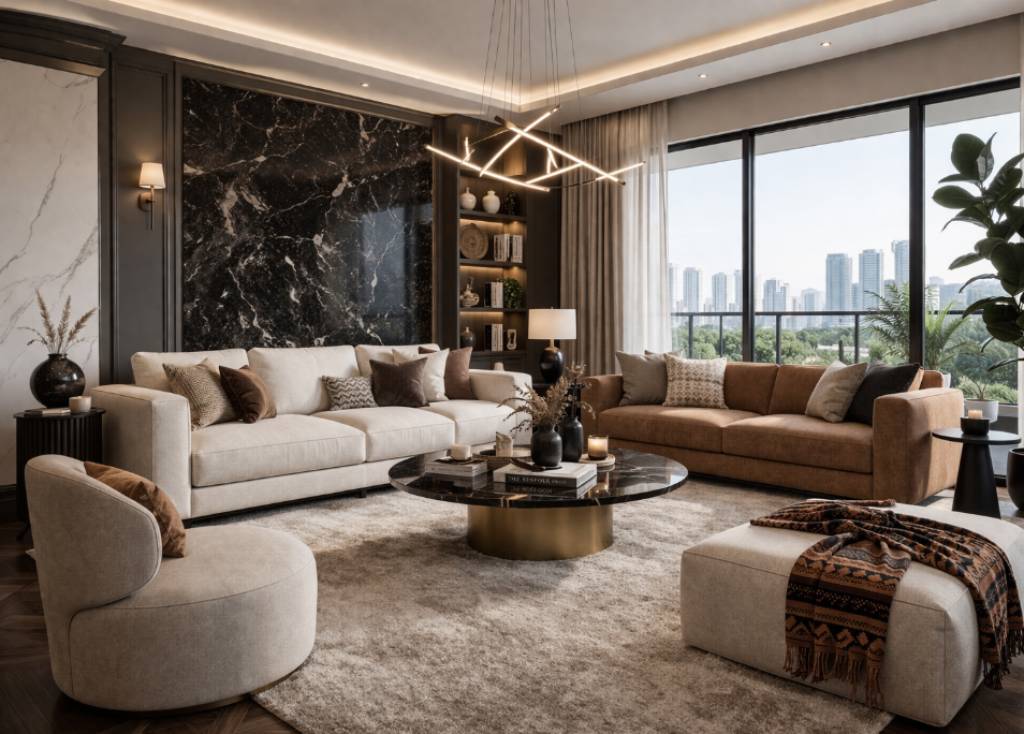
Bedroom Interior Design Ideas for Comfort and Style
Bedrooms are deeply personal spaces, where comfort takes precedence without compromising on design.
Soft lighting, layered textiles and calming palettes create a sense of retreat. Upholstered elements, warm finishes and thoughtful detailing ensure that the room feels both restful and refined.
For a more expressive and relaxed approach, you can read more about bohemian interior design style.
Dining Room Interior Design Ideas for Elevated Gatherings
The dining space is where design meets experience. It should feel intimate, yet open enough for conversation.
A well-proportioned dining table, statement lighting above and carefully chosen finishes create a setting that enhances shared moments. At Design First, dining areas are designed to feel intentional. Never incidental.
If you’re exploring ceiling enhancements, you can also read more about pop design for hall to elevate spatial depth.
Kitchen Interior Design Ideas for Modern Homes
Modern kitchens are no longer purely functional. They are integral to the home’s design language.
Streamlined cabinetry, smart storage and cohesive materials define the space. Whether compact or expansive, a well-designed kitchen integrates seamlessly into the overall interior design house concept, ensuring both efficiency and visual harmony.
You can also explore tropical themed rooms to understand how natural materials and openness influence modern interiors.
Colour Schemes That Elevate Home Interior Design
Colour has the power to transform perception, making spaces feel larger, warmer, or more intimate.
Neutral Colour Palettes for Timeless Interiors
Neutral tones such as soft whites, greys and beiges create a calm and versatile foundation. They allow materials, textures and furniture to take centre stage while maintaining a sense of visual continuity.
Bold Accent Colours for Contemporary Homes
Strategic use of bold colours introduces personality without overwhelming the space. Whether through a feature wall, a statement chair, or curated decor, accents create focal points that feel deliberate.
Earthy Tones for Warm and Inviting Spaces
Earth-inspired hues like terracotta, olive and warm browns bring depth and grounding. These colours work particularly well in modern homes that seek to balance minimalism with warmth.
At Design First, colour palettes are always contextual. Tailored to the architecture, lighting and lifestyle of the home.
For expert guidance tailored to your space, you can connect with a residential interior designer.
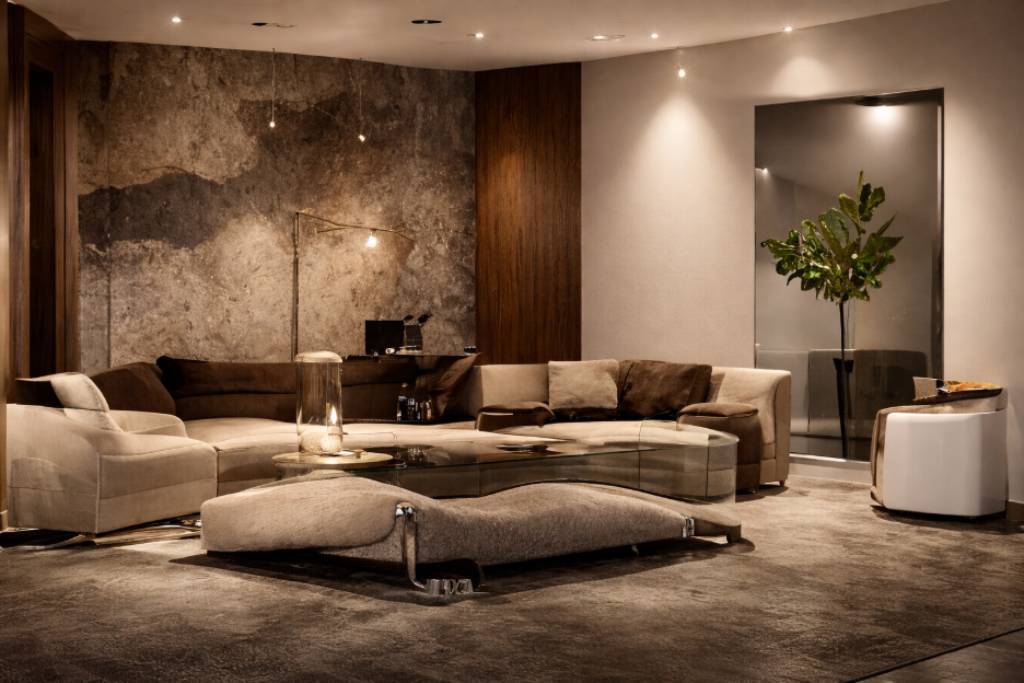
Interior Design Styles That Inspire Modern Homes
Understanding design styles helps in shaping a cohesive home. While many homes blend influences, having a clear direction ensures consistency.
Contemporary Interior Design Style
Defined by clean lines and uncluttered layouts, contemporary interiors focus on functionality and visual clarity. The result is a space that feels modern yet comfortable.
Scandinavian Inspired Interiors
Scandinavian design brings together simplicity, light and natural materials. Airy spaces, minimal furniture, and soft textures create a sense of calm that feels effortless.
Modern Luxury Interior Design
Modern luxury interiors focus on materiality and detail. High-quality finishes, statement lighting and refined palettes create spaces that feel elevated without being ostentatious.
Design First often draws from multiple styles, composing them into a singular vision that reflects the homeowner’s lifestyle.
Common Interior Design Mistakes to Avoid
Even the most beautiful home decor ideas can fall short without thoughtful execution.
Overcrowding a space can disrupt flow and diminish impact. Poor lighting can flatten even the most carefully designed interiors. Mismatched materials or colours can break visual harmony.
At Design First, the emphasis is always on restraint and intention, ensuring that every decision contributes to a cohesive whole.
FAQ
Textures and materials enhance modern interiors by adding depth and visual interest.
Layering finishes such as matte surfaces, natural wood, and soft fabrics creates a space that feels rich without feeling overwhelming.
Lighting and textures enhance interior design by adding depth, dimension and mood.
Layered lighting creates atmosphere, while varied textures such as wood, fabric and stone bring richness and tactility to a space.
The best modern home interior design ideas focus on clean layouts, cohesive colour palettes and thoughtful material selection.
From a design-first perspective, it is about creating spaces that feel intentional. Where furniture, lighting and textures work together seamlessly to reflect both comfort and refined living.
The latest trends in home interior design include warm minimalism, layered textures and natural materials.
Rather than following trends literally, Design First focuses on interpreting them. Ensuring that homes feel timeless while still being relevant.
Contemporary, Scandinavian and modern luxury styles are among the most popular for modern homes.
Each offers a different interpretation of simplicity and sophistication. And Design First often blends these influences to create personalised interiors.
A home interior looks contemporary through clean lines, balanced layouts and refined materials.
The sense of sophistication comes from restraint. Carefully chosen elements, cohesive palettes and a clear design direction, all of which are central to Design First’s approach.
Modern home interiors are best suited to furniture that is clean-lined, functional and proportionate to the space.
At Design First, furniture is selected not just for style but for how it integrates into the overall composition of the home.
Neutral palettes with subtle contrasts and occasional accent tones are ideal for modern home interiors.
These palettes create a cohesive backdrop that allows architectural elements and materials to stand out.
Neutral tones, earthy hues and controlled accent colours work best for modern home interiors.
In premium homes, colours are chosen not just for visual appeal but for how they interact with light, materials and spatial flow. Creating a balanced and immersive environment.