- Why Open Kitchen Design is Dominating Luxury Interiors in 2026
- 15 Open Kitchen Design Trends for Luxury Interiors in 2026
- Why Open Kitchen Design is Dominating Luxury Interiors in 2026
- Planning an Open Kitchen: What Truly Matters
- Is an Open Kitchen Right for Every Home?
- Layout Principles for Open Kitchen Design (Step-by-Step Planning Guide)
- Common Mistakes to Avoid in Open Kitchen Design
- A Space That Reflects How You Live
- FAQ
Open kitchens have moved beyond being a layout choice. They are now a defining element of modern luxury homes.
Once designed to be hidden, kitchens today are integrated, expressive and central to how a home is experienced. The open kitchen design reflects this shift, where cooking, hosting and everyday living come together in one seamless environment.
In contemporary urban homes, especially where space is valuable, openness creates both visual and emotional continuity. Light travels freely, materials feel uninterrupted and the kitchen becomes part of the larger design narrative.
An open kitchen style is not just about removing walls. It is about creating spaces that feel connected, intentional and effortlessly refined. This guide explores the key trends, layouts and materials shaping open kitchen interior design in 2026.
Why Open Kitchen Design is Dominating Luxury Interiors in 2026
Luxury today is not always about scale. It is about experience.
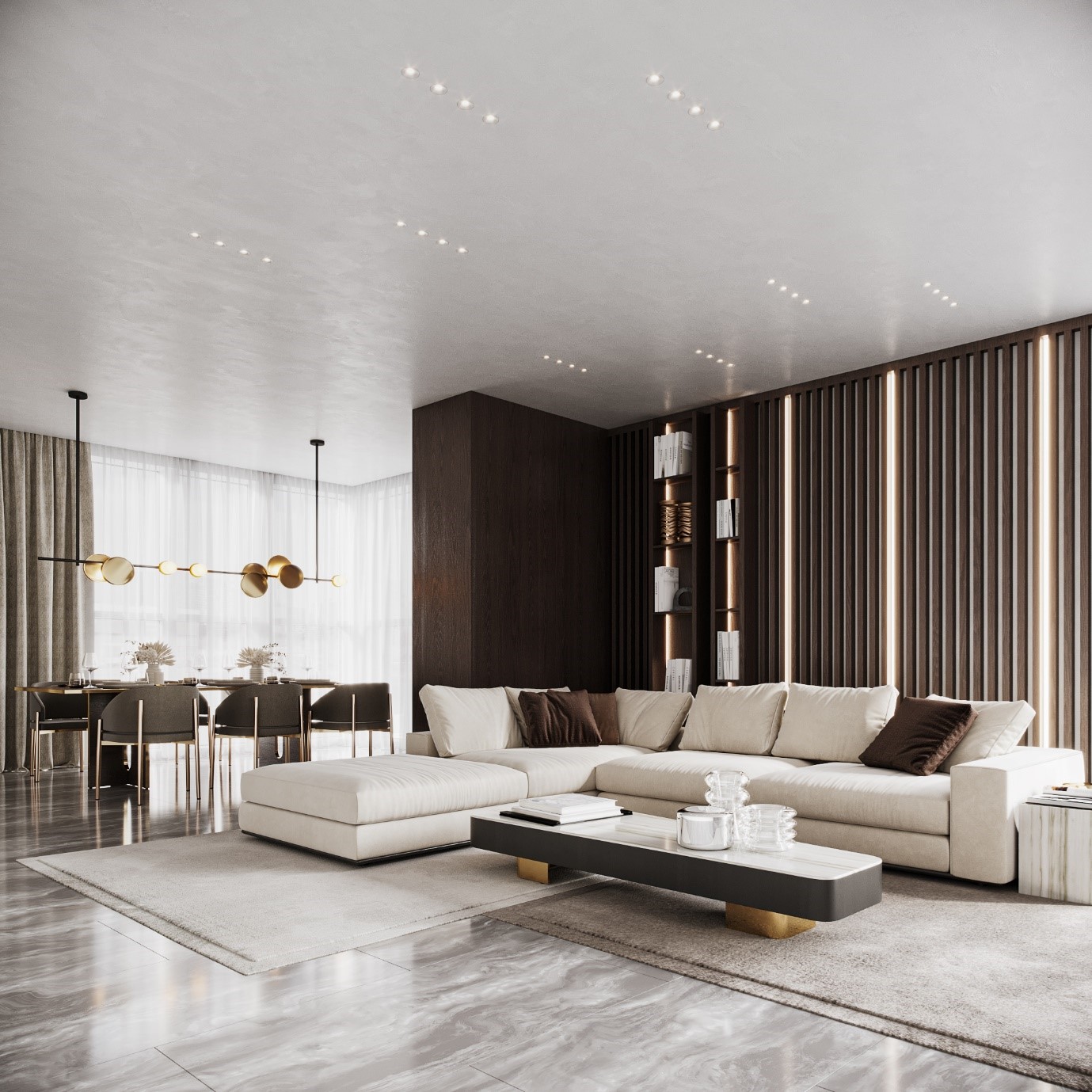
An open kitchen interior design creates a sense of expansiveness that is difficult to achieve with enclosed layouts. Without walls breaking continuity, light travels freely, materials feel uninterrupted and the home begins to breathe as one cohesive space.
There is also an effortless sophistication in how an open kitchen holds its presence. It is always visible, which means every element within it must be intentional. Finishes, proportions and detailing come together to create a space that is both functional and refined.
In many ways, the open kitchen has become a marker of modern luxury because it demands design discipline. Everything is seen. Nothing can be overlooked.
15 Open Kitchen Design Trends for Luxury Interiors in 2026
As open kitchens continue to evolve, the focus is shifting towards designs that are not just visually refined, but also deeply functional. The following trends are curated to reflect a future forward approach to luxury living, luxury room, where aesthetics, practicality and materiality come together seamlessly.
Designed with Indian homes in mind, these ideas balance openness with everyday usability. Each trend explores how thoughtful layouts, premium materials and intelligent detailing can elevate the kitchen into a space that is both elegant and efficient.
Seamless Kitchen and Living Room Integration
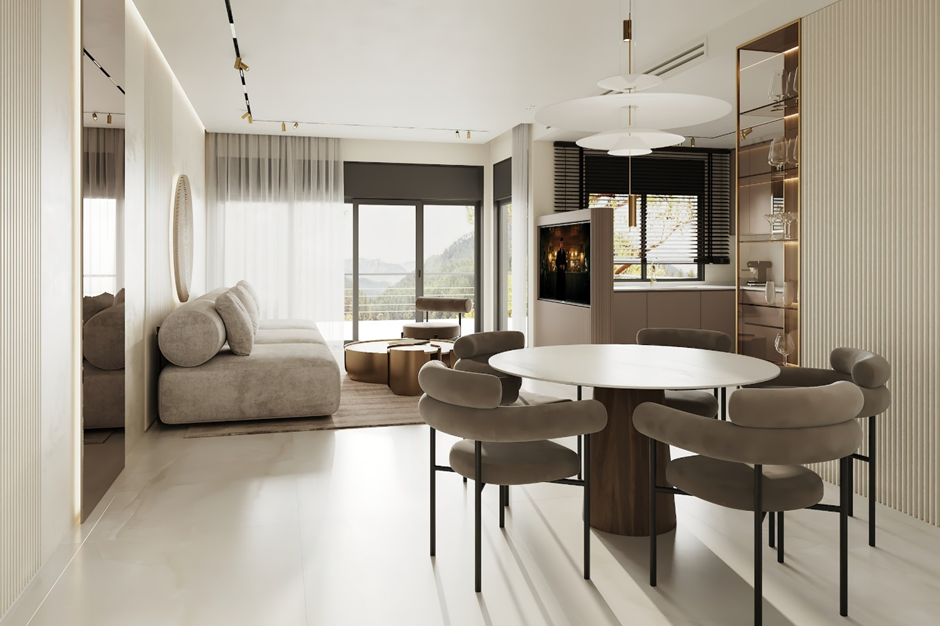
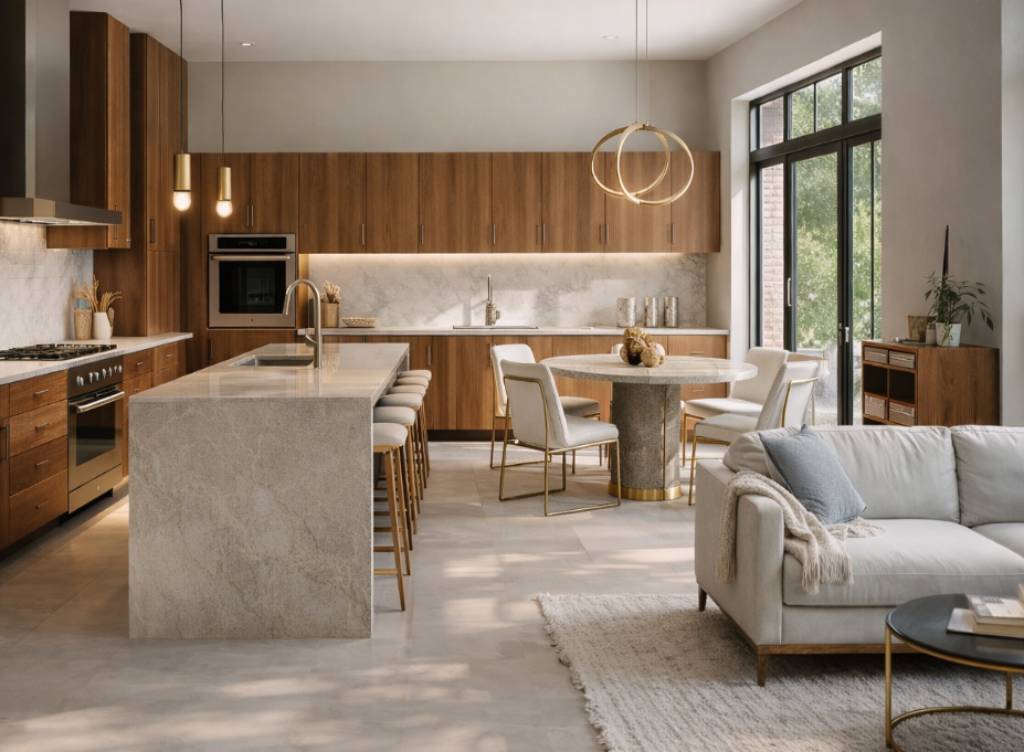
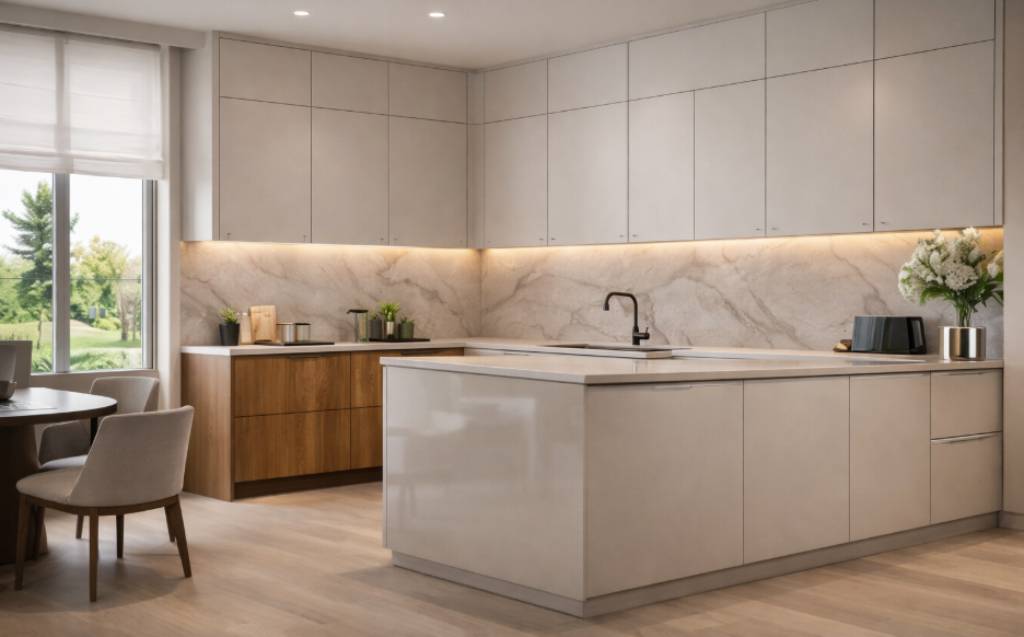
Seamless integration remains one of the most defining approaches. By maintaining consistency in materials, flooring and colour tones, the kitchen flows effortlessly into the living or dining area. There are no abrupt transitions,only a cohesive environment where the kitchen feels like a natural extension of the home.
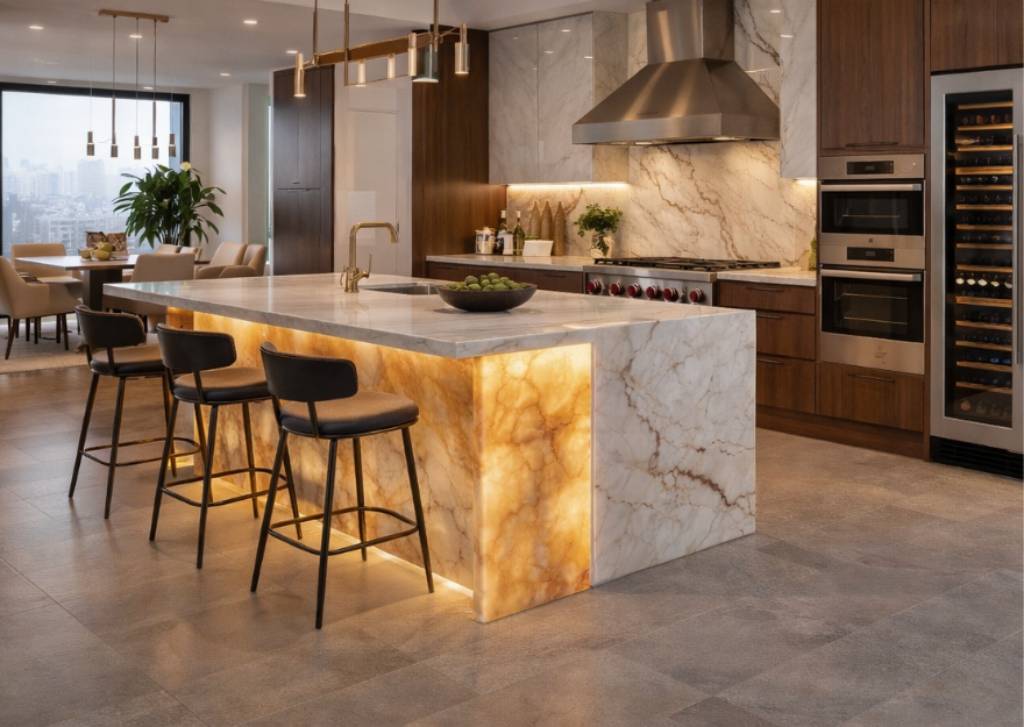
Statement Kitchen Islands with Premium Finishes
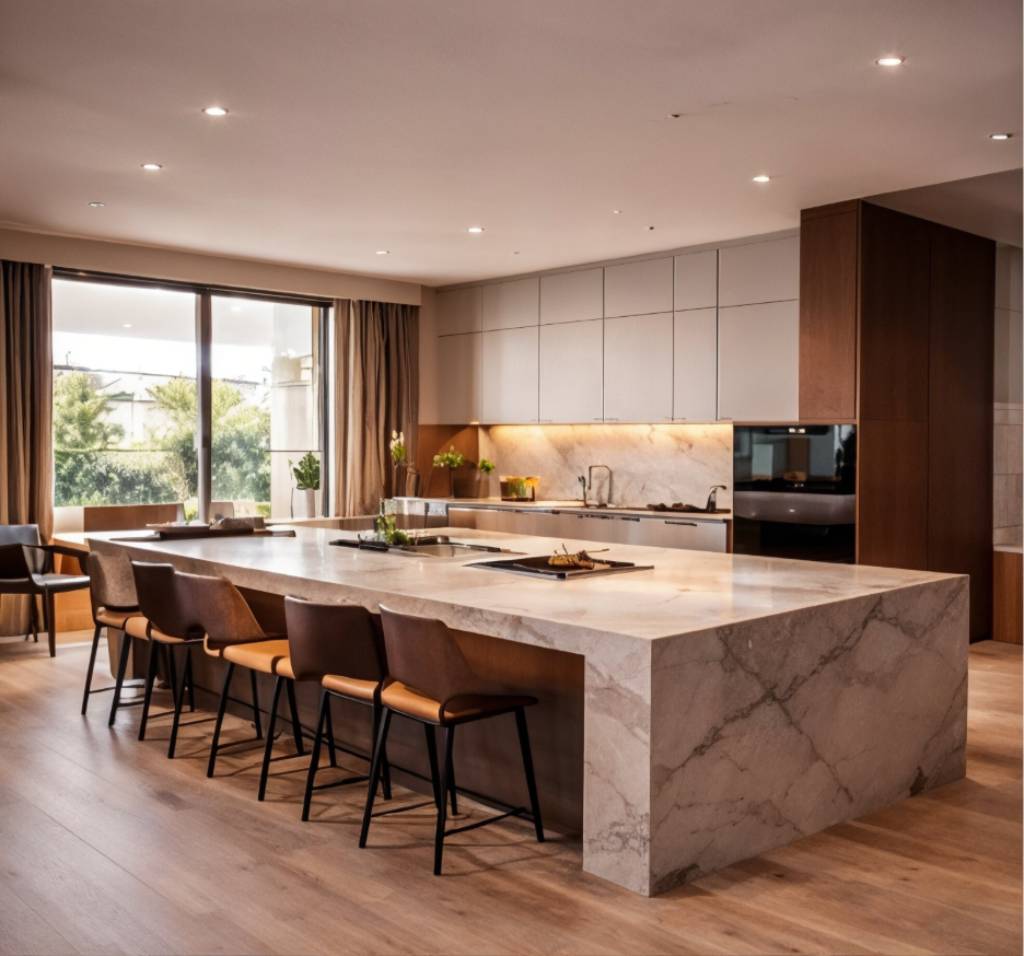
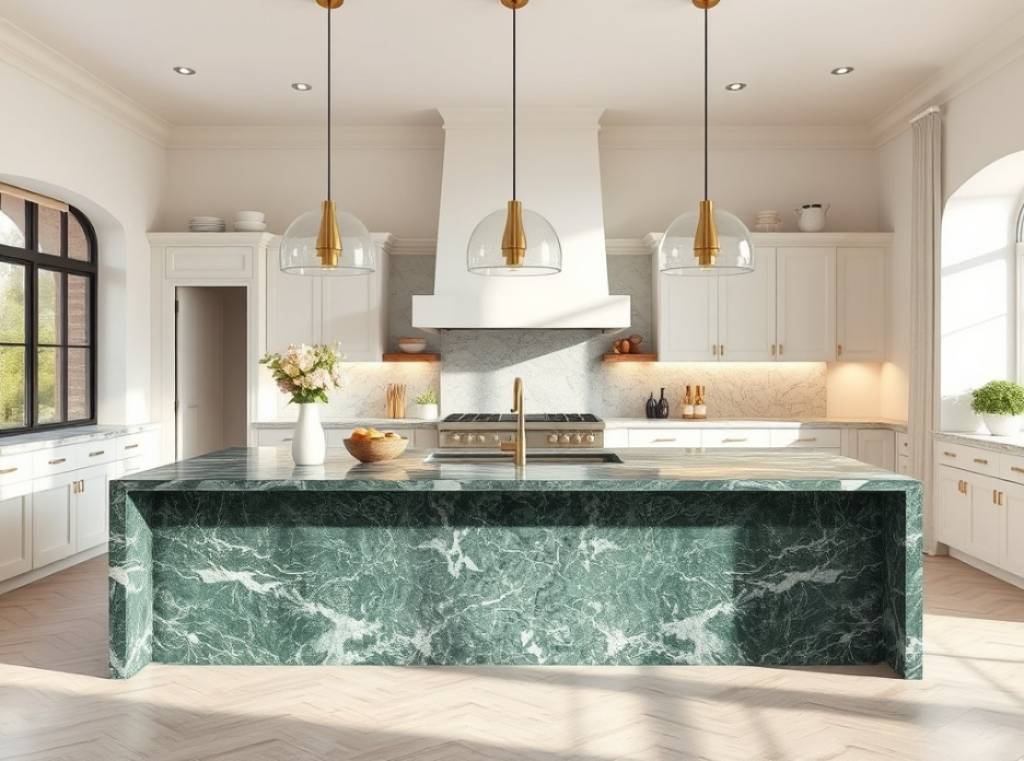
Kitchen islands have evolved into statement features. Beyond functionality, they anchor the space visually, often crafted in stone, wood or composite finishes that add presence and depth.
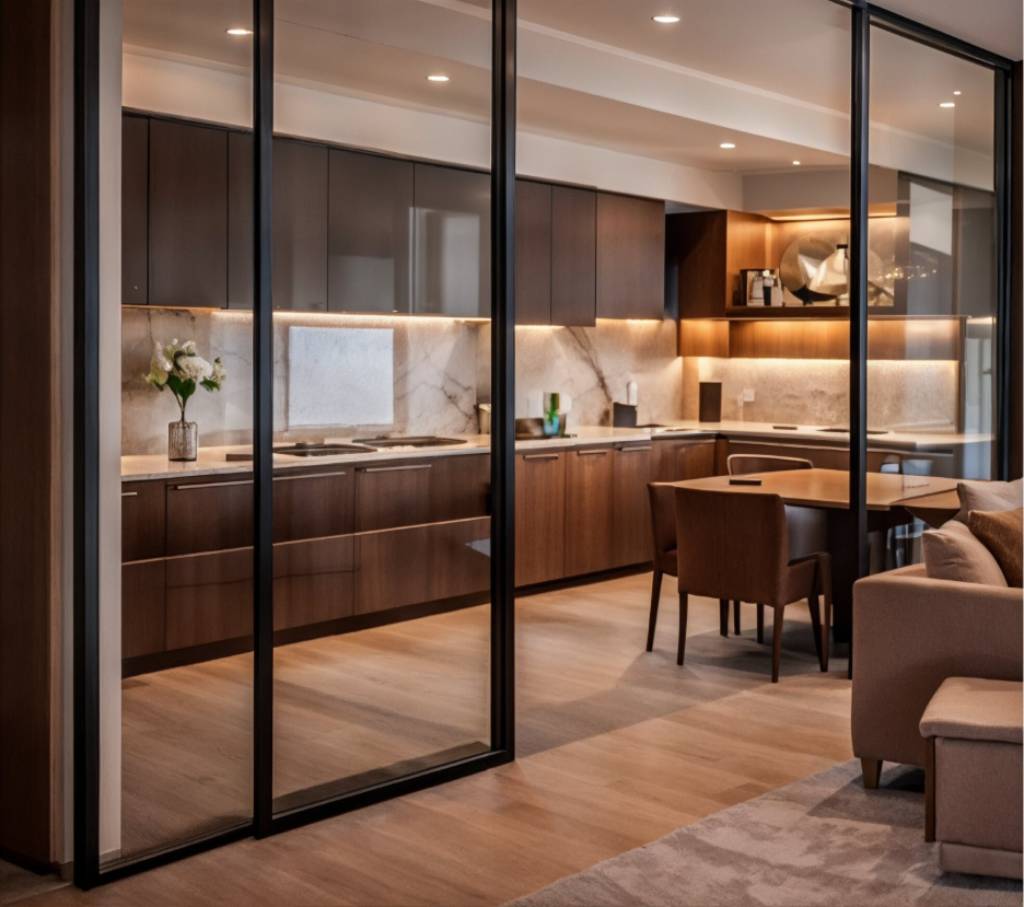
Glass Partitions for Semi Open Flexibility
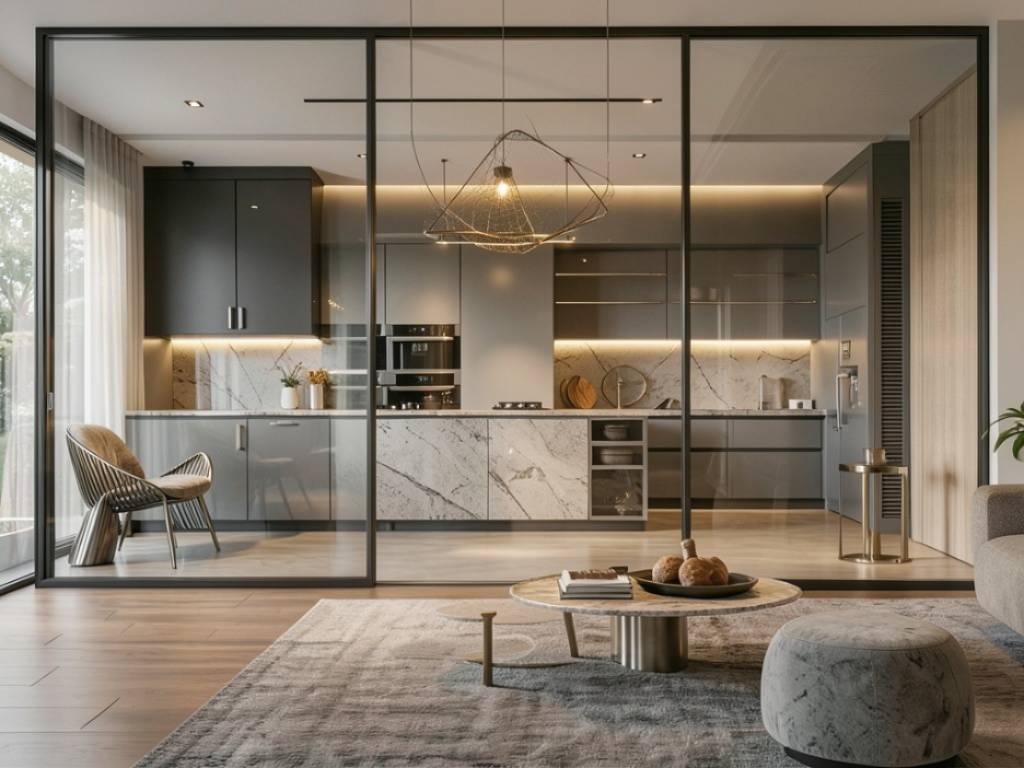
For homes where complete openness may feel overwhelming, glass partitions offer a refined alternative. They maintain visual continuity while subtly addressing concerns like cooking fumes or noise, making them especially relevant in Indian contexts.
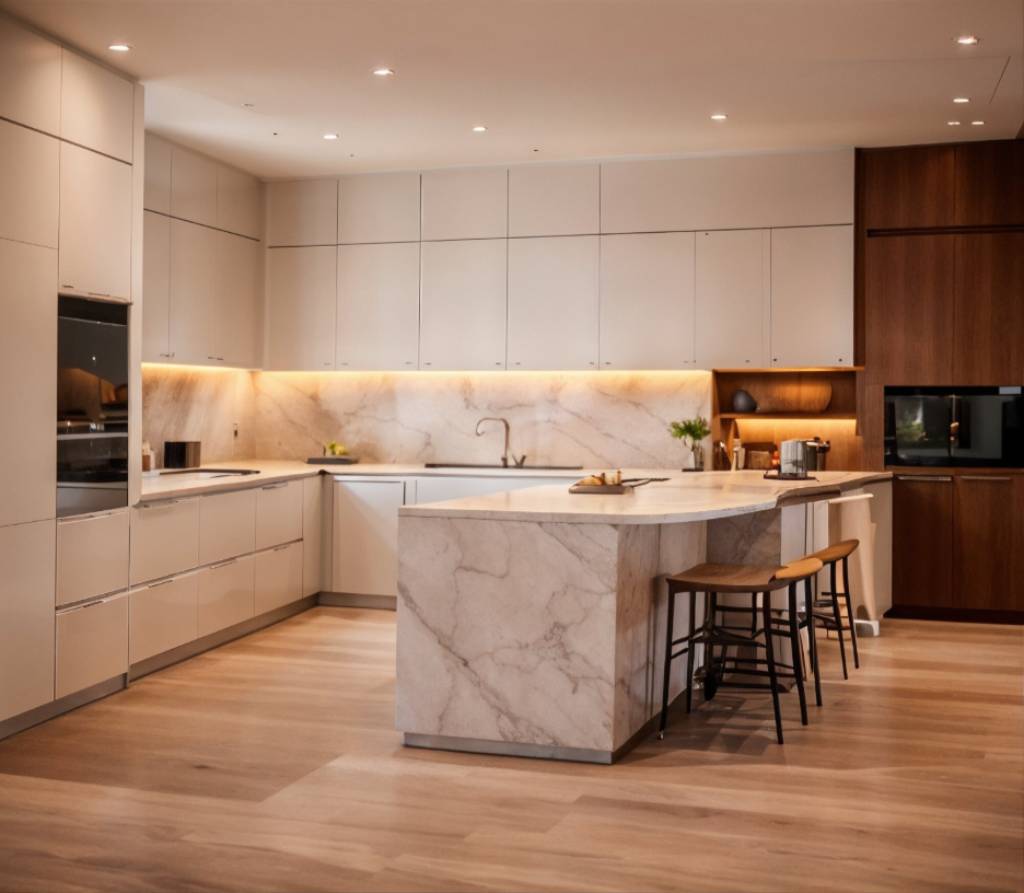
Minimalist Handleless Cabinet Designs
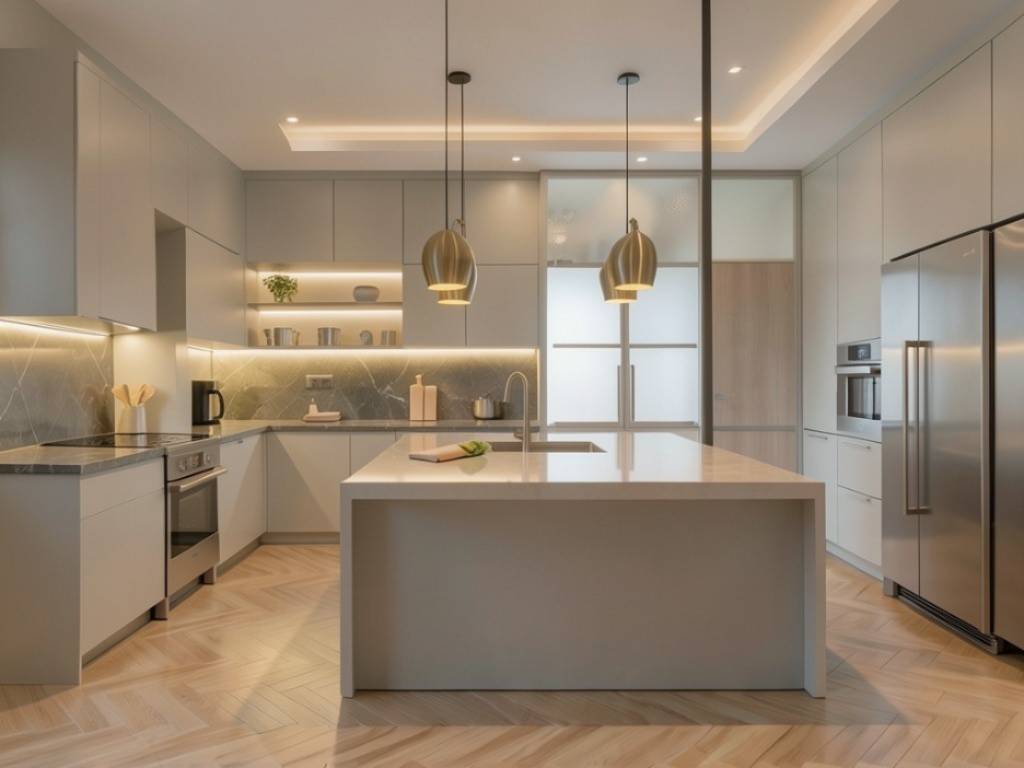
Storage becomes critical in an open layout. With everything on display, clutter must be carefully concealed. Handle less cabinetry, integrated storage and hidden appliances help maintain a clean, uninterrupted aesthetic.
High End Material Palette (Marble, Quartz, Wood)
Material selection plays a defining role. Surfaces such as marble, quartz and natural wood are chosen not only for their visual appeal, but for how they age and interact with light, adding richness without excess.
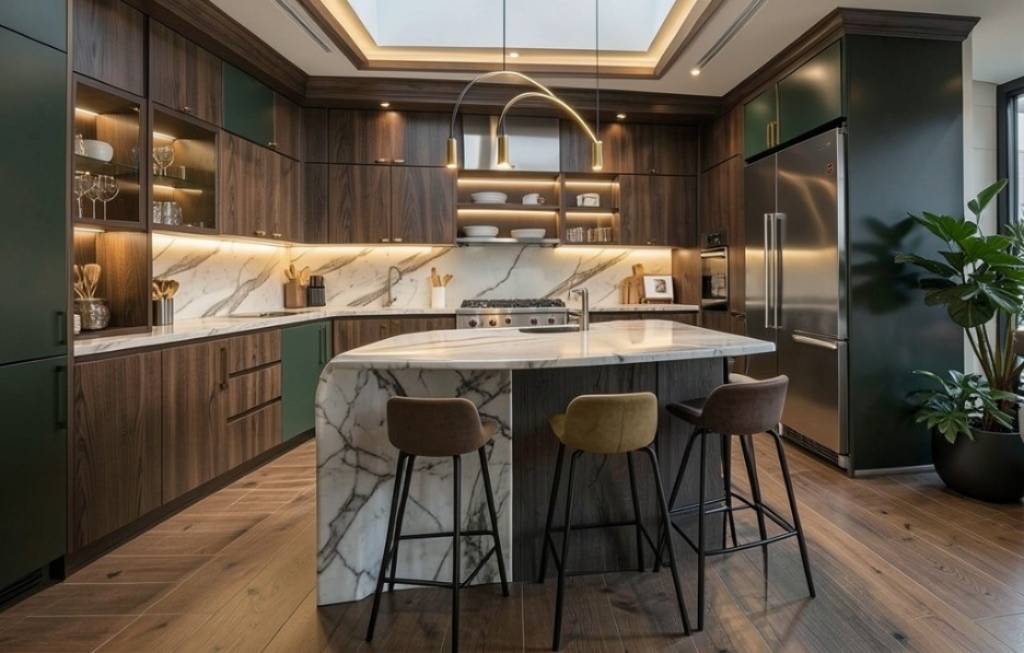
Integrated Lighting for Ambience & Function
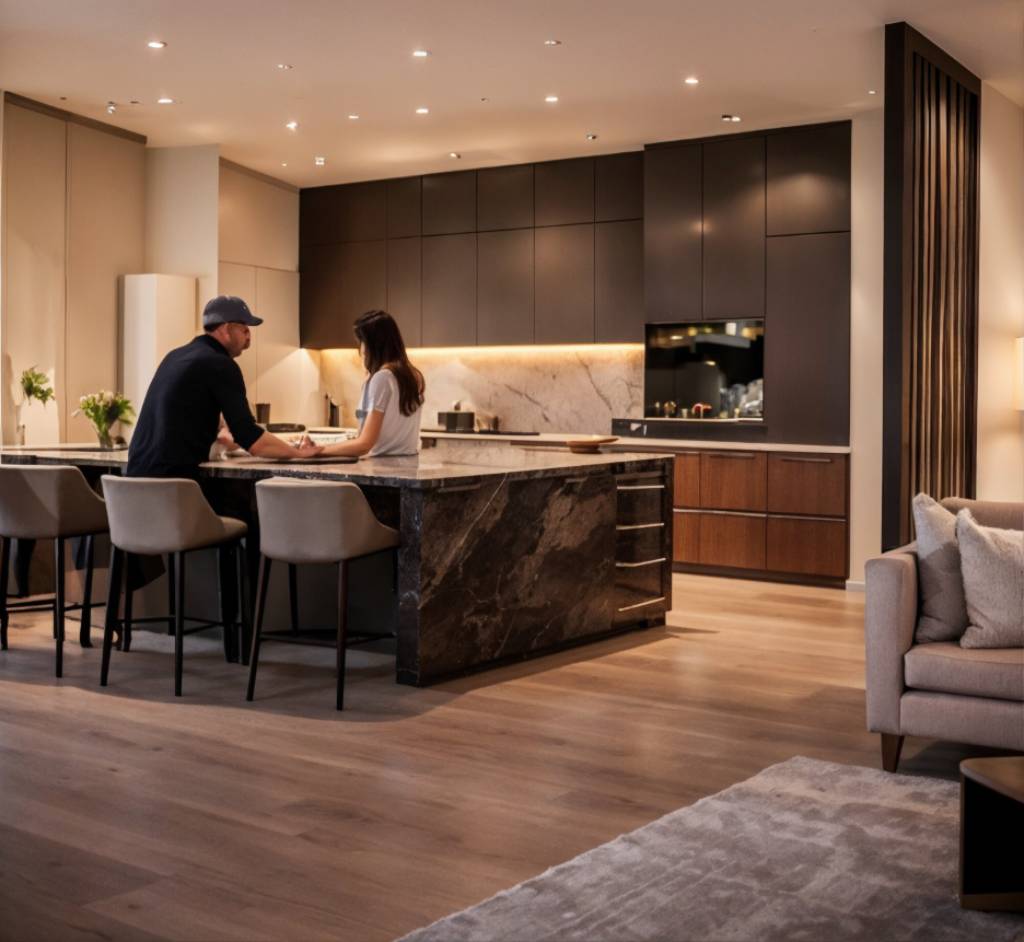
Lighting is equally considered. Functional layers support everyday use, while softer ambient lighting allows the kitchen to transition seamlessly into the mood of the living space.
Why Open Kitchen Design is Dominating Luxury Interiors in 2026
Luxury living today is defined by connection. Not just through design, but through how spaces are experienced every day. The modern home is no longer a collection of separate rooms, but a fluid environment where living, dining and cooking come together seamlessly.
Open kitchen design reflects this evolution. It supports a more social way of living, where conversations continue while meals are prepared, and hosting becomes effortless rather than structured. The kitchen is no longer hidden. It is part of the experience.
In urban Indian homes, where space is both valuable and intentional, openness brings a sense of expansion. Without walls interrupting the flow, light moves freely, materials feel continuous and the home appears larger, calmer and more cohesive.
There is also a strong emotional appeal. Open kitchens encourage togetherness. They allow families to interact more naturally and make hosting feel more inclusive. Whether it is a casual evening with friends or everyday routines, the kitchen becomes a shared space rather than a solitary one.
At the same time, open kitchens have become a marker of premium design. Their visibility demands a higher level of detail, from seamless cabinetry and integrated appliances to refined materials and layered lighting. Every element must feel considered, creating a space that is both functional and visually elevated.
This balance of openness, functionality and aesthetic discipline is what makes open kitchen design a defining feature of luxury interiors in 2026.
Planning an Open Kitchen: What Truly Matters
A well executed open modular kitchen is not accidental. It is carefully planned.
The first consideration is flow. The kitchen must feel connected, yet clearly defined in its function. This is often achieved through subtle zoning. A change in ceiling detail, a shift in lighting, or even the placement of furniture can distinguish the kitchen without enclosing it.,
The classic kitchen work triangle remains relevant. The relationship between the stove, sink and refrigerator must be efficient, ensuring ease of movement while cooking. This principle, often referred to as the three kitchen rule, continues to guide thoughtful layouts even in contemporary spaces.
Ventilation is another critical factor, particularly in Indian homes. A high quality chimney and proper air circulation are essential to ensure that the openness of the space does not lead to discomfort.
Colour also plays a significant role in how the space is perceived. Neutral palettes often work best, allowing the kitchen to blend effortlessly with the rest of the home. Accents can then be introduced through materials or subtle detailing, rather than overwhelming colour contrasts.
Is an Open Kitchen Right for Every Home?
The appeal of the open kitchen concept is undeniable, but it is not without its considerations.
For many the openness enhances everyday living. It allows for interaction, makes spaces feel larger and creates a more inclusive environment. Hosting becomes easier. And the kitchen becomes a part of the experience rather than a separate function.
However, it also requires a certain level of discipline. Since the kitchen is always visible, it demands consistent upkeep. Storage must be well planned, and surfaces must remain uncluttered.
For Indian homes, concerns around cooking aromas and smoke are often raised. This is where thoughtful planning makes all the difference. With the right ventilation systems and layout strategies, these challenges can be effectively addressed.
The question is not whether an open kitchen is better than a closed one. It is whether it aligns with how you live. When designed with intent, it enhances both functionality and experience.
Layout Principles for Open Kitchen Design (Step-by-Step Planning Guide)
Planning an open kitchen requires more than removing walls. It is about creating a space that feels connected, functional and visually balanced. Whether you are designing from scratch or upgrading an existing layout, a structured approach ensures the kitchen integrates seamlessly with the rest of the home.
Step 1: Define the Overall Flow
Start by understanding how the kitchen will connect with adjacent spaces like the living or dining area. The goal is to maintain visual continuity while ensuring the kitchen remains clearly functional. A well-planned open kitchen should feel fluid, not undefined.
Step 2: Establish Functional Zones
Even in an open layout, zoning is essential. Divide the space into key areas such as cooking, preparation and cleaning. This ensures efficiency without disrupting the openness. Subtle cues like changes in lighting, ceiling details or furniture placement can help define these zones without physical barriers.
Step 3: Plan the Kitchen Work Triangle
The relationship between the stove, sink and refrigerator often referred to as the kitchen work triangle remains fundamental. Positioning these elements thoughtfully ensures smooth movement and reduces unnecessary steps while cooking.
Step 4: Integrate the Layout with Living Spaces
An open kitchen should feel like an extension of the home, not a separate unit. Maintain consistency in materials, flooring and colour palettes to create a cohesive look. This helps the kitchen blend effortlessly into the overall design language.
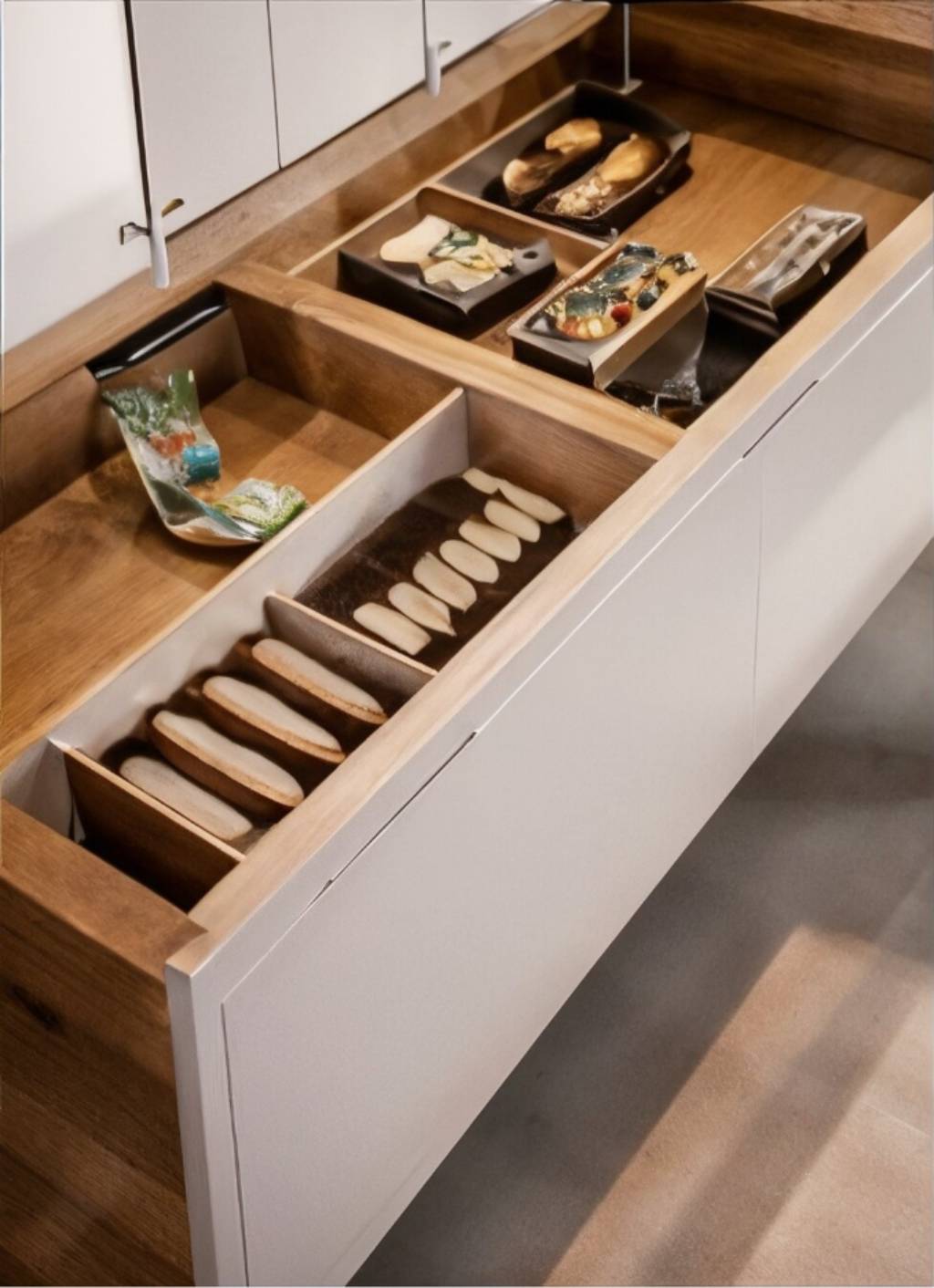
Step 5: Optimise Storage and Concealment
With everything visible, storage becomes critical. Plan for handle less cabinetry, integrated appliances and concealed storage solutions to keep the space clean and uncluttered. A well organised kitchen enhances both usability and aesthetics.
Step 6: Consider Ventilation and Practical Needs
In open kitchens, ventilation plays a key role, especially in Indian homes. Invest in a high-quality chimney and ensure proper air circulation to manage cooking fumes without affecting adjoining spaces.
Step 7: Layer Lighting Thoughtfully
Lighting should serve both function and ambience. Combine task lighting for cooking areas with softer ambient lighting to ensure the kitchen transitions seamlessly into the mood of the living space.
Common Mistakes to Avoid in Open Kitchen Design
An open kitchen can elevate a home, but only when executed with care.
One of the most common oversights is underestimating storage. Without adequate concealed storage, even the most beautifully designed kitchen can begin to feel cluttered.
Another is ignoring ventilation. In a closed kitchen, these issues remain contained. In an open layout, they travel. Investing in the right systems from the beginning is essential.
There is also a tendency to treat the kitchen as a separate design element, even within an open plan. This often leads to a disconnect between spaces. The most successful designs are those where the kitchen feels like it belongs, not stands apart.
A Space That Reflects How You Live
At its core, an open kitchen design is not just about removing walls. It is about rethinking how a home functions.
It brings together cooking, conversation and everyday living into a single, cohesive experience. It allows spaces to feel larger, lighter, and more connected. And when designed with intention, it becomes one of the most compelling parts of the home.
Because your home deserves to be a reflection of your personality, an expression of how you live and what you love.
The Design First signature style test helps uncover what inspires you through a series of thoughtful, visual choices. Each response reveals patterns that guide us toward interiors that feel effortless, balanced and unmistakably yours. It is not a quiz but an exploration of taste, an experience that slows you down just enough to notice what feels right.
Your selections help our team translate instinct into intention. Every texture, tone and material you are drawn to forms the foundation for personalised interior design styles that are both beautiful and practical.
Think of it as the first conversation in design, an introduction to your sense of comfort, rhythm and proportion. Whether it is the calm of minimal lines, the warmth of natural wood or the confidence of layered neutrals, these choices begin to shape a home that feels entirely your own.
For those exploring modern house design in Mumbai, this approach allows every open space, including the kitchen, to feel intentional rather than incidental.
Because the right style is not chosen. It is discovered.
FAQ
Focus on layout planning, efficient storage, proper ventilation and material continuity with surrounding spaces. Every element should feel intentional and cohesive.
It depends on lifestyle. Open kitchens suit those who prefer connected, social spaces, while closed kitchens offer more separation and privacy.
Yes, when designed with proper ventilation and storage. Glass partitions or semi-open solutions can also help balance openness with practicality.
Potential concerns include visibility of clutter, cooking smells, and noise. These can be addressed with thoughtful design and planning.
It refers to the kitchen work triangle. The optimal placement of the stove, sink and refrigerator to ensure efficiency and ease of movement.
Neutral tones such as whites, beiges, greys, and soft wood finishes work best, as they create visual continuity and a timeless appeal.
An open kitchen is a layout where the kitchen is integrated with adjacent living or dining spaces, without full walls separating them. It creates a sense of openness and encourages interaction.
Linear or L-shaped layouts work well in smaller homes, often paired with a compact island or breakfast counter for added functionality.