- Why Modern Interior Office Design Ideas Matter Today
- Elements of a Thoughtful Office Design
- 12 Interior Office Design Ideas for Modern Workspaces
- 1. Open Layout for Collaborative Workspaces
- 2. Biophilic Design with Natural Elements
- 3. Ergonomic Furniture for Productivity
- 4. Smart Storage and Space Optimisation
- 5. Brand-Focused Office Interiors
- 6. Flexible Work Zones for Hybrid Work
- 7. Statement Lighting for Modern Offices
- 8. Minimalist Design for Elegant Spaces
- 9. Technology-Integrated Smart Offices
- 10. Breakout Spaces for Creativity
- 11. Acoustic Design for Focus
- 12. Mixed Material Design for Depth
- Common Mistakes to Avoid in Office Interior Design
- How to Choose the Right Interior Office Design Idea for Your Space
- FAQ
Workspaces today are a reflection of how a business thinks, feels and functions. The modern workplace is no longer defined by desks and chairs alone. It is shaped by intention, experience and of course, design.
The best interior office design ideas today go beyond aesthetics. They influence productivity, shape employee behavior and quietly communicate a brand’s identity to everyone who walks in. Whether it’s a compact home office or a large corporate setup, the way a space is designed determines how effectively it performs.
At Design First, this belief forms the foundation of every project. Through the Design First Style Test, the process begins not with layouts or materials, but with understanding your work style, preferences and aspirations. Ensuring that every office space design decision feels aligned, purposeful and personal.
Why Modern Interior Office Design Ideas Matter Today
Work culture has evolved and so has the expectation from office spaces. With hybrid work models, longer working hours and increasing emphasis on wellbeing, design now plays a far more critical role than before.
A well thought out office interior design strategy can significantly improve focus, reduce fatigue and encourage collaboration. Natural light, comfortable seating and clear spatial zoning help employees stay engaged, while thoughtful layouts make movement intuitive and efficient.
Beyond functionality, design also shapes perception. A refined contemporary office interior design instantly communicates professionalism and attention to detail. Leaving a lasting impression on clients and visitors.
In many ways, the office has become an extension of the brand itself.
Elements of a Thoughtful Office Design
Before exploring specific ideas, it is important to understand what makes an office truly work.
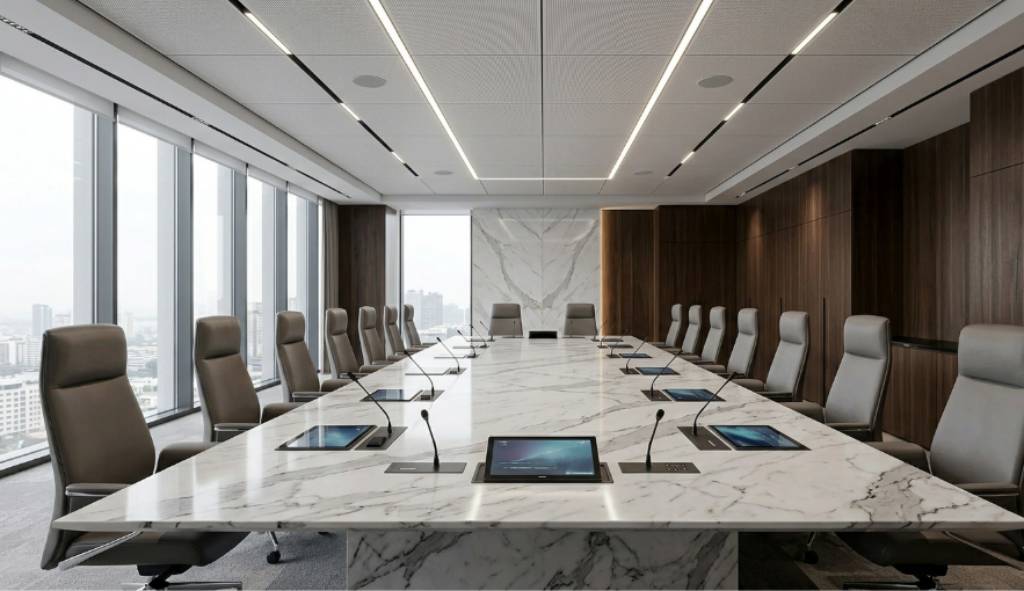
Space planning forms the backbone of any successful office room interior design. The way areas are divided. Whether for focus, collaboration, or relaxation determines how smoothly the office functions.
Lighting is equally critical. A mix of natural light, ambient lighting and focused task lighting ensures visual comfort throughout the day.
Colour plays a powerful role. Softer tones promote calm and focus, while deeper or bolder hues can add energy and identity to the space.
Furniture must balance comfort and efficiency. Ergonomic choices are no longer optional. They are essential for long term productivity.
Finally, storage and organisation ensure that the space remains clutter-free, allowing the design to feel intentional rather than chaotic.
At Design First, these decisions are never made in isolation. The Design First Style Test ensures that every element is guided by clarity. Eliminating guesswork and creating a cohesive direction from the very beginning.
This early clarity helps shape a signature style that feels consistent, intentional and aligned with the way you work.
12 Interior Office Design Ideas for Modern Workspaces
The most effective office interior design ideas are those that adapt to your space, your work style and your goals. Here are some of the most relevant and impactful approaches today.
1. Open Layout for Collaborative Workspaces
The traditional cubicle is gradually giving way to open layouts that encourage interaction and flexibility. By reducing visual barriers, these designs make communication more fluid. However, balance is key. Introducing subtle zoning through furniture or partitions ensures that collaboration does not come at the cost of focus.
2. Biophilic Design with Natural Elements
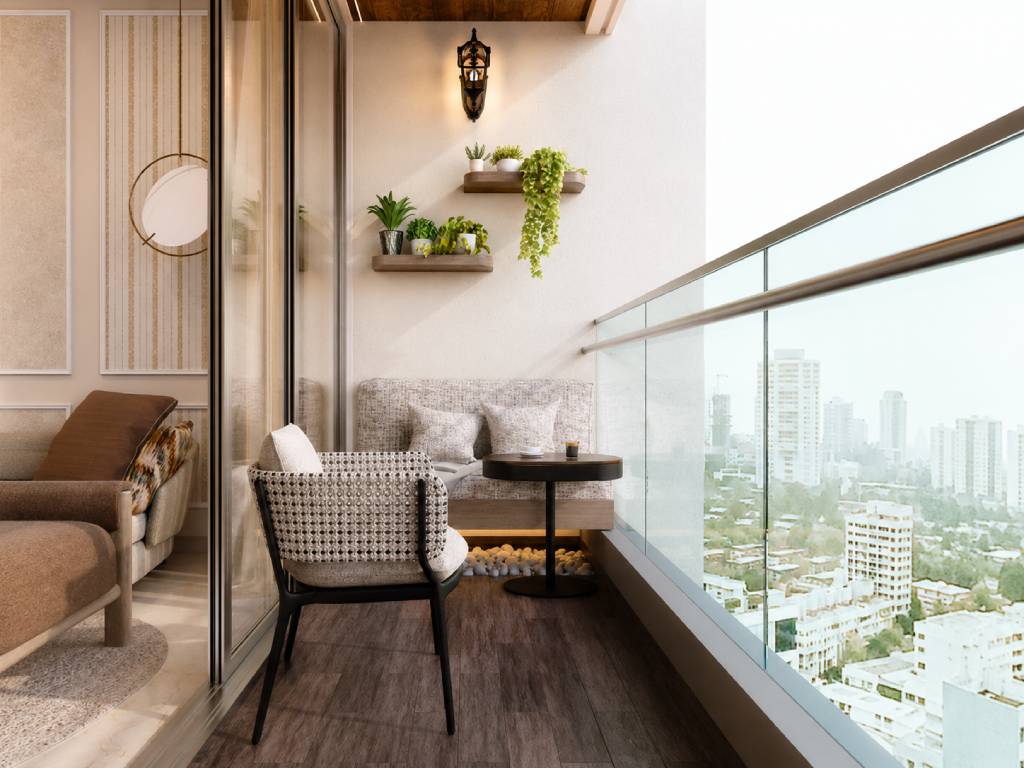
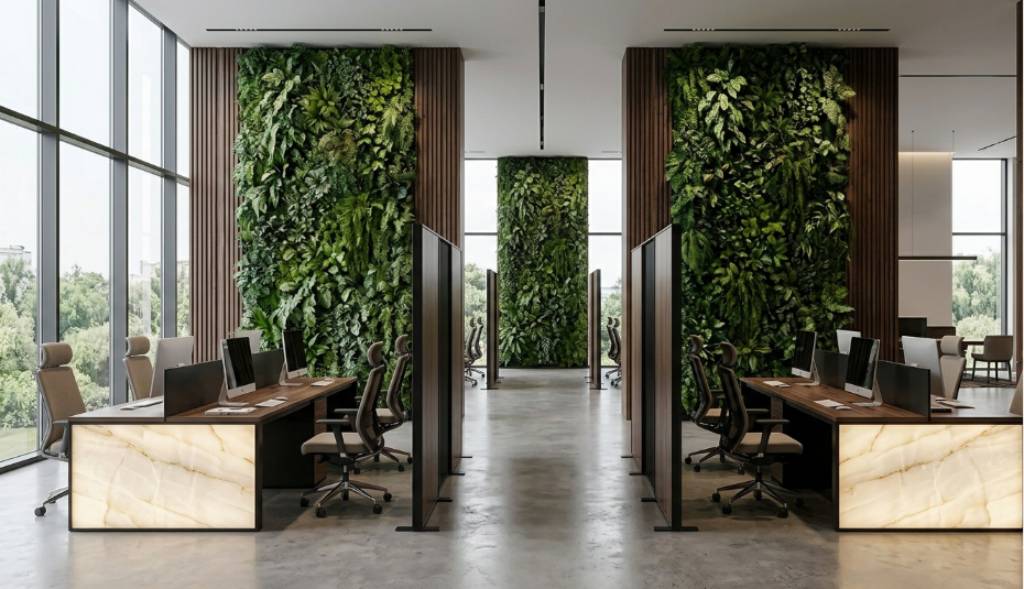
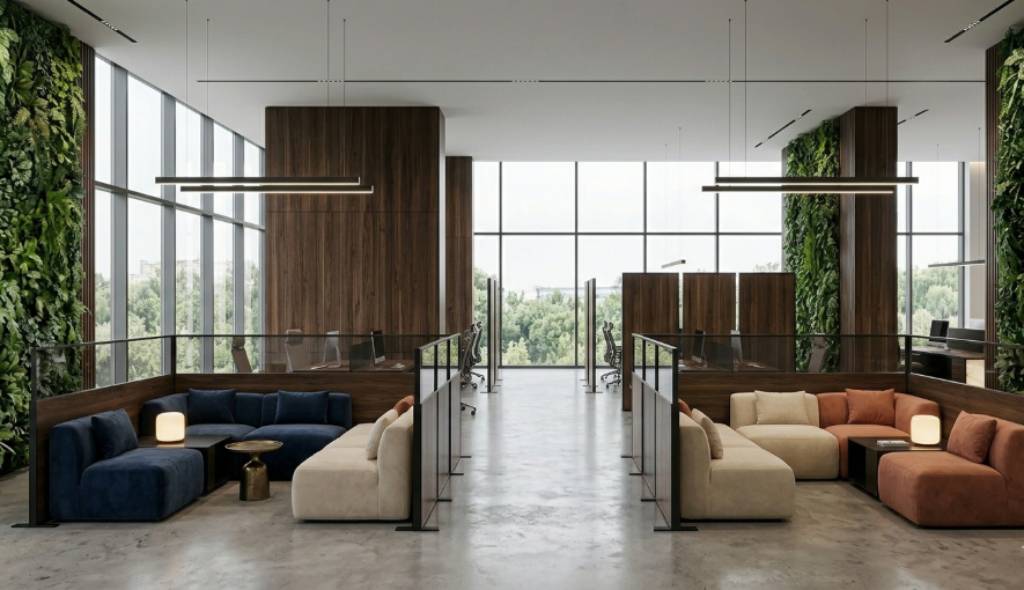
Bringing nature indoors has proven benefits for both mood and productivity. Plants, natural materials and access to daylight create a calmer, more inviting environment. Even in compact offices, small touches of greenery can transform the overall atmosphere of the office room interior decoration.
3. Ergonomic Furniture for Productivity
Comfort directly impacts performance. Ergonomic chairs, well proportioned desks and correct screen placement help reduce physical strain, making long hours more sustainable. In a thoughtful office space design, furniture is not just functional, it supports wellbeing.
The most effective office spaces strike the right balance between ergonomics and aesthetics to support both comfort and visual appeal.
4. Smart Storage and Space Optimisation
In urban offices where space is limited, efficiency becomes essential. Vertical storage, concealed cabinets and modular units help maximise functionality without crowding the room. A well planned office room interior design always feels organised, never overwhelming.
In such layouts, custom made furnitures can help maximise every inch while keeping the workspace visually seamless and highly functional.
5. Brand-Focused Office Interiors
An office should feel like an extension of the brand it represents. Subtle use of brand colours, materials, or visual elements can create a strong identity without feeling forced. This approach ensures that the office interior design ideas align with business values and positioning.
The right office environment can also create an iconic experience that stays with both clients and teams long after the first interaction.
6. Flexible Work Zones for Hybrid Work
Modern offices need to accommodate different work styles. Quiet zones for focus, collaborative areas for meetings and informal spaces for breaks create a balanced environment. Flexibility is what defines a truly contemporary office space design.
7. Statement Lighting for Modern Offices
Lighting can dramatically alter how a space feels. Beyond functionality, statement lighting adds character and depth. Layered lighting, ambient, task, and accent, ensures that the office remains both practical and visually engaging.
8. Minimalist Design for Elegant Spaces
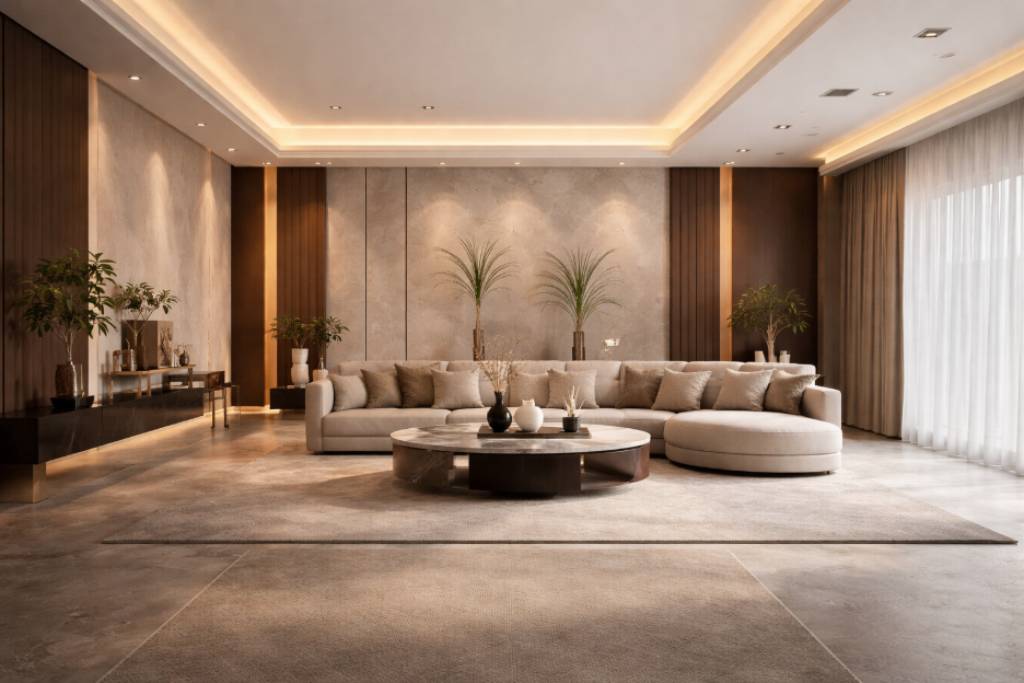
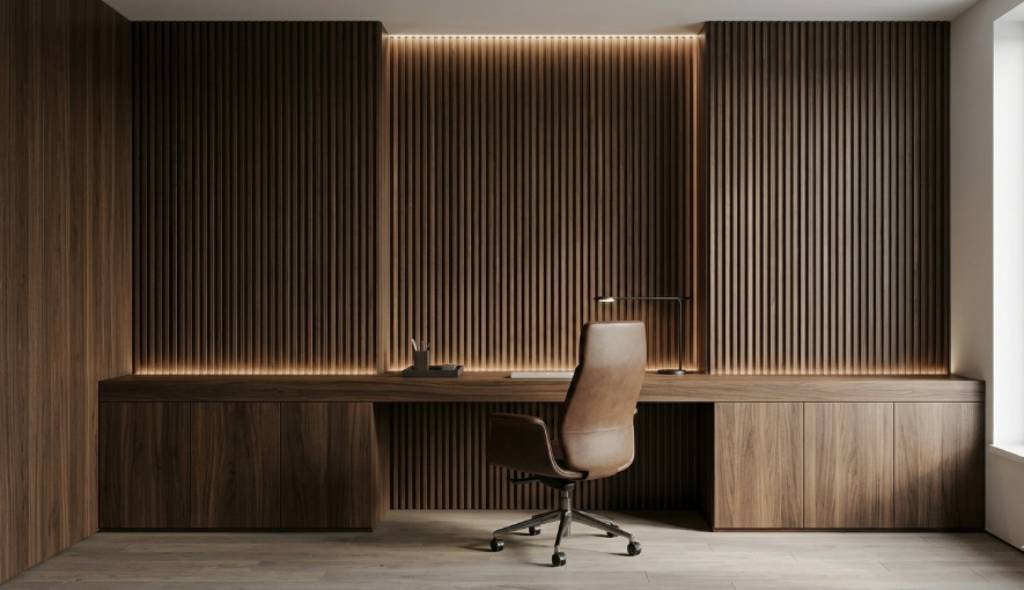
Simplicity often leads to clarity. Minimalist offices, with clean lines and limited visual clutter, create a sense of calm that enhances concentration. This approach is increasingly popular in contemporary office interior design, where restraint becomes a form of sophistication.
A restrained approach also makes it easier to highlight furniture and design patterns without overwhelming the workspace.
9. Technology-Integrated Smart Offices
Technology is now an integral part of office design. From automated lighting to smart meeting rooms, integrating technology seamlessly into the design ensures efficiency without disrupting aesthetics.
10. Breakout Spaces for Creativity
Creativity thrives in relaxed environments. Informal seating areas, lounges, or breakout zones provide employees with spaces to recharge and think differently. These areas add a human touch to the overall office interior design ideas.
11. Acoustic Design for Focus
Often overlooked, acoustics play a crucial role in productivity. Sound absorbing materials, panels and thoughtful layouts help reduce noise, making the workspace more comfortable and efficient.
12. Mixed Material Design for Depth
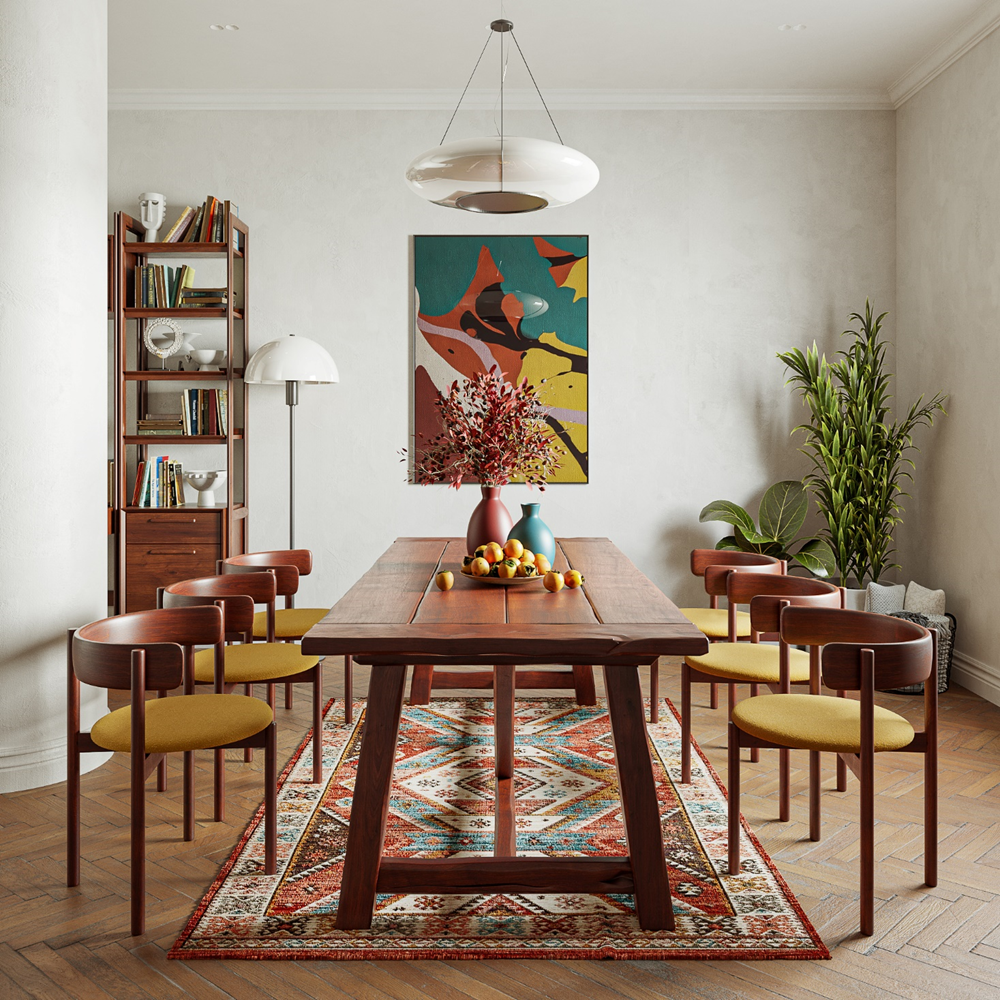
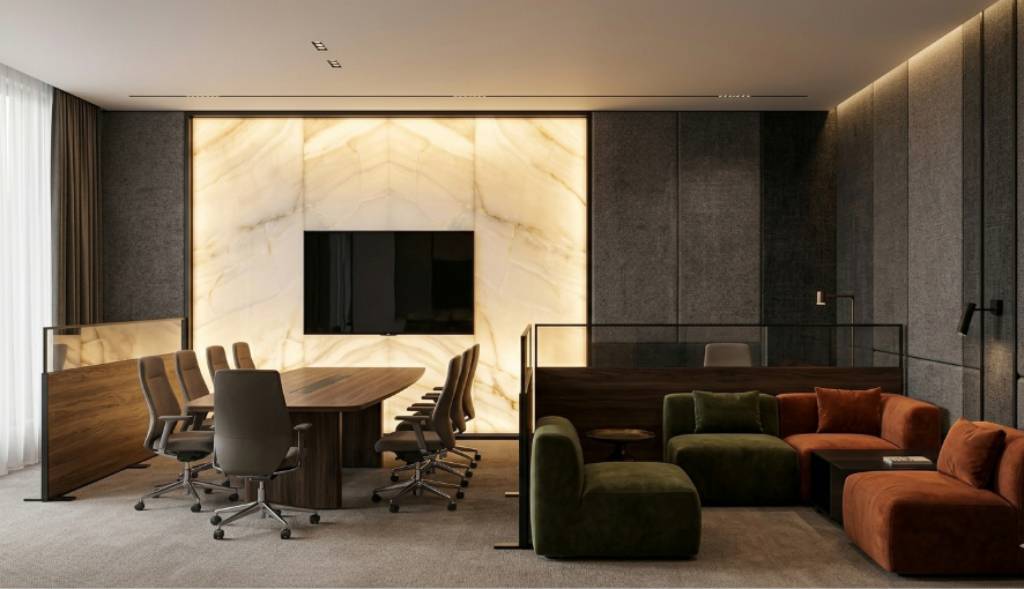
Combining materials like wood, glass, metal and fabric adds richness and texture to the space. This layered approach makes the office feel more curated, elevating the overall office room interior decoration.
Each of these ideas can be adapted to suit different scales and budgets. At Design First, Marine Drive, the focus lies in aligning these ideas with your vision. Ensuring that the final space feels cohesive rather than assembled.
This same layered material thinking can also inspire a staircase design that adds architectural character to larger office spaces.
Common Mistakes to Avoid in Office Interior Design
A well designed office is often defined as much by what it avoids as by what it includes. Overdesigning the space with too many elements can create visual clutter, while poor lighting can make even the best designs feel flat.
Ignoring acoustics leads to discomfort, especially in open layouts. Similarly, inadequate storage results in clutter that disrupts the overall aesthetic.
Most importantly, designing without a clear direction often leads to inconsistent outcomes. This is where the Design First Style Test becomes invaluable. Bringing clarity before execution and ensuring that every decision feels intentional.
How to Choose the Right Interior Office Design Idea for Your Space
Choosing the right design begins with understanding your needs. The size of the office, the nature of work and the available budget all influence the final outcome.
A compact home office may benefit from minimalist and space saving solutions, while a larger corporate setup can explore more expansive layouts and statement features.
The key is to align design decisions with how the space will actually be used. At Design First, this alignment is achieved through a collaborative process, ensuring that the design reflects not just trends, but your way of working.
The same personalised approach is what also defines the work of a residential interior designer when creating spaces that reflect individual lifestyle and preferences.
FAQ
Office design can significantly improve productivity by reducing distractions, improving comfort and creating an environment that supports focus and collaboration.
Designing a home office begins with identifying a quiet, well lit area and choosing furniture that supports comfort and productivity. A thoughtful layout ensures that everything feels accessible and organised.
Low budget office design ideas include using modular furniture, adding plants, improving lighting and decluttering to create a more efficient workspace.
The latest office design trends in India focus on flexibility, minimalism, biophilic elements and technology integration.
Unique office decor ideas can include artwork, textured walls, statement lighting, or even curated shelves that reflect personal or brand identity.
Neutral tones, soft greys and earthy colours are often best for office interior design, as they promote focus while allowing flexibility in styling.
The 3-5-7 rule in interior design refers to grouping elements in odd numbers to create visual balance and interest within a space.
Every office should include ergonomic furniture, good lighting, efficient storage and a layout that supports both individual and collaborative work.
A home office should include a comfortable chair, a functional desk, proper lighting and sufficient storage, along with elements that inspire focus and creativity.