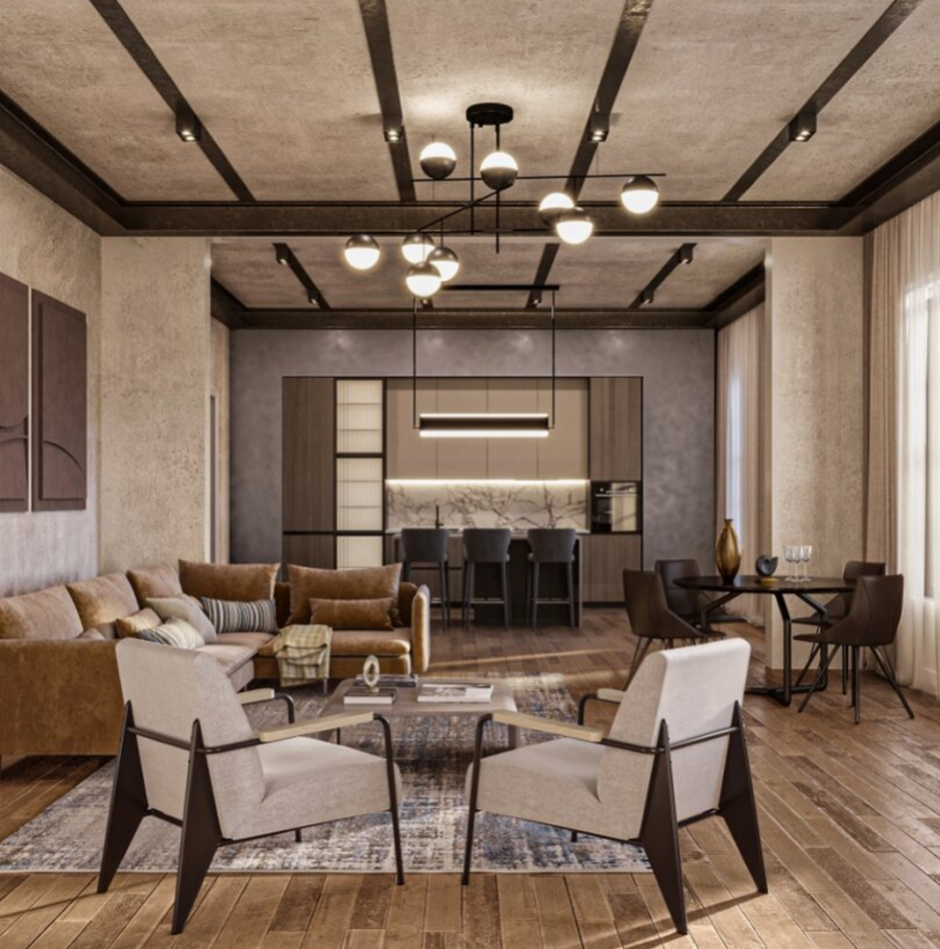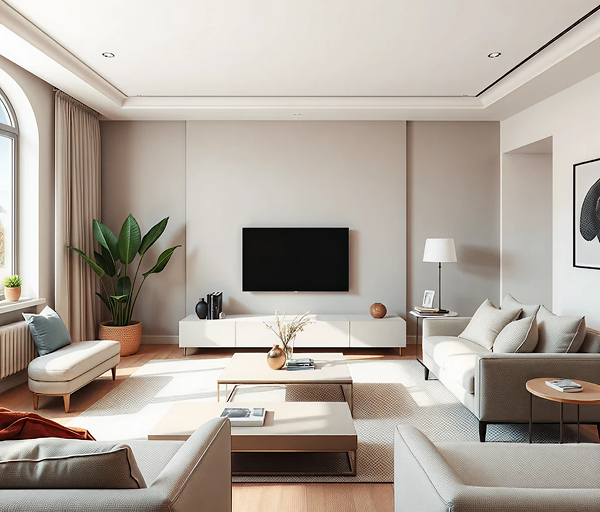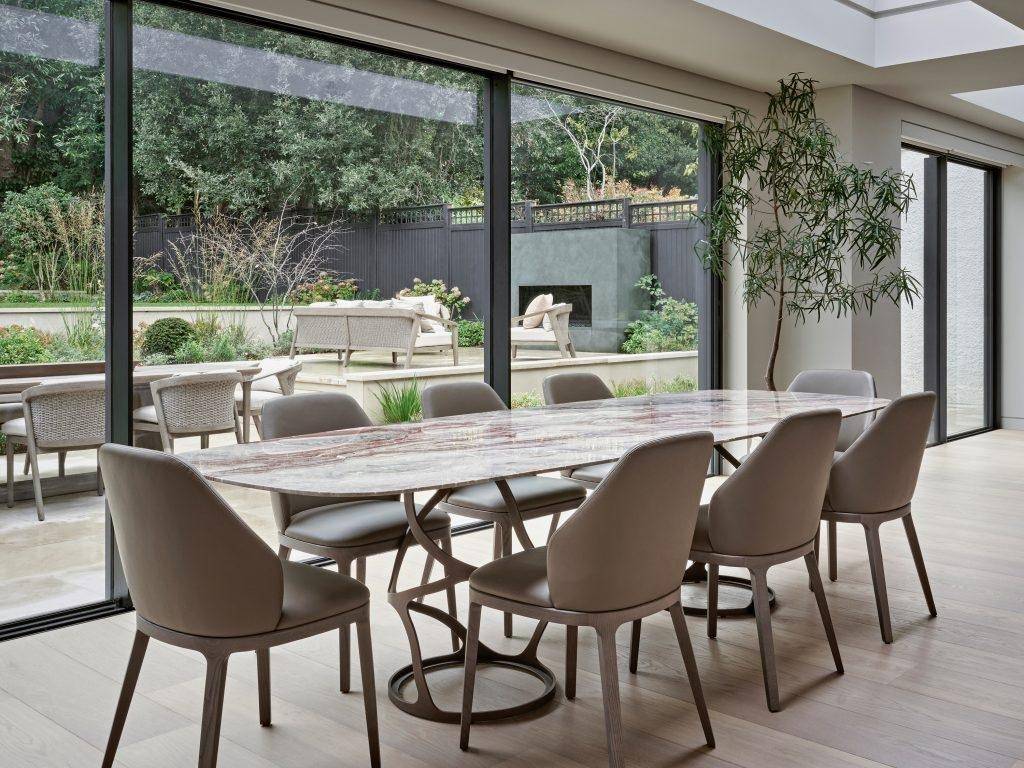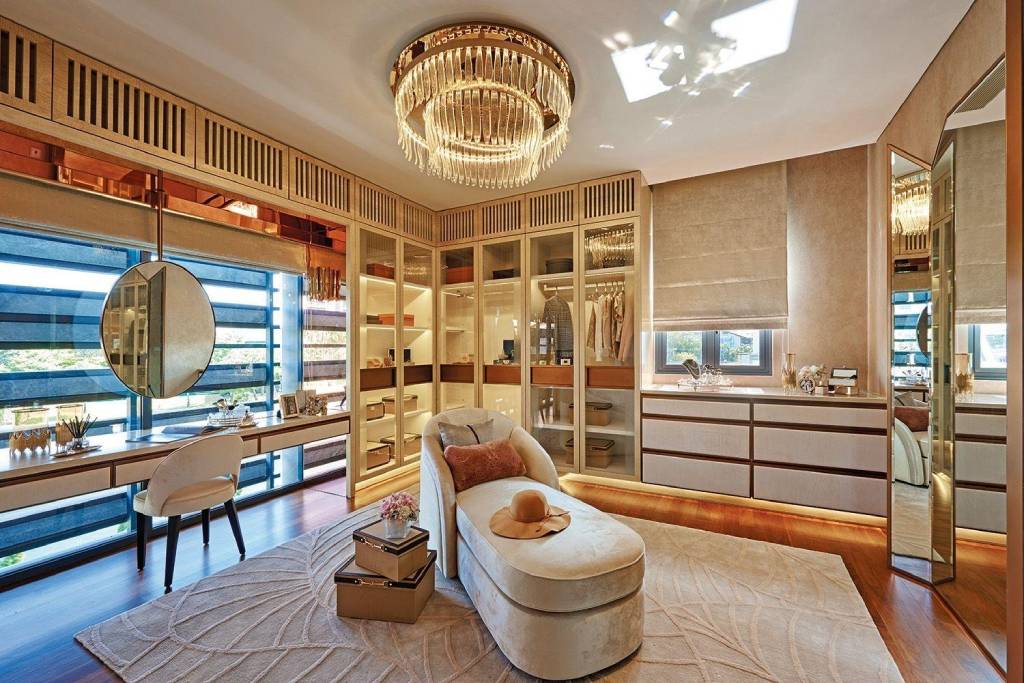
- Why Wall Panel Design Has Become Essential in Modern Interiors
- Types of Wall Panel Designs: Materials & Finishes Explained
- Wall Panel Design Ideas That Define Modern Homes
- Fluted Wall Panel Design for Elegant Vertical Texture
- Wooden Wall Panel Design for Warm Luxury Interiors
- 3D Wall Panel Design for Statement Walls
- Upholstered Wall Panels for Soft, Hotel Style Bedrooms
- Marble & Stone Finish Panels for Ultra Premium Look
- PVC & WPC Wall Panels for Budget Friendly Modern Homes
- Glass Wall Panel Design for Contemporary Spaces
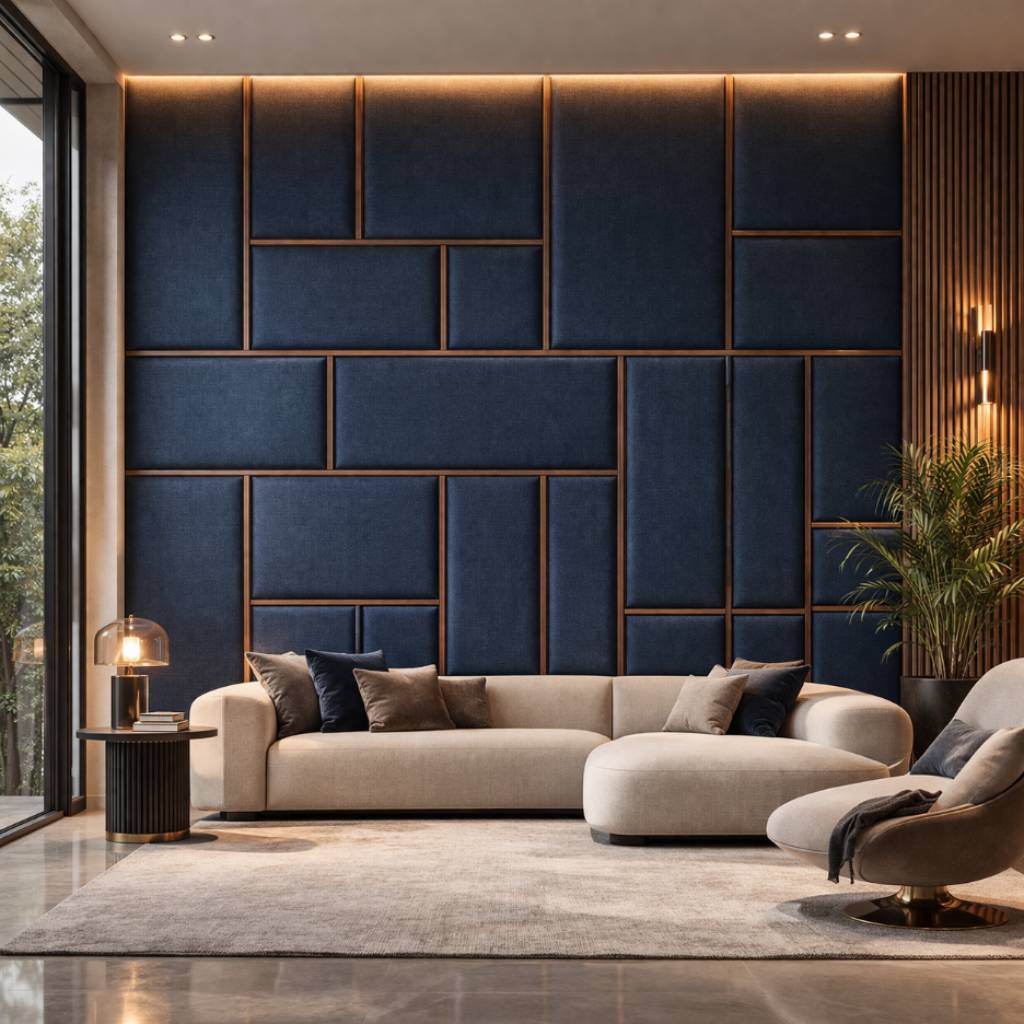
- Minimalist Grid Panel Design for Modern Homes
- Planning Wall Panel Design: What Makes It Work
- Beyond Aesthetics: The Functional Value of Wall Panels
- Common Mistakes to Avoid
- Wall Panels, Wallpaper or Paint: Making the Right Choice
- A Surface That Shapes the Space
- FAQ
There is a noticeable shift in how walls are being treated today.
Flat, painted surfaces are giving way to something more considered. More layered. More intentional. The rise of wall panel design reflects this change. It is no longer enough for walls to simply exist in the background. They now play a defining role in how a space is experienced.
Panels introduce texture, rhythm and depth. They bring a sense of structure to interiors, allowing surfaces to feel complete without relying on excessive decor. In many ways, they transform walls from passive elements into active contributors to the overall design language of a home.
Why Wall Panel Design Has Become Essential in Modern Interiors
Modern interiors are evolving beyond flat, painted walls. Today, the focus has shifted toward depth, texture and a more immersive spatial experience.
Wall panel design sits at the centre of this shift. It reflects a move towards layered minimalism, where spaces feel refined yet rich, without relying on excess. Inspired by luxury hotels and contemporary residences, panels introduce subtle detail that elevates a room instantly.
Unlike surface level decor, panelling design feels architectural. It integrates into the space, adding dimension and structure rather than sitting on top of it. This creates a sense of permanence, making interiors feel considered and complete.
There is also an emotional appeal. Panelled walls bring a sense of quiet luxury, comfort and visual richness. They signal a home that is designed, not just decorated.
In open plan homes, wall decor panels play an even more important role. They help define zones through texture and material, maintaining openness while adding clarity and cohesion.
Design choices like these help shape an iconic experience at home.
Types of Wall Panel Designs: Materials & Finishes Explained
Before exploring design ideas, it helps to understand the materials behind wall panelling.
Wood remains a popular choice, bringing warmth and natural variation. Veneer and engineered finishes add depth that shifts subtly with light.
MDF panels offer design flexibility, making them ideal for both clean, modern patterns and classic grid styles.
PVC and WPC panels work well in moisture prone areas, offering durability without compromising on finish when used thoughtfully.
Glass panels add a contemporary edge. Their reflective quality helps enhance light, especially in smaller spaces.
Upholstered panels, commonly used in bedrooms, introduce softness, both visually and acoustically.
Each material brings its own character. The right choice depends on not just how the space looks, but how it’s meant to feel.
Wall Panel Design Ideas That Define Modern Homes
The most compelling room panel design ideas are those that feel integrated rather than imposed.
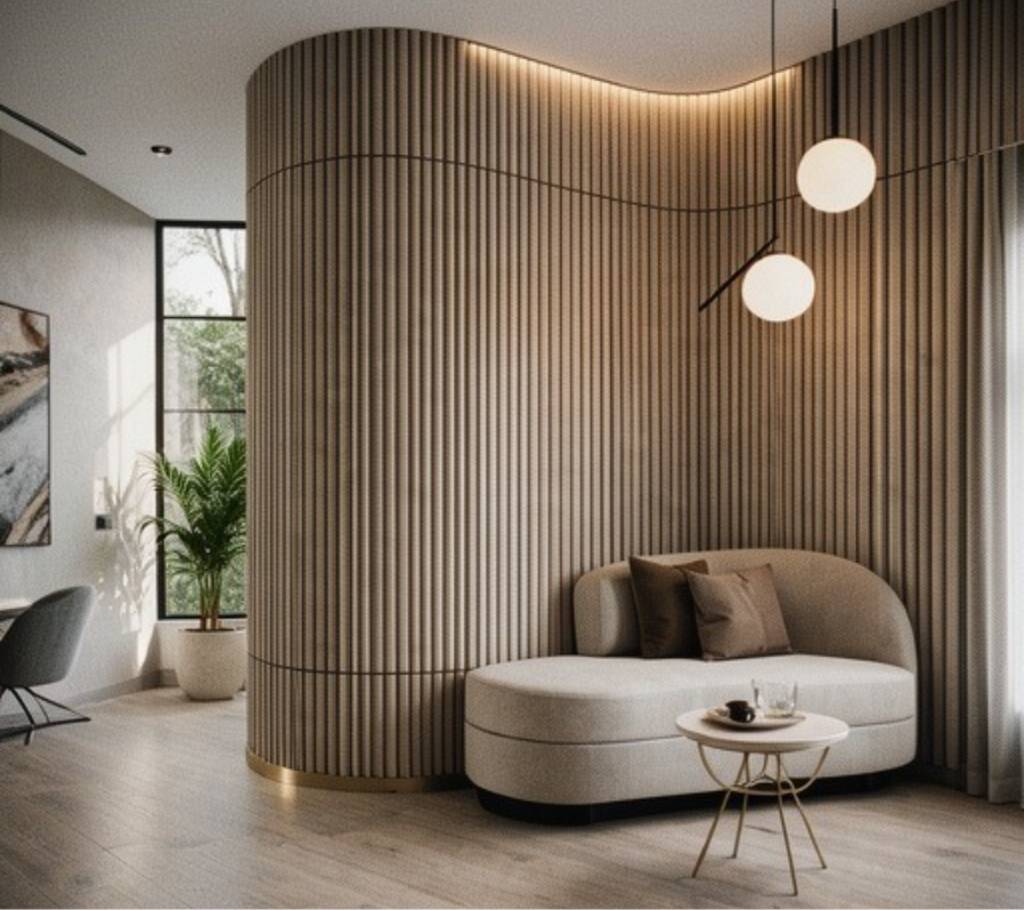
Fluted Wall Panel Design for Elegant Vertical Texture
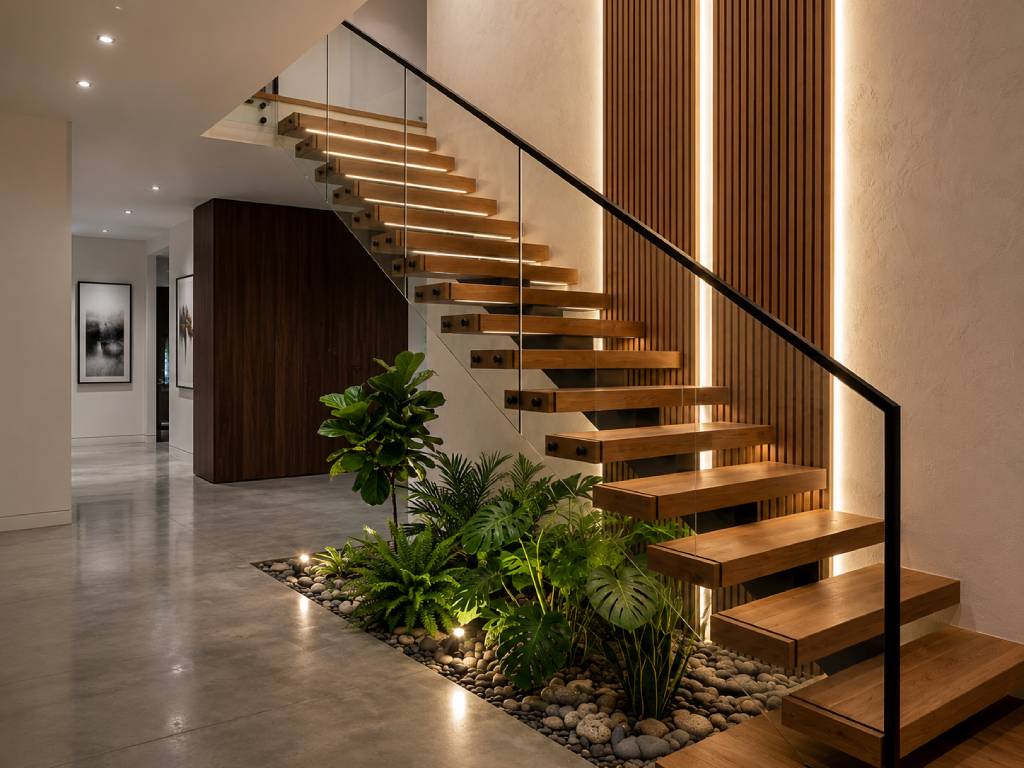
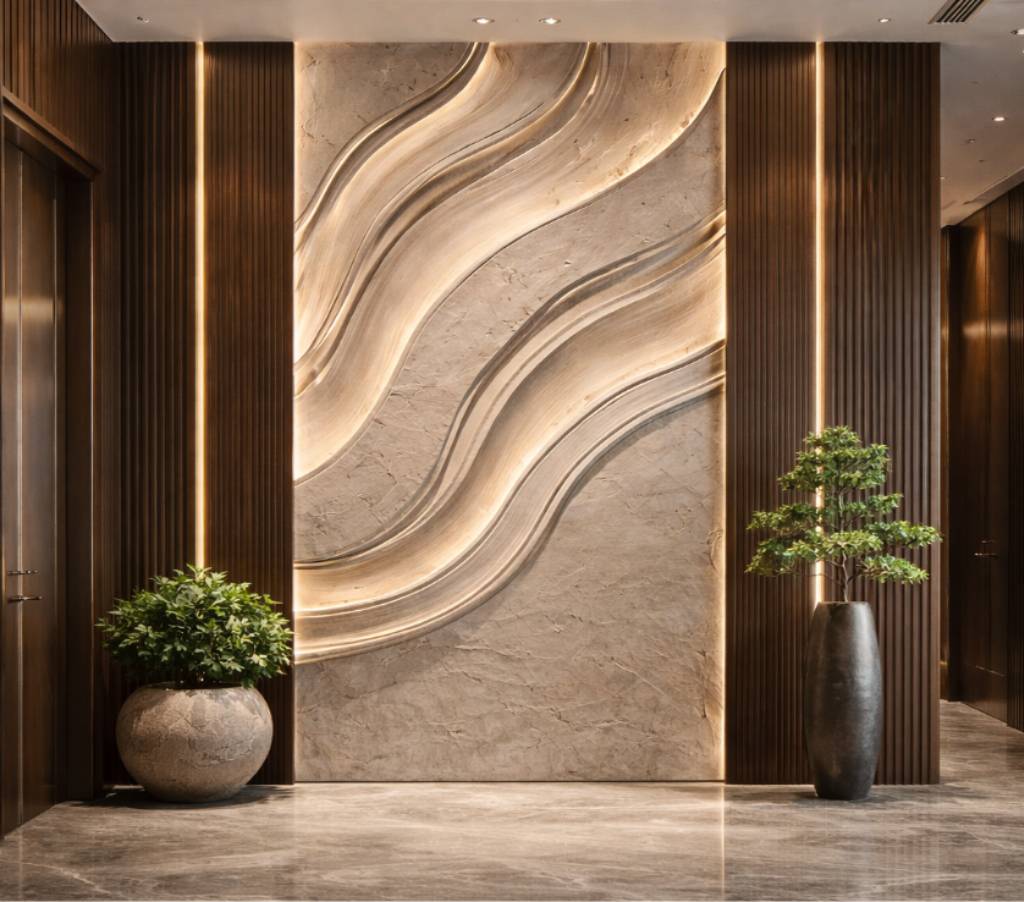
Fluted panels, with their vertical grooves, introduce rhythm and height. They draw the eye upward, subtly enhancing the proportions of a room. When paired with soft lighting, they create shadows that shift throughout the day, adding a dynamic quality to the surface.
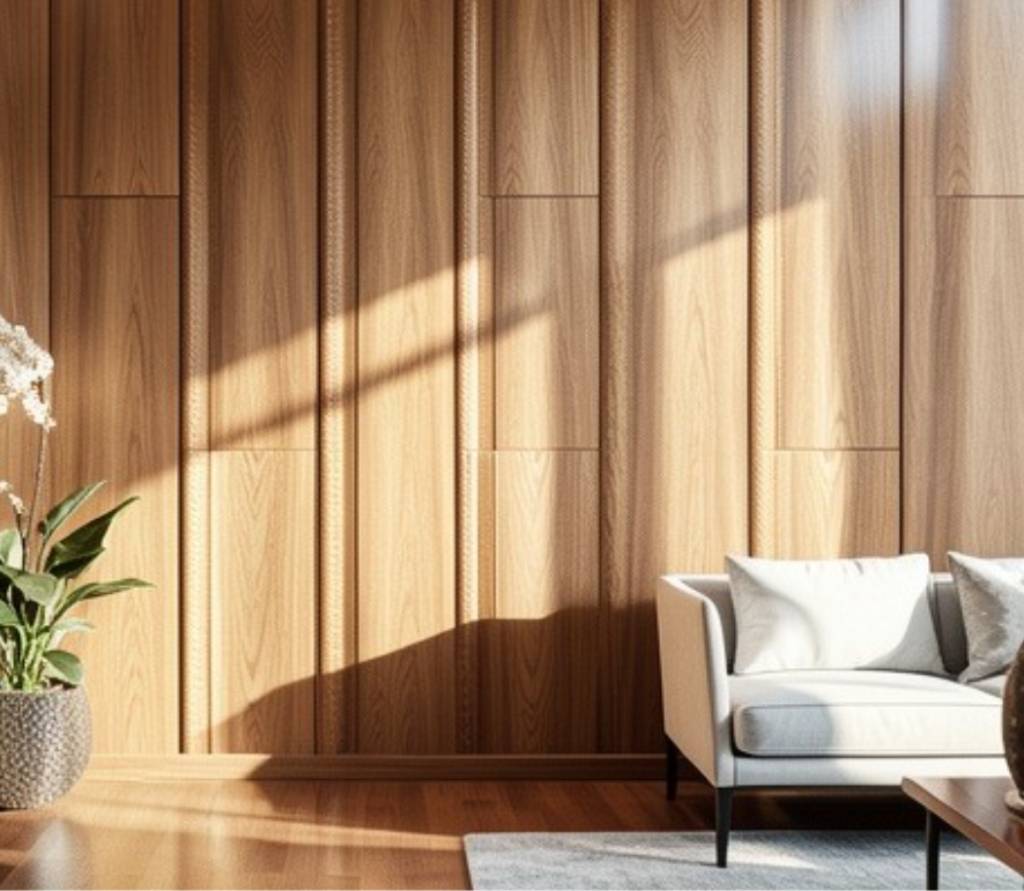
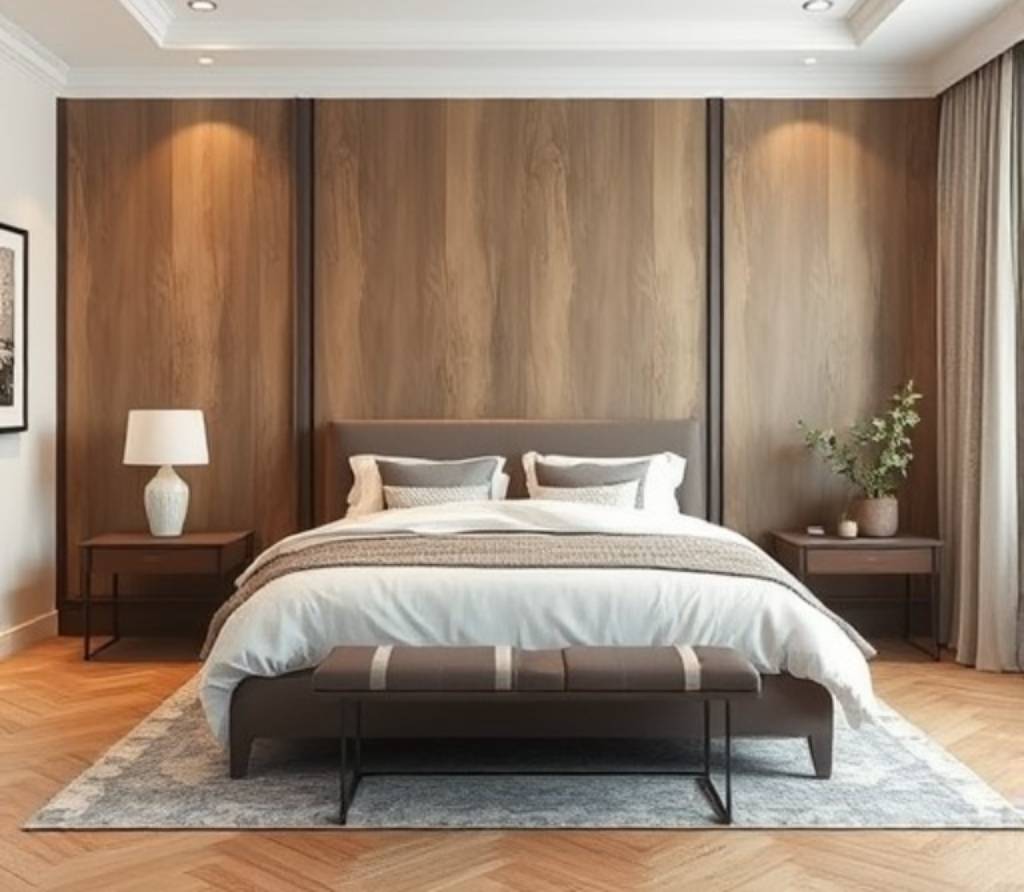
Wooden Wall Panel Design for Warm Luxury Interiors
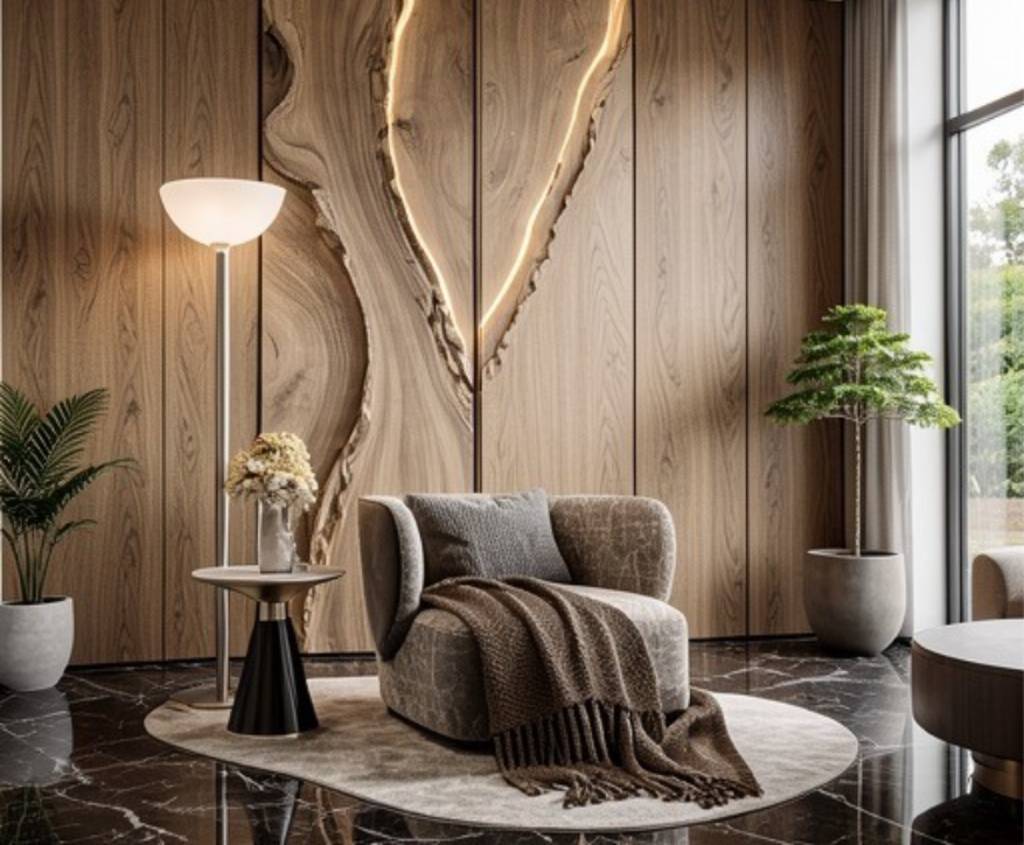
Wooden panels remain timeless. Their warmth makes them particularly suited to living areas and bedrooms, where comfort and familiarity are essential. The richness of wood does not need excessive styling. It holds its own with quiet confidence.
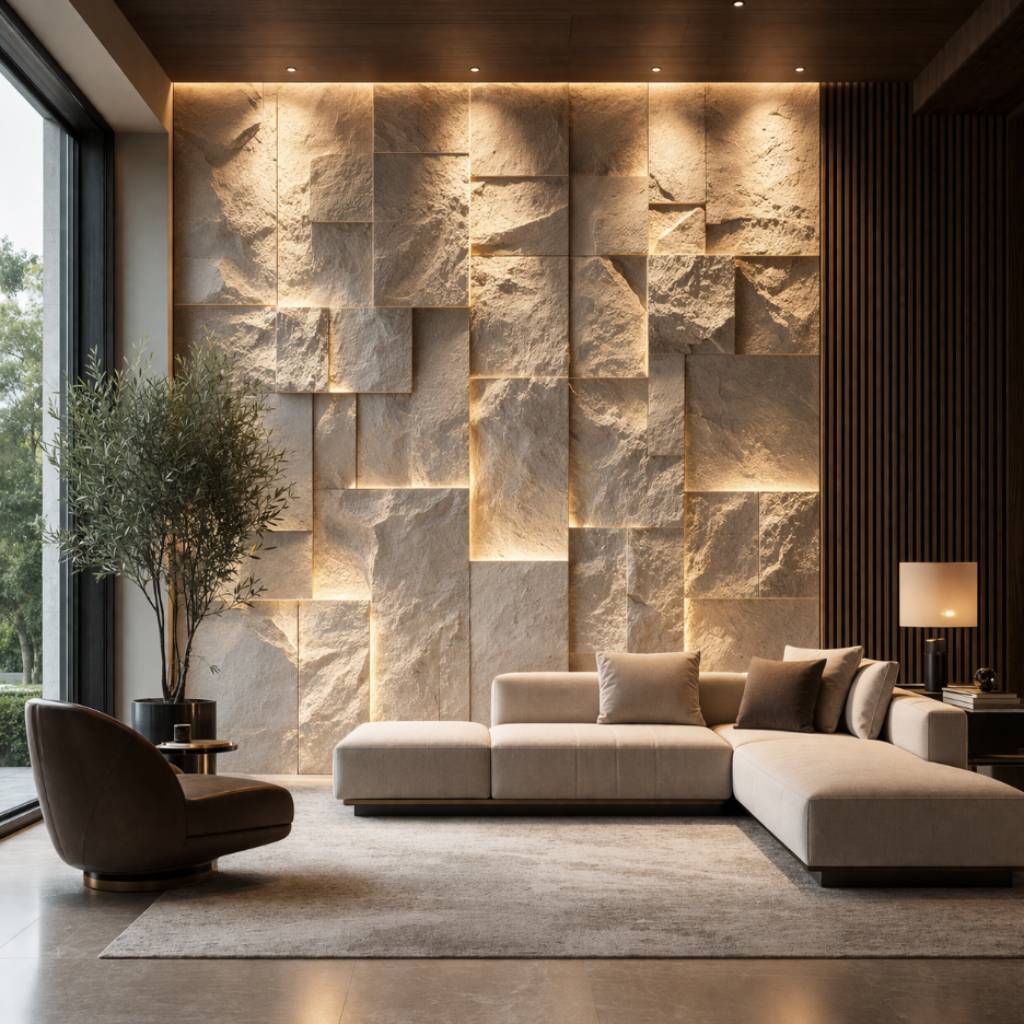
3D Wall Panel Design for Statement Walls
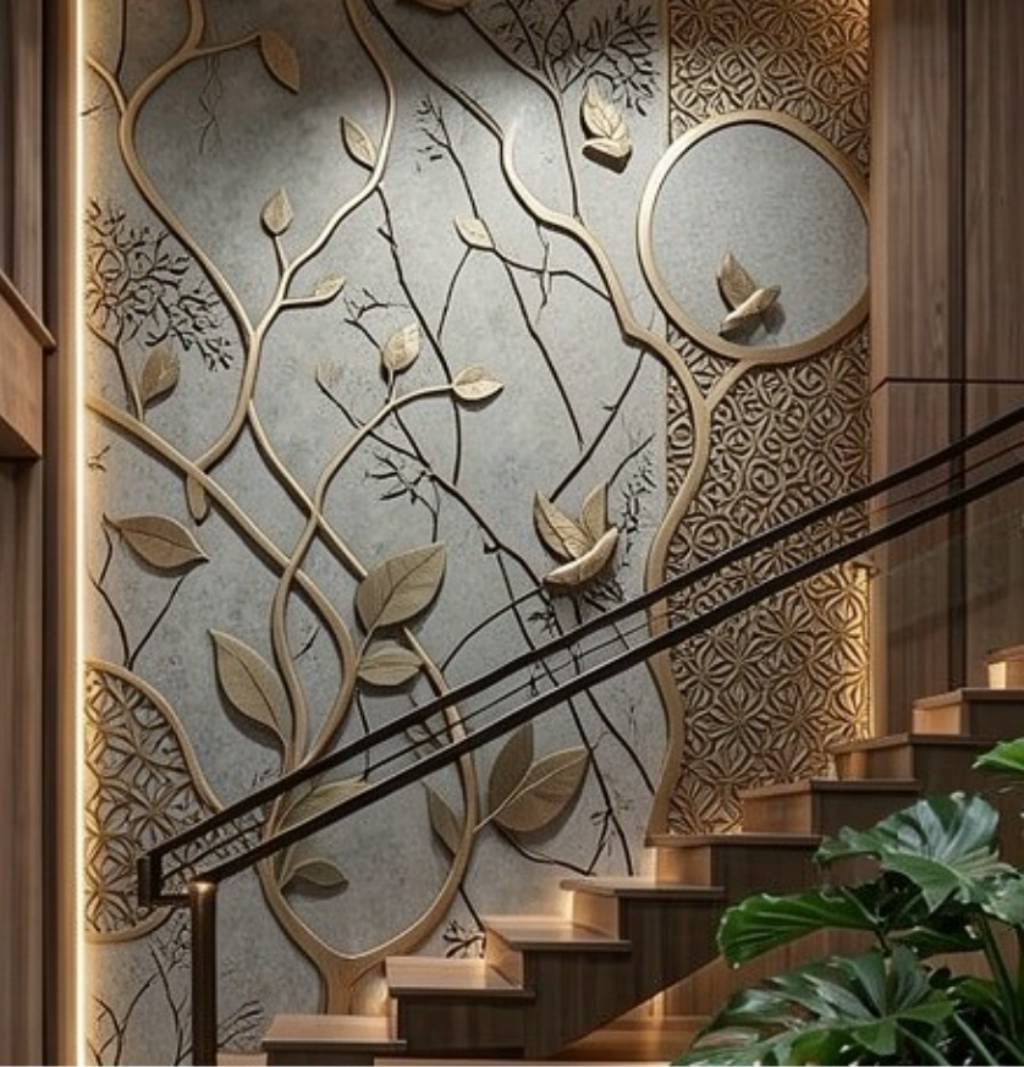
For those looking to create a stronger visual impact, three-dimensional panels offer depth and movement. These are often used as feature walls, becoming focal points within the space without relying on additional decor.
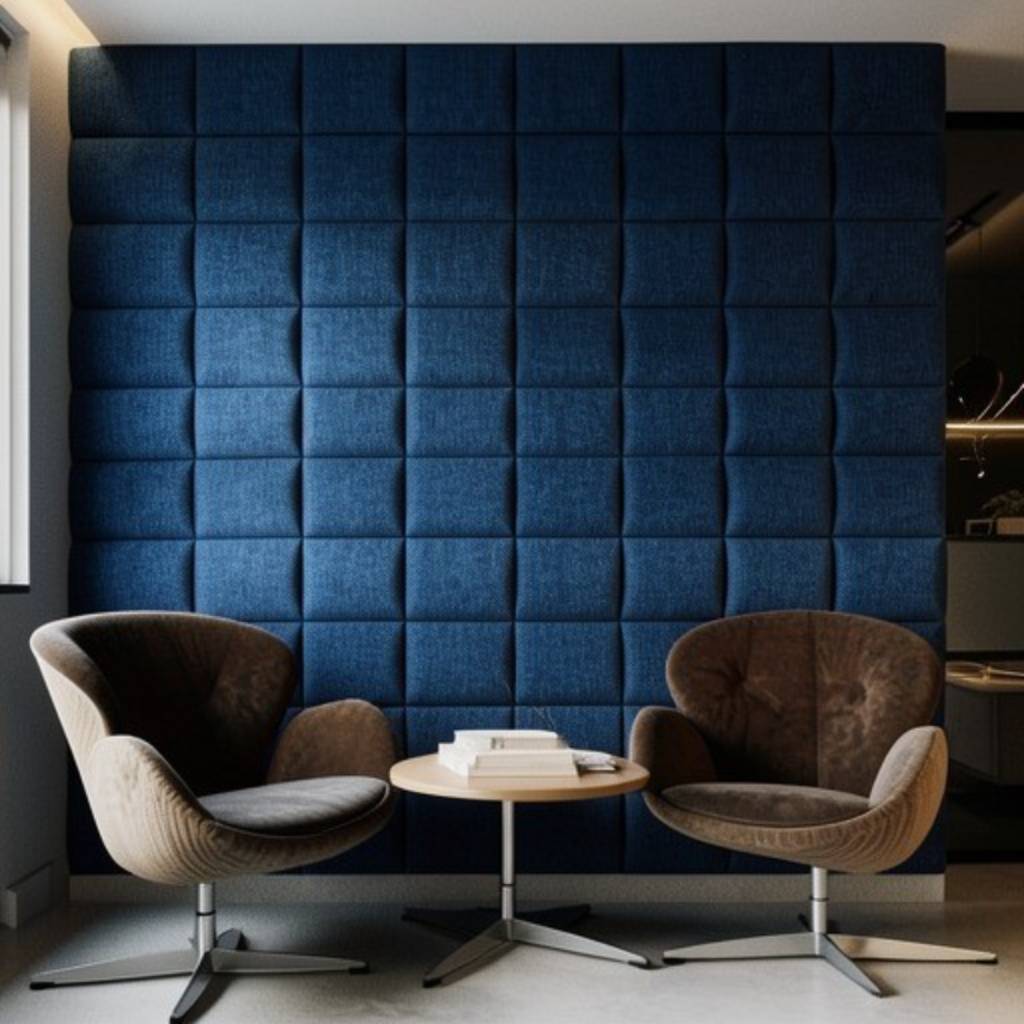
Upholstered Wall Panels for Soft, Hotel Style Bedrooms
Upholstered panels bring a different kind of luxury. Soft to the touch and visually calming, they are often used behind beds, where they add both comfort and a sense of enclosure.
Marble & Stone Finish Panels for Ultra Premium Look
Stone and marble finish panels introduce a more dramatic presence. Their natural patterns create visual interest that feels organic rather than designed, making them particularly effective in statement areas.
PVC & WPC Wall Panels for Budget Friendly Modern Homes
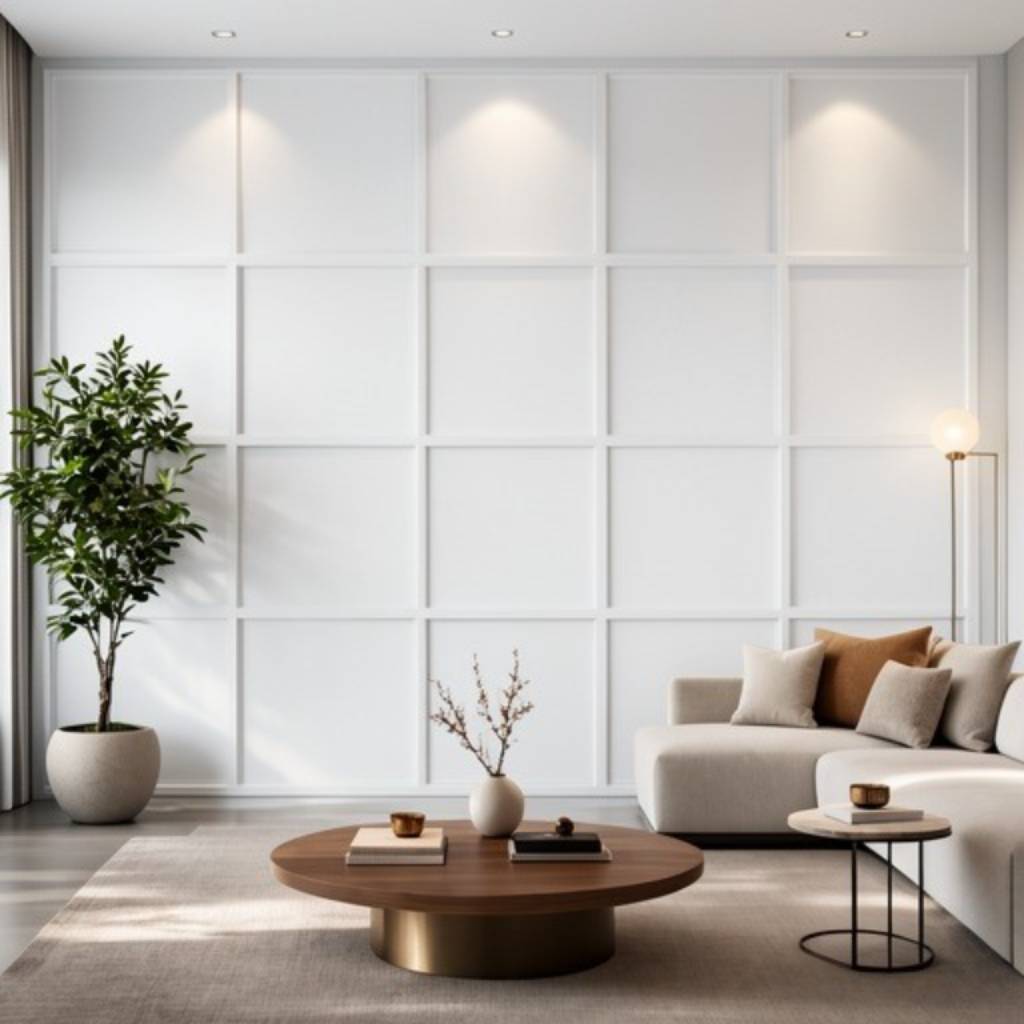
Minimal grid panels appeal to those who prefer restraint. Clean lines, balanced proportions and subtle detailing allow the wall to feel structured without drawing over attention.
Glass Wall Panel Design for Contemporary Spaces
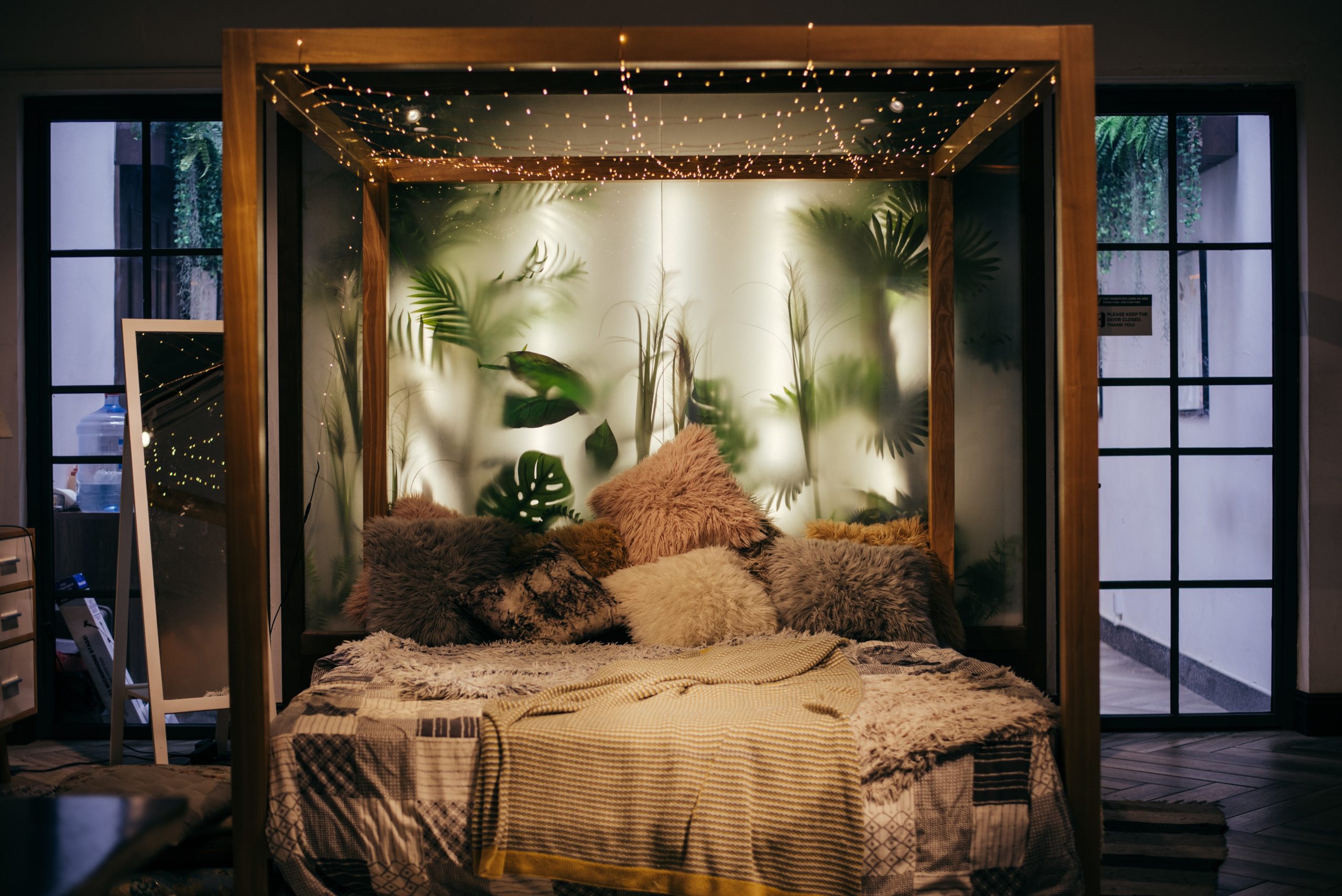
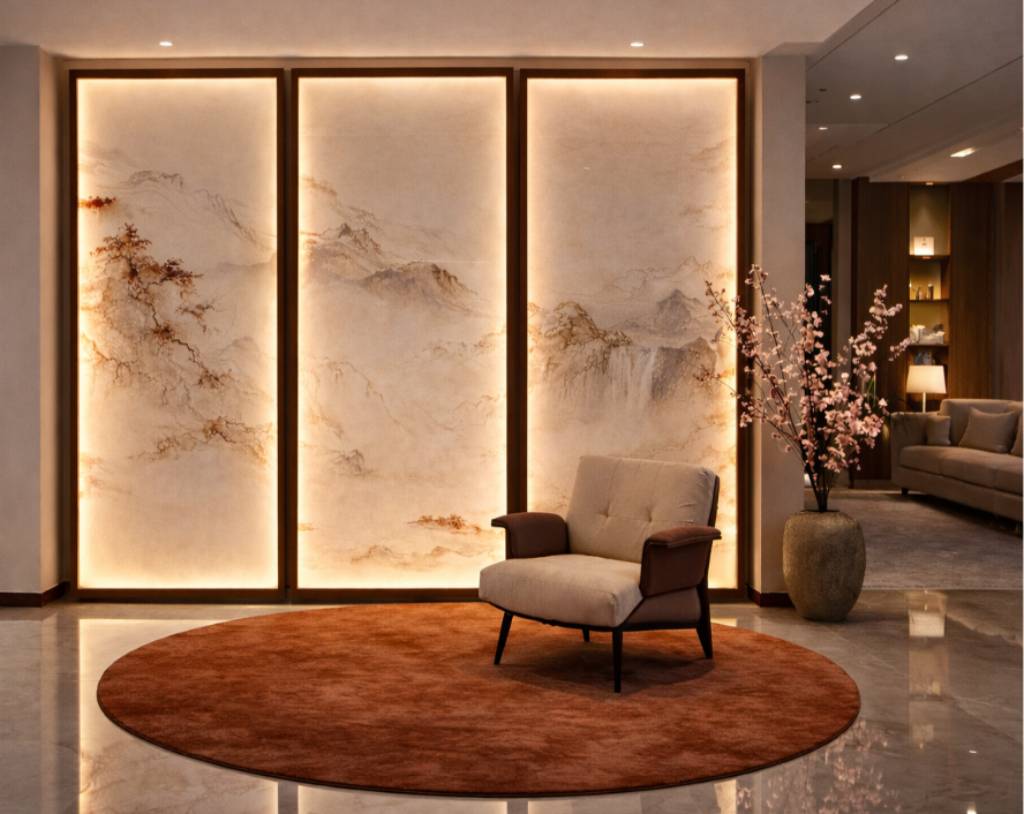
Backlit panels add another layer of experience. The soft glow of integrated lighting enhances texture and creates an atmosphere that shifts from day to evening effortlessly.
Minimalist Grid Panel Design for Modern Homes
Increasingly, designers are also combining materials. Wood with metal inlays, stone with subtle lighting, or glass with textured backdrops. These layered approaches create surfaces that feel unique and deeply considered.
Pair wall panels with custom made furnitures for a more cohesive interior story.
Planning Wall Panel Design: What Makes It Work
A successful wall board design is not about applying panels everywhere. It is about knowing where they matter most.
Proportion plays a critical role. Panels must align with the scale of the room, neither overwhelming it nor feeling too subtle to register. The spacing, thickness, and detailing all contribute to how the final outcome is perceived.
Lighting is equally important. Panels reveal their true character only when light interacts with them. Without the right lighting, even the most thoughtfully designed panel can feel flat.
There is also a need for restraint. Not every wall requires treatment. In fact, the impact of panelling is often stronger when balanced with plain surfaces. This contrast allows the panelled areas to stand out without competing for attention.
A skilled residential interior designer can help identify where wall panelling adds the most value.
Beyond Aesthetics: The Functional Value of Wall Panels
While panels are often chosen for their visual appeal, they offer practical benefits as well.
They provide an additional layer that can help with insulation, both thermal and acoustic. This makes them particularly useful in bedrooms and media rooms, where comfort is key.
Panels also protect walls from wear and tear, especially in high traffic areas. Over time, they prove to be more durable than painted surfaces.
Maintenance, too, is often simpler. Depending on the material, panels can be easier to clean and maintain, making them a practical choice for long term use.
Common Mistakes to Avoid
One of the most frequent missteps is overusing panels. When every wall is treated, the space can begin to feel heavy and visually crowded.
Another is choosing materials without considering their context. A finish that works beautifully in one room may feel out of place in another.
Ignoring lighting is also a common oversight. Panels rely on light to reveal their depth. Without it, their impact is significantly reduced.
Perhaps the most important consideration is coherence. Panels should feel like a natural extension of the space, not an afterthought.
Wall Panels, Wallpaper or Paint: Making the Right Choice
When deciding between panels, wallpaper, or paint, the question is not which is better, but which is more appropriate for the space.
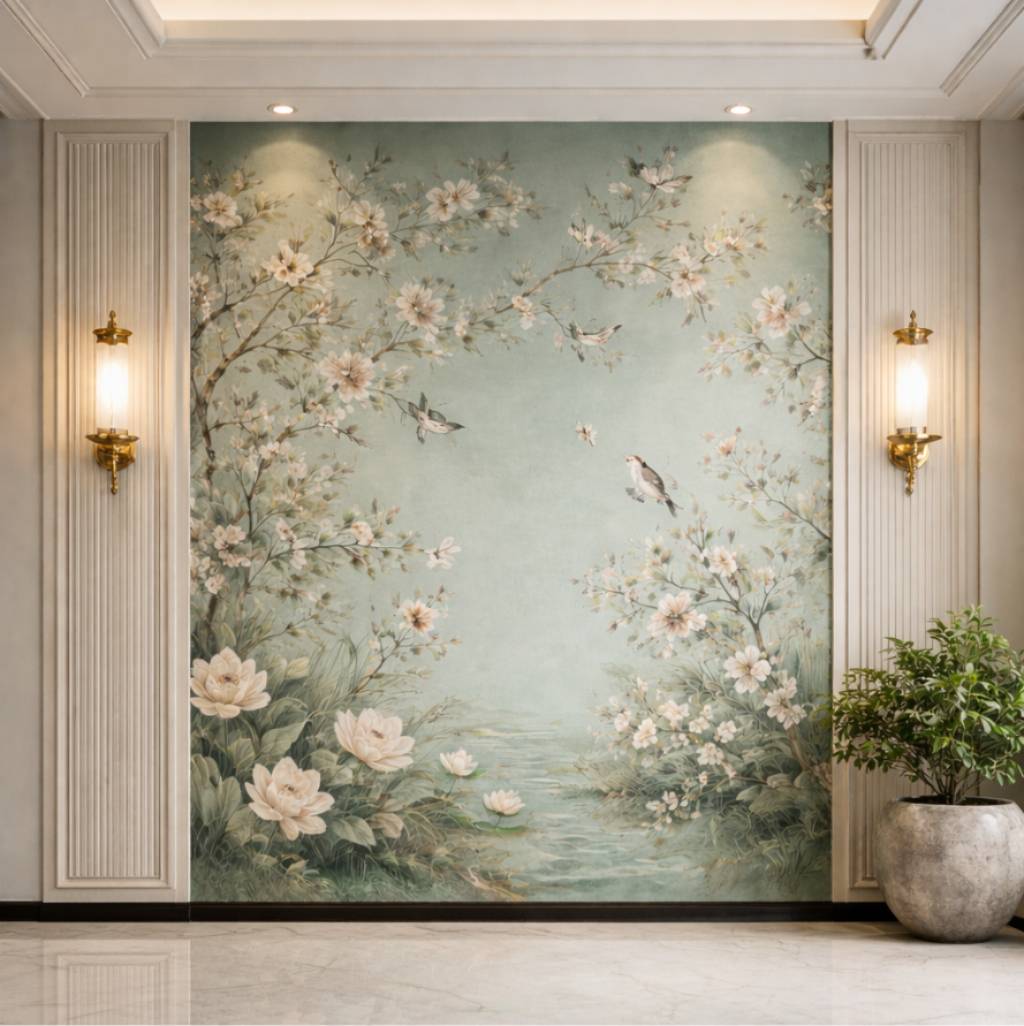
Paint offers simplicity and flexibility. Wallpaper introduces pattern and visual interest. Panels, however, bring depth and permanence.
For those seeking a more refined, long term solution, wall panel design often provides a level of richness that other options cannot achieve. It creates a foundation that does not rely on constant updates.
The right hall wall colour combination can further enhance the depth and texture of wall panels.
A Surface That Shapes the Space
Walls define a room more than we often realise.
With thoughtful wall panel design ideas, they move beyond being just boundaries. They begin to shape how a space feels, how light moves within it, and how it is experienced over time.
The most successful panels are those that do not demand attention, but quietly elevate everything around them.
Because true luxury is not always seen at first glance.
It is felt, gradually, in the details that reveal themselves over time.
Discover how wall panelling can define your home’s signature style.
FAQ
They are generally low maintenance, requiring simple cleaning depending on the material.
Certain materials like PVC and WPC are water resistant and suitable for humid areas.
Yes, most panels can be applied over existing surfaces with the right preparation.
They can enhance perceived value by improving the overall look and finish of interiors.
With proper installation and maintenance, they can last for many years.
Yes, it continues to be a key element in modern interiors, especially for adding texture and depth.
They are panels with raised or sculpted surfaces that create depth and visual interest, often used for feature walls.
WPC is generally more durable and stable, while PVC is lighter and more cost effective.
Wood, fluted, or backlit panels work well in living rooms, depending on the desired aesthetic.
It depends on the space. Wood and MDF are ideal for living areas, while PVC or WPC work well in moisture prone zones.