In this Article
- What Are Eco Friendly Interior Designs?
- What Are the 5Rs of Eco Friendly Interior Designs?
- 1. Reclaimed Wood Living Room Design
- 2. Bamboo-Based Minimalist Interior Design
- 3. Recycled Furniture-Centric Home Design
- 4. Upcycled Décor Concept for Budget-Friendly Eco Homes
- 5. Natural Clay and Lime Plaster Wall Design
- 6. Indoor Plant-Focused Biophilic Interior Design
- 7. Energy-Efficient Lighting Interior Design
- 8. Sustainable Modular Kitchen Design
- 9. Organic Fabric and Eco-Friendly Home Décor Styling
- 10. Zero-Waste and Circular Interior Design Concept
- Additional Eco-friendly Interior Solutions for Greener Living
- Best Natural Materials for Home Interiors
- 7 Common Mistakes to Avoid in Eco Friendly Interior Designs
- FAQ
Homes today are being shaped by a deeper awareness of how design choices affect both everyday living and the planet. What was once considered a niche design approach has steadily become a defining principle of modern interiors. Across the world, homeowners are embracing eco friendly interior designs that balance comfort, aesthetics and environmental responsibility.
Recent lifestyle and housing reports suggest that a growing percentage of homeowners now prioritise sustainability when selecting furniture, materials and finishes. This shift signals more than a passing trend. It reflects a long-term change in how homes are designed, built and lived in.
In 2026, eco friendly interior designs go beyond recycled décor or energy-saving appliances. They focus on intelligent material sourcing, efficient planning and craftsmanship that stands the test of time. When thoughtfully executed, these interiors create spaces that are healthier, more durable and deeply connected to nature.
What Are Eco Friendly Interior Designs?
Eco friendly interior designs refer to interior spaces planned and created using materials, systems and practices that minimise environmental impact while improving indoor health and long-term sustainability.
Unlike superficial “green” styling, genuine sustainable design interior design focuses on responsible sourcing, toxin-free materials, energy efficiency and durable craftsmanship. The goal is not only to reduce environmental harm but also to create interiors that support healthier living and long-term functionality.
As awareness grows, environmentally friendly interiors are becoming the preferred approach for homeowners seeking thoughtful, future-ready living spaces.
You can also explore Living Room Interior Designing.
What Are the 5Rs of Eco Friendly Interior Designs?
The 5Rs form a practical sustainability framework widely used in eco friendly interior designs. These principles guide decisions that reduce waste and encourage responsible material use from the earliest stages of design.
Refuse begins with avoiding unnecessary materials, disposable décor and toxic finishes that add little value but create environmental strain.
Reduce focuses on using fewer resources by selecting durable materials and designing spaces that require fewer replacements over time.
Reuse encourages the continued use of existing furniture, architectural elements or décor wherever possible.
Repurpose extends the life of materials by transforming them into new functional pieces instead of discarding them.
Recycle remains the final stage, ensuring that materials at the end of their lifecycle are responsibly processed and returned to the production cycle.
Together, these principles guide sustainable design interior design toward more thoughtful and responsible choices.
You can also read about Modern Balcony Grill Design Ideas
1. Reclaimed Wood Living Room Design
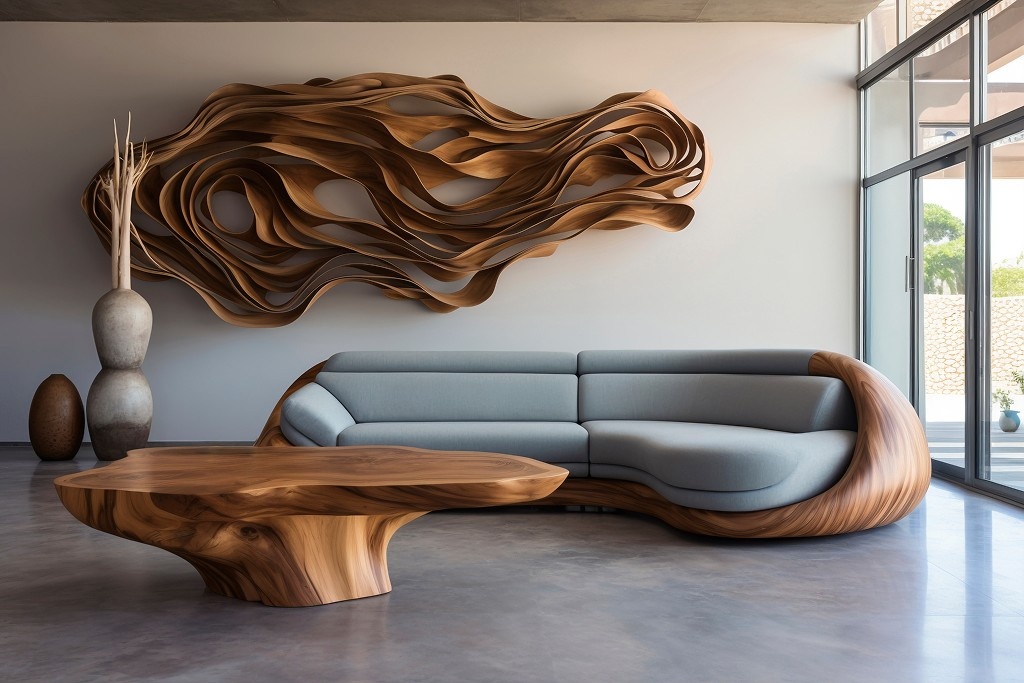
Reclaimed wood brings warmth and authenticity to eco friendly interior designs while reducing the need for newly harvested timber. Salvaged beams, reclaimed flooring and handcrafted coffee tables introduce natural textures that carry a sense of history and craftsmanship.
Reclaimed wood furniture not only reduces landfill waste but also adds character that newly manufactured materials often lack. When sourced from certified reclamation yards, reclaimed timber ensures authenticity and supports responsible material reuse within environmentally friendly interiors.
2. Bamboo-Based Minimalist Interior Design
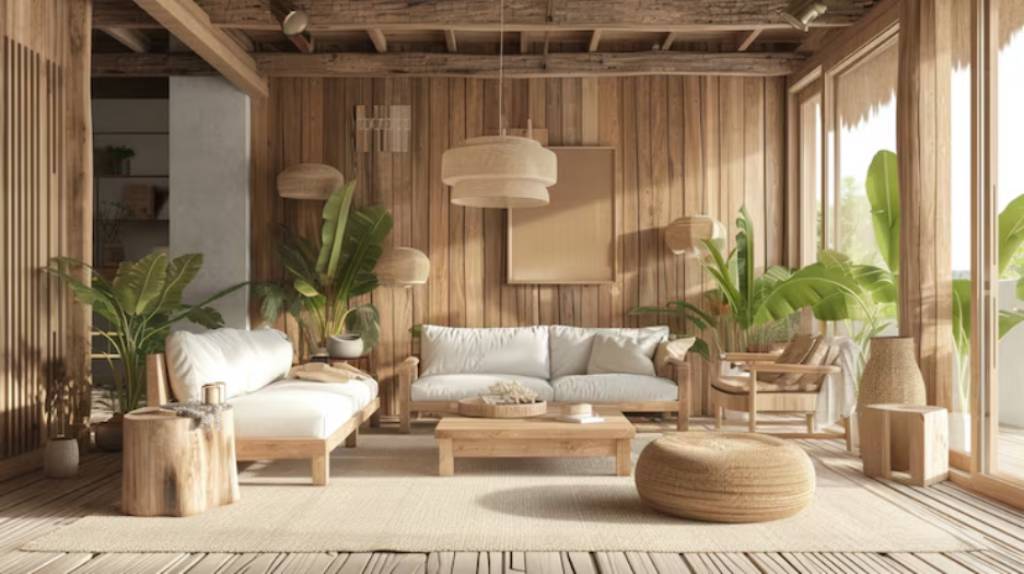
Bamboo has become a popular material in eco friendly interior designs due to its remarkable renewability. Unlike hardwood trees that require decades to mature, bamboo regenerates within three to five years, making it one of the fastest renewable building resources available.
Its clean grain and natural tone fit seamlessly into minimalist spaces while offering impressive durability. Bamboo flooring, furniture and wall panels are increasingly used within sustainable design interior design for homes that prioritise both simplicity and sustainability.
3. Recycled Furniture-Centric Home Design
Designing around recycled furniture offers a creative and responsible approach to eco friendly interior designs. Dining tables made from reclaimed planks, shelving crafted from recycled steel and restored vintage furniture extend the life of existing materials while adding individuality to the home.
Each recycled piece carries a unique story and texture, allowing environmentally friendly interiors to feel curated rather than mass-produced. When thoughtfully placed, recycled furniture becomes a focal point that combines sustainability with timeless design.
4. Upcycled Décor Concept for Budget-Friendly Eco Homes
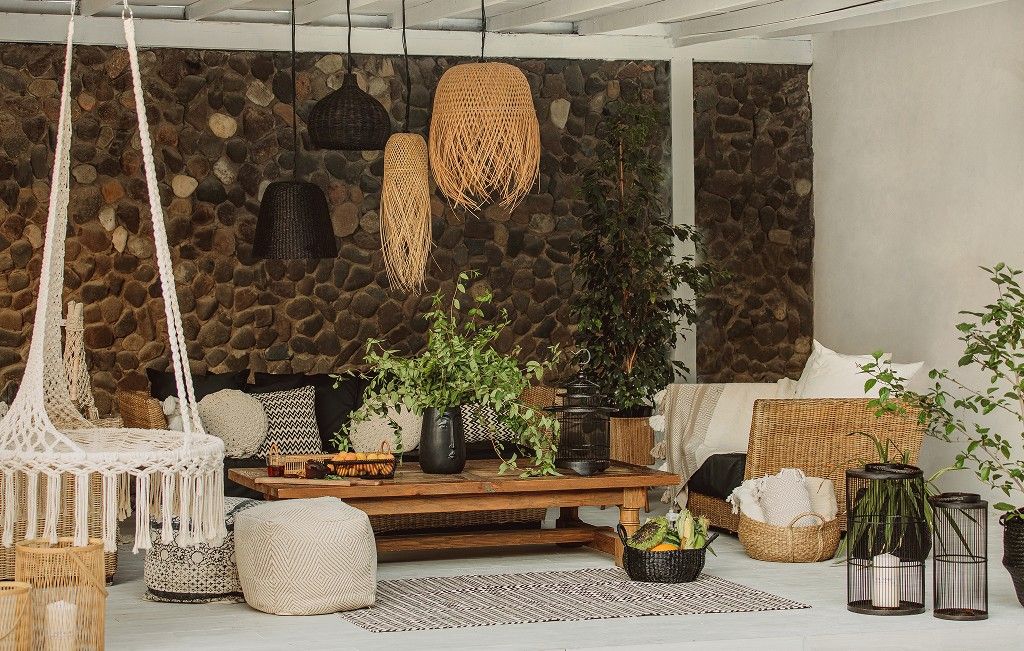
Upcycling transforms discarded materials into purposeful design elements without the need for energy-intensive industrial recycling processes. Within eco friendly interior design ideas, everyday objects can gain a second life through creativity and thoughtful craftsmanship.
Wooden pallets may be reimagined as seating, old ladders can become sculptural bookshelves and glass jars can evolve into pendant lighting. These approaches highlight the essence of sustainable design interior design, where creativity reduces waste while adding character to interiors.
5. Natural Clay and Lime Plaster Wall Design
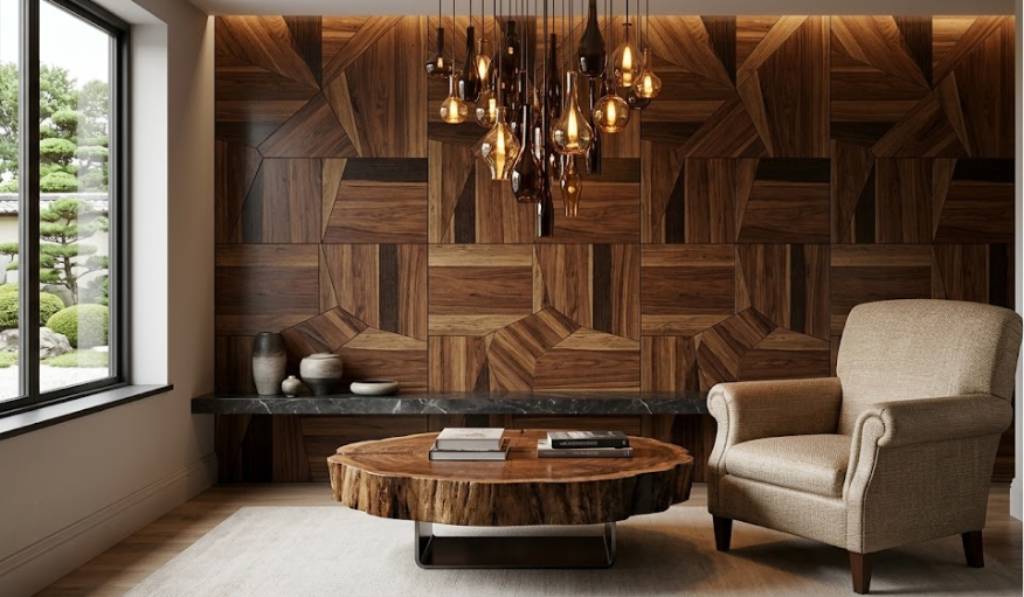
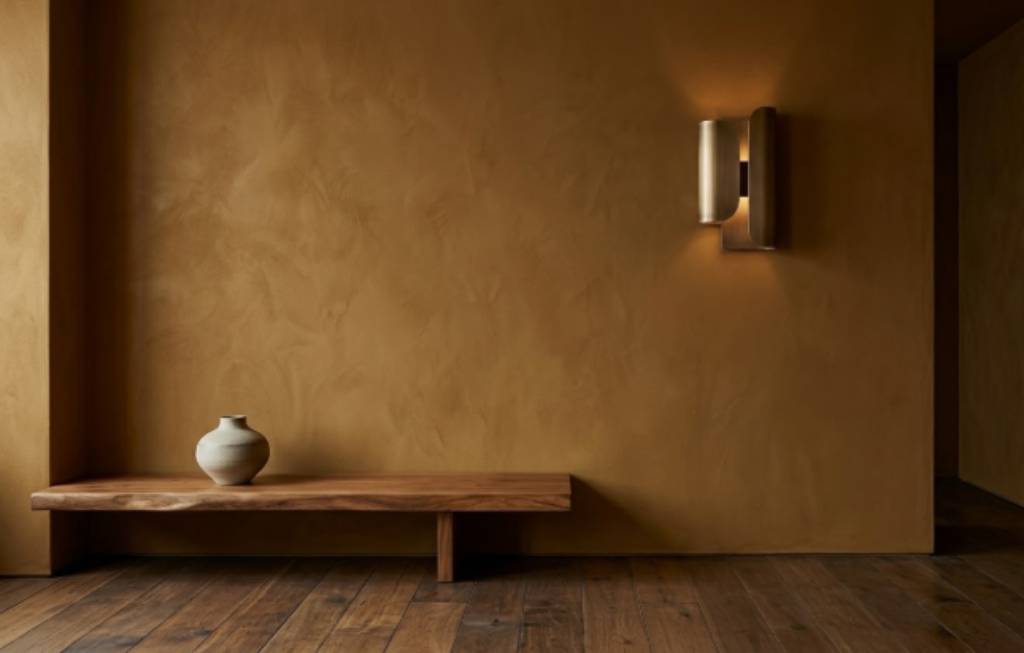
Wall finishes play a significant role in shaping indoor air quality. Clay and lime plaster walls are increasingly popular in eco friendly interior designs because they allow surfaces to breathe naturally and regulate humidity.
Unlike chemical paints that release harmful compounds, these natural finishes reduce toxins while improving thermal comfort. Their soft textures and earthy tones also introduce understated elegance, making them a defining feature of environmentally friendly interiors.
You can also read about hall hall fall ceiling ideas
6. Indoor Plant-Focused Biophilic Interior Design
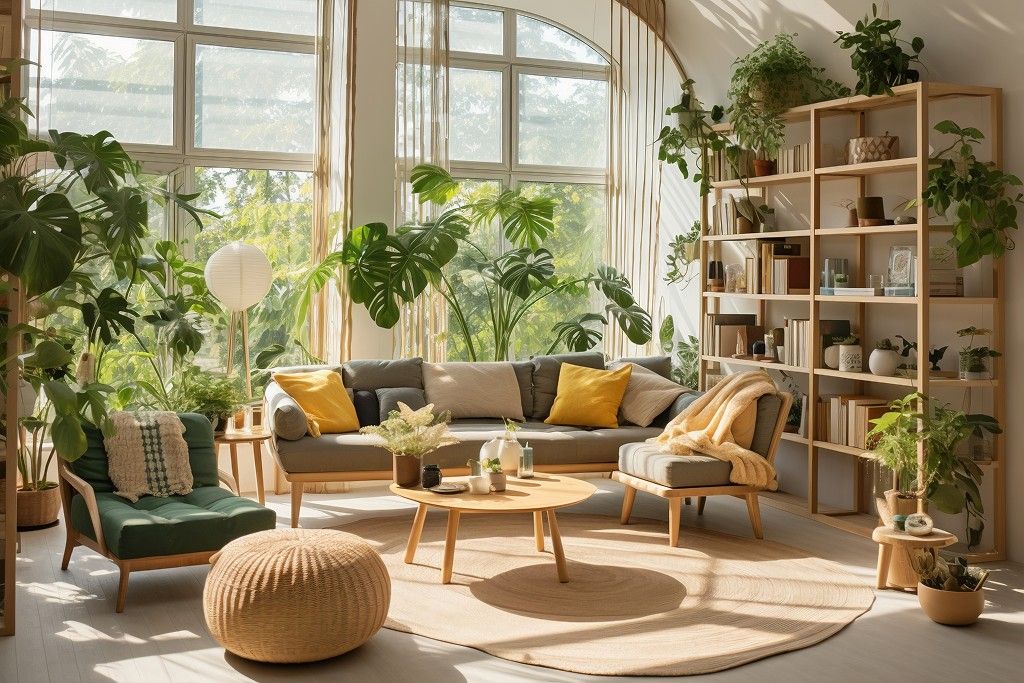
Biophilic design reconnects interior spaces with nature. In many eco friendly interior designs, indoor plants become essential design elements that enhance well-being and visual calm.
Layering floor plants, hanging planters and small herb gardens helps bring vitality into the home. When combined with generous natural light, these features strengthen the connection between indoor spaces and the natural environment, reinforcing the philosophy behind eco friendly interior design ideas.
7. Energy-Efficient Lighting Interior Design
Lighting plays a crucial role in the success of eco friendly interior designs. Energy-efficient LED lighting systems consume significantly less electricity than traditional bulbs while offering longer operational lifespans.
Layering ambient, task and accent lighting allows homeowners to control energy usage while creating balanced illumination. Thoughtful window placement and reflective surfaces can further maximise daylight, reducing dependence on artificial lighting in sustainable design interior design.
You can explore our end-to-end home interiors offerings here.
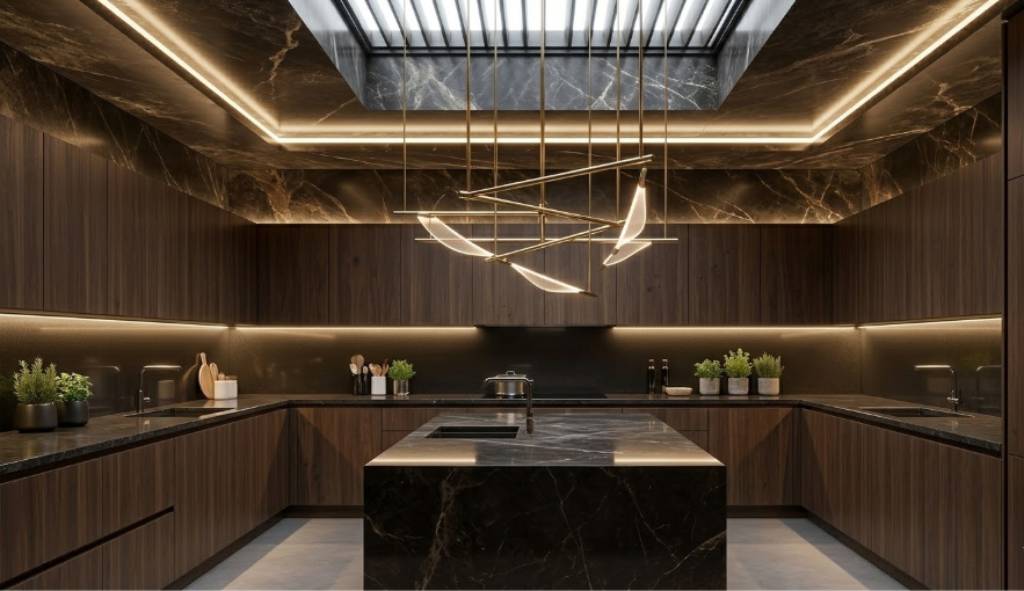
8. Sustainable Modular Kitchen Design
Kitchens involve extensive use of materials, making sustainability particularly impactful in this space. Within eco friendly interior designs, modular kitchens often incorporate FSC-certified wood, recycled stone countertops and low-VOC finishes.
Efficient storage planning also reduces future renovation waste by allowing kitchens to evolve with changing needs. These design decisions ensure that environmentally friendly interiors remain both practical and enduring.
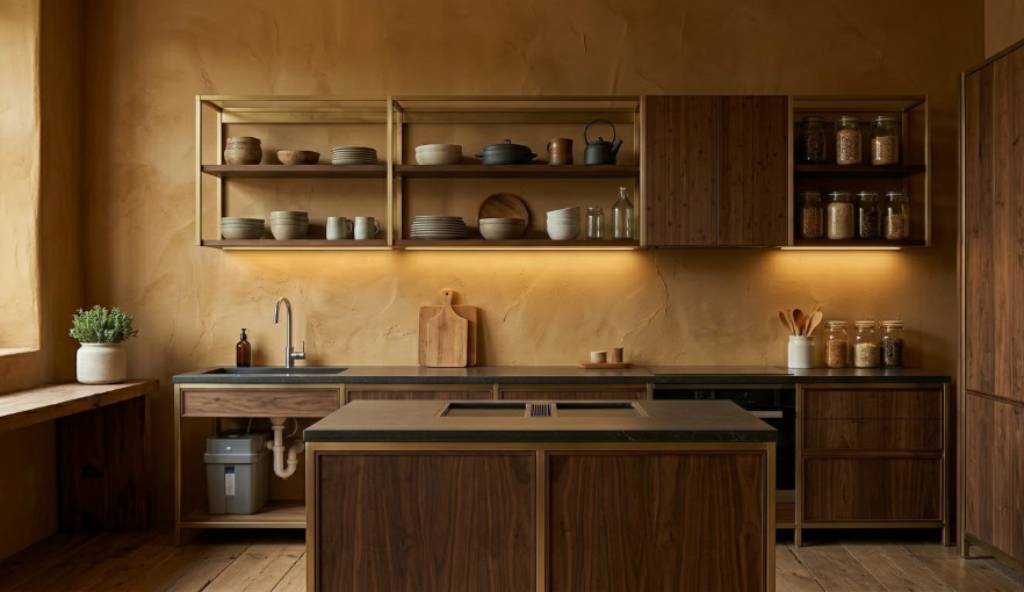
9. Organic Fabric and Eco-Friendly Home Décor Styling
Textiles play a subtle but important role in shaping indoor environments. Many synthetic fabrics release microplastics and chemicals over time, making organic alternatives an important part of eco friendly interior designs.
Materials such as organic cotton, linen, hemp and jute are biodegradable and breathable. Natural dyes further reduce environmental impact during production. Within eco friendly interior design ideas, these textiles add softness and warmth while supporting ethical craftsmanship.
Explore out custom interior design service here
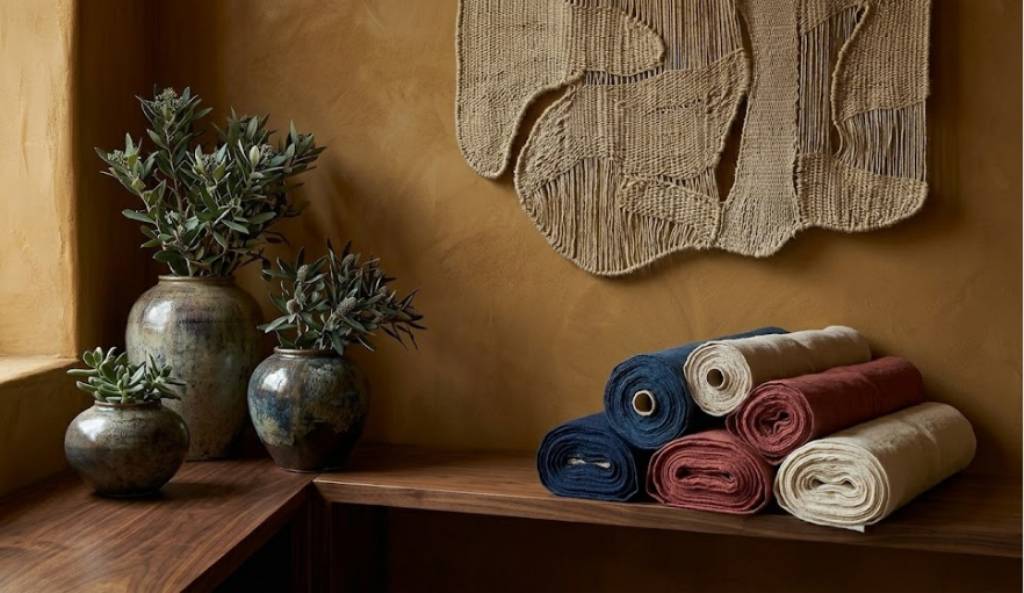
10. Zero-Waste and Circular Interior Design Concept
Circular design represents one of the most advanced approaches to eco friendly interior designs. Rather than focusing only on recycled products, circular interiors consider the entire lifecycle of materials.
Modular furniture that can be repaired or reassembled, durable materials that age gracefully and layouts designed for long-term flexibility all contribute to sustainable design interior design. This philosophy prioritises longevity, ensuring that interiors remain functional and relevant for decades.
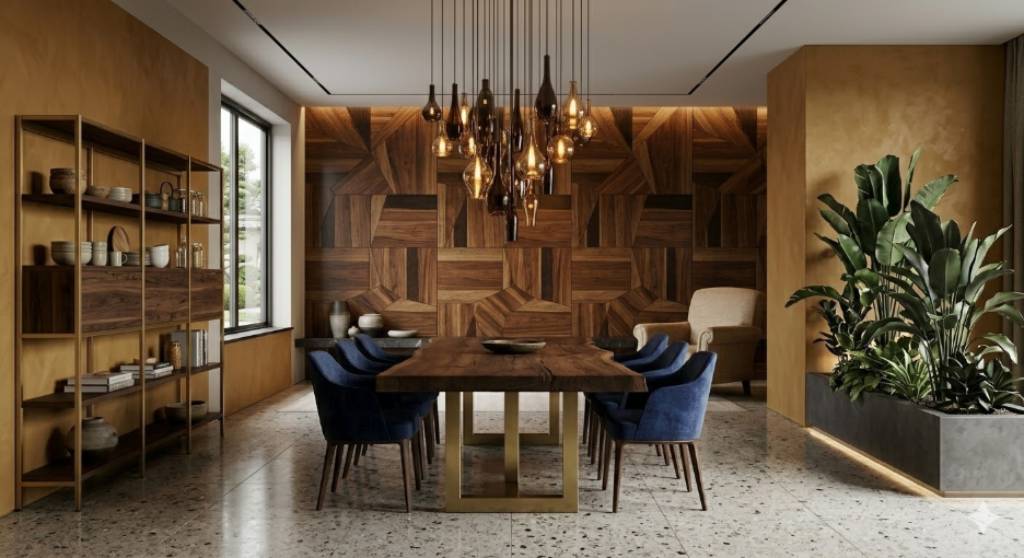
You can also read about Drawing Room Interior Ideas
Additional Eco-friendly Interior Solutions for Greener Living
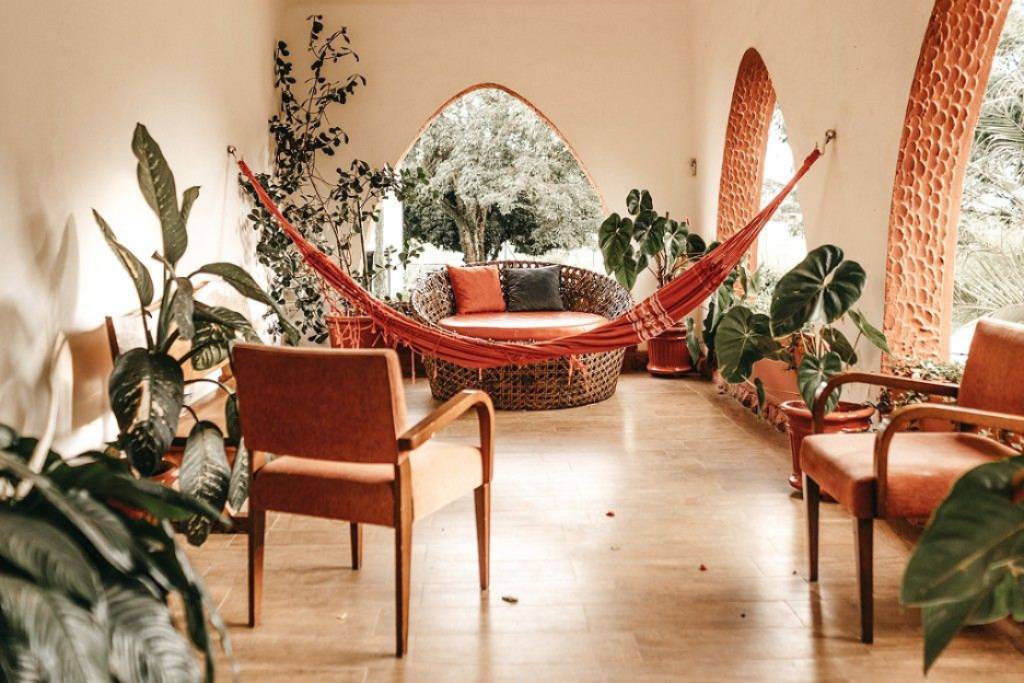
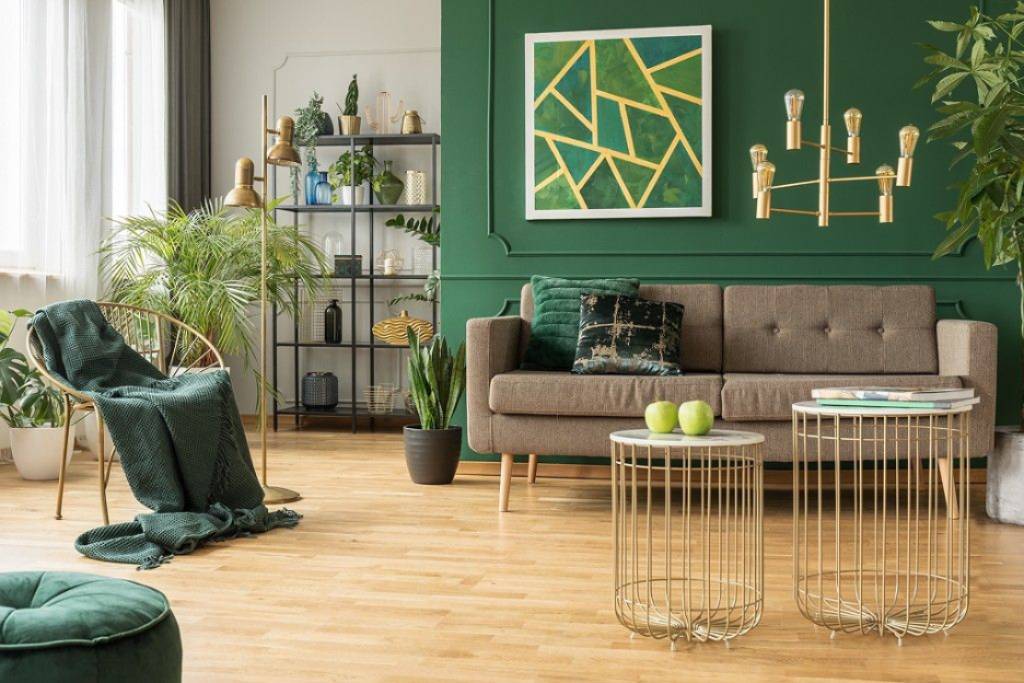
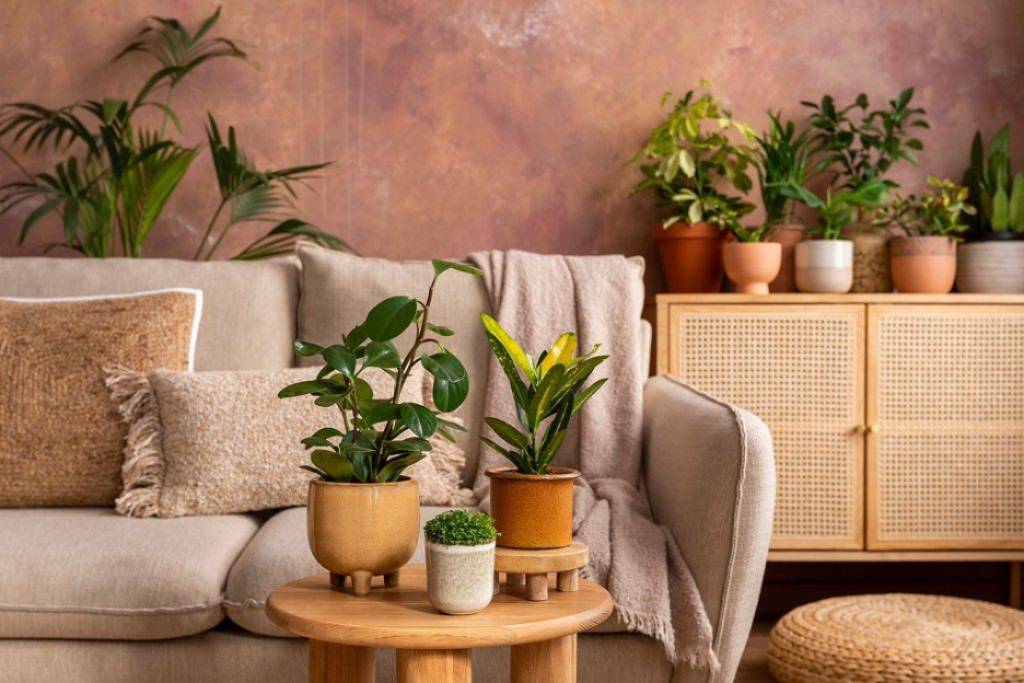
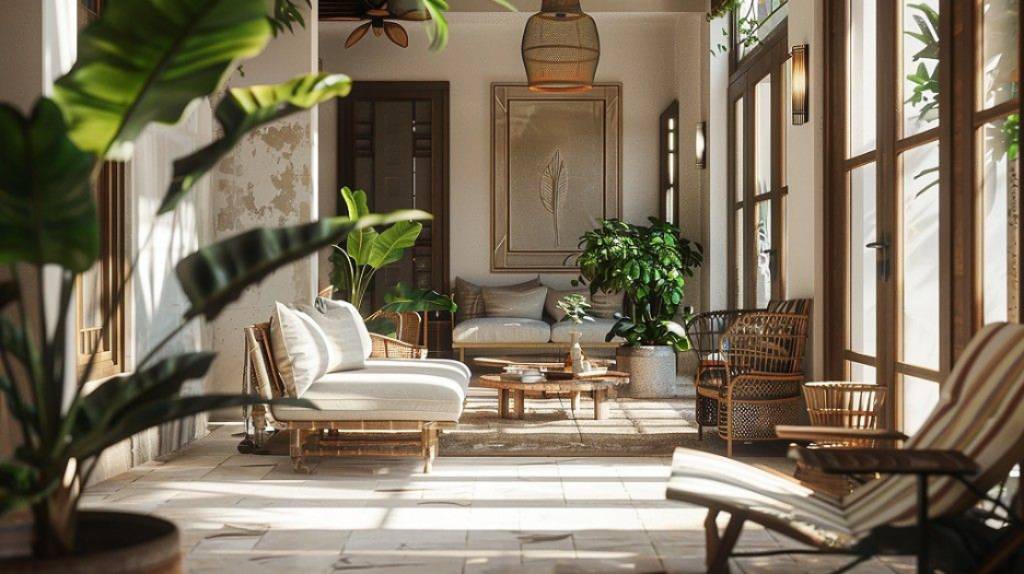
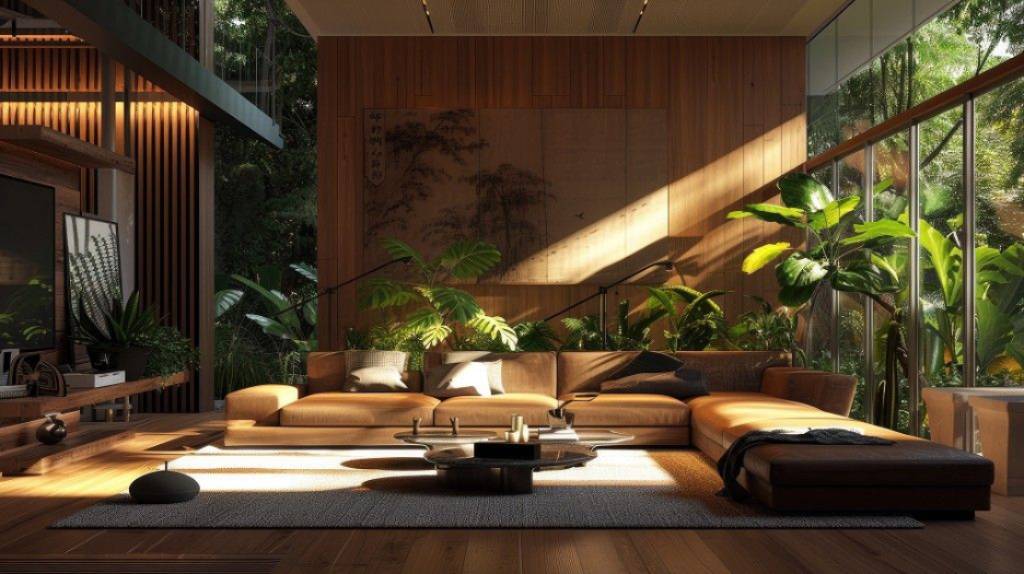
Creating a sustainable home goes beyond choosing eco-friendly materials it’s about making thoughtful design choices that reduce environmental impact while enhancing everyday living. From energy-efficient lighting and natural materials to recycled décor and indoor plants, small changes can contribute to a greener lifestyle. The following eco-friendly interior solutions showcase simple yet effective ideas that help make living spaces more sustainable, healthier, and visually appealing.
Best Natural Materials for Home Interiors
Many of the most successful environmentally friendly interiors rely on natural materials that combine durability with low environmental impact. Bamboo, reclaimed wood, cork, clay plaster, lime plaster and natural stone all offer sustainable alternatives to synthetic finishes.
Certifications such as FSC-certified wood and low-VOC finishes help homeowners verify responsible sourcing. Choosing authentic materials also protects against greenwashing, ensuring that eco friendly interior designs remain genuinely sustainable rather than purely aesthetic.
7 Common Mistakes to Avoid in Eco Friendly Interior Designs
Many homeowners assume that sustainability simply means adding plants or choosing recycled décor. In reality, successful eco friendly interior designs require thoughtful material selection, energy efficiency and long-term planning.
Common mistakes include relying on unverified “eco” labels, overlooking ventilation and indoor air quality, or purchasing excessive sustainable products that still increase environmental consumption. Focusing solely on trends rather than durability can also lead to frequent renovations.
Avoiding these pitfalls allows sustainable design interior design to remain both responsible and practical while supporting healthier interiors.
You can also read about POP Design Ideas
FAQ
Not necessarily. While some materials may have a higher upfront cost, sustainable design interior design often reduces long-term expenses through durability, energy efficiency and fewer renovations.
Low-VOC materials release fewer volatile organic compounds, which helps maintain better indoor air quality. They are commonly used in environmentally friendly interiors for paints, adhesives and finishes.
True sustainability lies in the everyday experience of a home. When design decisions are guided by clarity, healthy materials and thoughtful planning, the result is a space that feels calmer, lighter and more attuned to how you live.
This is what Design First believes in — homes that are better for you and gentler on the environment.
Bamboo, reclaimed wood, natural stone, cork, clay plaster and organic textiles are widely used in eco friendly interior designs due to their durability, low toxicity and environmental sustainability.
An example of eco friendly interior design ideas would include using reclaimed wood furniture, low-VOC paints, natural textiles and energy-efficient lighting systems to reduce environmental impact while maintaining aesthetic appeal.
Eco friendly interior designs focus on creating interiors that minimise environmental impact while supporting healthier living. This includes using sustainable materials, reducing energy consumption and selecting durable products that extend the life of the home.
The 70/30 rule suggests using one dominant design style or material for about 70 percent of a space while allowing the remaining 30 percent to introduce contrast or personality. This principle helps environmentally friendly interiors remain visually balanced.
Both approaches focus on reducing environmental impact. However, sustainable design interior design emphasises long-term lifecycle thinking, while eco friendly interior designs may focus more broadly on environmentally responsible materials and practices.