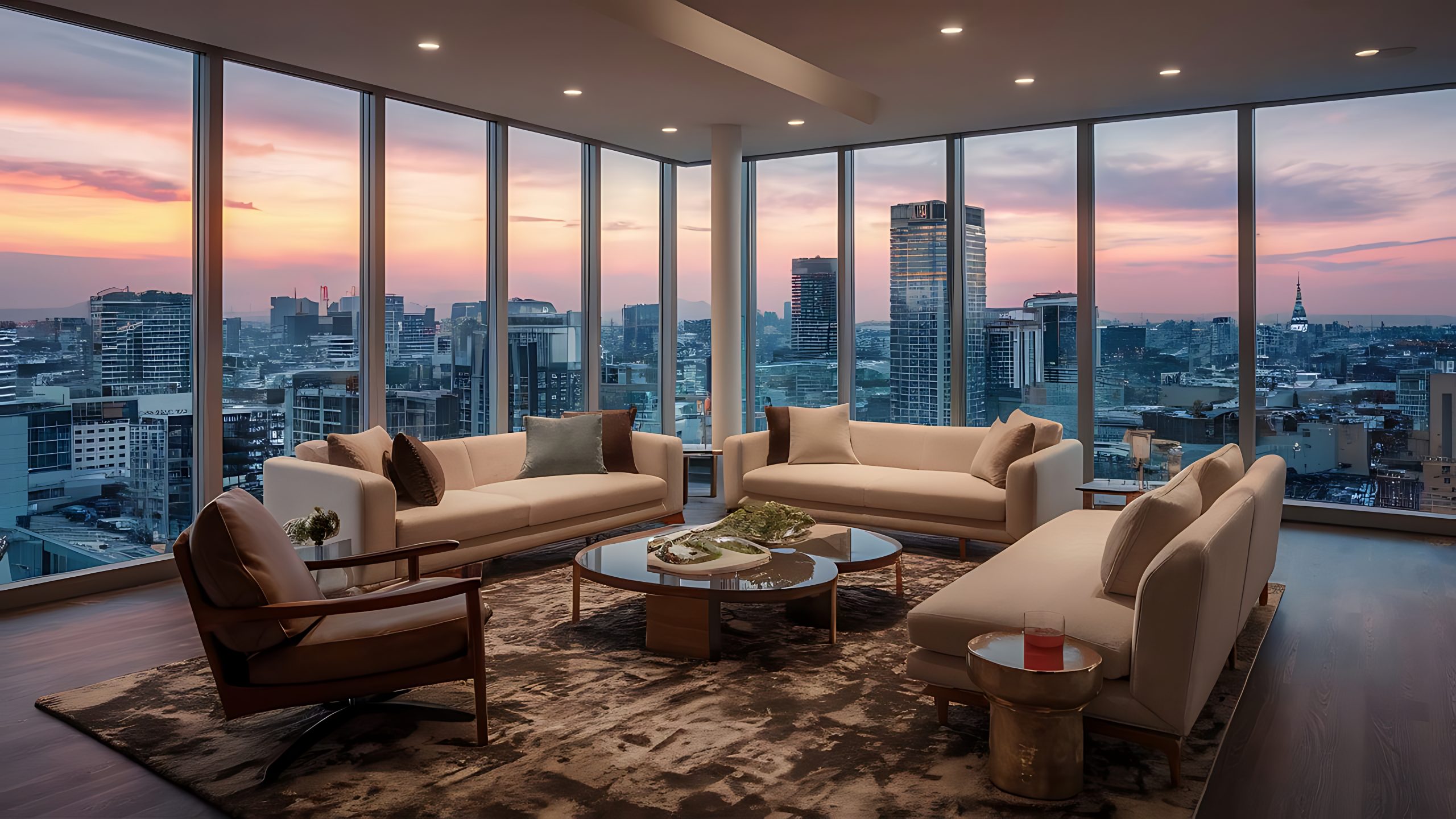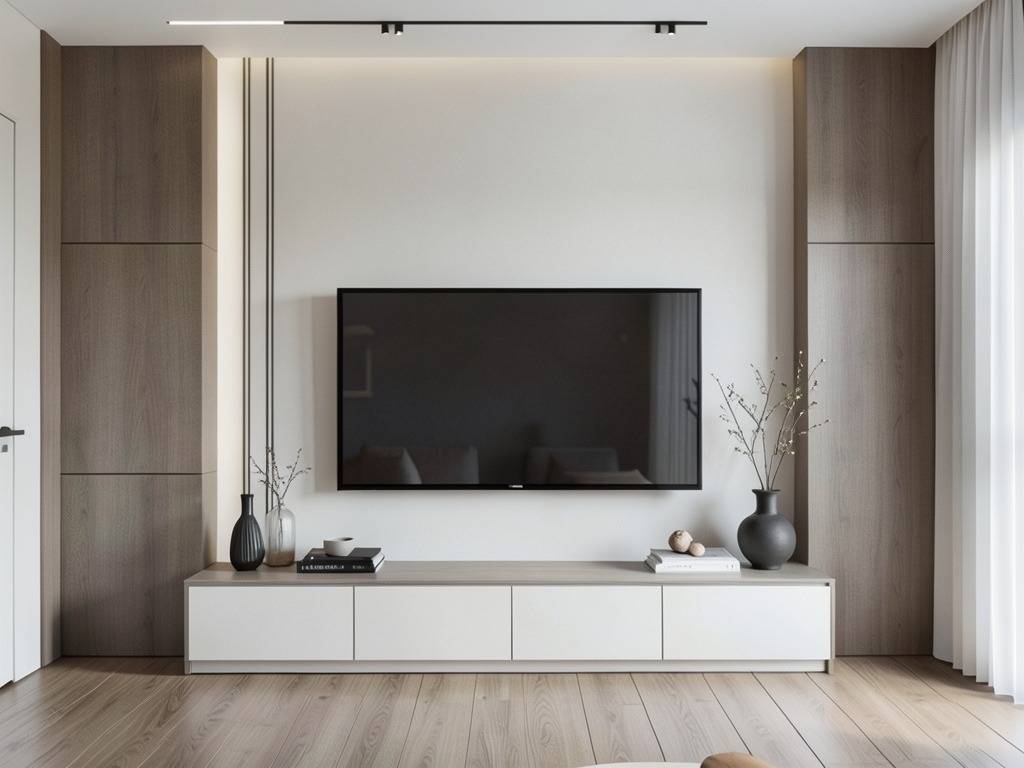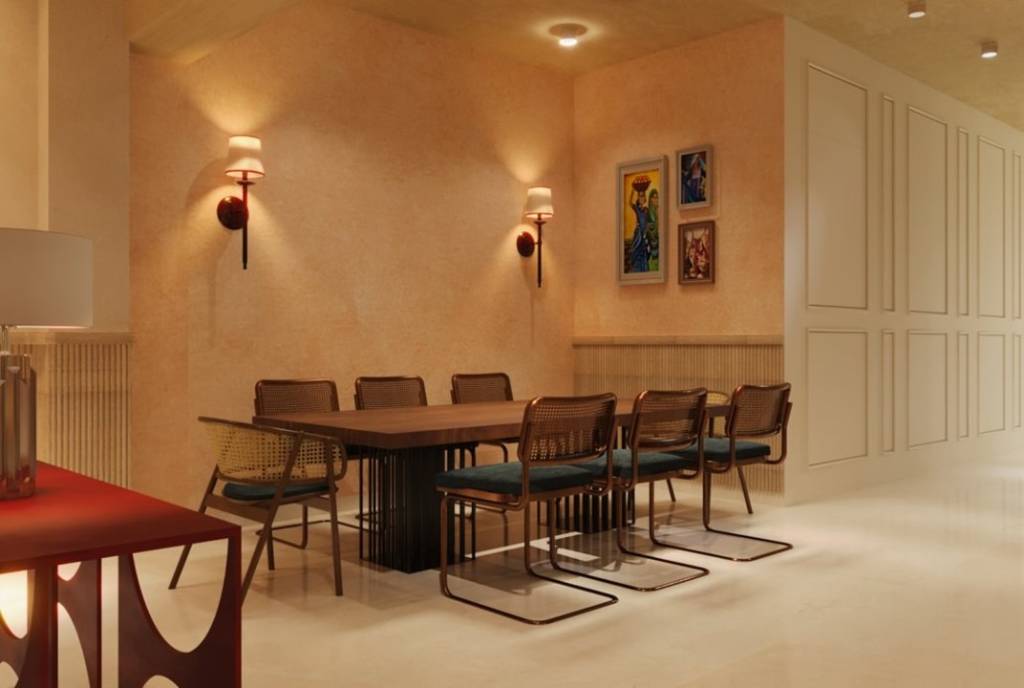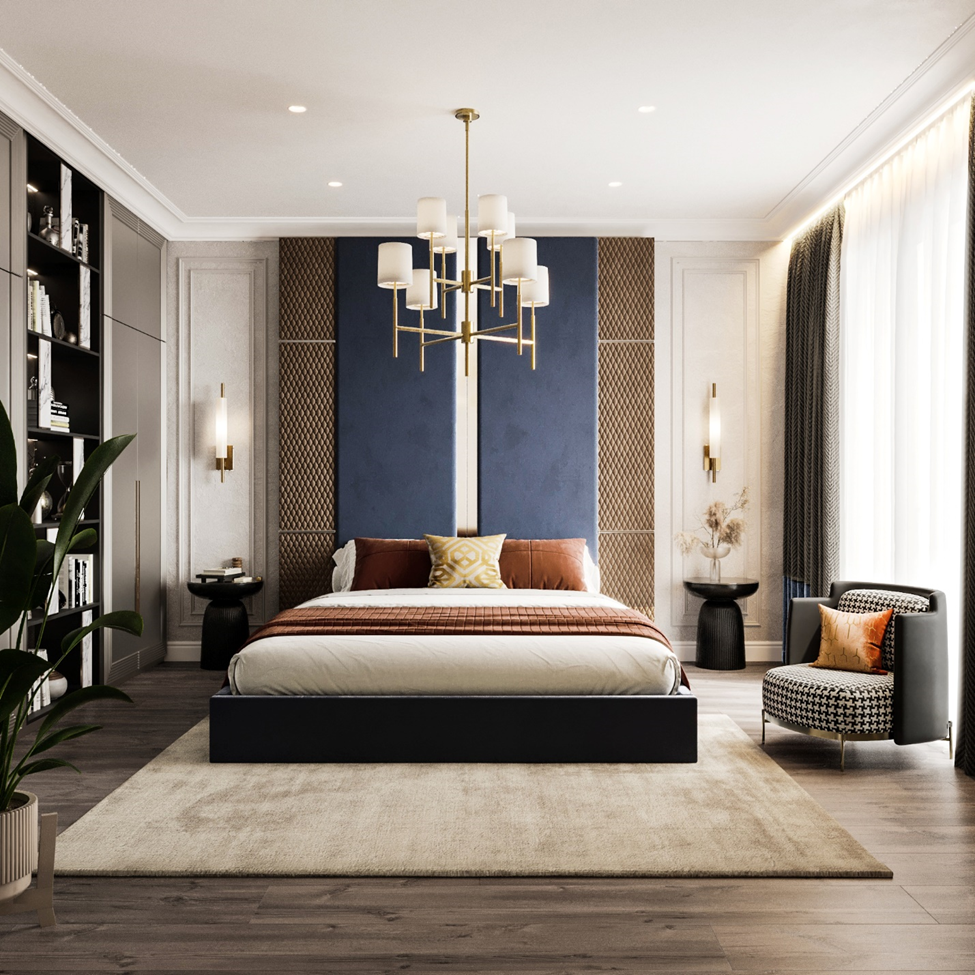
- Why Wall Texture Design is Trending in 2026
- 15 Wall Texture Design Ideas You Can Try
- Marble Texture Finish: Elegant Stone-Inspired Walls
- Concrete Texture: Raw and Contemporary Wall Design
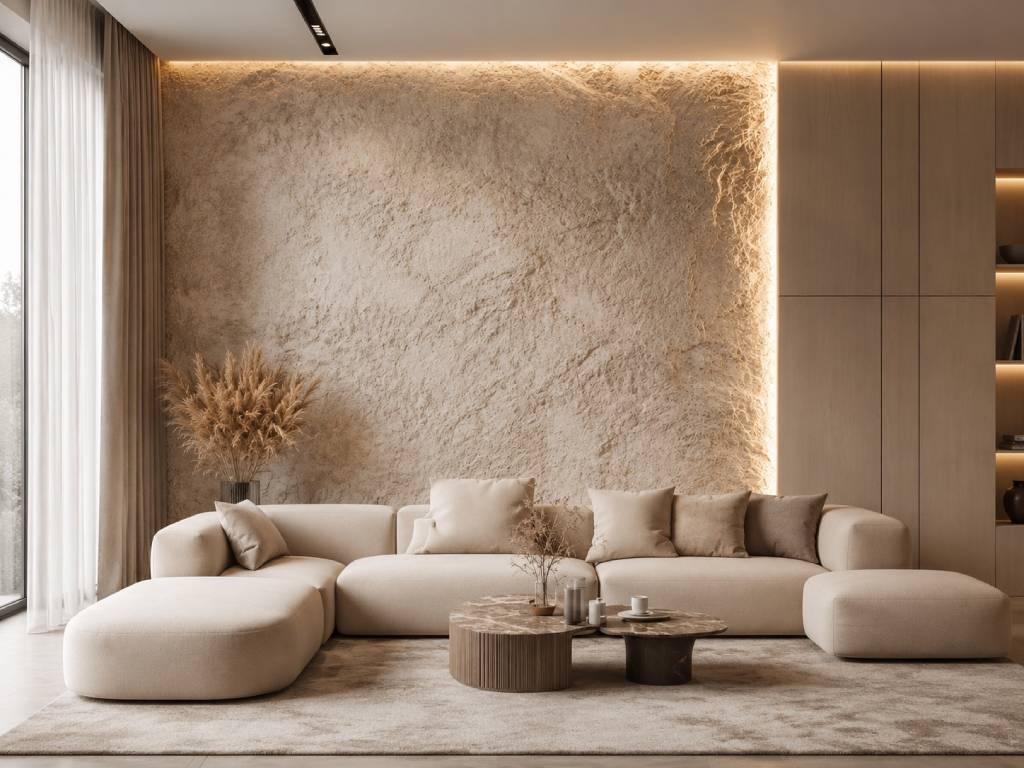
- Geometric Texture: Structured Patterns for Statement Walls
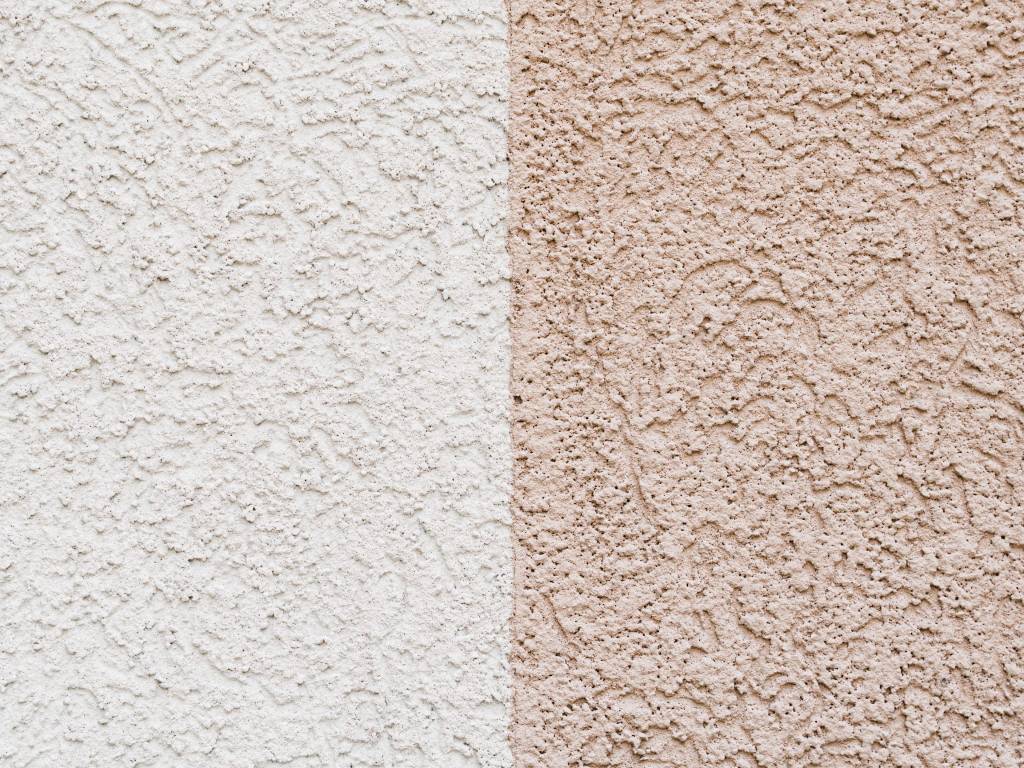
- Stucco Texture: Timeless and Durable Wall Finish
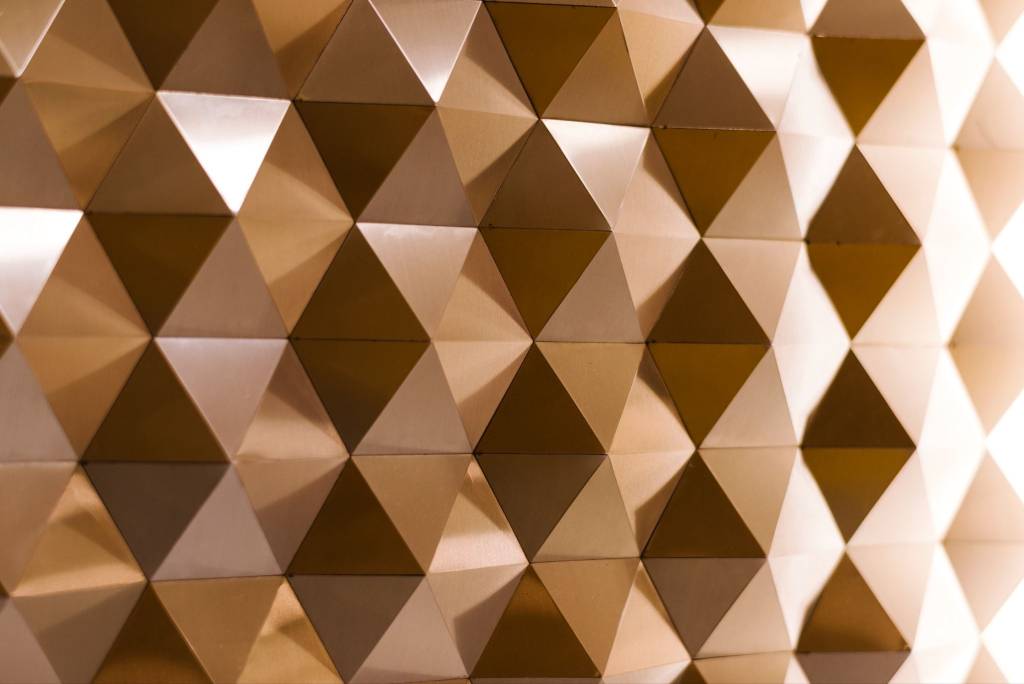
- Metallic Texture: Subtle Shine for Luxury Interiors
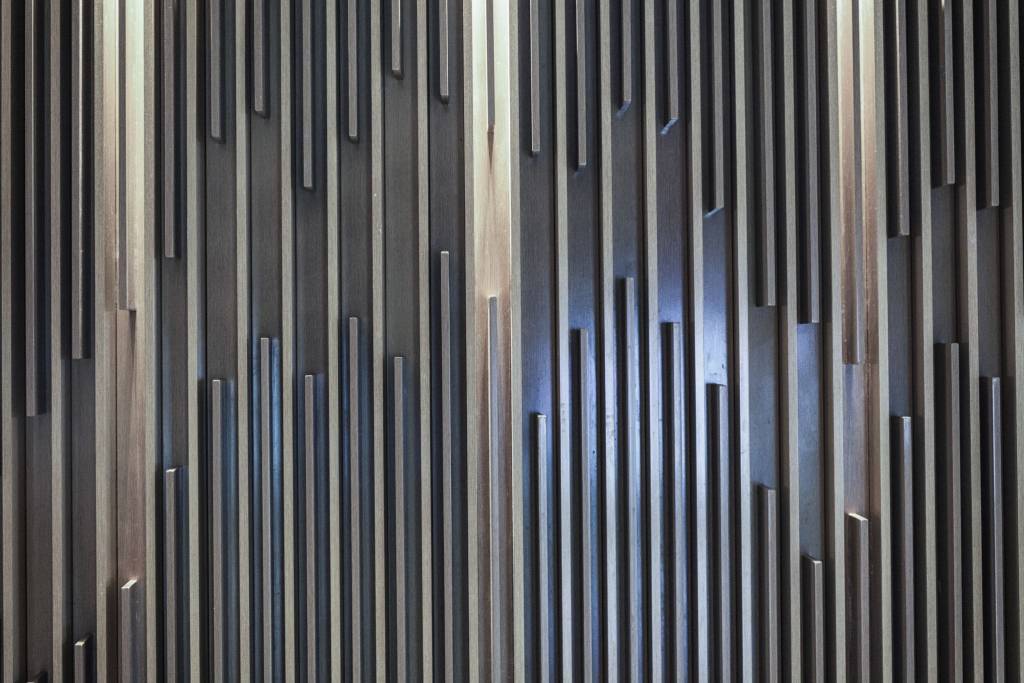
- Brick Texture Finish: Rustic and Industrial Appeal
- Sand Texture: Soft and Subtle Wall Finish
- Fabric Texture Finish: Cozy and Layered Look
- Wood Texture Finish: Natural and Warm Wall Design
- Spatula Texture: Artistic and Freeform Wall Design
- Knockdown Texture: Balanced and Practical Finish
- Orange Peel Texture: Smooth Yet Textured Finish
- Venetian Plaster Texture: High-End Polished Walls
- Ombre Texture Wall: Gradient and Artistic Appeal
- Textured Accent Wall: Focused Design Highlight
- How to Choose the Right Wall Texture Design for Your Home
- Final Thoughts
- FAQ
A well-designed room is shaped by many details: furniture, lighting, materials, proportions and styling. Wall textures are one of those details and when chosen thoughtfully, they can add depth, warmth and character to a space.
This is why wall texture design is becoming an important part of Indian interiors. Homeowners are going beyond flat paint and choosing finishes that bring depth, warmth and architectural interest. In this guide, we look at polished wall texture design ideas for 2026, the finishes catching attention in Indian homes and how to select the right texture for your room.
Why Wall Texture Design is Trending in 2026
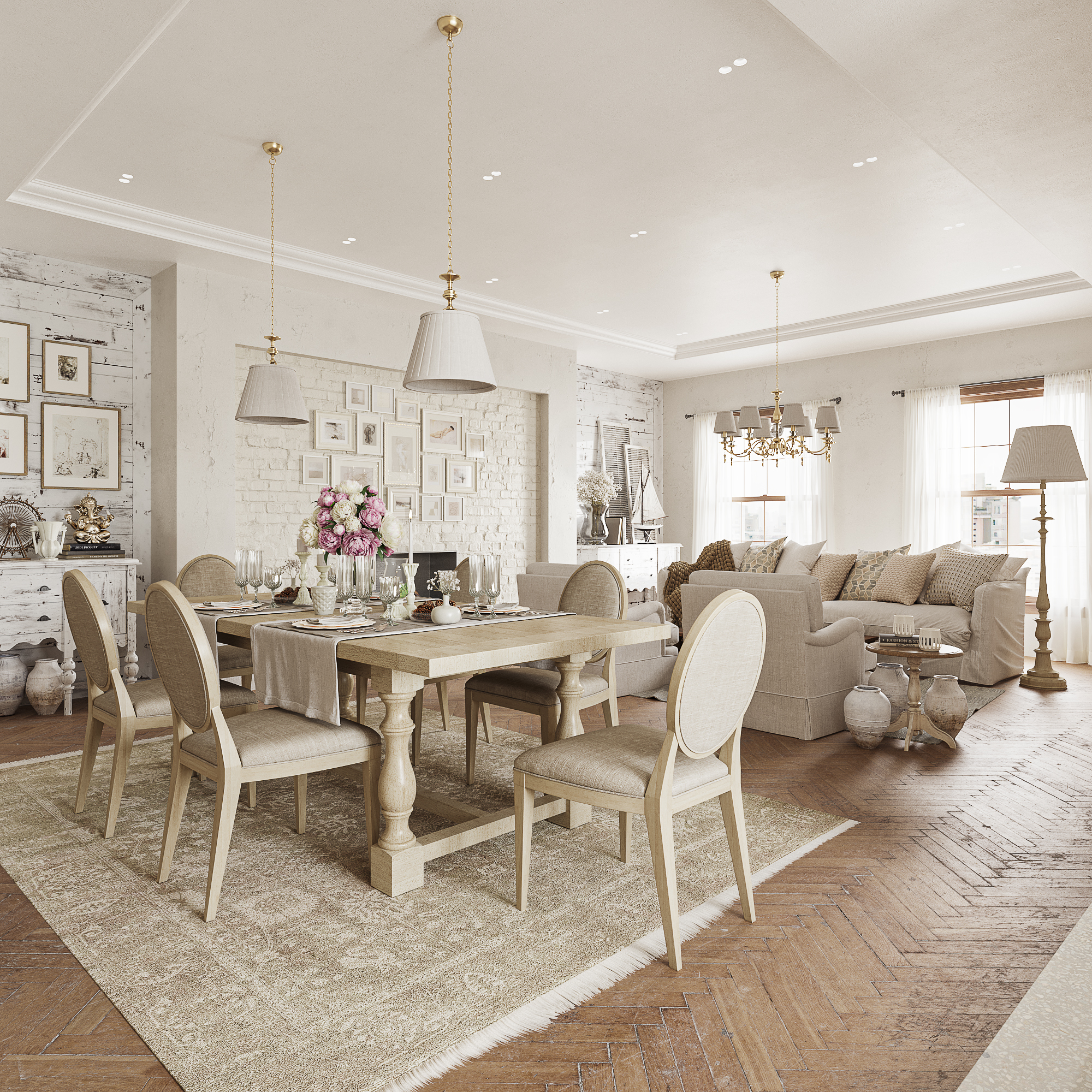
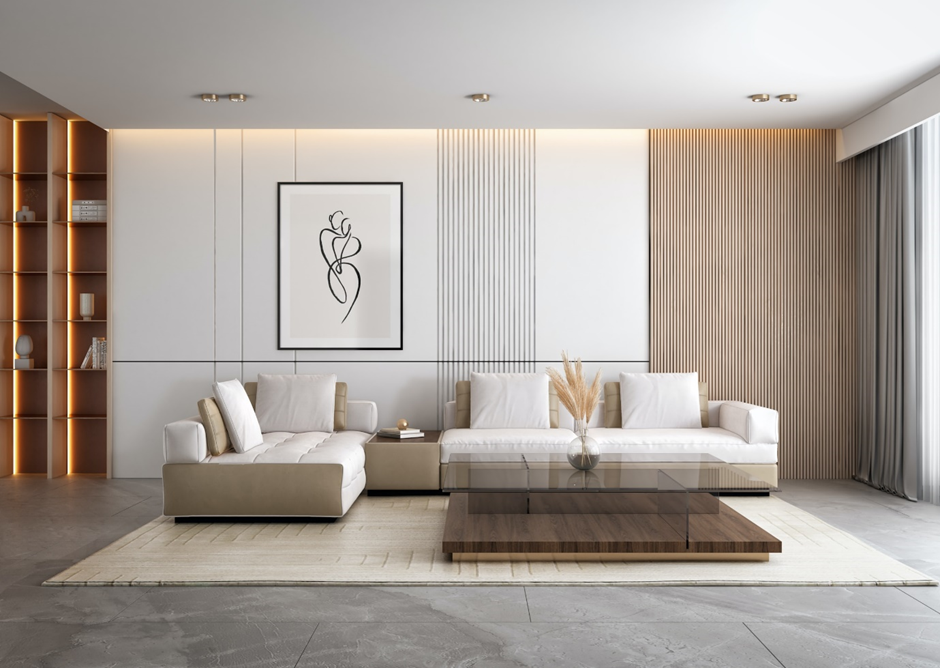
Interior design in 2026 is growing more tactile, layered and material-led. Walls are not just being treated as backdrops. They are designed as surfaces that affect the atmosphere and character of a room.
One of the latest wall texture design trends 2026 India is the demand for finishes that feel natural, sensory and simple to live with. Minimal homes are using subtle textures for quiet depth. Luxury residences are embracing marble effects, Venetian plaster, metallic finishes and hand-crafted surfaces. Compact apartments are using accent walls to add interest without heavy décor.
As homeowners look for ways to add visual interest without relying only on furniture or décor, modern wall texture design continues to be a popular addition to Indian homes, especially when the finish is chosen for the room’s light, usage and maintenance needs.
Working with an experienced residential interior designer can help homeowners select textures that complement their lifestyle, architecture, and interior style.
15 Wall Texture Design Ideas You Can Try
From stone-inspired finishes to hand-applied surfaces, these wall texture design ideas can give spaces a layered, complete feeling.
Marble Texture Finish: Elegant Stone-Inspired Walls
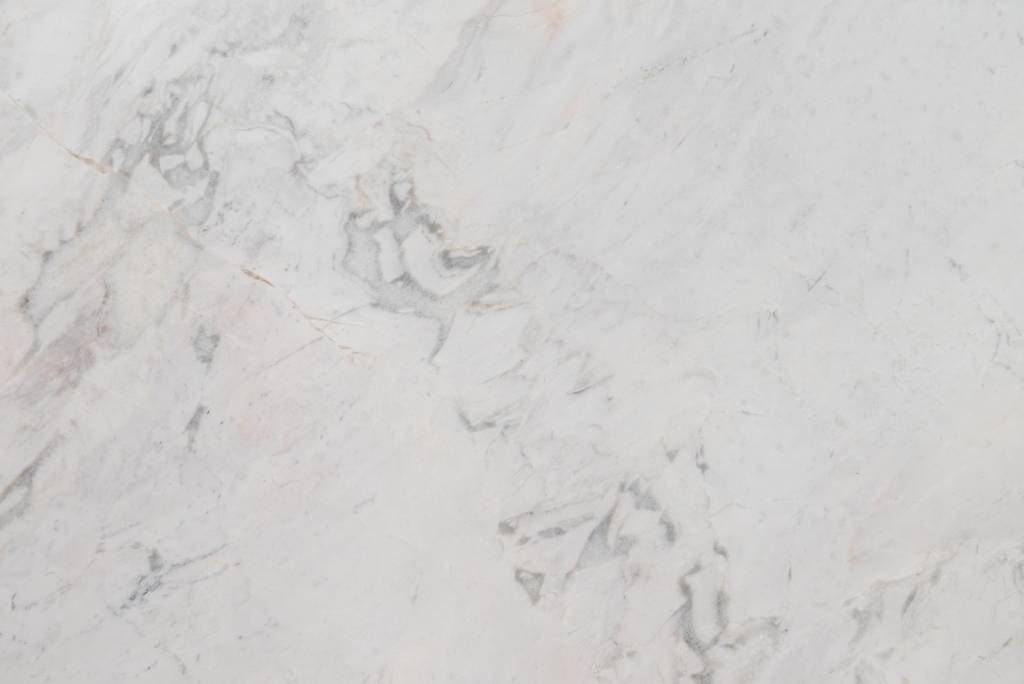
Marble-inspired walls bring the beauty of natural stone into a room without adding visual weight. The delicate veining and polished look can make a living room, entryway or dining area feel more refined.
This wall texture design is suitable for formal sitting rooms, entrance passages and master bedrooms. Ivory, beige, warm grey and soft taupe look especially good with wood, brass details and stone flooring.
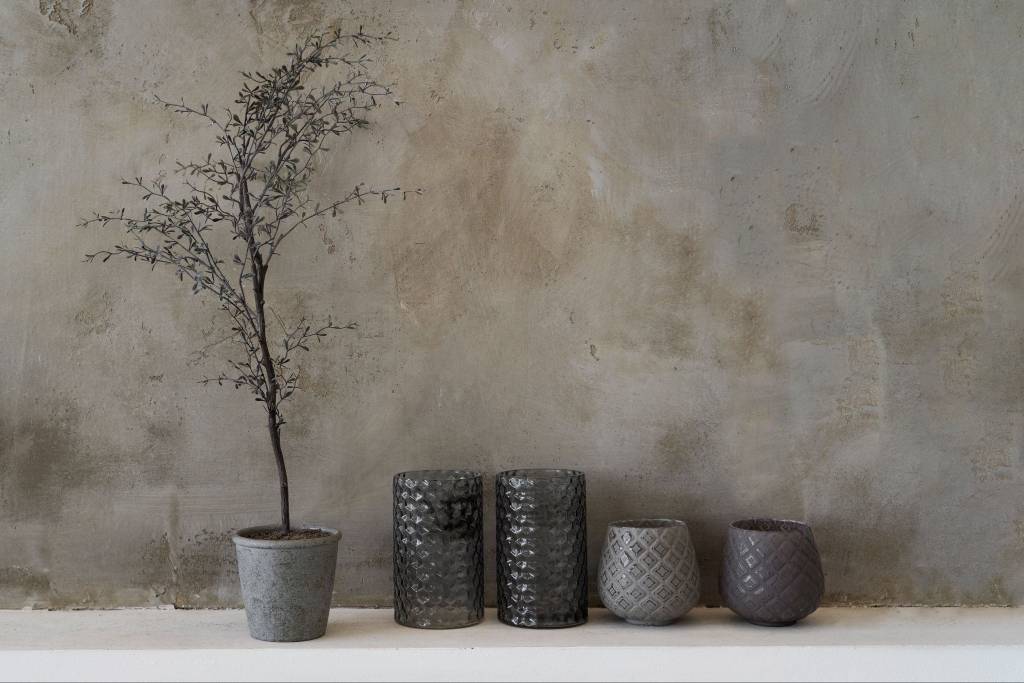
Concrete Texture: Raw and Contemporary Wall Design
Concrete textures work well for homes with a clean, urban and contemporary appearance. The finish has a raw quality, yet when used thoughtfully, it can feel calm and refined.
This modern wall texture design works well in TV walls, home offices and bedrooms. Ash grey, charcoal and cement beige create a strong background for sleek furniture. Balance it with wood, rugs and warm lighting.
These clean-lined finishes work particularly well in homes inspired by minimalist vs contemporary design principles.
Geometric Texture: Structured Patterns for Statement Walls
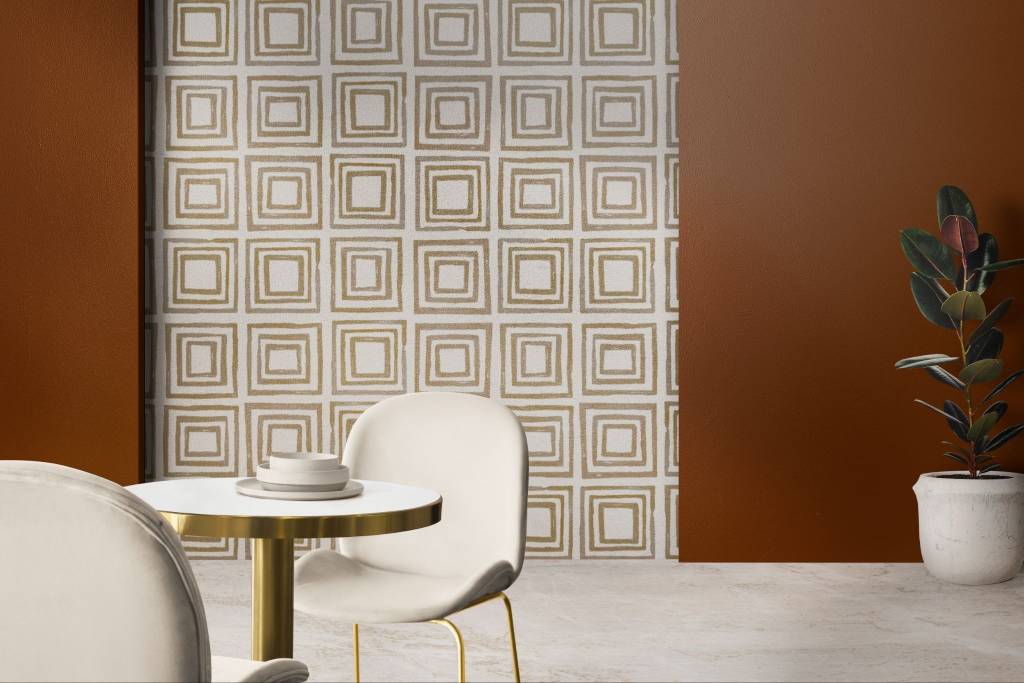
Geometric textures add rhythm and structure to a room. Lines, panels, grooves and repeated shapes can make a wall feel more architectural, especially when the furniture around it is simple.
This finish is ideal for TV walls, dining areas, foyers and walls behind beds. It works best with a limited palette.
Geometric textures often pair beautifully with modern wall panel design concepts to create visually striking feature walls.
Stucco Texture: Timeless and Durable Wall Finish
Stucco has a warm lived-in quality that works with both traditional and contemporary interiors. Its subtly uneven surface brings character and can help a room feel more anchored.
This wall texture design works well in hallways, living rooms, balconies and courtyards. Earth tones, warm whites, clay colours and mellow beige suit Indian homes beautifully.
Metallic Texture: Subtle Shine for Luxury Interiors
When used sparingly, metallic textures lend a soft glow to the room. Champagne, bronze, pearl, antique gold and soft silver finishes can reflect light nicely without going over the top.
This option is good for formal living rooms, dining areas, bars, powder rooms and master bedrooms. Use it as a feature wall or panel.
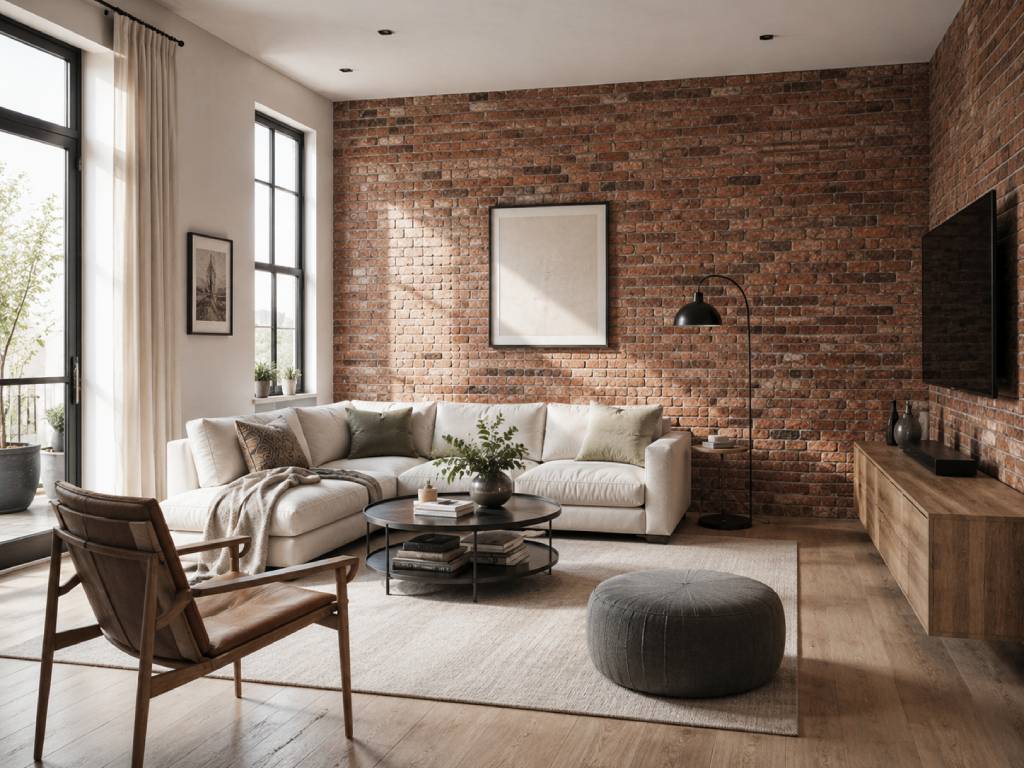
Brick Texture Finish: Rustic and Industrial Appeal
Brick textures bring warmth, informality and character into interiors. They perform well in rooms that need a laid-back, slightly rustic or industrial look.
This wall texture design suits living spaces, home offices, balconies and casual lounges. Red brick feels warmer, while whitewashed or grey brick feels softer.
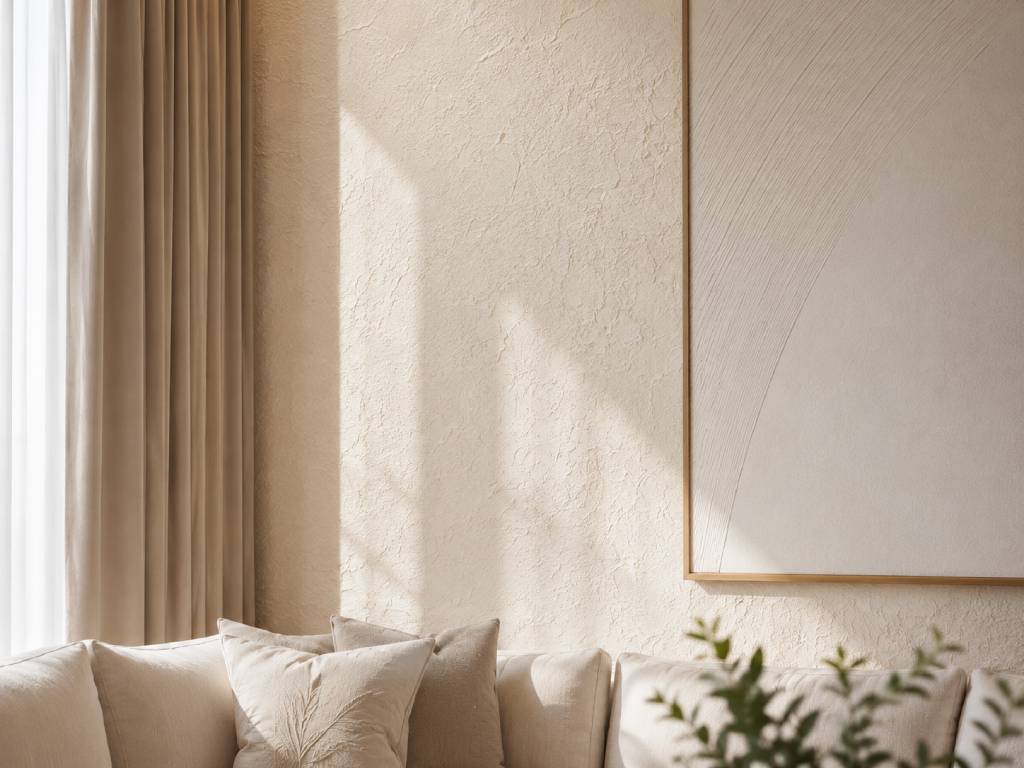
Sand Texture: Soft and Subtle Wall Finish
Sand texture is one of the subtler ways to add depth to a wall. The surface feels soft, calm and easy to live with, which makes it suitable for homes where the design language is simple.
Cream, beige, off-white and muted earthy tones work especially well. Use it where the wall needs interest without a strong pattern.
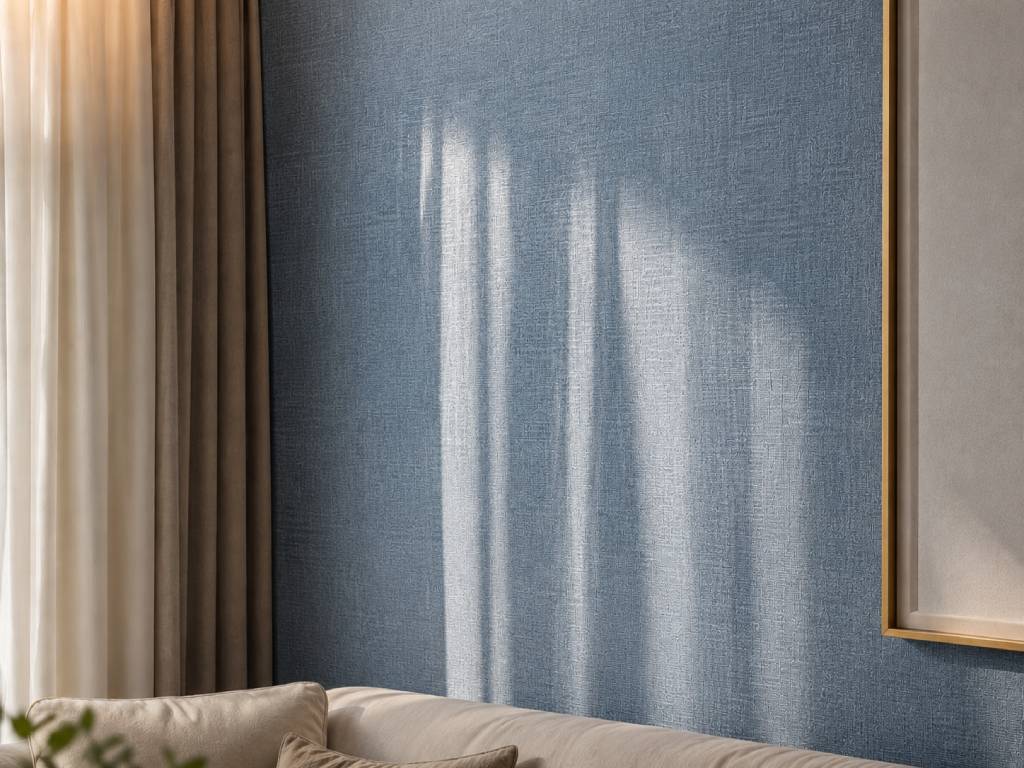
Fabric Texture Finish: Cozy and Layered Look
Fabric-inspired textures create the visual softness of woven surfaces. They add warmth to a room and can make walls feel more layered without using actual fabric panels.
This finish works beautifully in bedrooms, reading corners and home offices. Linen, taupe, warm grey or muted pastels pair well with upholstered beds and soft curtains.
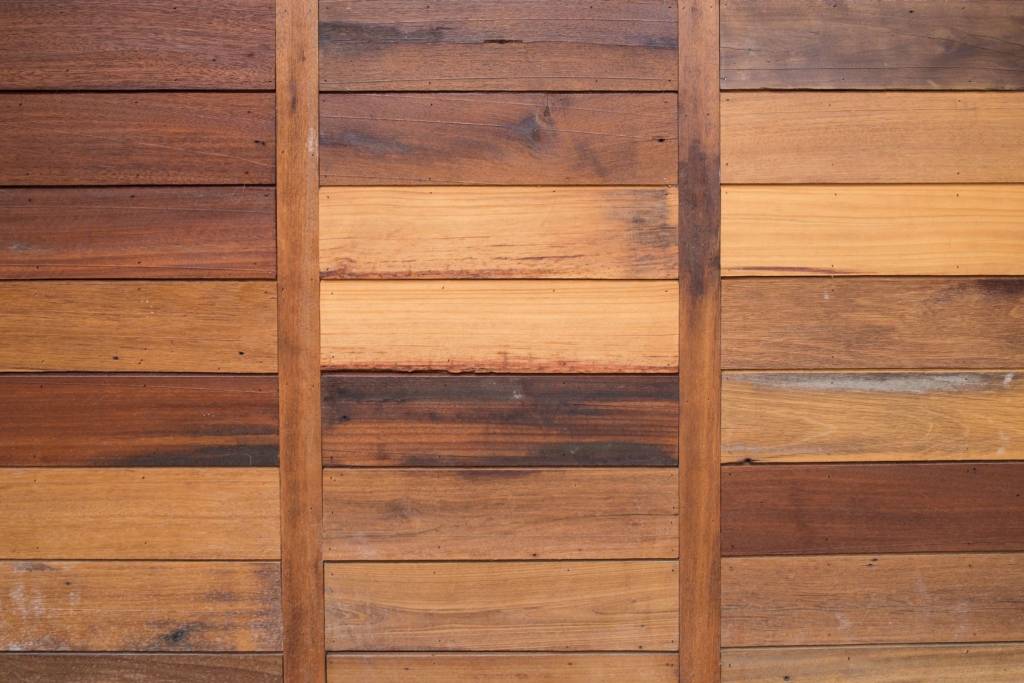
Wood Texture Finish: Natural and Warm Wall Design
Wood-textured walls bring natural warmth into interiors. They can add richness, softness and a stronger sense of connection to the rest of the home.
Light oak is good for simple homes, while walnut, teak and darker wood effects create a deeper mood. This wall texture design is suitable for living rooms, bedrooms, study areas and TV walls.
Nature-inspired wall finishes often work well alongside tropical interior room design ideas, helping create warm and inviting living spaces.
Spatula Texture: Artistic and Freeform Wall Design
Spatula textures are made with hand-applied strokes, giving each wall a distinctive touch. The movement in the application adds depth, variation and a handcrafted look.
This finish is ideal for feature walls in foyers, dining rooms, bedrooms and lounges. Since the wall already has movement, keep the furniture and lighting simple.
Thoughtfully selected textures become an integral part of living by design, where every surface contributes to the overall character and functionality of the home.
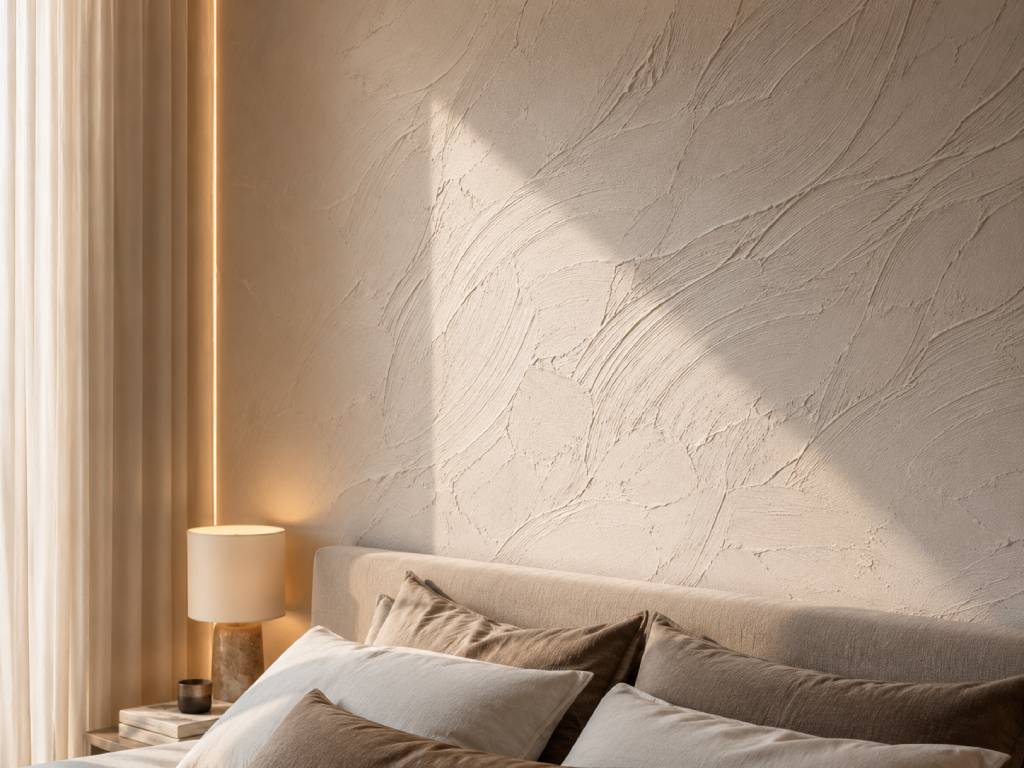
Knockdown Texture: Balanced and Practical Finish
Knockdown texture provides subtle depth and is a good option for everyday interiors. It has more surface interest than a simple painted wall yet remains soft enough for family spaces.
This finish works well in hallways, guest bedrooms, living rooms and children’s rooms. It can also help conceal minor surface imperfections.
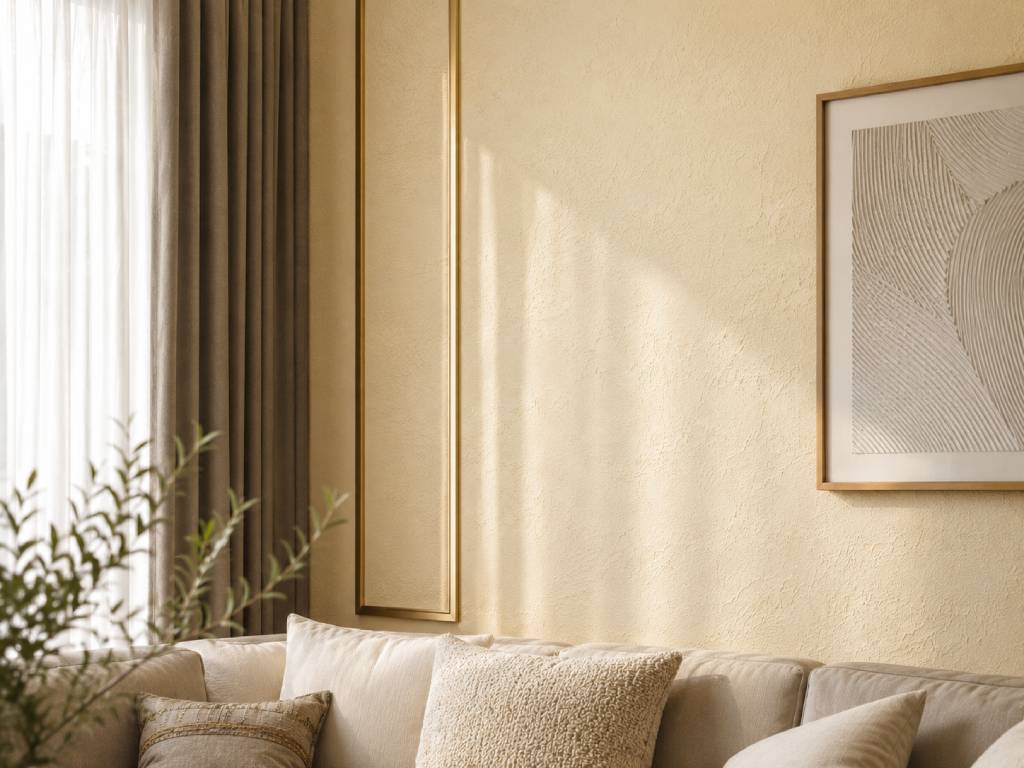
Orange Peel Texture: Smooth Yet Textured Finish
Orange peel texture has a fine, lightly dimpled surface that gives the wall a polished yet practical finish. It is simple, versatile and easy to maintain.
This modern wall texture design suits bedrooms, passages and family rooms where homeowners want texture without a strong visual statement.
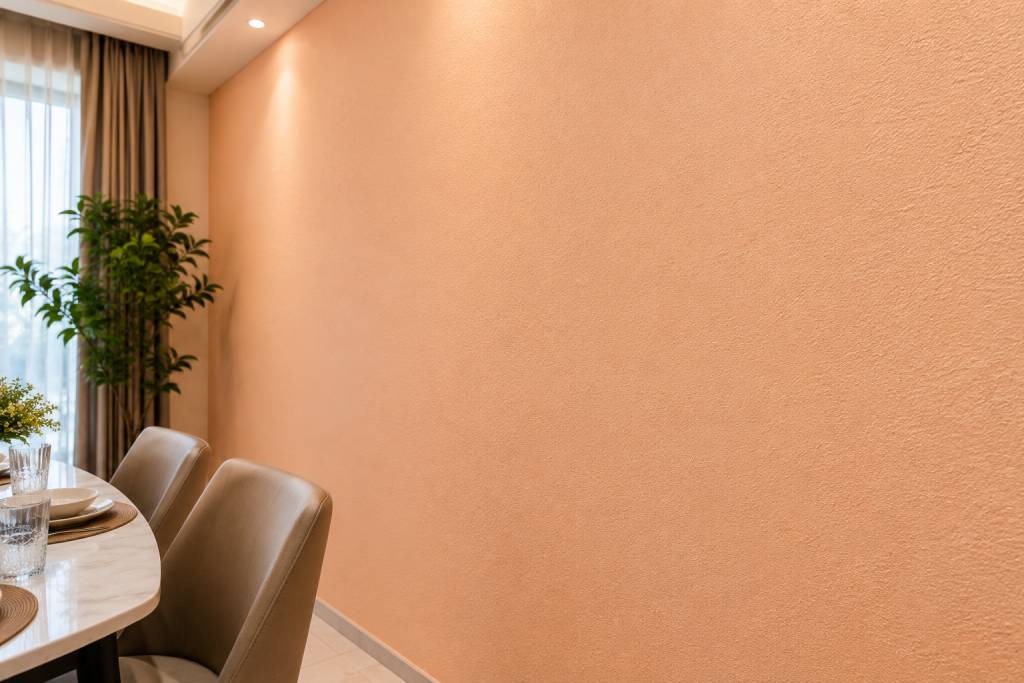
Venetian Plaster Texture: High-End Polished Walls
Venetian plaster is one of the most sophisticated finishes for luxury interiors. Its polished, smooth surface reflects light and can mimic natural stone or marble.
Among luxury wall texture design ideas for modern interiors, Venetian plaster remains a strong choice because it brings depth, shine and craftsmanship. It works beautifully in living rooms, dining rooms, foyers, master bedrooms and powder rooms.
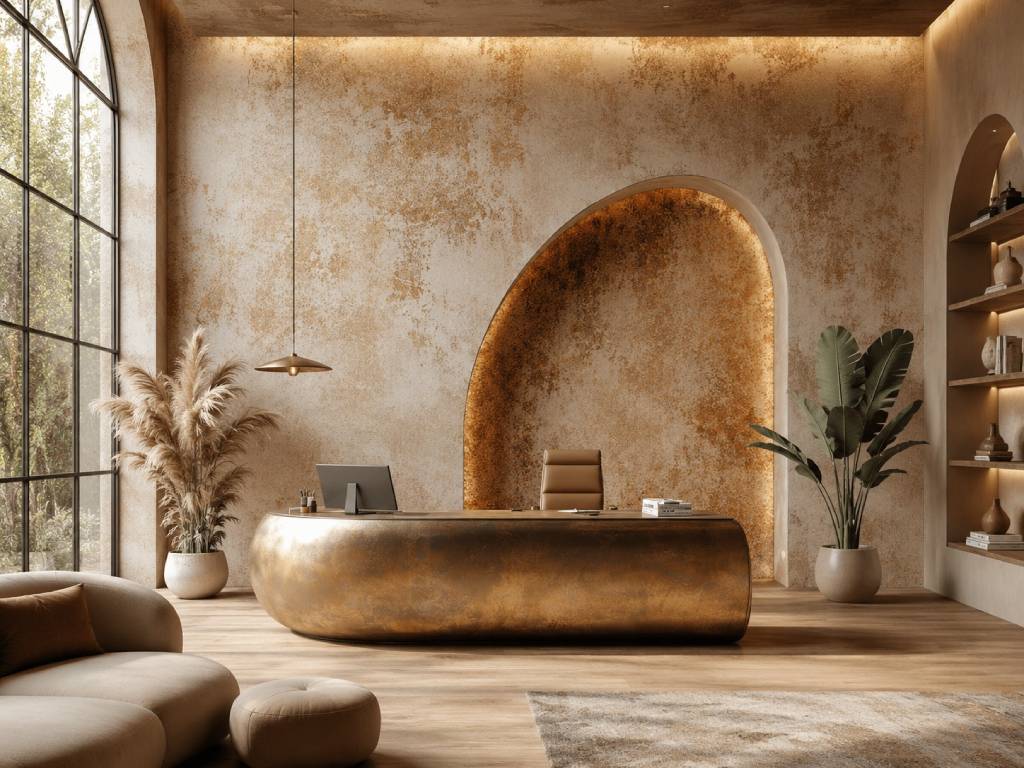
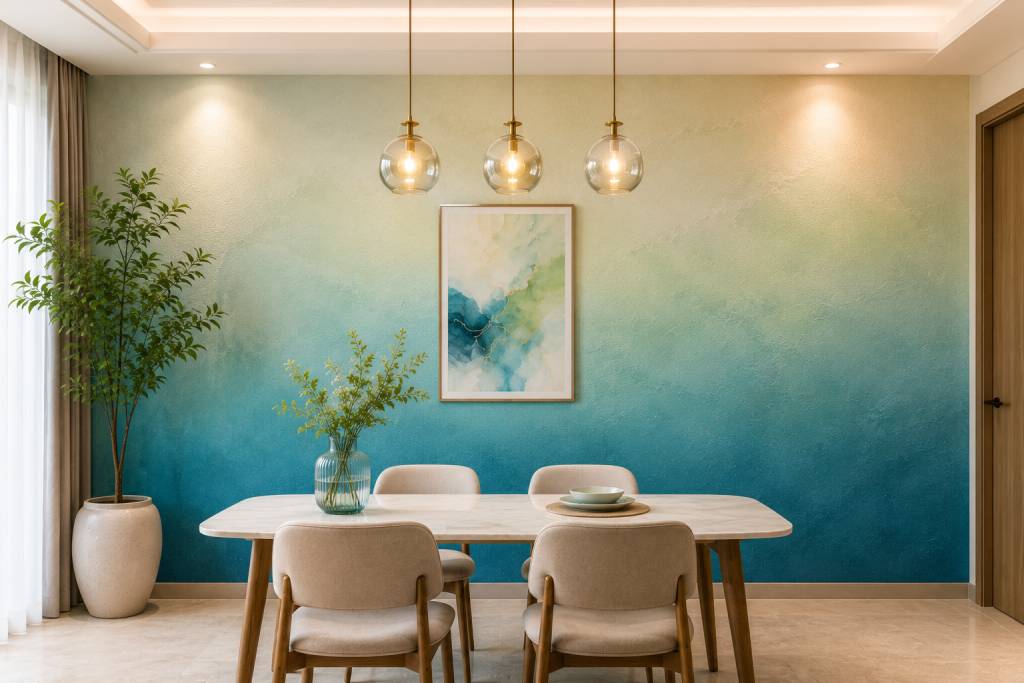
Ombre Texture Wall: Gradient and Artistic Appeal
Ombre texture creates a smooth artistic appearance by using a gradual shift between colours. It can add movement to a wall while still feeling graceful.
This finish suits bedrooms, creative work areas and feature walls. Soft gradients bring calmness, while deeper transitions add energy.
Textured Accent Wall: Focused Design Highlight
A textured accent wall is one of the easiest ways to introduce character without overwhelming the room. Instead of texturing every wall, one surface becomes the visual anchor.
This approach works well in living rooms, bedrooms, dining areas, foyers and home offices. The best wall is usually behind a sofa, bed, console or TV unit.
How to Choose the Right Wall Texture Design for Your Home
Choosing the right wall texture design becomes easier when you look at the room, lighting, lifestyle and maintenance needs together.
Consider the Room
Different rooms need different levels of texture. Living rooms and dining areas can handle stronger finishes. Bedrooms benefit from softer textures. Study rooms, children’s rooms and passages need finishes that are easy to maintain.
Evaluate Natural Light
Natural light changes how texture appears through the day. A well-lit room can handle deeper grooves, darker tones or polished finishes. Smaller or darker rooms usually work better with lighter textures and subtle movement.
Match Your Interior Style
The texture should feel connected to the rest of the home. Contemporary interiors work well with concrete, geometric patterns and Venetian plaster. Warmer homes often suit stucco, wood and marble-inspired finishes. Also consider flooring, wardrobes, curtains, lighting and existing furniture.
Texture selection should align with the overall colour scheme of the home, similar to how hall wall colour combinations influence the visual flow between spaces.
Set a Budget
Wall textures vary depending on material, finish and application technique. Orange peel, knockdown and sand treatments are usually easier to achieve, while Venetian plaster, marble effects and hand-crafted textures need more specialist execution. Use the most luxurious finishes on main walls and simpler finishes in supporting areas.
Focus on Maintenance
Consider maintenance before approving any wall texture design. Homes with children, pets or busy areas may require surfaces that are easy to clean. Dust, repairability, moisture and bright sunlight should also be considered.
Final Thoughts
The best wall texture design adds more than surface detail. It changes how light moves across a room, how furniture is framed and how complete the space feels.
From marble textures and Venetian plaster to wood-inspired finishes, concrete effects and soft sand textures, today’s wall texture design ideas offer many ways to make interiors feel more layered.
As the latest wall texture design trends 2026 India continue to evolve, textured walls are becoming an important part of modern homes. When chosen thoughtfully, a modern wall texture design becomes part of the home’s overall design language.
Exploring different textures firsthand at the Design First Experience Centre offers an iconic experience that helps homeowners make confident design decisions.
FAQ
You can texture your wall using finishes such as stucco, Venetian plaster, concrete effects, textured paints, spatula finishes or patterned applications. Select the texture as per the room, lighting and maintenance needs.
The cost of wall texture design in India differs based on material, finish quality, labour and application complexity. Simple textures are generally more accessible, while Venetian plaster, marble effects and hand-crafted finishes sit at the higher end.
Wall texture offers more visual depth than plain paint. Paint adds colour, while texture adds dimension, surface detail and a more designed finish to the room.
The four common types of wall texture are smooth textures, rough textures, patterned textures and decorative artistic textures. Each type creates a different visual effect and should be selected based on the room’s purpose.
Wall texture design is a decorative wall treatment that adds depth, dimension and surface interest to interiors. Unlike plain paint, it gives the wall a layered finish that can become part of the room’s design.
The best texture for walls depends on the room and overall aesthetic. Venetian plaster, marble texture and geometric finishes suit luxury interiors, while sand, knockdown and orange peel textures work well for practical everyday rooms.
Marble texture, Venetian plaster, geometric texture and textured accent walls are strong choices for living rooms. They create a focal point and add depth to the space where guests gather.