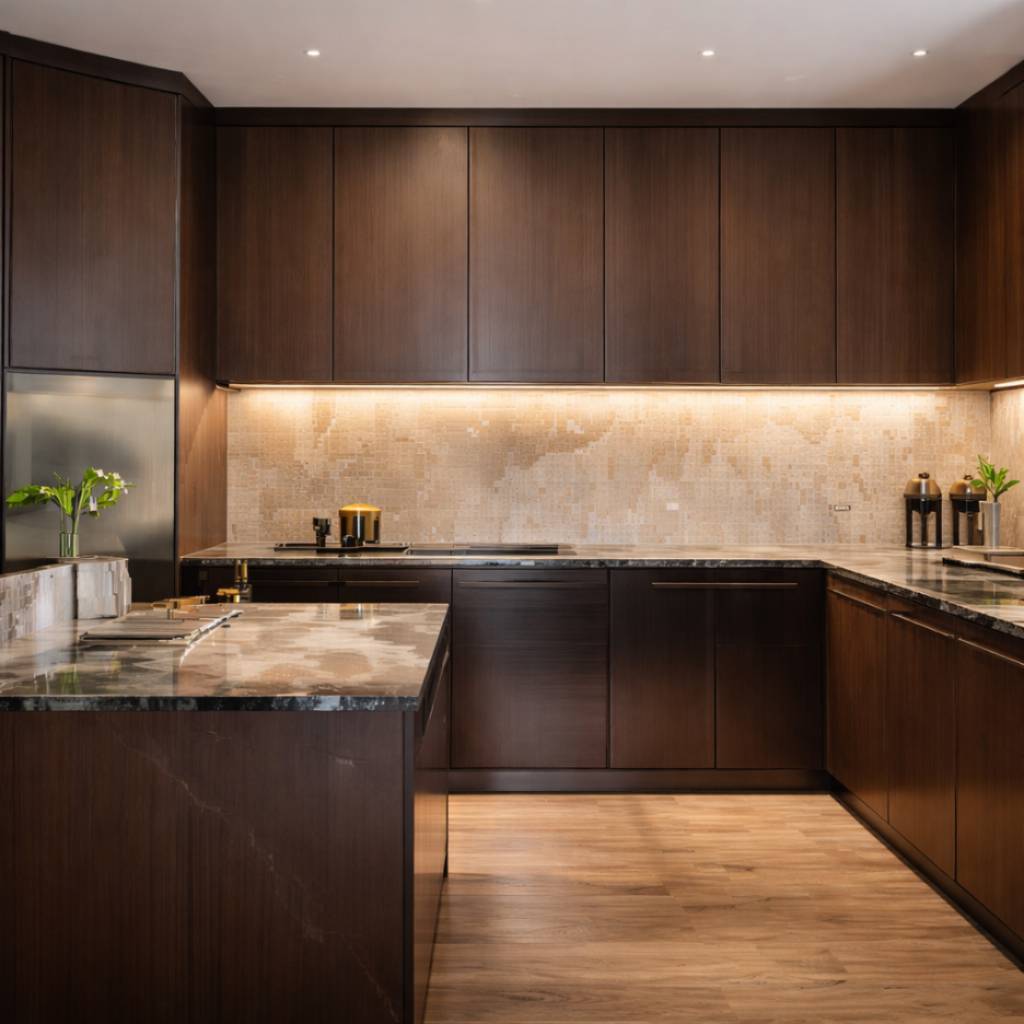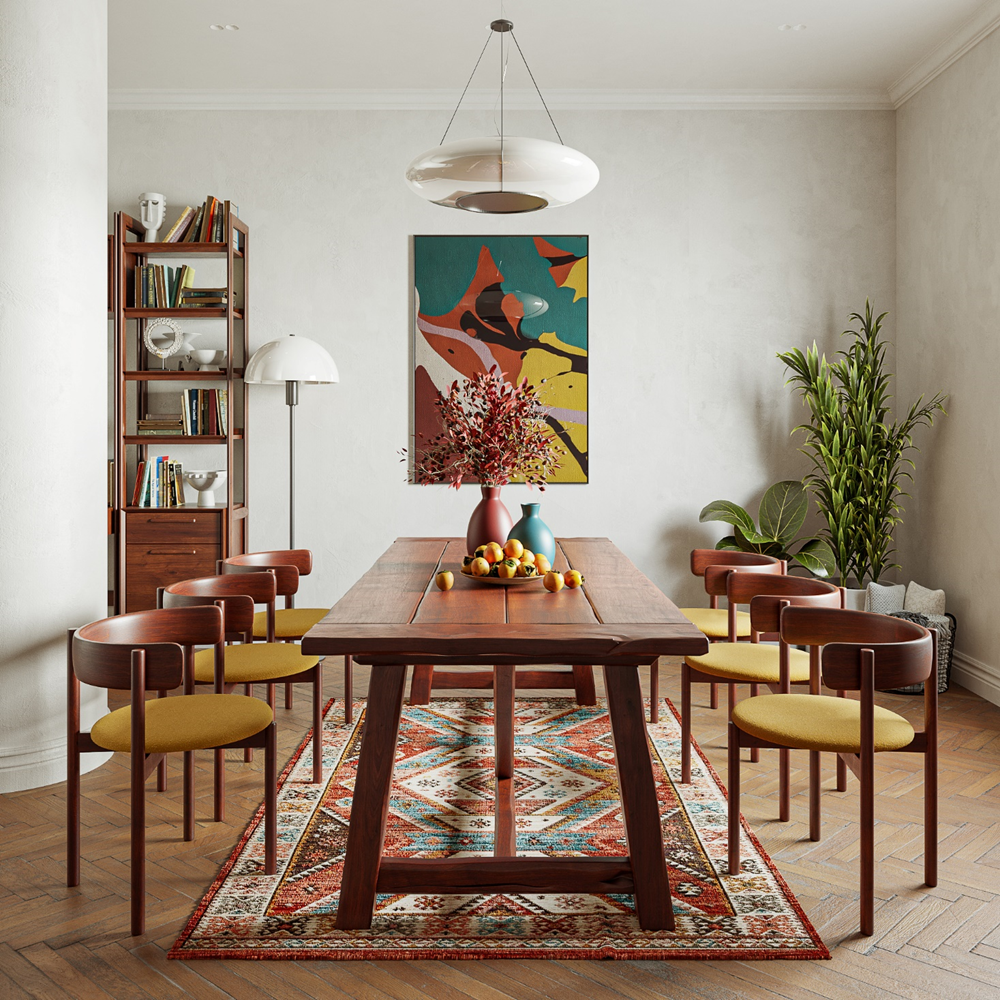
- Why Most Homes Feel “Off” Even After Buying Good Decor
- 12 Home Decor Selection Tips That Create a Cohesive Home
- 1. Start With One Anchor Piece, Not Everything at Once
- 2. Build a Color Story, Not Random Choices
- 3. Limit Materials to Create Visual Balance
- 4. Think in Layers, Not Single Pieces
- 5. Balance Function With Aesthetics
- 6. Use Lighting as a Design Element
- 7. Avoid Overfilling Every Surface
- 8. Repeat Elements to Create Harmony
- 9. Mix Styles Carefully, Don’t Clash Them
- 10. Prioritise High-Impact Areas First
- 11. Add Personal Elements for Identity
- 12. Step Back and Edit Before Finalising
- Common Home Decor Selection Mistakes to Avoid
- How to Choose Decor Based on Lifestyle
- Timeless vs Trendy Decor: What Should You Choose?
- FAQ
You’ve probably seen a lot of beautiful spaces. Walked through showrooms, had conversations with designers, maybe even shortlisted a few things.
And yet, when it comes to your own home, something still feels a bit unresolved.
It’s not that the options aren’t good. In fact, they’re all good.
That’s what makes it harder.
With so many choices, opinions and ideas in the mix, it’s easy for things to feel scattered. Like everything works on its own. But when it comes together, not quite.
Most home decor selection tips tell you what to pick. But not how to think about it.
This isn’t another one of those lists. It’s a clear, straightforward way to approach your home. So decisions feel easier, the process feels calmer and everything comes together exactly the way it should.
Cohesively. And like it’s unmistakably yours.
Why Most Homes Feel “Off” Even After Buying Good Decor
You’ve invested in a beautiful sofa, stunning lights and some of the best decor pieces out there. On their own, everything looks great. But when you step back, the space still feels… a little off.
It’s a strange feeling. You can’t quite pin-point what’s wrong. But you know it’s not coming together the way you imagined.
This usually comes down to a few things.
Scale mismatch (the furniture is too big or too small for the space).
Colour inconsistency (nothing really visually connects).
Material overload (there’s too many finishes, all competing for attention).
Individually, these don’t seem like big issues. But together, they create a space that feels disconnected. Despite all the time, effort and money you have put in.
And that can be frustrating. Because you’ve done everything “right”… and it still doesn’t feel it.
At Design First, we start by helping you figure out your style. Through our Design First Style Test. Because once you know what you’re drawn to, choosing the right pieces becomes much more intuitive.
Hiring a residential interior designer early ensures that all decisions connect, resulting in a cohesive space rather than one that appears pieced together over time.
12 Home Decor Selection Tips That Create a Cohesive Home
These aren’t just home styling tips. They’re simple ways to make better decisions. One leads to the next. So you’re not second-guessing everything along the way.
1. Start With One Anchor Piece, Not Everything at Once
Don’t try to put the whole room together in one go. It almost never works.
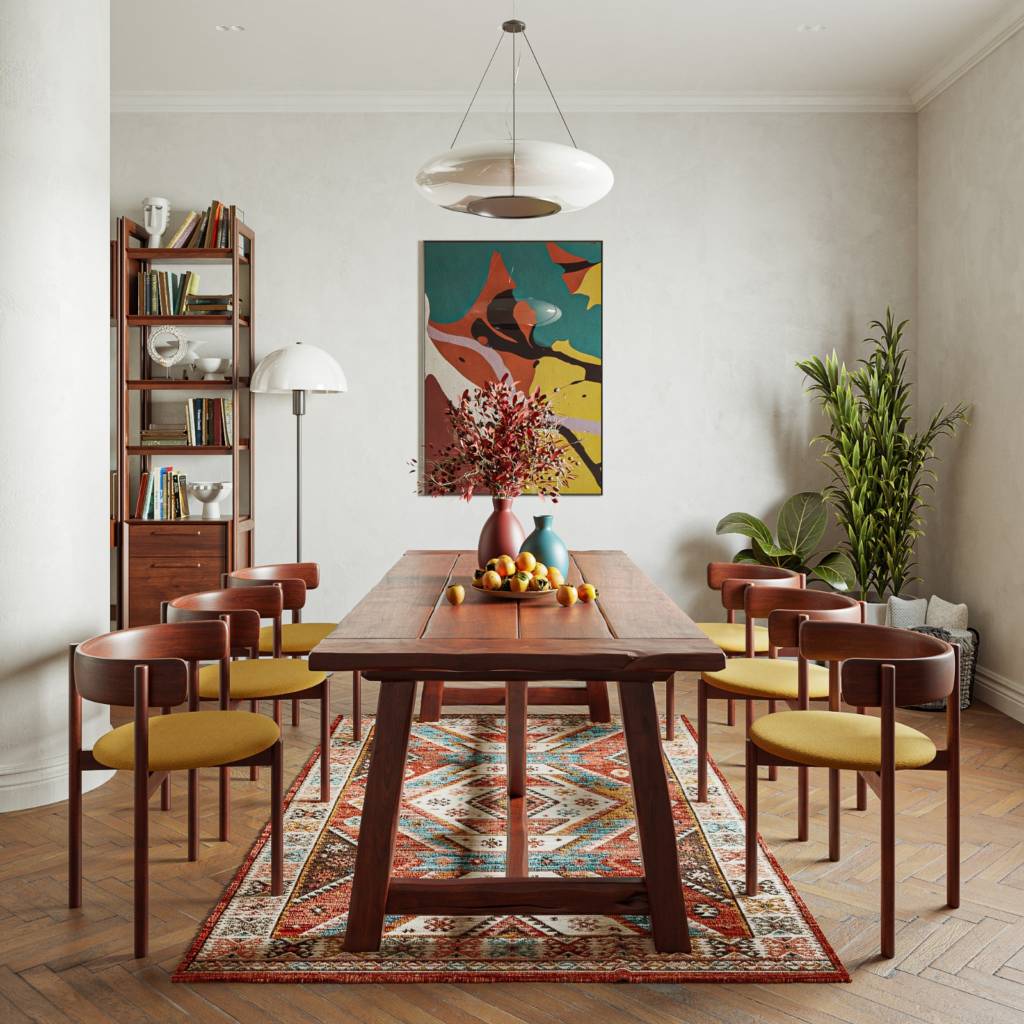
Start with one piece you really love. A sofa, a striking piece of artwork, even a rug. Something that feels like it could hold the room on its own. That one choice quietly sets the tone for everything else.
Say you pick a bold blue sofa. Suddenly, a lot of decisions get easier. You know the walls don’t need to compete. The cushions start to make sense. Even the finishes, whether you lean towards wood or a touch of metal begin to fall into place.
That one piece becomes your anchor. It gives you direction, cuts through the overwhelm. And helps the space come together in a way that feels natural, instead of forced.
Tailoring the proportions, finishes, and detailing of a custom made luxury furniture piece ensures that this anchor item not only feels intentional but also perfectly complements your home.
2. Build a Color Story, Not Random Choices
Think of your home like it has a mood before it has colours.
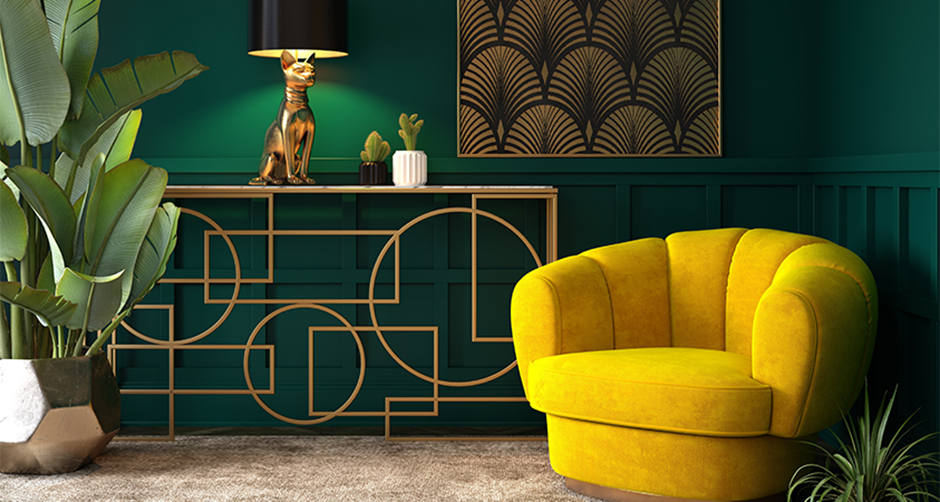
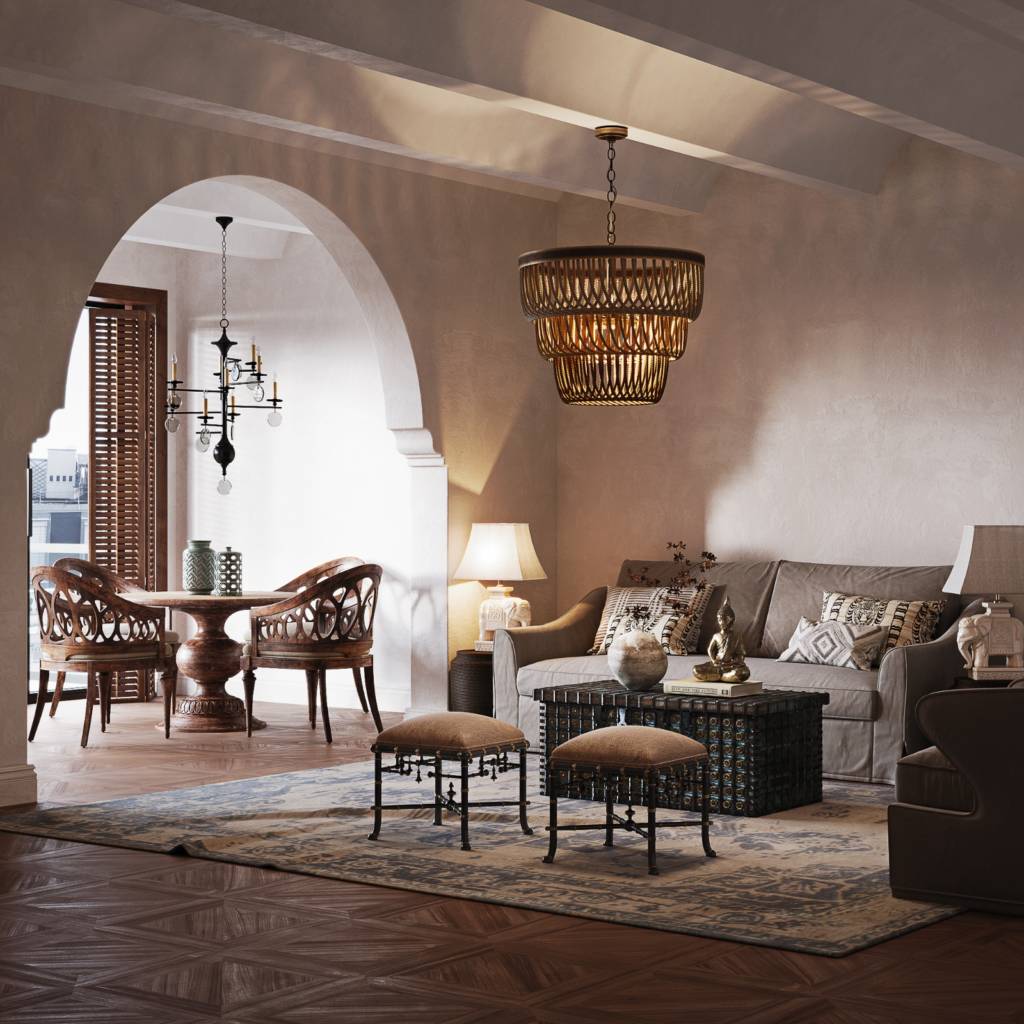
Start with something calm and easy to live with. The walls, the big pieces. That’s your base. Then bring in a second colour that adds a bit of contrast, something that breaks the sameness just enough. And finally, the small touches. The cushions, decor, little details that add personality without taking over.
In an Indian home, this could be as simple as soft beige walls, warm wooden furniture. And a few rust-toned cushions that quietly tie it all together. Or a clean white base, with hints of indigo and touches of brass that catch the light just right.
When you think of it like this, it stops feeling random. Things start to connect. And the space feels calmer, more put together. Without you having to overthink every choice.
Starting with the living room, selecting the correct hall wall colour combinations is key to establishing a cohesive and tranquil palette that can then be extended throughout the rest of your home.
3. Limit Materials to Create Visual Balance
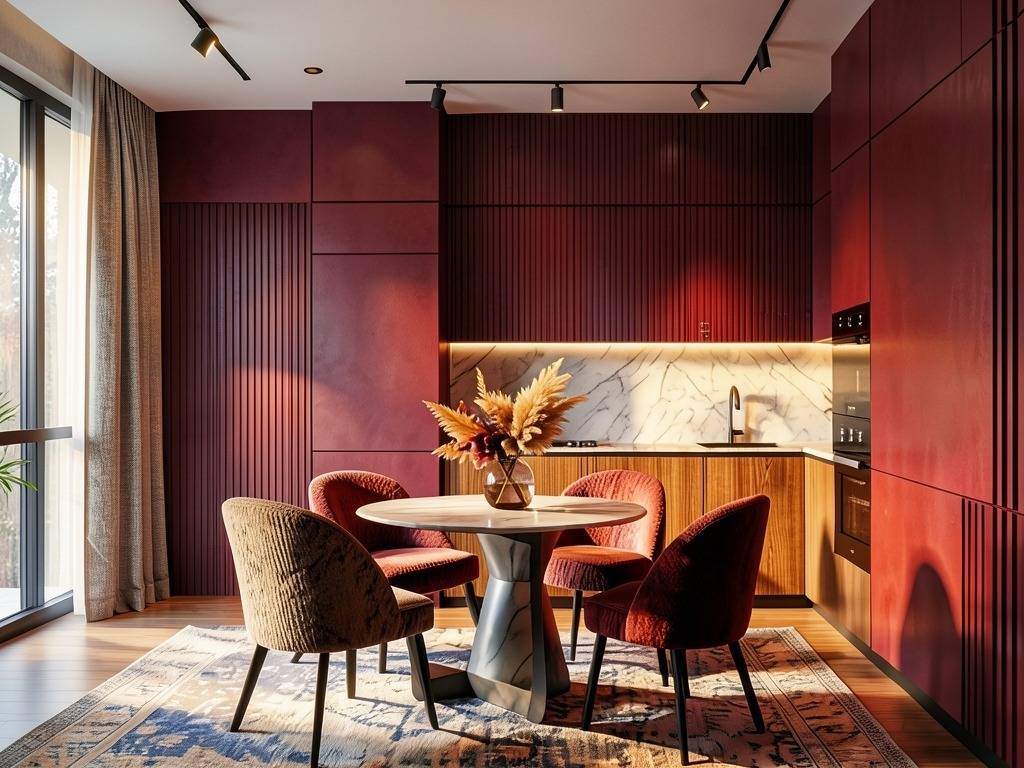
It’s easy to get carried away with materials. Everything looks good on its own. This marble, that metal finish, a different kind of wood, maybe some glass. But when too many of them come together in one space, it starts to feel a bit… noisy.
Nothing stands out. Your eye doesn’t know where to rest.
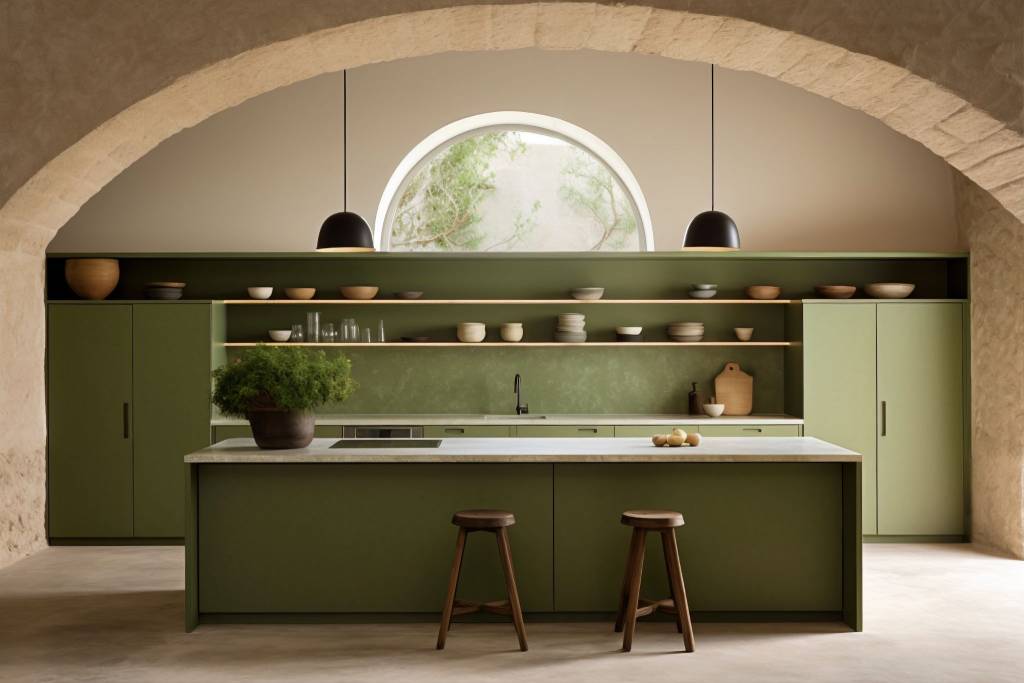
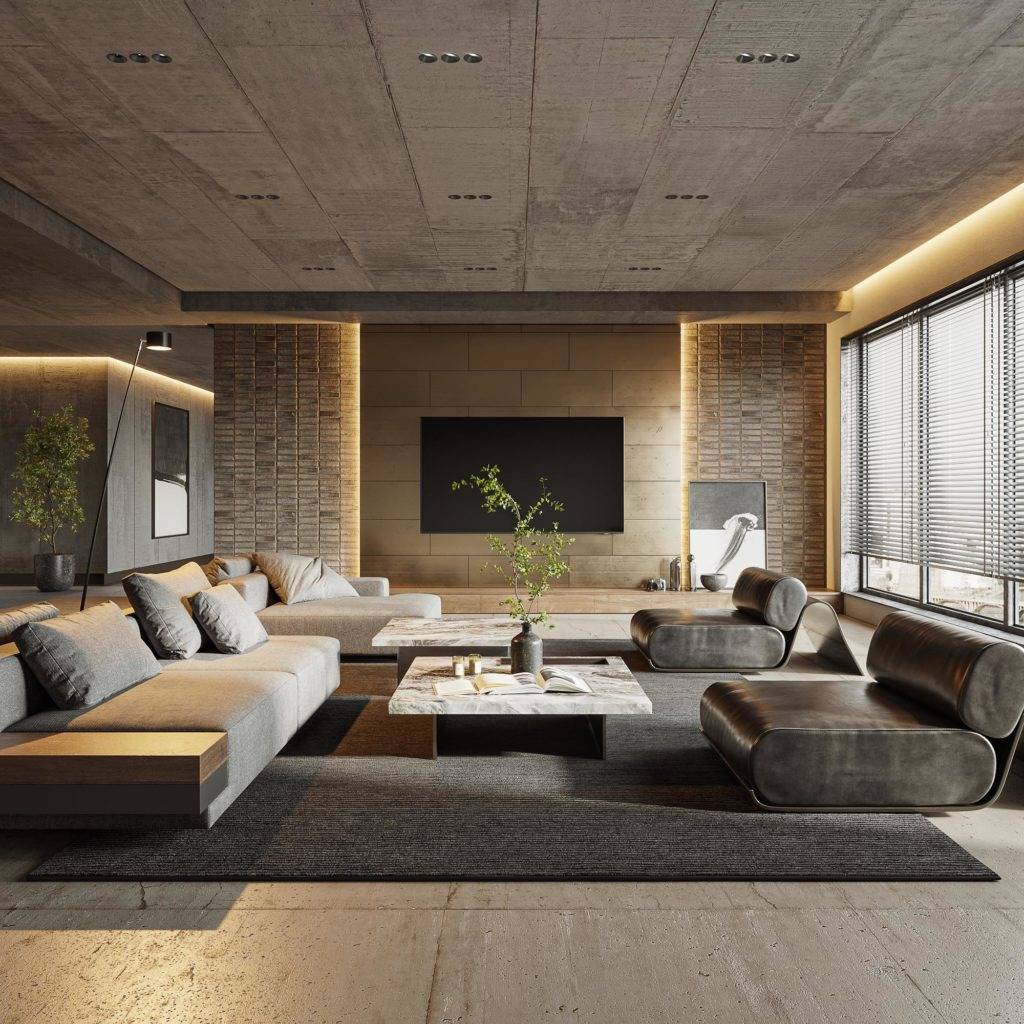
A simpler way to think about it is to just pick 2-3 core materials and stay with them. Maybe it’s wood, a touch of metal and some fabric. Or marble with glass and wood. That’s enough.
When you keep it limited, something shifts. The space feels calmer, more put together. The materials start to complement each other instead of competing.
And without trying too hard, the whole room just feels more elevated.
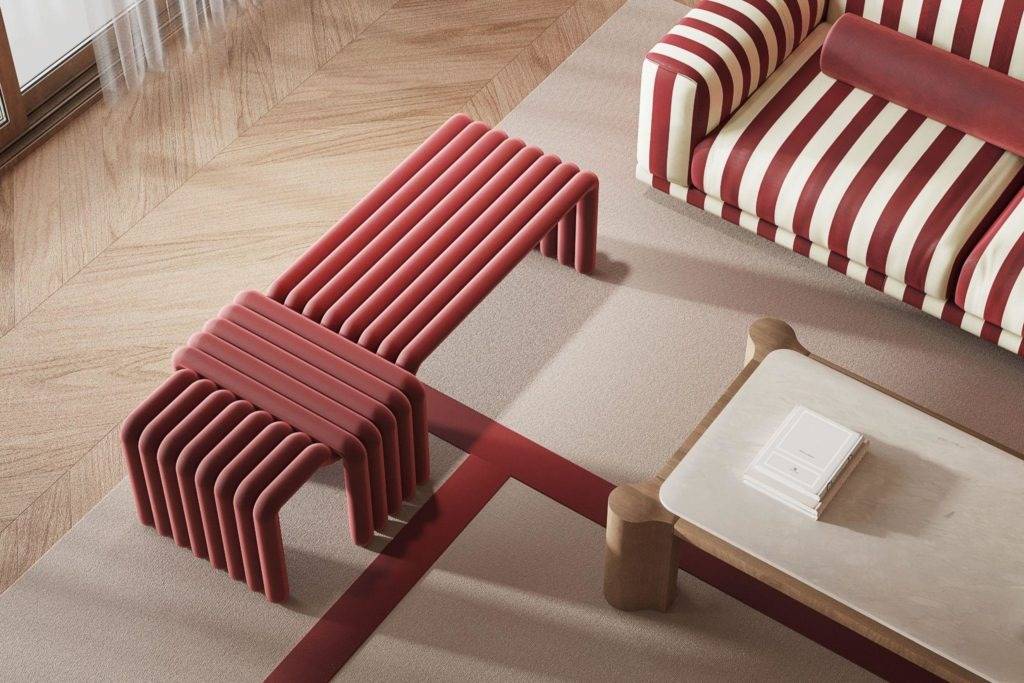
4. Think in Layers, Not Single Pieces
A room doesn’t come together all at once. It builds up, slowly.
You start with what’s under your feet. The rug or the flooring. That sets the base. Then come the larger pieces. Like your furniture, which give the room its shape and structure. And finally, the smaller things. Lighting, cushions, objects, these are what bring it to life.
When any of these are missing, the room can feel a bit flat. Like something’s not quite there.
But when they come together, in layers, the space starts to feel fuller. More considered. Like it’s been put together with intention, not just filled up.
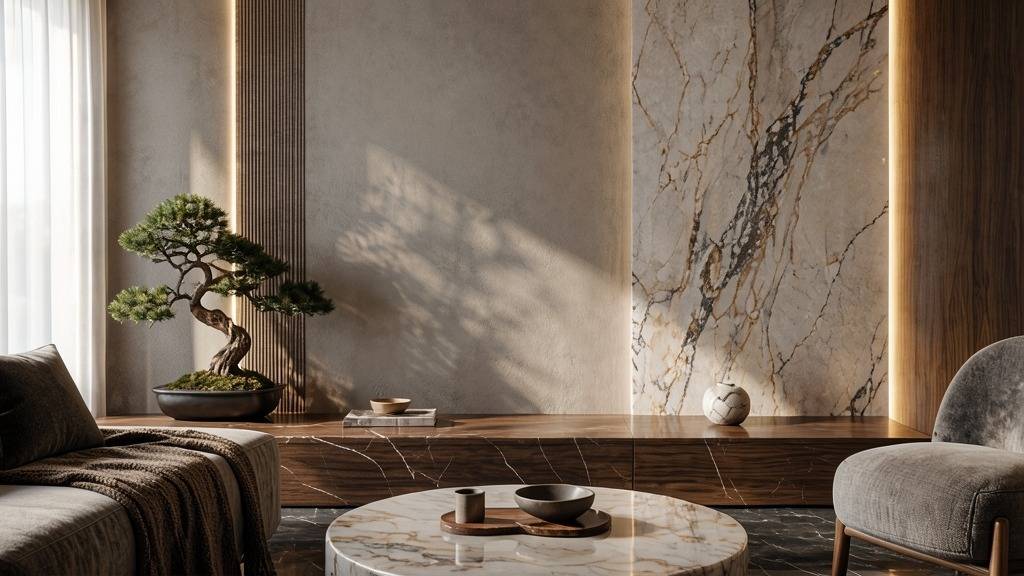
5. Balance Function With Aesthetics
It’s easy to get caught up in how things look. But a home isn’t meant to be admired from a distance. Most importantly, it’s meant to be lived in.
A chair can be beautiful but if you never want to sit in it, something’s off. A room can look full and styled. But if you’re constantly navigating around things, it starts to feel tiring.
That’s usually the sign that the space is working against you, instead of with you.
A simple way to check yourself is to pause and ask: Does this actually make my life better?
If it does, it belongs. If it doesn’t, no matter how good it looks, it might not be right for your home.
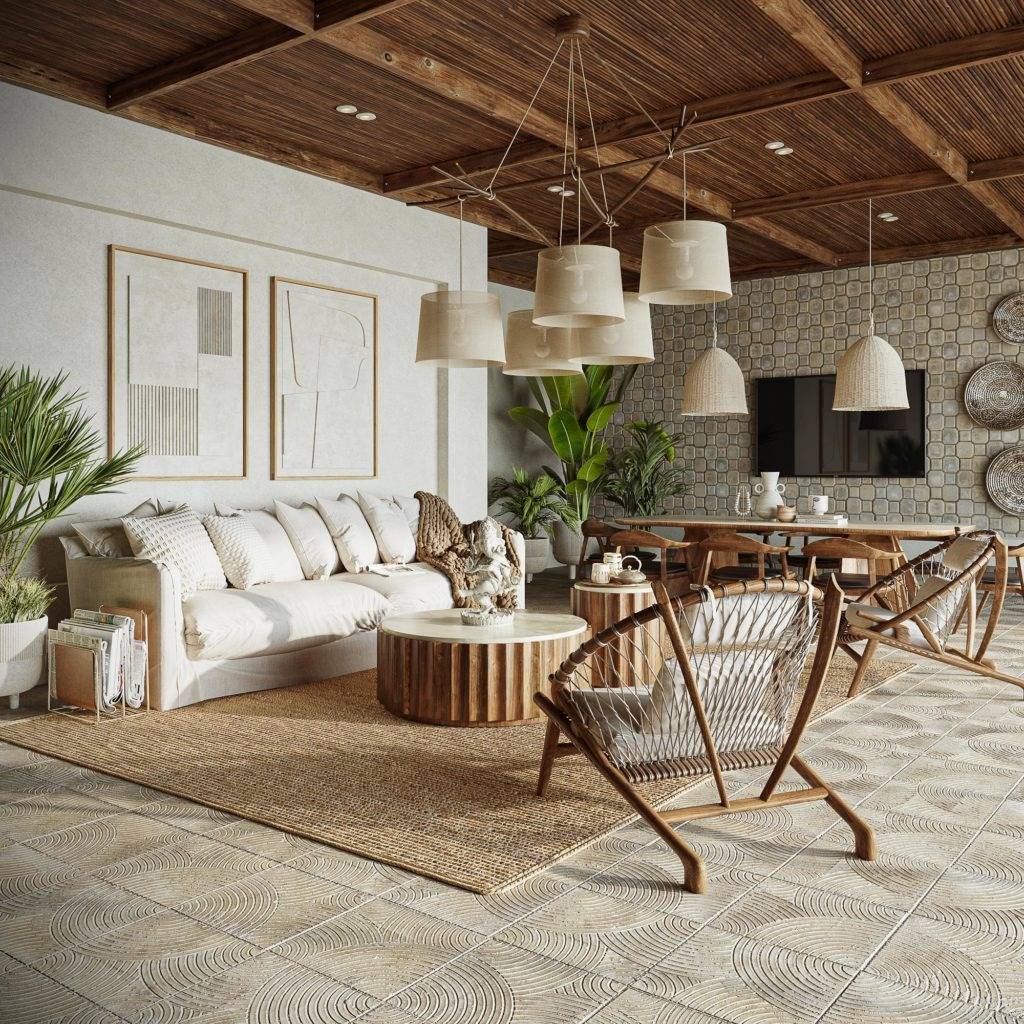
6. Use Lighting as a Design Element
Lighting does a lot more than just help you see. It quietly changes how a space feels.
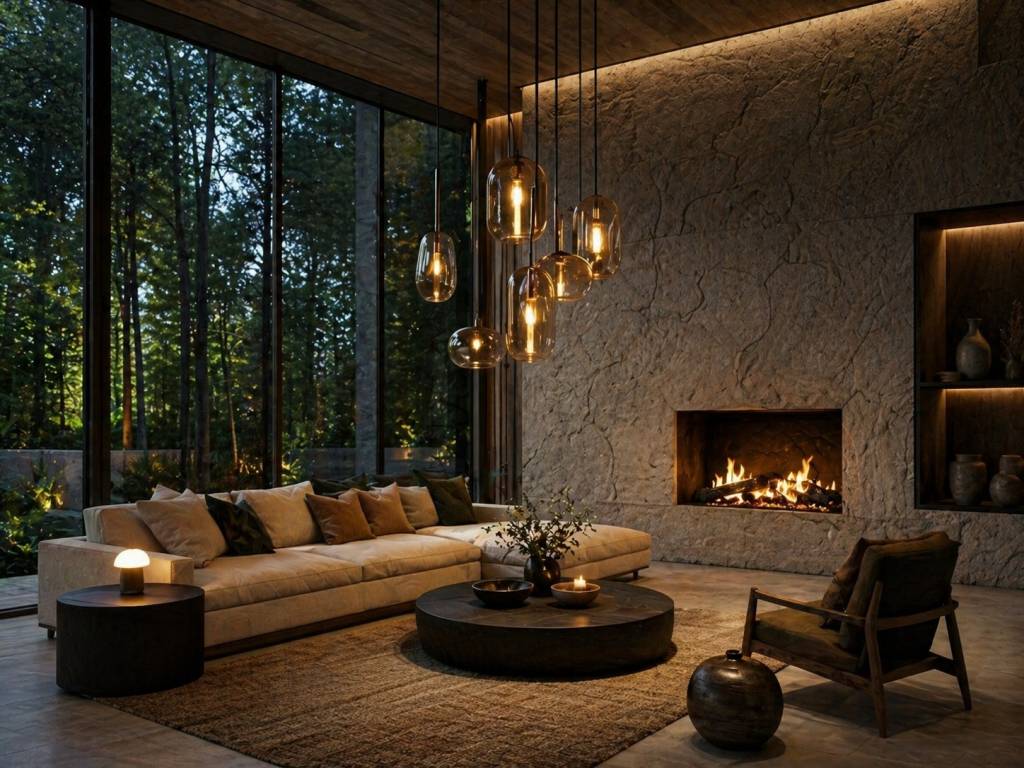
If everything is lit the same way. One bright ceiling light, the room can feel a bit flat. But when you add different kinds of light, it starts to feel warmer, softer, more lived in.
A good way to think about it is in layers. You have your main lights that brighten up the whole room. Then smaller, more focused ones for things like reading or working. And finally, subtle lights that highlight a wall, a corner, or a piece you love.
When these come together, the space just feels better. Calmer. More inviting.
For example, warm lighting in a living room instantly makes it feel inviting and luxurious.
A well-planned pop design for hall spaces can also enhance lighting, add depth to the ceiling and make the room feel more layered without overwhelming it.
7. Avoid Overfilling Every Surface
There’s always that urge to fill every corner. A shelf, a console, an empty wall. It feels like something should go there.
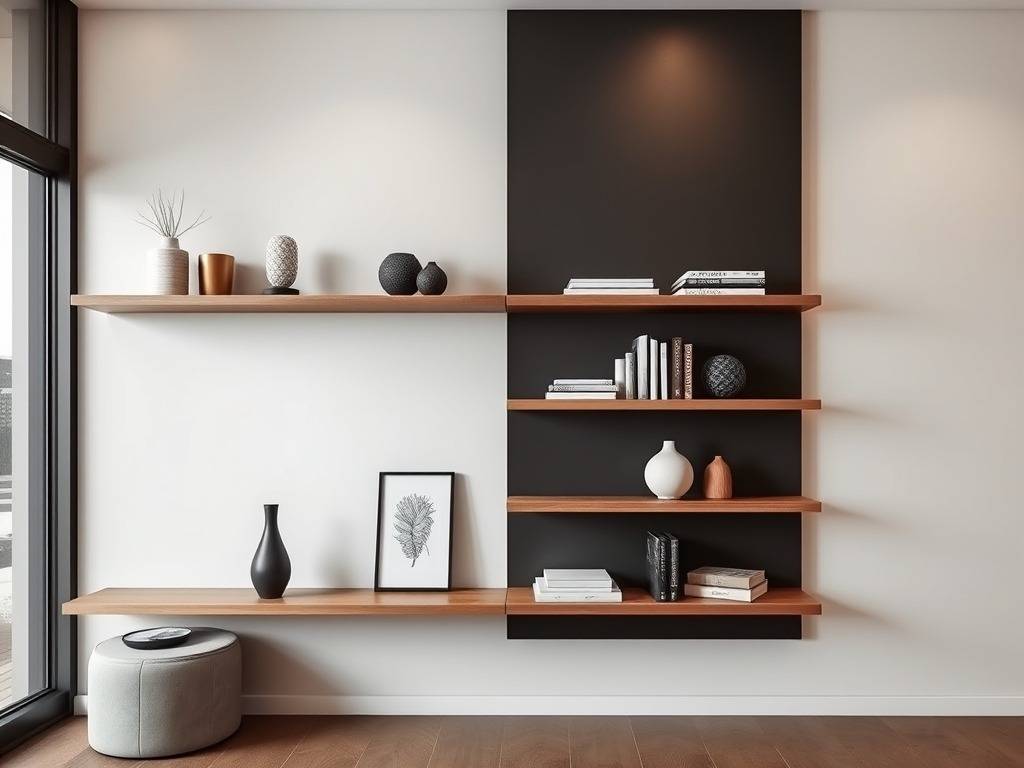
But when everything is filled, nothing really stands out. A shelf packed with objects can start to feel busy, even a little stressful. Your eye doesn’t know where to land.
Now compare that to a shelf with just a few well-chosen pieces. Spaced out just enough to breathe. It feels calmer. More considered. Like each thing is there for a reason. There’s purpose.
Sometimes, what you leave out matters just as much as what you put in.
This is where minimalist interior styling works especially well, because it focuses on restraint, visual breathing room and pieces that feel purposeful rather than excessive.
8. Repeat Elements to Create Harmony
When something repeats, even in a small way, the room starts to feel more connected.
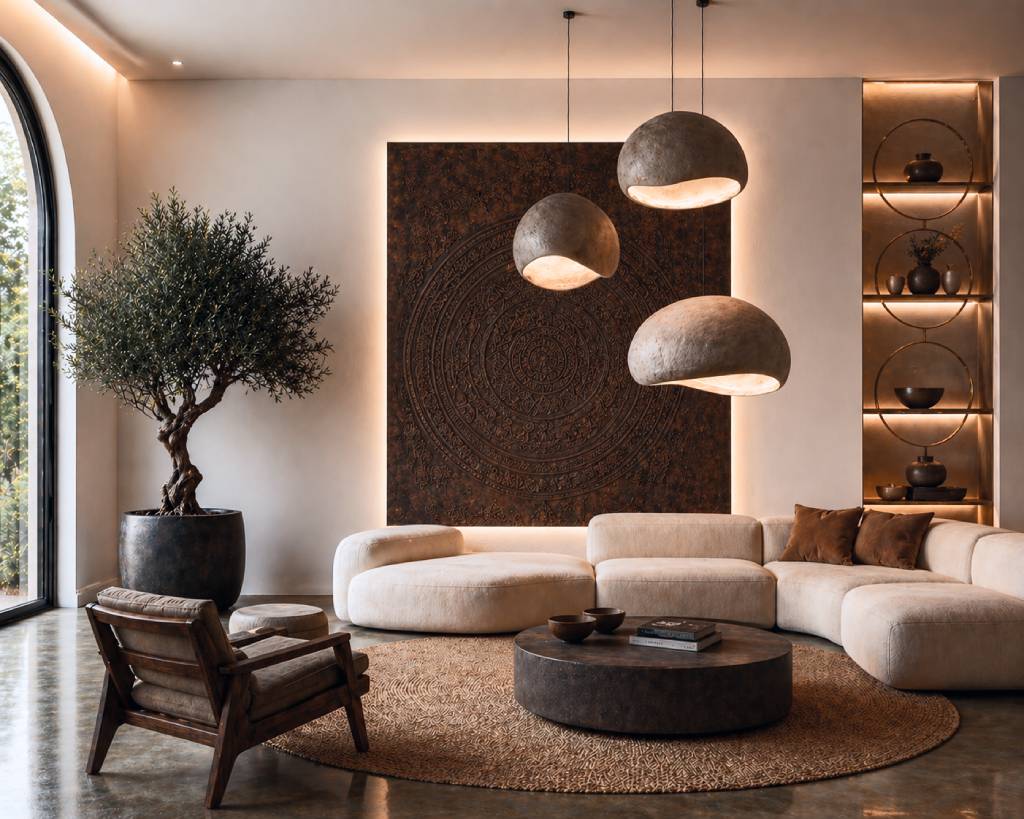
It doesn’t have to be obvious. Maybe a colour you see in a cushion shows up again in a piece of art. Or the same wood tone runs quietly through different pieces of furniture. Even a shape. Or a soft curve in a mirror that echoes in a lamp or a vase can do it.
You might not notice it immediately. But you will feel it. The space feels more settled, like everything belongs together.
It’s a small thing. But it makes a big difference.
9. Mix Styles Carefully, Don’t Clash Them
Mixing styles can look really good. But only when there’s control.
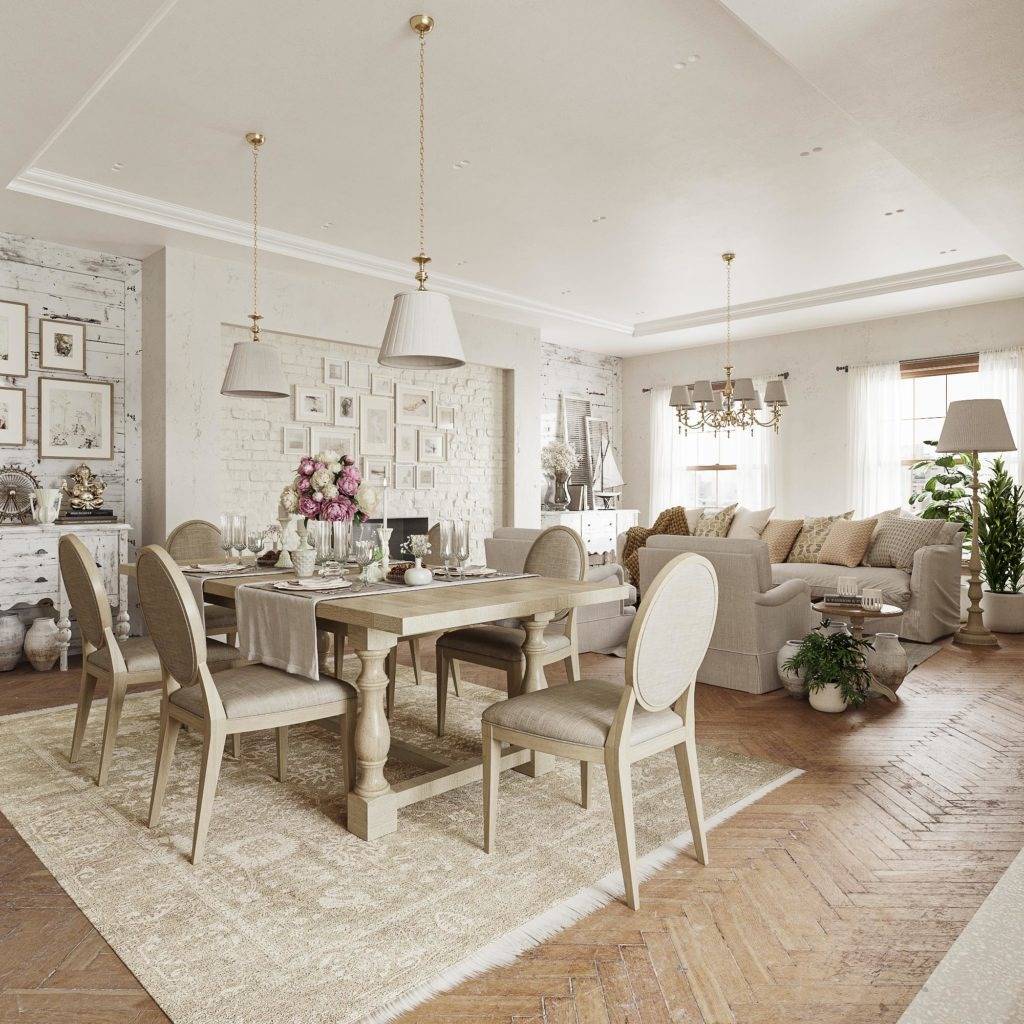
A modern sofa with a traditional wooden table can feel balanced. Even interesting. Like the space has a bit of personality.
But when too many styles start showing up together, things get messy. Industrial, bohemian, traditional. All in one room. It stops feeling intentional and starts feeling confused.
A simpler way to handle it is to pick one main style. Let that lead the space.
Then bring in a few different elements around it. Just enough to add contrast, not chaos.
That’s when a room feels layered, not random.
10. Prioritise High-Impact Areas First
You don’t have to do everything at once.
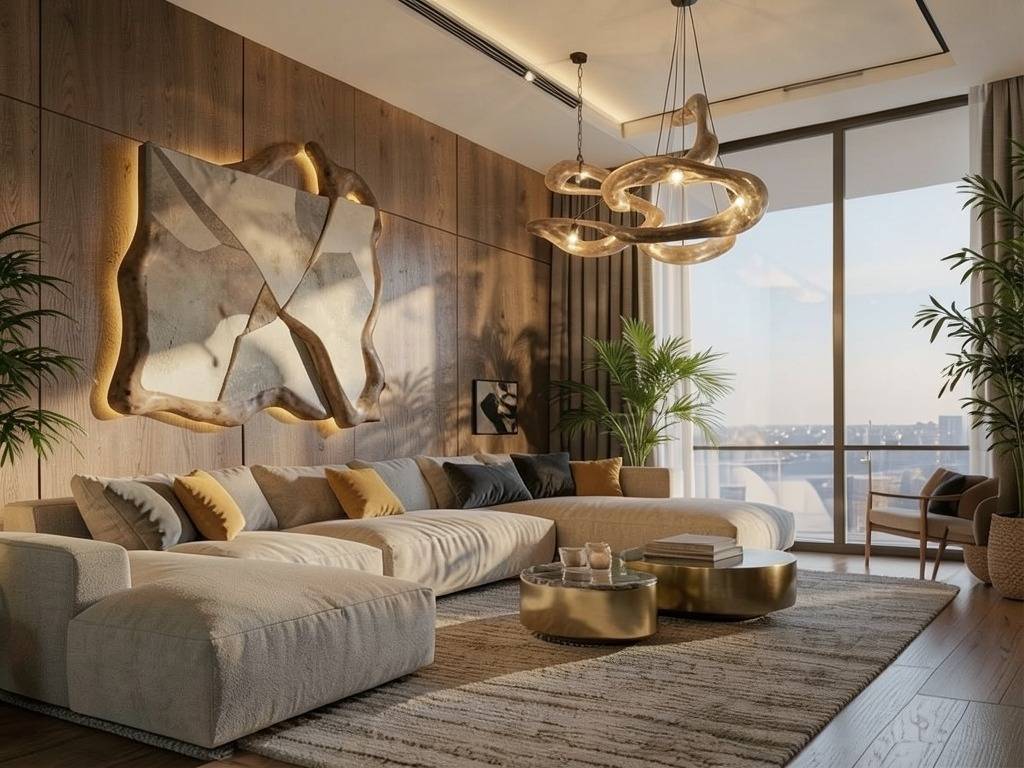
Start with the spaces people notice first. The living room where you host everyone. The entryway that sets the tone the moment you walk in. The dining area where people gather.
When these spaces feel right, the whole home starts to feel right.
Even if everything else isn’t fully done yet, it still makes an impact. And it feels considered, not incomplete.
Turnkey interior solutions offer homeowners a more streamlined process by integrating design, material sourcing, execution, and final styling, thus minimizing the need for constant communication and back-and-forth.
11. Add Personal Elements for Identity
This is where your home really starts to feel like you.
It’s not about buying more. It’s about bringing in things that already mean something to you. A piece you picked up while travelling. Photos that remind you of a moment. Something handmade. Something that’s been in the family for years.
These are the things that give a space character.
Without them, a home can look nice but impersonal. Or almost cold, in a sense. Like it could belong to anyone. Like it’s a hotel suite.
With them, it feels personal. Lived in. Homey.
And that’s all the difference.
12. Step Back and Edit Before Finalising
The part most people miss is knowing when to stop.
Once everything is in place, take a step back and really look at the room. You’ll start to notice it. A chair that doesn’t quite sit right. An extra piece that doesn’t need to be there. Something that felt like a good idea earlier but now just feels… unnecessary.
That’s where the real work is.
Not in adding more. But in taking things away. Shifting a few things around. Letting the space breathe a little.
Because a well-designed home isn’t about how much you put in. It’s also about what you choose to leave out.
Common Home Decor Selection Mistakes to Avoid
Most design mistakes don’t feel like mistakes when you’re making them.
You buy a few things together because they look good in the moment. You pick something because it’s trending. You don’t think too much about scale. Or how it will sit in the room. Or even, how it will actually feel to live with.
Individually, none of this seems like a big deal.
But over time, it adds up. The proportions feel off. The colours don’t quite connect. There are too many materials competing for attention. The lighting feels like an afterthought. And sometimes, the space looks good but just isn’t really very comfortable.
That’s when the regret sets in.
Not because of one big decision. But because of many small ones that didn’t quite align.
How to Choose Decor Based on Lifestyle
Your home should reflect how you live. Not what’s trending.
If you have a family, you start to value things that can handle everyday life. Fabrics that don’t make you nervous. Layouts that make moving around easy.
If you work from home, the space needs to support that rhythm. A proper desk, a comfortable chair, lighting that works through the day. These things matter more than how it looks at first glance.
And if you’re someone who frequently hosts, the space should feel open and relaxed. Seating that can shift around. Nothing too rigid or precious.
When your home is shaped around how you actually live, it just feels right.
Timeless vs Trendy Decor: What Should You Choose?
Most people think they have to pick a side. Timeless or trendy.
You don’t.
The homes that feel right are the ones that quietly balance both. They know where to stay steady and where to have a little fun.
Start with the things you won’t want to rethink every few years. Your Furniture (sofa, dining table). Your Flooring and wall colours. Your core materials like wood. These decisions stay with you. They shape how the home feels on a daily basis. When they’re calm and well-chosen, everything else becomes easier.
Now ask yourself. Do you really want to keep changing these? Probably not.
So keep them simple. Keep them lasting.
Then shift your attention to the smaller things. The ones you actually enjoy changing. Cushions and decor that you swap out without thinking too much. Artwork and lighting that can change the mood of a room. Little updates in accent colours that reflect how your taste evolves.
This is where you can play a bit.
A simple way to check yourself: is this something I’ll want to replace soon, or live with for years?
If it’s something that stays, keep it timeless. If it’s something that moves, let it be more expressive.
When all these details come together thoughtfully, the result feels less like decoration and more like an iconic experience built around how you live.
That’s the balance. And once you see it, you can’t unsee it.
FAQ
Yes, you can mix styles. That’s often what makes a space feel interesting. Just let one style lead. Give it most of the room. Then bring in other influences quietly. A piece here, a detail there. Enough to add character, not so much that it starts to feel confused.
When there’s a clear lead, everything else falls into place.
Start with one thing you really like. A sofa, a piece of art, something that feels like it could hold the room on its own. Then build around it slowly. Let the colours connect. Keep the materials in sync. Add layers as you go. You’re not trying to fill the space. You’re letting it come together.
Try not to use too many colours at once. A good place to start is three, maybe four. One that sets the base, something that adds a bit of contrast, and one or two smaller touches that bring it to life. Once you stay within that, things start to feel more connected.
Don’t try to figure everything at once. Start with one piece you really like. Let that guide the rest. Keep an eye on how the colours come together so things feel connected. And slow down. You don’t need to buy everything in one go. If it feels right, works for your life. And fits with what you already have, you’re on the right track.
Think of a room for a second. What are you really noticing?
The space around things. The lines that guide your eye. The shapes of the furniture. The way light falls. The colours, the textures, the patterns. Individually, they’re small details. Together, they’re everything. When they work well, you don’t think about it. And that’s the goal.
It’s a small trick, but once you notice it, you will see it everywhere. When you’re styling something, try grouping things in odd numbers. Three, maybe five. It just feels more natural to the eye. Place them so they don’t look too perfect or lined up. A little variation in height or spacing helps. You won’t always be able to explain why it works. It just does.