In this Article
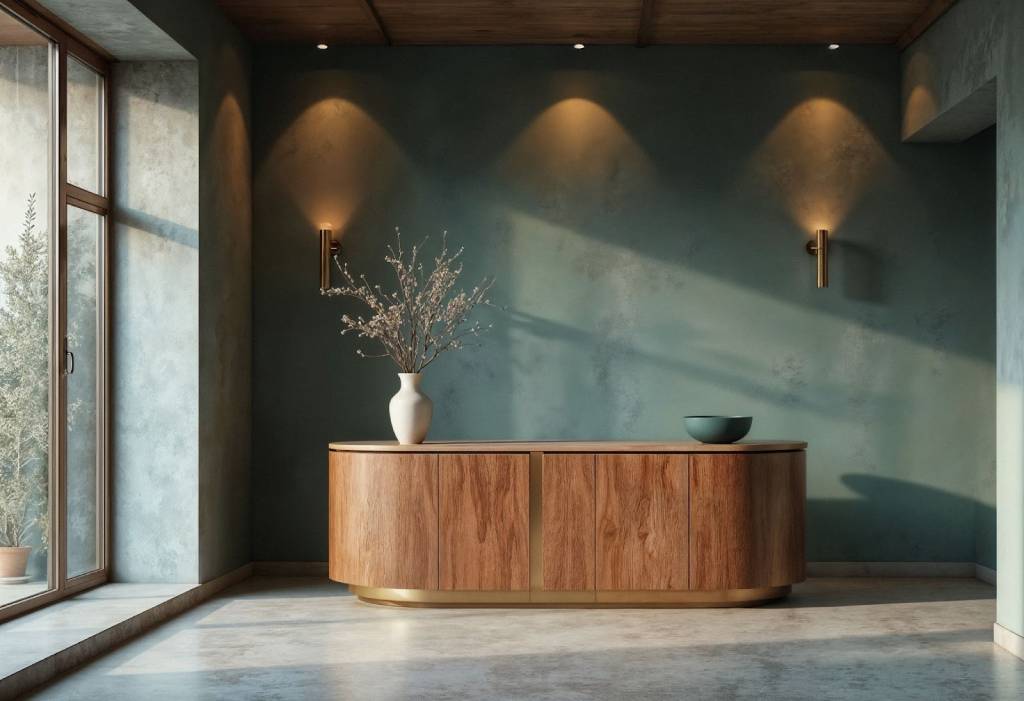
Your hall sets the emotional temperature of your home. It is where conversations begin, where guests form first impressions and everyday life unfolds. The colour on these walls does more than decorate. It influences proportion, brightness and how a space feels at different times of day.
Choosing a hall wall colour combination should feel intuitive. Instead, it often becomes a daunting task, leaving you confused.. Swatches look different under showroom lighting. Trends dominate search results. Advice varies depending on who you ask.
Clarity changes everything.
Studies in colour psychology consistently show that tone impacts perception of space and mood. Lighter hues can make a compact hall appear larger. Deeper tones can anchor expansive layouts. Nearly 40 percent of homeowners admit to repainting within a year because they are dissatisfied with their original choice. Most regrets come from choosing trends without understanding context.
This guide simplifies the decision. It organises the best colour combination options for the hall by aesthetic direction and spatial logic, helping you identify what aligns naturally with your home.
At Design First, colour does not begin with a shade card. It begins with you. The Design First Style Test reveals how you instinctively respond to warmth, contrast and depth. That insight shapes a hall room colour combination that feels intentional rather than experimental.
In this Blog, we explore Colour Combinations that may help set the tone for your new luxury hall.
Modern Neutral Aesthetic Colour Ideas for Halls.
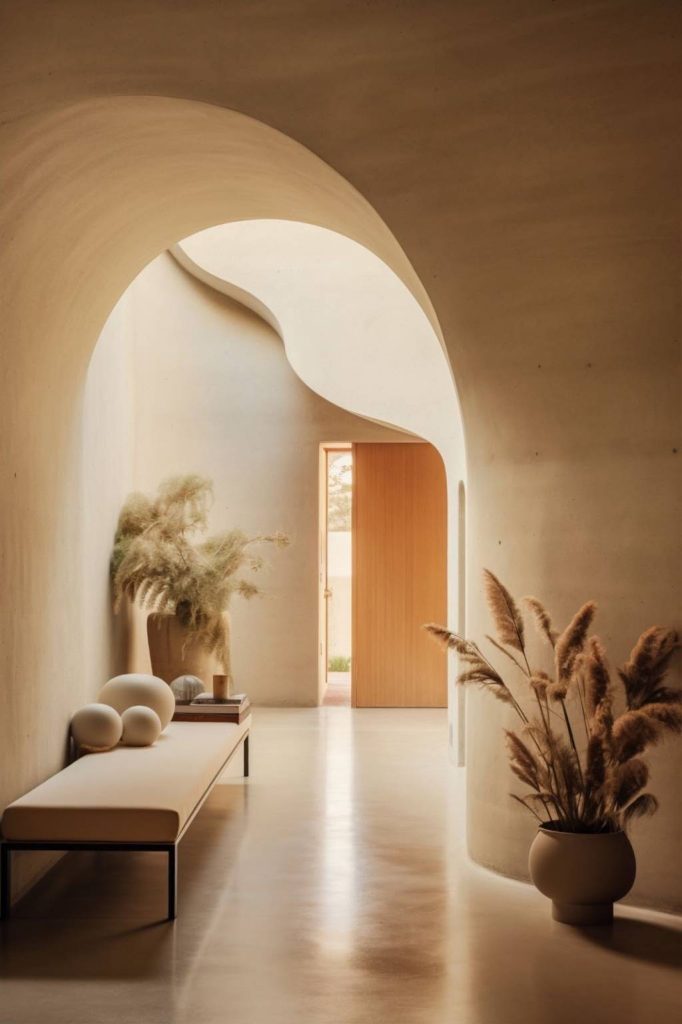
Neutral palettes continue to define some of the most enduring hall wall colour combinations in contemporary homes. Their endurance, versatility and dependability remains unparalleled. It’s a palette that allows proportion, material and lighting to take precedence without visual interference.
In urban Indian residences where daylight shifts throughout the day, neutrals offer stability. Morning light can appear cool, afternoon light sharp and evening light warmer. A well-selected neutral absorbs these transitions without distortion, maintaining balance across the space.
Warm Beige and Creamy White:
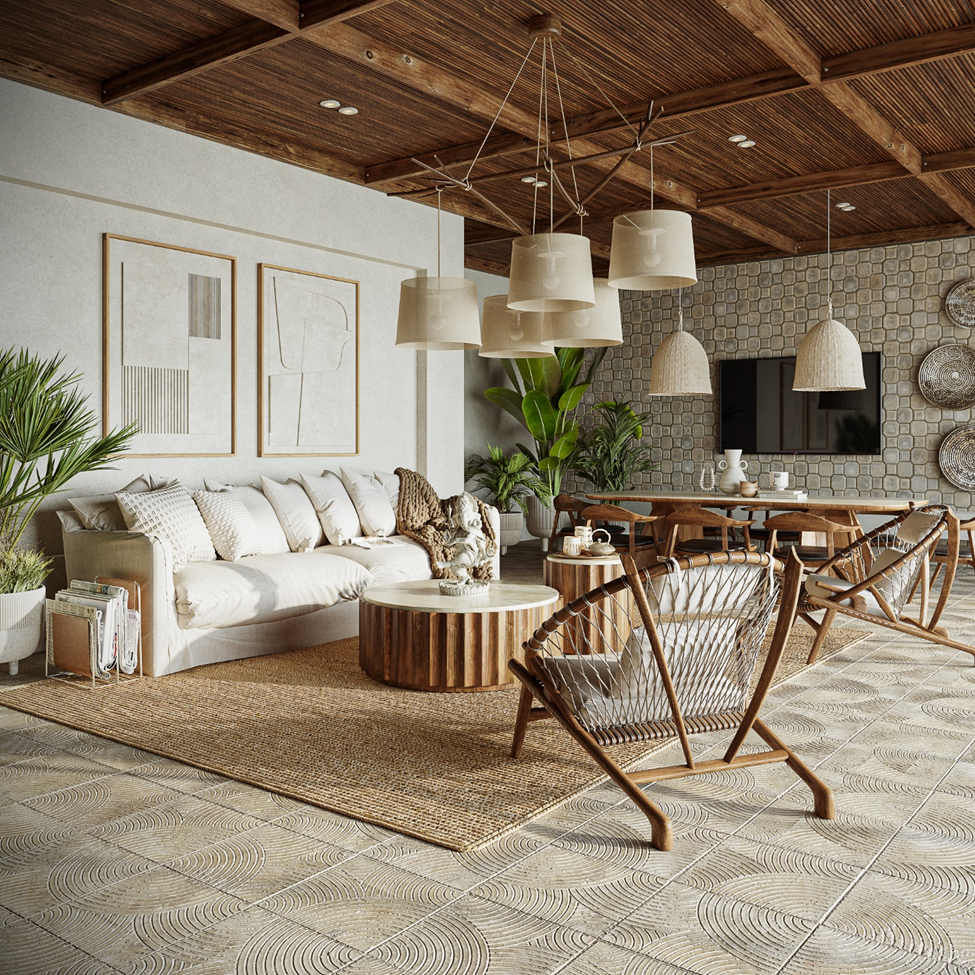
Warm beige paired with creamy white remains one of the best wall colour combinations for hall spaces, especially in apartments. Lighter beige tones reflect a high percentage of natural light, which makes compact halls appear more expansive. Creamy white prevents stark contrast and softens the transition between wall and ceiling.
For those seeking a neutral wall colour combination for hall in contemporary living rooms, this pairing offers longevity. It feels composed under artificial lighting and luminous in natural daylight, making it suitable for everyday use rather than seasonal preference.
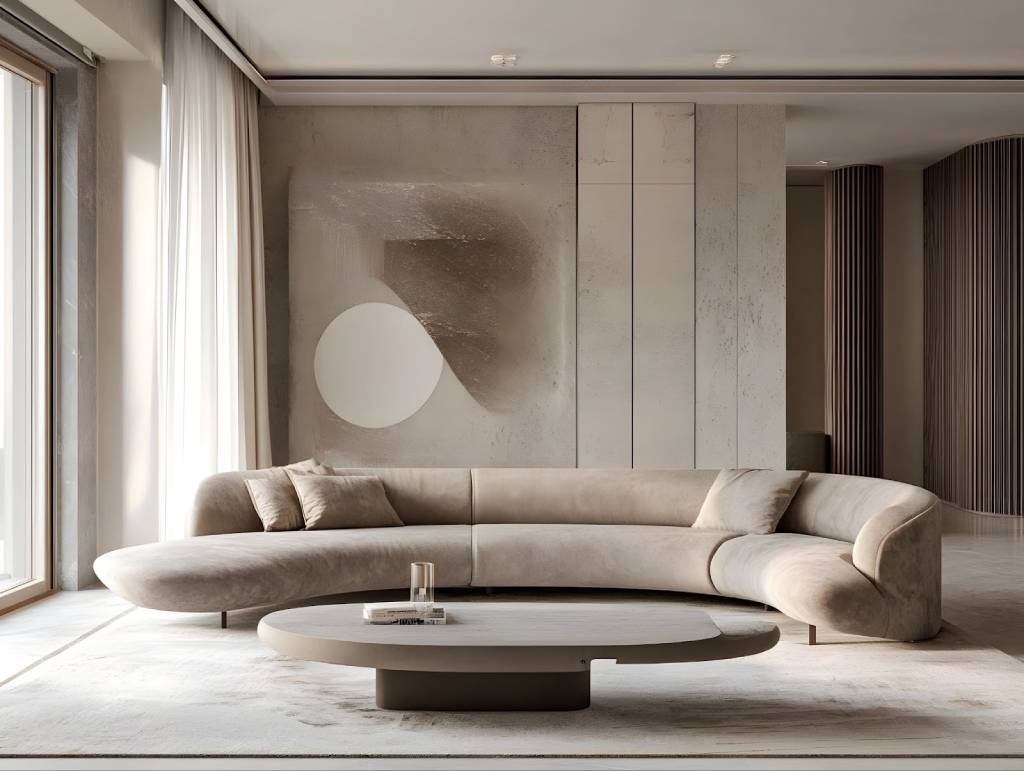
Grey, Beige and Cream:
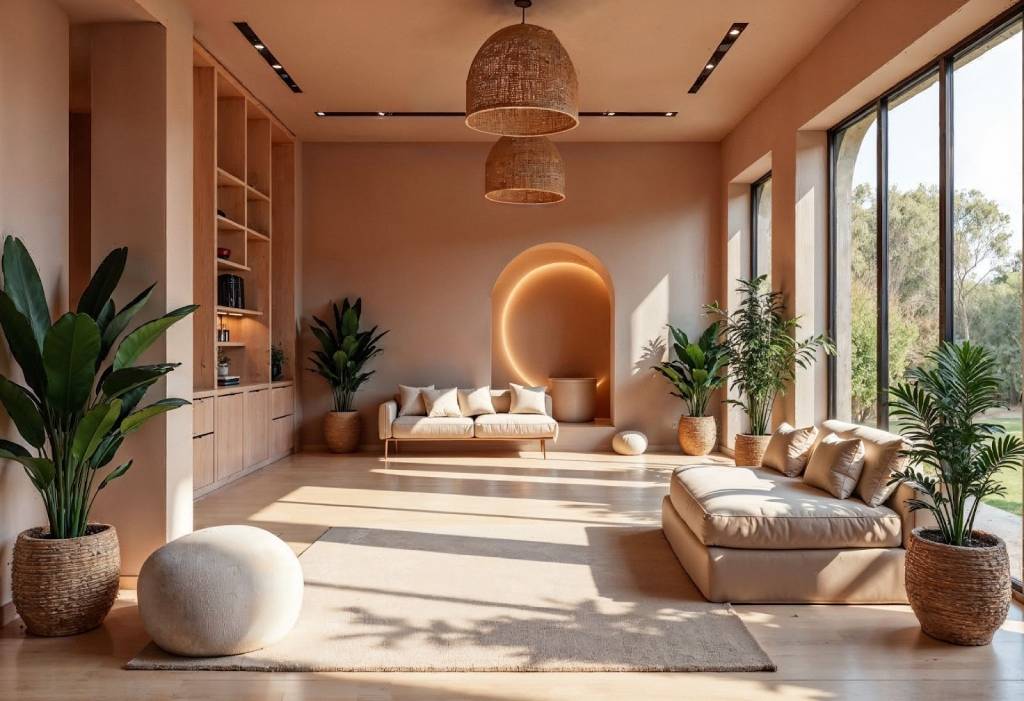
A layered combination of grey, beige and cream introduces depth within a neutral framework. Grey adds structure. Beige introduces warmth. Cream softens the composition so the space does not feel heavy.
As a hall painting colour combinations direction, this trio works particularly well in homes where artificial lighting plays a significant role. It creates a balanced colour combination for hall wall surfaces that feels refined without appearing stark or overly warm.
Also read about pop design ideas for hall
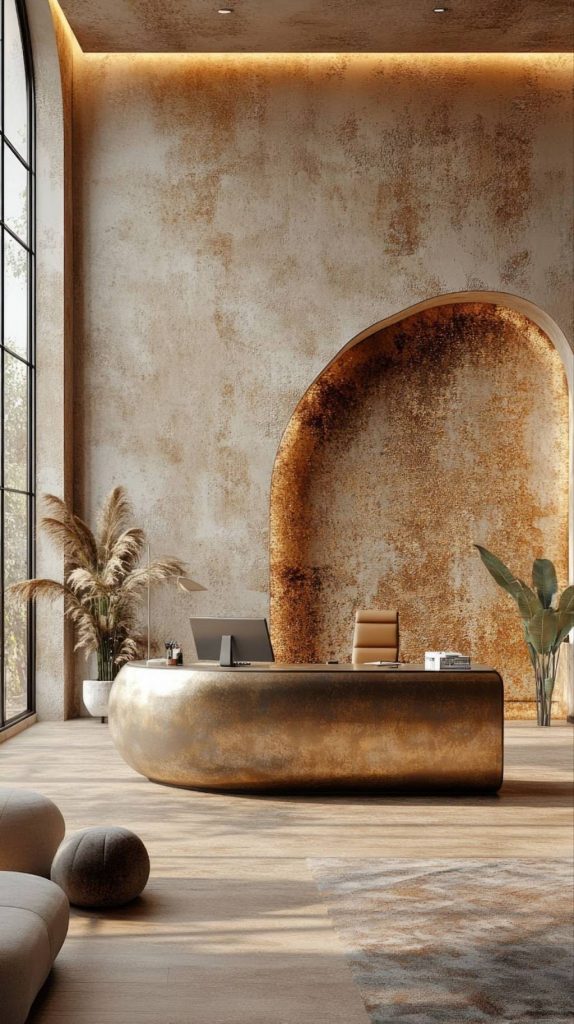
Warm Earthy Colour Combinations for Hall Interiors
A noticeable shift has emerged in recent years. Homeowners are moving toward warmer, grounded palettes that soften the intensity of urban life. Earth inspired tones introduce comfort without sacrificing refinement.
Unlike neutrals that stabilise through restraint, earthy hues stabilise through warmth. The key is proportion. Depth must be introduced carefully so the hall retains openness.
Terracotta and Beige:
Terracotta carries character. Beige introduces balance. Together, they form a hall wall colour combination that feels cultivated rather than decorative. Terracotta stimulates warmth and familiarity, while beige prevents visual heaviness. In compact layouts, terracotta can function within a light and dark wall colour combination for a hall in compact apartments, where depth is limited to one feature wall. In larger layouts, it transitions seamlessly into a big hall colour combination that anchors the room without overwhelming scale.
This pairing works particularly well in homes that receive consistent daylight, where terracotta’s warmth can be moderated naturally.
Olive and Tan:
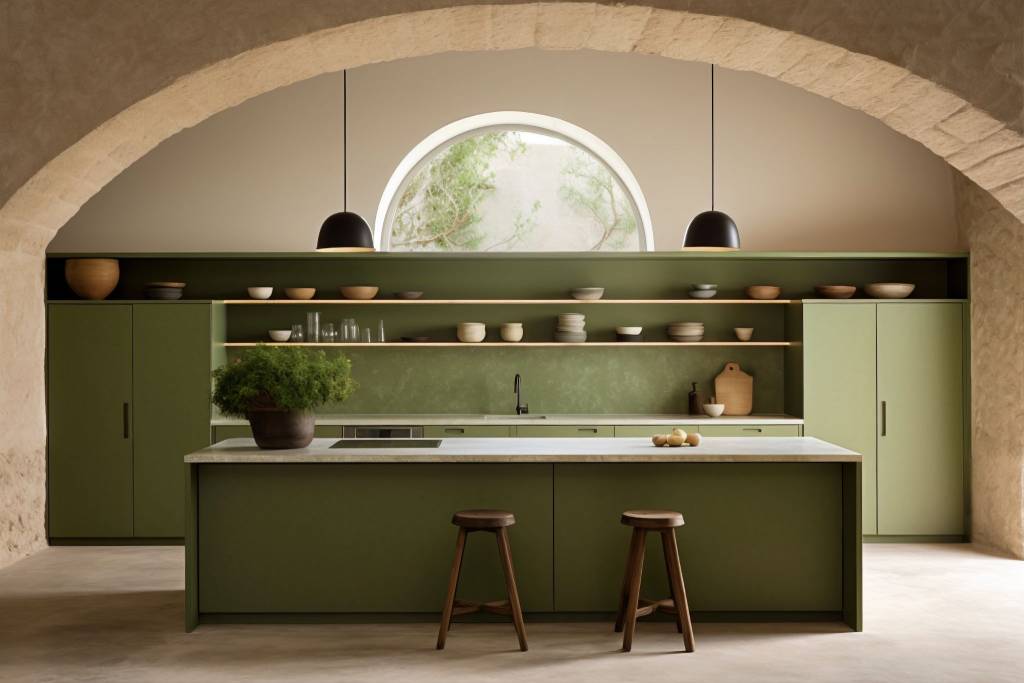
Olive has gained prominence as homeowners gravitate toward biophilic design principles. Nature inspired interiors are often associated with improved perceived well being. Olive introduces that connection subtly.
Tan tempers olive’s depth and keeps the space composed. As a best colour combination for hall room spaces that aim for understated richness, olive and tan create visual softness without appearing muted. When layered with textured fabrics and natural wood finishes, the hall feels grounded and cohesive.
Also explore a premium interior designer consultation here.
Chocolate Brown, Gold and Cream:
For those who prefer greater depth, chocolate brown paired with gold accents and cream offers contrast without excess.
Chocolate brown anchors the space. Cream maintains brightness. Gold, used sparingly, introduces refinement through controlled highlights. As a hall colour combination with colour code direction, this trio benefits significantly from warm lighting. Under appropriate illumination, it reads balanced rather than dramatic.
Luxury Hall Wall Colour Combinations and Ideas
Luxury in contemporary interiors is no longer defined by bold saturation. It is defined by calibration. Subtle depth, controlled contrast and material harmony shape the most aspirational halls today.
Mocha and Brass:
Mocha has emerged as a refined alternative to conventional browns. It carries depth without visual aggression. Paired with brass accents, it aligns with the quiet luxury movement where richness is expressed through restraint.
As a hall colour combination for contemporary apartments, Mocha adapts comfortably to layered lighting and textured finishes. It feels mature, not trend-driven.
Navy Blue and Ivory:
Contrast psychology plays an important role in this pairing. The Navy anchors the room and establishes presence. Ivory counterbalances it, preventing the space from feeling enclosed.
For those exploring the best colour combination for hall walls that introduce definition without heaviness, navy and ivory offer a structured yet elegant approach. Gold or brushed metal accents complement this palette without overpowering it.
You can also look at Modern Wardrobe design ideas for 2026 here.
Dusty Pink and Grey:
In contemporary apartments, this hall room colour combination introduces warmth while maintaining composure. It suits layouts where softness is desired, but clarity remains essential.
Dusty pink, when muted correctly, reads sophisticated rather than ornamental. Grey tempers its warmth and adds structure.
Natural Minimalist Colour Combinations for Modern Halls
Minimalist halls rely on proportion and light. Colour serves as a framework rather than a focal point.
These combinations prioritise calm continuity and photograph exceptionally well because they allow architectural elements to remain visible.
Sage Green and Beige:
Sage introduces calmness and visual softness. Beige stabilises and grounds the palette.
As a two colour combination for hall walls with natural light interiors, Sage and Beige work particularly well in spaces with generous daylight. The pairing feels layered yet subtle, allowing furniture and textures to carry additional interest.
White and Wood:
White amplifies available light. Warm wood tones prevent sterility.
This remains one of the most reliable colour combinations for walls in halls for homeowners who prefer restrained elegance. The contrast between white walls and natural wood finishes ensures warmth without introducing competing colours.
Contemporary Indian Hall Colour Combination Ideas
Modern Indian homes increasingly blend global layouts with culturally rooted palettes. The result is a fusion aesthetic where tradition is interpreted through contemporary restraint.
Beige, Muted Gold and Maroon Accents:
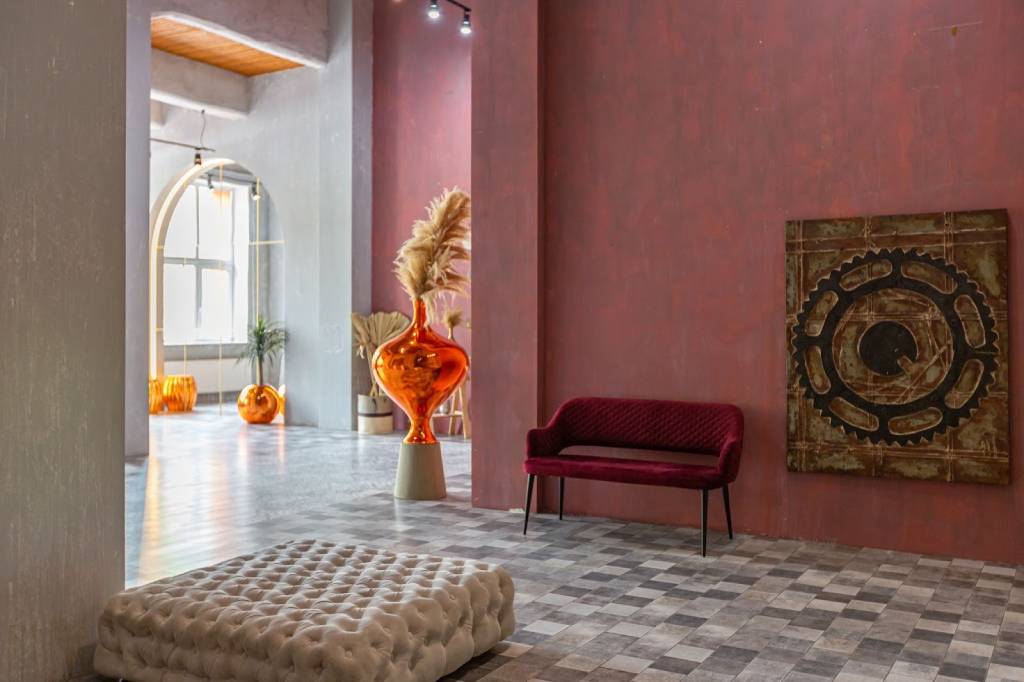
This palette reads modern royal without appearing overtly traditional. Beige anchors the composition. Muted gold introduces refinement. Maroon adds depth inspired by heritage tones.
As a best colour combination for hall spaces seeking understated opulence, this trio balances cultural richness with contemporary clarity.
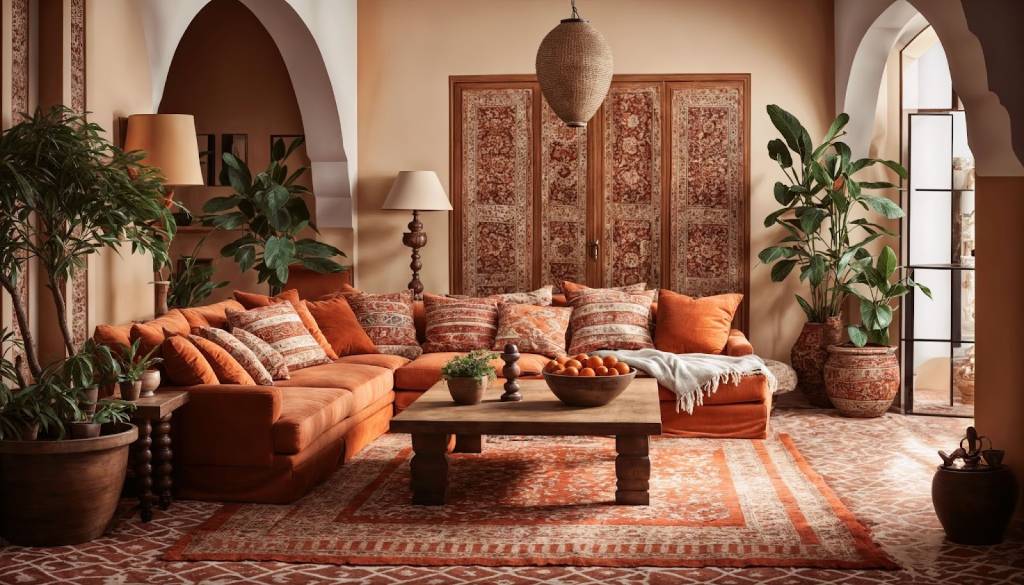
Terracotta Heavy, Handcrafted Indian Look:
A terracotta dominant scheme layered with handcrafted textures and artisanal elements creates a hall that feels rooted and expressive.
Subtle patterns, pottery accents and carved details enhance the base tone without overwhelming it. As a hall wall colour combination, this approach celebrates materiality while remaining structured.
Common Hall Wall Colour Selection Mistakes
Even the strongest hall wall colour combination can lose impact if selected without context. Colour rarely fails on its own. It fails when applied without considering proportion, lighting and adjacent materials.
A shade that appears refined on a sample card may behave differently across full walls. Light temperature, ceiling height and flooring undertones all influence the outcome. Structured evaluation prevents costly repainting and long-term dissatisfaction.
Common mistakes include:
- Ignoring undertones under artificial lighting
Warm or cool light sources can alter perception dramatically, causing beige to appear yellow or grey to shift blue. - Testing on patches that are too small
Small swatches do not reveal how colour behaves at scale. Larger sample areas provide a more accurate reading of depth and reflectivity. - Choosing trends over longevity
Trend driven selections often lose relevance quickly. Your hall benefits from timeless calibration rather than seasonal experimentation. - Neglecting ceiling colour alignment
Ceilings influence perceived height. A mismatched ceiling can compress the space even if the wall colours are well chosen. - Overlooking furniture and flooring compatibility
Walls must converse with flooring and upholstery. Undertone clashes create subtle imbalance that becomes evident over time.
Also read about wooden door design ideas for 2026
Choosing Colour Through Personalisation.
Two halls can use identical shades and feel entirely different. Proportion, lighting and material layering influence perception, but personal response remains the defining factor.
At Design First, the colour selection begins with understanding preference rather than trend. The Design First Style Test reveals how you instinctively respond to warmth, contrast and depth. That clarity shapes a hall wall colour combination that aligns naturally with your lifestyle.
Design is not isolated from execution. Through end-to-end home interiors, every decision from layout to material and finish is coordinated. This integrated design process ensures that colour supports architecture rather than competing with it.
The Design First Marine Drive Experience, inspired by the Legendary Carlo Scarpa’s philosophy of precision and material intelligence, allows you to experience palettes within spatial context. Light, texture and proportion are observed in reality, not imagined digitally.
The right hall colour does more than complete a room. It sets the tone for how the home is experienced every day.
Discover your signature style through the Design First Style Test and visit our Design First Experience at Marine Drive by appointment to explore our signature style in scale.
Here is a blog about Eco-friendly Interior Solutions for Greener Living
FAQs
Yes, dark tones can anchor expansive layouts. Balance them with lighter contrasts and layered lighting to prevent visual heaviness.
Lighter tones that reflect natural light help compact halls appear larger. Darker shades can be introduced selectively as accents to add depth without compressing the space.
Begin by aligning undertones. Warm wood pairs well with Beige and Terracotta. Cooler finishes align with grey-based palettes. Consistent undertones create visual harmony.
Beige and Cream, Navy and Ivory, Terracotta and Beige and Sage with neutrals are among the most popular hall wall colour combinations in contemporary Indian homes.
Mocha with brass accents, Sage with Beige and Navy paired with Ivory are expected to remain strong choices due to their balance of warmth and structure.
Earth-inspired tones such as Olive, Terracotta and Mocha are currently trending, along with layered neutrals that create quiet contrast.
A refined royal palette combines beige with muted gold and controlled maroon accents. This approach introduces depth and cultural richness without overwhelming the space.
Neutral shades such as Beige, Ivory or balanced Grey-Beige combinations work well for most living halls. They enhance light reflection, support layered décor and remain adaptable over time.
Soft beige, Ivory, light Grey-Beige blends and warm off-whites reflect higher levels of light, creating a sense of openness.
Beige and creamy white remains one of the best two-colour combinations for a hall because it reflects light effectively and maintains spatial openness.